
Selecting a suitable drawing board is a foundational step for any beginner or art student in Singapore. A reliable drawing board provides a stable, flat, and rigid surface that supports proper drawing posture, protects your paper from damage, and allows you to work comfortably in various environments. For students commuting between home, school, and outdoor sketching locations, the ideal board must balance structural durability with portability, while also resisting the challenges of a highly humid tropical climate.
Instead of investing in expensive, heavy drafting tables, beginners can find highly functional, portable drawing boards that offer excellent value. The right choice depends on your primary art medium, the paper sizes required by your school curriculum, and how you plan to transport and store the board. By understanding the key features of different board materials and designs, you can make an informed decision that supports your artistic growth without overstretching your budget.
Identifying Your Core Drawing Requirements
Before purchasing a drawing board, define your primary use case to narrow down the board size, material, and portability features you need. Your choice of art medium plays a critical role in determining how rigid and water-resistant your board must be. For instance, dry sketching with pencils or charcoal requires a hard, smooth surface, whereas wet mediums like watercolors or heavy ink washes demand a board that can withstand moisture without warping or degrading.
Products mentioned in this guide
![[SG Stock] Children Colourful Magnetic Drawing Board Large Graffiti Board Writing Board Doodle Writing Erasable Painting Board Children Birthday Gift](https://img.lazcdn.com/g/p/dcca94ee7440f50dc4a4066a096fbe72.jpg_400x400q80.jpg_.webp)
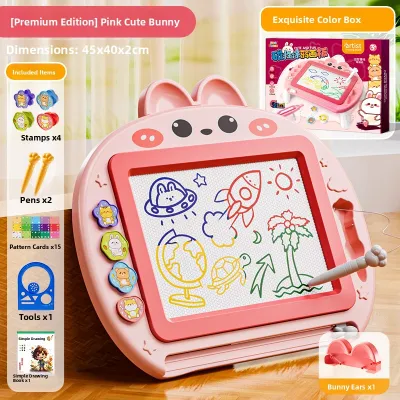

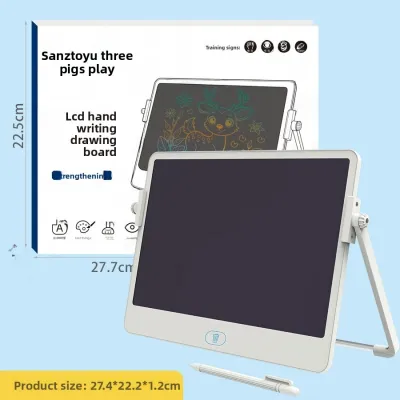
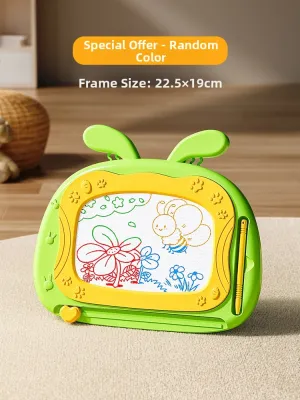
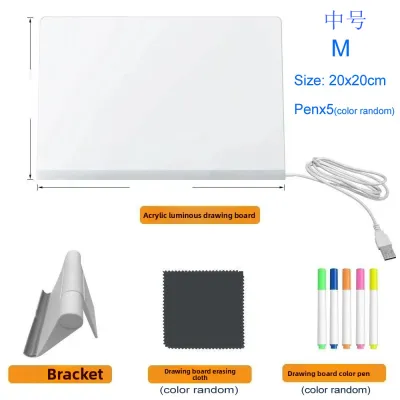

Prices are valid at publication and may change. Please refer to the product page for the latest price.
You must also consider the working area required for your projects. In Singapore, school art curricula—such as O-Level, A-Level, or coursework at local polytechnics—frequently utilize standard paper sizes like A4, A3, and occasionally A2. An A3 drawing board is generally the most versatile option for students, providing ample space for standard assignments while remaining compact enough to fit on typical study desks. If your coursework involves larger, expansive compositions, an A2 board may be necessary, though it will require more storage space and effort to transport.
Portability is another crucial factor for students who must carry their art supplies on public transport. Commuting on the MRT or buses during peak hours with a heavy, bulky board can be highly inconvenient. If you plan to carry your board frequently, look for lightweight materials, integrated carrying handles, or designs that fit easily inside a standard zippered art portfolio bag. Conversely, if the board will remain permanently on your home study desk, you can prioritize a heavier, more robust board with advanced adjustable features.
Essential Features to Evaluate Before Purchase
Evaluating the physical and mechanical specifications of a drawing board ensures you select a tool that offers long-term durability and ergonomic comfort. The surface material is the most critical component, as it directly affects your drawing experience. Common materials include Medium-Density Fibreboard (MDF), layered plywood, and high-impact plastics or acrylics. MDF offers an exceptionally smooth, uniform surface at an affordable price, but it is highly susceptible to swelling and warping if exposed to high humidity or liquid spills. Layered plywood, such as birch, provides excellent structural rigidity and a natural wood feel, though you should check that the surface is finely sanded to prevent wood grain from transferring to your paper. Plastic and acrylic boards are completely waterproof and easy to clean, making them highly durable, though they lack the traditional texture of wood.

The mechanism used to secure your paper is another vital feature to examine. Many student drawing boards feature built-in metal clips at the top, which are incredibly convenient for quick sketching because they hold paper instantly without the need for tape. When evaluating these clips, ensure the spring tension is strong enough to hold multiple sheets securely, yet gentle enough not to leave deep, permanent indentations on delicate art paper. If you prefer a completely flat working surface or frequently use wet media, a plain board without built-in clips is often better, as it allows you to apply masking tape or drafting tape smoothly along all four edges of the paper.
Ergonomics should not be overlooked, especially during long study and drawing sessions. Working on a flat desk forces you to hunch forward, which can cause significant neck, shoulder, and back strain over time. Drawing boards with built-in tilt mechanisms or adjustable fold-out stands allow you to prop the board at an angle, typically ranging from 20 to 45 degrees. This incline aligns the drawing surface more parallel to your line of sight, reducing perspective distortion and helping you maintain a healthier, more upright posture. For students working in compact home environments, an adjustable tabletop board offers the ergonomic benefits of a full-sized drafting table without occupying permanent floor space.
Matching Board Types to Specific Art Projects
Different art projects and mediums require specific board characteristics to achieve the best results. For sketching and dry media, such as graphite, colored pencils, charcoal, or pastels, a lightweight board with an ultra-smooth surface is highly recommended. Any texture, grain, or imperfection on the board’s surface can easily transfer onto your paper when you apply heavy shading or blending. A simple MDF or smooth plastic board equipped with a low-profile metal clip and a heavy-duty rubber band at the bottom to secure loose paper edges is ideal for these dry mediums. These lightweight boards are also easy to prop on your lap, making them excellent for outdoor sketching sessions in local parks or urban landscapes.
Watercolor and wet media demand a completely different set of board properties. When paper absorbs water, it expands and buckles, which can cause paint to pool unevenly. To prevent this, watercolor artists stretch their paper by wetting it and taping it securely to a rigid board. Standard MDF or low-grade plywood will warp, swell, and delaminate quickly under these wet conditions. For wet media, you should select a thick, marine-grade plywood board or a solid acrylic board that is completely impervious to water. The board must remain perfectly flat under the tension of drying paper and allow water-activated gummed tape or heavy-duty masking tape to adhere firmly and peel off clean without damaging the board’s surface.
Marker rendering and illustration work also require careful board selection. Alcohol-based markers and heavy drawing inks can easily bleed through standard layout paper, leaving permanent stains on porous wooden surfaces. These stains can then transfer to the back of your future drawings, ruining your work. If you work extensively with markers, a non-porous acrylic or sealed plastic board is highly advantageous because any ink bleed-through can be easily wiped away with a small amount of isopropyl alcohol. If you prefer the feel of a wooden board, always place a thick plastic backing sheet, a cutting mat, or several sheets of scrap paper underneath your illustration paper to act as a protective barrier.
Navigating Local Purchases and Verifying Quality
When shopping for a drawing board in Singapore, taking the time to verify the quality of the product will save you from future frustration. If you are purchasing from a physical stationery or art supply store, perform a thorough hands-on inspection. Place the board flat on a counter or table to check for any wobbling, which indicates that the board is already warped. Run your hand across the entire surface and along the edges to check for splinters, rough patches, or peeling laminate. Test the built-in metal clips to ensure they operate smoothly and have sufficient tension, and verify that any adjustable stands or hinges lock securely into place without slipping under hand pressure.
If you prefer the convenience of shopping on an online marketplace, you must be more cautious, as you cannot physically inspect the product before buying. Carefully read the product descriptions to verify the exact dimensions, weight, and materials, as online images can sometimes make small boards appear much larger than they are. Look closely at customer reviews, paying specific attention to any feedback regarding warping during transit, chipped corners, or poor packaging. It is also wise to check if the seller offers a clear return or exchange policy in case the board arrives damaged or warped due to improper handling during delivery.
Evaluating the price-to-quality ratio is essential to avoid overspending on professional-grade drafting equipment that you may not need as a beginner. A reliable, student-grade drawing board typically ranges from S$15 to S$40, depending on the size, material, and adjustable features. Avoid ultra-cheap options priced under S$10, as these are often made from thin, flexible cardboard or low-grade plastics that bend easily under hand pressure, making it difficult to draw clean, precise lines. Investing a bit more in a sturdy, warp-resistant board will provide a much better drawing experience and last throughout your school years, offering far better long-term value.
Caring for Your Drawing Board to Extend Its Lifespan
Proper maintenance and care are essential to keep your drawing board in excellent condition and prevent damage to your artwork. To maintain a clean drawing surface, regularly remove graphite dust, charcoal smudges, and paint splatters. For wooden and MDF boards, wipe the surface gently with a dry or slightly damp microfiber cloth after each use. Avoid soaking wooden boards in water or using harsh chemical solvents, as these can strip away protective coatings and cause the wood fibers to swell. If you need to remove stubborn tape residue, apply a tiny amount of eucalyptus oil or a mild adhesive remover to a cloth, rub the area gently, and wipe it dry immediately. Acrylic and plastic boards are much easier to maintain and can be cleaned with mild soapy water or isopropyl alcohol to remove stubborn ink stains.
Singapore’s high relative humidity poses a constant threat to wooden art supplies, as moisture absorption is the primary cause of warping. To protect your board, store it flat or vertically in a dry, well-ventilated indoor area away from direct sunlight, open windows, and air conditioning vents. Never leave your drawing board lying on a damp floor or leaning against an exterior wall where moisture can accumulate. If you use a wooden or MDF board, keeping it inside a protective plastic sleeve, a zippered art portfolio bag, or a dedicated drawer when not in use will help shield it from ambient humidity and dust.
Knowing when to replace your drawing board is also important for maintaining the quality of your work. Over time, even well-cared-for boards may develop deep scratches, gouges, or permanent dents from heavy pencil pressure or sharp tools. These surface imperfections will transfer unwanted textures to your drawings, making it difficult to achieve smooth shading. If your board develops a noticeable warp that prevents it from sitting flat, or if the built-in clips and adjustable stands become loose and unstable, it is time to replace the board. Upgrading to a new board when these issues arise ensures you continue to work on a reliable, supportive surface that does not compromise your artistic output.
Frequently Asked Questions (FAQ)
Can I use a regular clipboard instead of a dedicated drawing board?
While a standard clipboard is highly portable and convenient for quick, small-scale sketches on A4 paper, it is generally inadequate for serious art students and larger projects. Most clipboards are too small to accommodate standard A3 school art assignments and lack the structural rigidity required to support heavy hand pressure without flexing. They also lack adjustable stands, forcing you to hunch over your desk during long drawing sessions. A dedicated drawing board provides a much larger, flatter, and more rigid surface, along with essential features like adjustable tilt angles and secure paper fastening options, making it far more suitable for extended art projects and proper ergonomic support.
Do I need a drawing board with a built-in tilt mechanism?
A built-in tilt mechanism is not strictly mandatory for beginners, but it offers significant ergonomic benefits that make it a highly worthwhile investment. Working on a tilted surface aligns your paper parallel to your eyes, which helps prevent perspective distortion—where the top of your drawing appears smaller than the bottom—and greatly reduces strain on your neck, shoulders, and wrists. If you are on a tight budget, you can achieve a similar effect by propping a flat drawing board against a sturdy book, a wooden block, or a desk organizer. However, an adjustable built-in stand provides superior stability and allows you to easily customize the angle to suit different drawing styles and mediums.
How do I prevent my watercolor paper from buckling on the board?
To prevent watercolor paper from buckling when wet, you must stretch the paper properly before you begin painting. This process involves thoroughly wetting the paper, laying it flat on a water-resistant drawing board, and securing all four edges with water-activated gummed paper tape or heavy-duty masking tape. As the paper dries, it shrinks and pulls tight across the board like a drum skin, allowing it to remain perfectly flat even when heavy washes of water and paint are applied later. It is crucial to ensure your drawing board is made of a rigid, waterproof material like acrylic, sealed plastic, or marine-grade plywood, as standard MDF or unsealed wood will absorb the moisture, swell, and warp during this process.
Community discussion
Share your experience or ask a question. Comments are reviewed before publication.