
Choosing the right Japanese cotton fabric requires matching the fabric’s weight, weave structure, and finish to the specific demands of your sewing project. Whether you are crafting breathable garments for warm climates, assembling a precise quilt, or sewing structured home accessories, understanding these textile characteristics ensures your finished piece behaves exactly as intended. Japanese textiles are highly regarded for their meticulous manufacturing standards, unique textures, and distinctive prints, making them a favorite choice for sewing enthusiasts worldwide. By evaluating the physical properties of each fabric type, you can select a material that offers both the aesthetic appeal and the structural integrity your project demands.
Understanding the Core Traits of Japanese Cotton
To make an informed selection, you must first understand the fundamental properties that define high-quality cotton textiles. The quality of any cotton fabric begins with the raw fiber itself. Many premium Japanese cottons utilize long-staple or extra-long-staple cotton fibers, which are spun into exceptionally smooth, fine yarns. These longer fibers result in a yarn that has fewer exposed ends, which directly translates to a smoother hand feel, greater natural luster, and a lower tendency to pill over time. When examining fabric options, look for specifications regarding yarn count; higher numbers generally indicate finer, thinner yarns that create a more delicate and densely woven fabric.
The weave structure is the next critical element to analyze, as it dictates how the fabric behaves when cut, sewn, and worn. Plain weave is the most common and straightforward structure, characterized by a simple over-and-under pattern of threads. This weave offers excellent stability, making it easy to handle for beginners and highly reliable for precise piecing. Twill weaves, identified by their diagonal rib pattern, provide more drape and flexibility, making them ideal for garments that need to move with the body. Double gauze, a uniquely popular Japanese construction, consists of two layers of fine, open-weave gauze basted together at regular intervals with tiny, almost invisible stitches, resulting in an incredibly soft, breathable, and slightly airy material.
Products mentioned in this guide
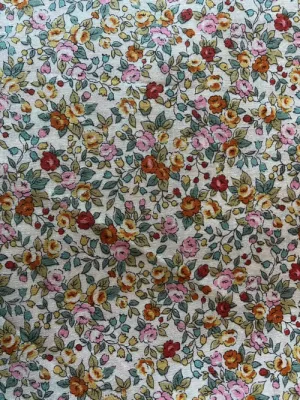
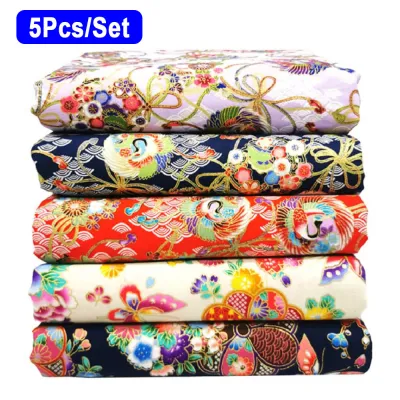
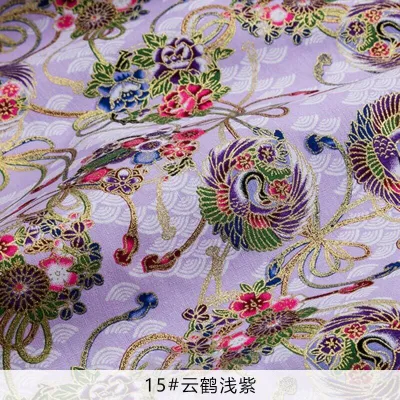
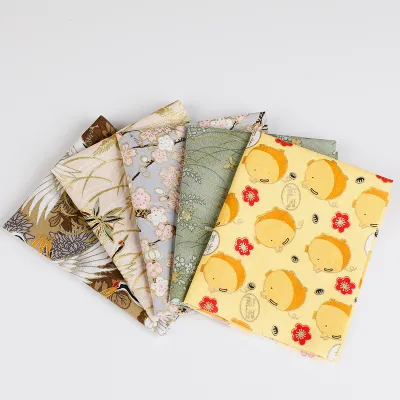
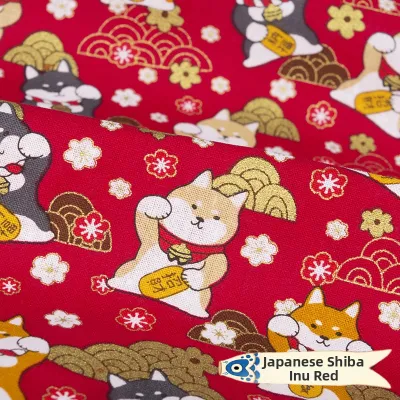
Prices are valid at publication and may change. Please refer to the product page for the latest price.
Understanding standard weight measurements is essential for interpreting fabric labels and online product descriptions. Fabric weight is typically measured in grams per square meter (GSM) or ounces per square yard (oz). Lightweight fabrics generally fall between 80 and 120 GSM, medium-weight fabrics range from 130 to 200 GSM, and heavyweight fabrics exceed 200 GSM. When purchasing Japanese imports, you may also encounter traditional width measurements on the bolt, often around 110 centimeters (approximately 43 inches) for standard quilting and garment cottons. Reading these labels carefully allows you to calculate exactly how much yardage you need while ensuring the fabric’s physical weight aligns with your pattern’s requirements.
Matching Weight and Weave to Your Sewing Project
Selecting the appropriate fabric weight and weave is a balancing act between the intended use of the item and the structural support it requires. For garment making, the primary considerations are drape, breathability, and comfort against the skin. In warm, humid environments like Singapore, lightweight and highly breathable fabrics are essential for daily wear. Cotton lawn and voile are excellent choices for breezy blouses, summer dresses, and lined skirts because they offer a smooth, cool surface and a fluid drape. If your garment pattern requires more structure—such as a tailored button-down shirt, a utility jacket, or a structured A-line skirt—opt for a medium-weight cotton twill, oxford, or a structured plain-weave broadcloth that can support collars, plackets, and pockets without sagging.

Quilting and patchwork demand a completely different set of fabric characteristics, prioritizing stability and ease of handling over fluid drape. Medium-weight plain-weave cotton, often referred to simply as quilting cotton, is the gold standard for this craft. This fabric has a stable, non-stretch quality that allows for incredibly precise cutting and piecing, ensuring that intricate geometric points align perfectly. When working on quilts, you must also consider how the fabric handles seam allowances; high-quality Japanese quilting cottons are dense enough to prevent dark seam allowances from showing through lighter patches, yet supple enough to press flat without creating bulky ridges. Additionally, consider the scale of the print: small-scale traditional Japanese motifs, such as geometric sashiko patterns or delicate cherry blossoms, work beautifully for small patchwork blocks, while larger scenic prints are better suited for borders or backing.
For home decor and everyday accessories, durability and structural integrity are the most critical factors. Items like tote bags, cushion covers, table runners, and curtains are subjected to frequent handling, friction, and tension, requiring heavier-weight fabrics that can withstand wear and tear. Japanese cotton canvas, heavy twill, and duck cloth are ideal for these applications, offering a robust texture and excellent resistance to abrasion. Many of these heavier fabrics feature unique surface textures, such as slub yarns that create a rustic, hand-woven appearance, adding visual depth to home interiors. When sewing accessories like structured pouches or bags, pairing a medium-to-heavyweight Japanese cotton with the appropriate interfacing will ensure the finished product maintains its shape even when empty.
Evaluating Finishes and Care Requirements
The way a fabric is dyed, printed, and finished plays a significant role in how it handles under the sewing machine and how it maintains its appearance over time. Traditional and modern dyeing techniques yield very different visual and physical results. Yarn-dyed fabrics, where the threads are dyed before being woven into patterns like stripes, checks, or plaids, offer a rich depth of color that is identical on both sides of the fabric. This makes them highly versatile for garments where the inside might be visible, such as rolled sleeves or unlined jackets. In contrast, piece-dyed or printed fabrics have the design applied to the surface of a pre-woven white or neutral cloth; while this allows for incredibly detailed and vibrant prints, the reverse side of the fabric remains plain, which is an important consideration for your project’s layout.
Special mechanical or chemical finishes can alter the texture, drape, and performance of Japanese cotton. Some fabrics undergo a mechanical crinkling process, which is particularly common in double gauze and cotton crepe, giving them a relaxed, textured surface that requires little to no ironing. Other fabrics may arrive with a significant amount of sizing—a starch-like substance applied during manufacturing to keep the yarns stiff and stable during weaving and printing. While sizing makes the fabric exceptionally easy to cut and sew, it will wash out during the first laundering, revealing a much softer, more pliable hand feel. Always check the manufacturer’s specifications to see if a fabric has been treated with any specialty finishes, such as water-resistant coatings, which may require specific sewing needles or care routines.
Establishing a proper pre-washing routine is a non-negotiable step when working with natural cotton fibers, as they are inherently prone to shrinkage. Before cutting into your fabric, wash and dry it using the same methods you plan to use for the finished item. This process allows the fibers to relax and shrink before you sew, preventing puckered seams or a distorted fit after the first post-construction wash. Because some high-quality Japanese cottons feature delicate dyes or metallic gold accents, washing them on a gentle cycle with a mild, pH-neutral detergent and air drying them out of direct sunlight is highly recommended to preserve their vibrant colors and structural integrity.
Sourcing and Verifying Authentic Japanese Cotton
With the popularity of Japanese textiles, learning how to identify and source authentic materials is crucial for ensuring you get the quality you pay for. One of the most reliable ways to confirm authenticity is by examining the fabric’s selvedge—the self-finished edge of the fabric that runs parallel to the warp threads. Authentic Japanese cottons frequently feature detailed markings printed along this border, which may include the manufacturer’s name, the designer or collection title, color registration dots, and often a clear “Made in Japan” stamp. These markings serve as a hallmark of quality and origin, giving you confidence in the manufacturing standards of the textile.
When sourcing these fabrics in Singapore, you have access to a variety of local specialty shops and online platforms. Visiting physical textile merchants in historic fabric districts, such as Chinatown or People’s Park Complex, allows you to physically handle the fabrics and assess their quality firsthand. Additionally, specialized independent craft boutiques and curated online fabric stores offer a wide selection of imported Japanese brands. When shopping locally, prices are typically listed in S$ per meter or half-meter, and staff can often provide valuable insights into the specific care and handling of their imported stock.
Before committing to a bulk purchase for a major project, requesting fabric swatches is a highly effective way to verify physical traits. Once you have a swatch in hand, perform a simple hand-feel test by rubbing the fabric between your fingers to check for smoothness, density, and flexibility. You can also conduct a light test by holding the fabric up to a window or light source; a high-quality, densely woven cotton will allow minimal light to pass through and will show a highly uniform thread distribution. Checking these physical characteristics beforehand prevents unexpected surprises during the sewing process and ensures your finished project meets your standards.
Frequently Asked Questions (FAQ)
Does Japanese cotton shrink more than standard cotton?
Japanese cotton does not inherently shrink more than standard cotton, but its shrinkage rate depends heavily on the specific weave and finish. Fine, tightly woven fabrics like cotton lawn typically experience minimal shrinkage (around 2% to 3%), whereas loosely woven structures like double gauze or textured cotton-linen blends can shrink by up to 10% during the first wash. To avoid sizing issues, always check the manufacturer’s care label for specific shrinkage estimates. Conducting a simple pre-wash test on a precisely measured 10-centimeter square of fabric will allow you to calculate the exact shrinkage rate before cutting your pattern pieces.
What needles and threads work best with double gauze?
Sewing double gauze successfully requires adjusting your machine setup to accommodate its delicate, dual-layer structure. Use a fine, sharp sewing machine needle, such as a size 70/10 or 80/12 universal or microtex needle, to prevent snagging or pulling the loose threads of the weave. Pair this with a high-quality, lightweight thread, such as a 50-weight or 60-weight polyester or cotton thread, which provides strong seams without adding unnecessary bulk. Before sewing your actual project, always test your stitch length and tension on a scrap piece of the double gauze, opting for a slightly longer stitch length (around 2.5mm to 3.0mm) to prevent the fabric from puckering.

Community discussion
Share your experience or ask a question. Comments are reviewed before publication.