
Choosing the right Indian money packet—traditionally known as a shagun envelope or lifafa—is an important part of preparing for weddings, Deepavali, and other milestone celebrations. While the vibrant designs, intricate gold foil, and rich textures of these packets immediately catch the eye, their physical dimensions are just as critical. A packet that is too small forces you to fold crisp currency notes or risk tearing the paper, while an oversized envelope can make a single gift card feel lost and insecure.
To ensure your gift is presented beautifully and remains undamaged, you must match the packet’s size to its specific contents. Whether you are gifting Singapore Dollar (S$) cash notes, standard bank cheques, or modern plastic gift cards, understanding how these items fit into different envelope dimensions will help you make the perfect selection.
Know Your Insert Dimensions: Cash, Cheques, and Gift Cards
Before purchasing your money packets, it is essential to understand the physical characteristics of what you plan to place inside. Different monetary gifts have distinct shapes, lengths, and levels of rigidity that dictate the type of envelope required.
Products mentioned in this guide
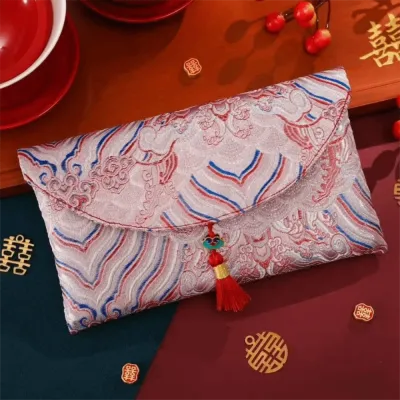
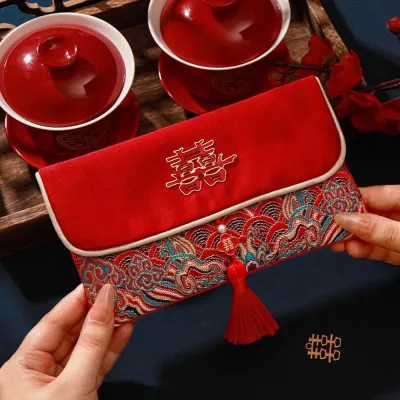
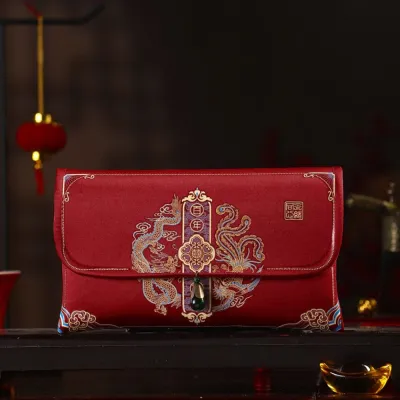
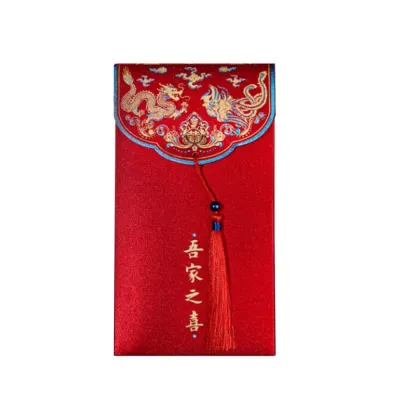
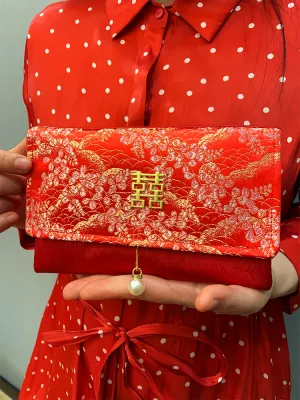
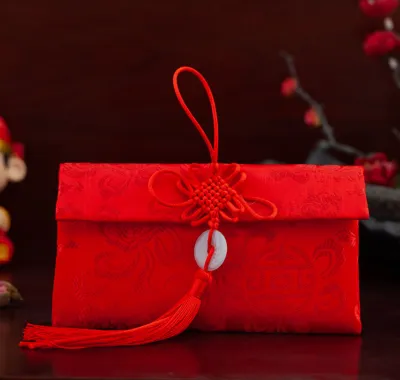
Prices are valid at publication and may change. Please refer to the product page for the latest price.
Singapore dollar notes in the current Portrait series do not share uniform dimensions; instead, they scale up in size according to their denomination. For instance, a S$2 note is relatively compact, whereas a S$50 or S$100 note is significantly longer and wider. If you plan to gift higher-value denominations, you must select a packet that accommodates these larger dimensions to avoid folding the cash, which is often preferred for formal gifting.
Bank cheques present a different challenge because they are much longer than standard currency notes. A typical personal or corporate bank cheque requires a long, elongated envelope to keep the document completely flat. Folding a cheque can cause permanent creases that interfere with automated bank processing machines, making a spacious packet a necessity rather than a preference.
Gift cards made of rigid plastic have fixed, unyielding dimensions. Unlike paper notes, they cannot bend to fit into a tight space. Because plastic cards have a distinct thickness, they require an envelope with enough width and structural integrity to prevent the sharp plastic corners from puncturing the paper seams.
Decoding Common Indian Money Packet Sizes
Indian money packets are generally available in three primary size categories, each suited to different types of gifts and presentation styles.

Small or standard packets are compact and highly portable. These envelopes are best suited for folded cash notes, smaller paper gift vouchers, or lower-denomination S$ notes. While they are convenient for casual gifting or handing out token amounts to children, they are generally too tight for unfolded high-value notes or rigid plastic cards. If you choose this size, be prepared to fold the contents neatly.
Medium or wide packets offer a versatile middle ground. These envelopes are designed to hold unfolded lower-denomination S$ notes comfortably, as well as standard plastic gift cards. The extra width ensures that rigid cards can slide in and out easily without stretching the paper. This size is also ideal if you are gifting a small stack of multiple cash notes, as it provides the necessary depth without becoming overly bulky.
Large or long packets are the traditional choice for formal occasions like weddings and milestone anniversaries. These elongated envelopes are specifically designed to hold unfolded bank cheques and high-value S$ notes in pristine condition. They also easily accommodate multiple rigid gift cards or thick stacks of cash. Using a long packet ensures a highly professional and respectful presentation, keeping your gift flat and impressive.
A Practical Checklist for a Secure and Damage-Free Fit
To ensure your gift is secure and presented beautifully, use this quick checklist to verify the fit and quality of your money packets before sealing them.
First, apply the clearance rule. Always choose a packet that offers at least a few millimetres of extra space on all sides of the insert. This small margin of empty space prevents the edges of your cash, cheque, or gift card from catching on the seams, ensuring the recipient can slide the contents out smoothly without tearing the envelope.
Second, evaluate the flap and seal security. When placing thicker items like multiple cash notes or a plastic gift card inside, the envelope will expand slightly. Ensure the closing flap is long enough to fold over completely and stay down. If the packet does not have a self-adhesive strip, look for designs with sturdy tuck-in flaps or use a neat piece of double-sided tape to keep the contents secure.
Finally, assess the material stiffness and paper weight. Heavy or rigid items like cheques and plastic cards require sturdier envelopes made from high-gsm paper or cardstock. Thin, delicate paper packets are fine for a single cash note, but heavier inserts can easily split the side seams of lightweight envelopes during transport.
Frequently Asked Questions (FAQ)
Can I fold a cheque to fit it into a standard money packet?
Folding a bank cheque is highly discouraged. Creasing a cheque can damage the Magnetic Ink Character Recognition (MICR) line located at the bottom of the document, which automated bank readers use to process transactions. To ensure the cheque is processed smoothly by the bank and remains highly presentable, always use a long money packet that allows the cheque to lie completely flat.
Does the condition of the cash affect the packet size I need?
While crisp, brand-new cash notes are stiffer and may feel slightly bulkier in a tight space, their physical dimensions are identical to older, circulated notes. Therefore, the same packet size guidelines apply. However, if you are gifting older notes that have been folded or crumpled in the past, they may expand in thickness, making a slightly wider or medium-sized packet much easier to use.

Community discussion
Share your experience or ask a question. Comments are reviewed before publication.