
Selecting the right gift box size is the key to creating a memorable presentation while keeping your present safe. To find the perfect fit, you must measure the maximum length, width, and height of your item, then add a dedicated clearance buffer for protective packaging materials. A box that is too small will bulge, tear, or fail to close, while an oversized container allows the item to slide around, risking damage during transit.
In Singapore’s gifting culture, the structural integrity and neatness of a package reflect the care and respect you have for the recipient. Whether you are preparing a corporate hamper, wrapping a delicate ceramic piece, or sending a handwritten journal, understanding how to calculate dimensions ensures your gift arrives in pristine condition. By matching the physical shape of your present to the correct box style, you can elevate the unboxing experience from a simple task to a delightful moment of discovery.
How to Measure Your Gift and Calculate Required Dimensions
To begin, place your gift on a flat, stable surface. Use a rigid metal ruler or a standard measuring tape to determine the three primary dimensions: length, width, and height. Always measure the absolute widest points of the item rather than just the flat surfaces. This means you must account for protruding handles, decorative ribbons, raised lids, or irregular contours that extend past the main body of the object.
Products mentioned in this guide
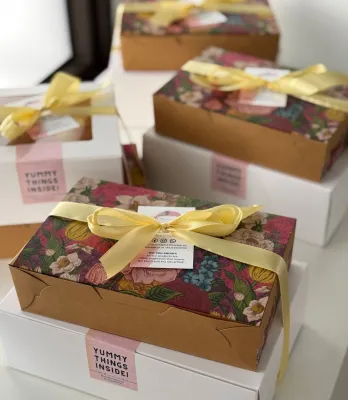
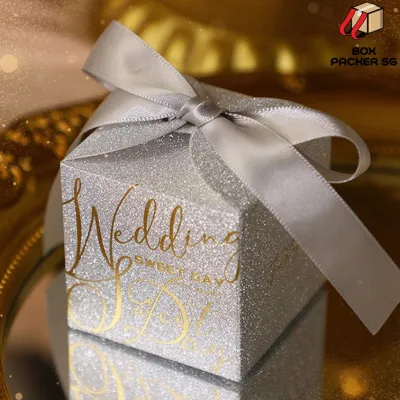
![[SG Ship] Premium Classic Wedding School Gift Boxes Ideal for any Occasion or Birthday Celebration Assorted Gift Boxes Premium Cardboard Gift Box Packaging](https://img.lazcdn.com/g/p/44127b605d8a3e9ca370475f9e857281.jpg_400x400q80.jpg_.webp)
Prices are valid at publication and may change. Please refer to the product page for the latest price.
Once you have the base measurements, calculate the necessary clearance buffer. This buffer is the extra space required around the item to accommodate protective void fill or cushioning materials. For sturdy, non-fragile items like books, clothing, or leather goods, a minimal clearance of 0.5 cm to 1 cm on all sides is usually sufficient to allow easy insertion and removal.
For fragile or heavy items, such as glassware, ceramics, or delicate electronics, you will need a much larger buffer zone. Plan for at least 2 cm to 3 cm of space on all sides to allow for thick layers of bubble wrap, crinkle paper, or molded foam. Without this buffer, any external impact on the box will transfer directly to the gift, increasing the risk of breakage.
Finally, always verify the manufacturer’s stated internal dimensions rather than relying on external measurements or generic category labels like “medium” or “large.” External dimensions include the thickness of the cardboard walls and lid overlaps, which can reduce the actual usable space inside by several millimeters or even centimeters. Checking the technical specifications sheet or product description on online marketplaces is the most reliable way to confirm the true inner capacity before making a purchase.
Matching Box Styles to Gift Shapes and Fragility
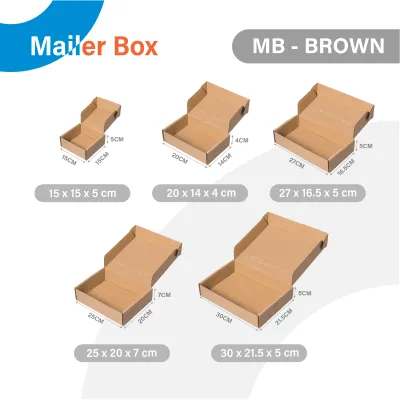
The physical shape and fragility of your present should dictate the style of the gift box you select. Flat or flexible items, such as apparel, textiles, art prints, or thin books, are best suited for shallow mailer boxes or classic lid-and-base setups. These styles keep the item flat and prevent it from folding, creasing, or shifting excessively during handling, ensuring a neat presentation upon opening.

For fragile or bulky items, such as mugs, candles, or small home appliances, prioritize deep, rigid cartons or corrugated boxes. These containers offer the depth required to surround the item with a uniform buffer zone of cushioning material. The rigid walls of a corrugated box act as a shield, absorbing external pressure and preventing the box from collapsing when stacked.
Assorted or irregular bundles, such as gourmet food hampers, cosmetics sets, or multi-item gift arrangements, are best accommodated by two-piece setup boxes or hinged-lid boxes. These styles provide excellent structural support and can handle variable heights easily. They also offer a wide opening, allowing you to arrange the items beautifully and secure them with a decorative ribbon or sleeve.
In Singapore’s warm and humid climate, paperboard packaging can absorb moisture from the air, which naturally reduces its structural stiffness over time. To prevent your gift box from sagging or losing its shape, choose high-density rigid paperboard or double-wall corrugated cardboard for heavier items. You can verify the material’s moisture resistance by performing a simple touch test: high-quality, moisture-resistant boards feel dense and smooth, and they do not bend easily under light thumb pressure.
Factoring in Packaging Materials and Structural Limits
The space inside a gift box is shared between the gift itself and the packaging materials used to secure it. When calculating the required box size, you must account for the volume displaced by internal wrapping tissues, crinkle paper, or structural dividers. These decorative elements add aesthetic value, but they also occupy physical space that reduces the available room for your gift.
Crinkle paper and shredded wood fill are excellent for cushioning, but they require significant volume to be effective. If you plan to nestle an item deeply into a bed of shredded paper, increase your height calculation by at least 2 to 3 cm to ensure the lid can close without crushing the decorative presentation.
Cardboard thickness varies widely. A thin folding carton might have walls only 0.5 mm thick, whereas a heavy-duty corrugated box can have walls exceeding 3 mm in thickness. Always subtract double the wall thickness from the external dimensions to estimate the true usable space inside.
If you plan to write a personalized message directly onto the gift box, test the surface smoothness and ink absorption first. Glossy laminated finishes often cause ink to smudge or dry slowly, whereas uncoated kraft paper offers excellent bleed resistance and fast drying speeds for standard gel pens and markers. Perform a quick trial on an inconspicuous area, such as the inside flap, to verify that your ink does not bleed or smear before writing your final message.
Finally, assess the box’s structural integrity and closure mechanism. A heavy gift, such as a stone coaster set or a bottle of artisanal syrup, requires a box with a reinforced base and a secure closure, like a magnetic flap or a heavy-duty tuck-top. Weak closures can pop open under the weight, risking damage to your present.
Common Sizing Mistakes and How to Avoid Them
One of the most frequent errors is confusing external dimensions with internal capacity. This mistake is particularly common when purchasing gift boxes online, where product titles often list the outer measurements to help buyers estimate shipping costs.
Another common pitfall is leaving excessive unstructured void space. When a box is too large and lacks sufficient filling, the gift will slide back and forth. This movement can scuff polished surfaces, tear delicate wrapping paper, or break fragile components.
Lastly, many people overlook the combined volume and weight distribution when grouping multiple smaller items into a single container. Placing several heavy items together without internal dividers can cause them to collide and damage one another, even if the box itself is large enough to hold them.
Frequently Asked Questions (FAQ)
Should I buy a box based on internal or external dimensions?
Always prioritize internal dimensions when selecting a gift box. The internal dimensions determine whether your gift, along with its protective wrapping, will physically fit inside the container. External dimensions are useful primarily for calculating shipping fees or determining if the box will fit inside a larger mailing carton or a specific gift bag.
How do I pack multiple small items in one gift box?
To pack multiple items, first arrange them on a flat surface exactly how you want them to appear inside the box. Measure the total footprint (length and width) of this arrangement, as well as the height of the tallest item. Choose a box that matches these overall dimensions, and use internal dividers, individual fabric pouches, or layers of tissue paper to keep the items from colliding during transport.

Community discussion
Share your experience or ask a question. Comments are reviewed before publication.