
Choosing the right fabric cloth requires matching the physical properties of the material—such as fiber content, weave, and weight—to the functional demands of your specific sewing project. Whether you are crafting a flowing summer dress, tailoring structured home cushions, or piecing together a detailed patchwork quilt, the fabric you select dictates how the final item drapes, wears, and holds up over time. By understanding how to read fabric labels and perform simple physical checks, you can confidently select materials that align with your sewing machine capabilities and project goals.
Understanding Fabric Cloth Properties and Labels
Every sewing project begins with decoding the information printed on the fabric bolt or product description. The fiber content is the most critical indicator of how the finished item will behave. Natural fibers, such as cotton, linen, wool, and silk, are highly breathable and comfortable against the skin, making them excellent choices for daily wear, though they are prone to wrinkling and shrinkage. Synthetic fibers, including polyester, nylon, and acrylic, offer high durability, wrinkle resistance, and quick-drying properties. Blended fabrics, such as poly-cotton, combine these traits to offer a balance of comfort and easy care.
The construction of the fabric—whether it is woven or knit—directly impacts its stretch, structure, and how it behaves under your sewing machine needle. Woven fabrics are constructed by interlacing warp and weft threads at right angles, resulting in a stable structure with minimal stretch unless elastic fibers like spandex are blended in. Wovens are prone to fraying at cut edges, meaning you must plan for finished seams. Knit fabrics are formed by interlocking loops of yarn, providing inherent stretch and flexibility. Knits do not fray like wovens, but they require specific sewing techniques, such as ballpoint needles and stretch stitches, to prevent skipped stitches and popped seams.
Products mentioned in this guide
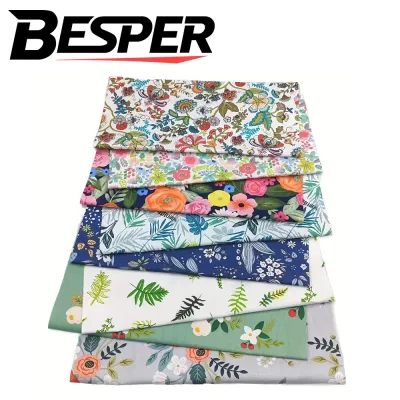
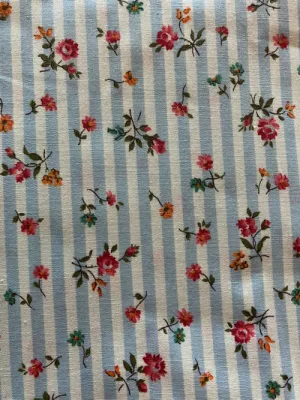
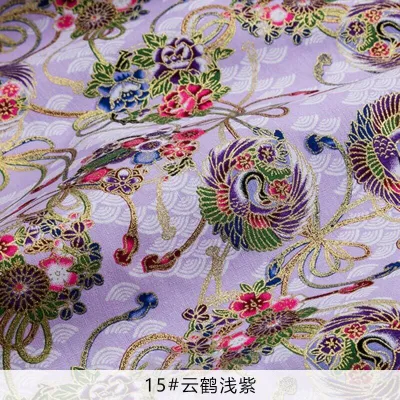
Prices are valid at publication and may change. Please refer to the product page for the latest price.
Fabric weight is another essential property, typically measured in grams per square meter (GSM). Lightweight fabrics, which fall under 130 GSM, are sheer and airy, making them suitable for delicate blouses, sheer curtains, or linings. Medium-weight fabrics, ranging from 130 to 200 GSM, offer excellent versatility for shirts, quilting, and light home decor items. Heavyweight fabrics, exceeding 200 GSM, provide the structural integrity needed for outerwear, upholstery, and heavy utility bags. Always check the product tag or online description for these weight indicators to ensure your sewing machine can handle the thickness.
Matching Fabric Cloth to Garment Styles and Fit
To achieve a professional finish in garment sewing, you must match the fabric’s drape and fluidity to the design of the clothing pattern. Drape refers to how a fabric hangs and falls over a form. For flowing garments like maxi dresses or gathered skirts, look for fabrics with high drape, such as rayon, silk, or lightweight knits, which cling gently and move fluidly. For structured garments like tailored trousers, blazers, or structured A-line skirts, choose fabrics with low drape and high crispness, such as cotton canvas, denim, or heavy linen, which hold their shape independently of the body.

Evaluating stretch recovery and grainline stability is vital for fitted or active apparel. Fitted garments require fabrics with excellent stretch recovery—the ability of the fabric to return to its original shape after being pulled. When selecting knits for fitted apparel, check the stretch percentage and recovery by pulling a sample section. If the fabric remains stretched out or sags after release, the garment will likely lose its shape quickly during wear. Additionally, ensure the grainline is stable and straight before cutting your pattern pieces to prevent the finished garment from twisting or warping after assembly.
Garments undergo frequent laundering, making care instructions and shrinkage prevention a primary consideration. Natural fibers are highly susceptible to shrinkage during their first wash. To prevent your finished garment from shrinking out of fit, always pre-wash and dry your fabric cloth using the same temperature and cycle settings you plan to use for the completed clothing. Check the manufacturer’s care label for specific washing, drying, and ironing recommendations before cutting your pattern pieces. This step also removes any chemical sizing or excess dyes left over from the manufacturing process.
Selecting Durable Fabric Cloth for Home Decor
Home decor items like sofa covers, dining chair cushions, and throw pillows face daily friction and wear, requiring highly durable materials. For these high-use applications, prioritize heavy-duty woven fabrics such as canvas, duck cloth, or specialized upholstery blends. You can verify durability by checking the fabric’s weave density; a tighter, thicker weave resists snagging, pilling, and tearing far better than loose weaves. Additionally, ensure your sewing machine is equipped with a heavy-duty needle, such as a size 90/14 or 100/16, to penetrate these thick layers without bending or breaking.
Window treatments like curtains and drapes are constantly exposed to direct sunlight, which can degrade fibers and fade colors over time. When selecting fabric for window treatments, look for materials with high lightfastness ratings or plan to line your curtains with a dedicated drapery lining fabric. Lining not only protects the main decorative fabric from sun damage but also adds weight, improving the overall drape and insulation properties of the window treatment. Avoid using delicate silks or unlined lightweight synthetics for south-facing windows, as they can degrade rapidly under intense UV exposure.
Practical maintenance should always balance your aesthetic preferences with your household’s lifestyle. For homes with pets or young children, choose fabrics with smooth textures that do not easily trap pet hair or snag on claws, such as flat-woven cotton or tightly woven microfibers. Synthetic blends often offer better stain release and can be spot-cleaned or machine-washed more easily than delicate natural fibers like silk or pure linen. Always test a small scrap of your chosen fabric with your preferred cleaning solution to check for colorfastness and texture changes before applying it to the finished decor item.
Choosing Stable Fabric Cloth for Quilting Projects
Quilting relies on precise piecing and sharp seam alignments, making fabric stability a top priority. To achieve clean corners and flat blocks, prioritize tightly woven, medium-weight cotton fabrics, commonly referred to as quilting cotton. This material holds its shape exceptionally well under the sewing machine foot, resists stretching out of shape along bias cuts, and presses into crisp, flat seams that make matching points much easier. Using a consistent fabric type throughout your quilt top ensures that all sections shrink and wear at the same rate over time.
Quilts often combine highly contrasting colors, such as deep reds next to bright whites, making color bleeding a significant risk during laundering. To prevent dark dyes from bleeding into lighter sections, perform a simple colorfastness test before sewing. Wet a small scrap of the dark fabric and press it against a white paper towel with a warm iron; if dye transfers to the towel, pre-wash the fabric with a color-catching sheet or a dedicated dye-fixative wash. This step ensures your hard work is not ruined during the first wash of the completed quilt.
While it can be tempting to incorporate unique textures into a quilt, avoid using overly slippery fabrics, thick fabrics, or stretchy knits in standard patchwork. Materials like satin, corduroy, or polyester knits stretch unevenly, slip out of alignment during piecing, and create bulky seams that are difficult to quilt through. Stick to consistent weights and weaves across all pieces in a single quilt top to ensure even tension and a flat finish. If you must use a stretchy or slippery fabric, apply a lightweight fusible stabilizer to the back of the pieces to mimic the stability of quilting cotton.
Managing Cross-Scenario Fabric Compatibility
Some medium-weight woven fabrics, such as linen, cotton chambray, and lightweight canvas, bridge the gap between different sewing categories. A sturdy linen can work beautifully for a structured summer jacket, a set of durable dinner napkins, or a rustic throw pillow cover. Keeping a stock of these versatile fabrics allows you to pivot between projects without needing highly specialized materials. When using a single fabric type across different scenarios, adjust your sewing machine settings, needle size, and thread type to match the specific application.
Be cautious when substituting fabrics across categories, as structural trade-offs can compromise the longevity of your project. Using a lightweight apparel fabric like rayon voile for a heavy-duty seat cushion will result in rapid wear, seam slippage, and premature tearing under tension. Conversely, using stiff upholstery canvas for a flowing blouse will create an uncomfortable, rigid garment that does not move naturally with the body. Always evaluate whether the fabric’s weight, weave, and fiber content match the physical demands and movement of the final object.
Sewing projects inevitably generate leftover scraps, which can be maximized for future multi-use projects with proper organization. Organize your remnants by fabric weight and fiber type rather than just color. Labeling your storage bins—such as “quilting cotton scraps,” “apparel knits,” or “heavy canvas remnants”—makes it easy to find compatible pieces for future projects like scrap quilts, small zipper pouches, or decorative applique work. This practice ensures that you do not accidentally mix incompatible weights or fiber types in a single scrap project, which could cause uneven shrinkage or distortion.
Frequently Asked Questions (FAQ)
Do I need to pre-wash all fabric cloth before sewing?
Pre-washing is highly recommended for any fabric cloth that will be laundered regularly after assembly, particularly natural fibers like cotton, linen, wool, and rayon, which are prone to shrinkage. Pre-washing also removes manufacturing residues, excess dyes, and sizing starches, ensuring the fabric behaves predictably during cutting and sewing. However, you should avoid pre-washing fabrics designated for dry-clean-only care, such as delicate silks, structured wool coatings, or heavy upholstery fabrics with specialized backing materials, as water can distort their texture or ruin their finishes.
How can I test a fabric's stretch and recovery without specialized tools?
You can easily test stretch and recovery using a simple manual check. Fold a section of the fabric along the crosswise grain (the direction of greatest stretch) and hold a 10-centimeter section between your fingers. Gently pull the fabric along a ruler to see how far it comfortably stretches without distorting the weave; for example, if it stretches to 15 centimeters, it has a 50% stretch rate. Release the fabric quickly and observe how it returns to its original 10-centimeter length. If it sags, curls excessively, or fails to snap back completely, the fabric has poor recovery and may warp during sewing or wear.

Community discussion
Share your experience or ask a question. Comments are reviewed before publication.