
Protecting items during transit requires a packaging material that balances cushioning, flexibility, and surface protection. Expanded Polyethylene (EPE) foam wrap has become a staple in modern packaging setups, valued for its lightweight, closed-cell structure that absorbs shocks without adding significant weight to shipping boxes. Whether you are running a boutique online stationery business, shipping delicate handmade crafts, or preparing household goods for a move, selecting the correct variation of this versatile material is essential to ensure your items arrive undamaged.
In busy shipping environments, choosing the wrong packaging material often leads to costly product returns, negative customer reviews, and wasted resources. EPE foam wrap offers a distinct advantage over traditional paper wrapping or standard bubble packaging due to its high resilience and ability to withstand multiple impacts. However, because EPE foam is available in a vast array of thicknesses, densities, and physical formats, finding the exact match for your specific inventory requires a clear understanding of how these specifications translate to real-world protection.
By evaluating the physical properties of your products—such as weight, fragility, and surface sensitivity—you can establish a reliable packaging workflow that minimizes damage rates. This guide breaks down the technical specifications of EPE foam wrap, compares different product formats, and provides a practical decision framework to help you optimize your packaging strategy.
Products mentioned in this guide
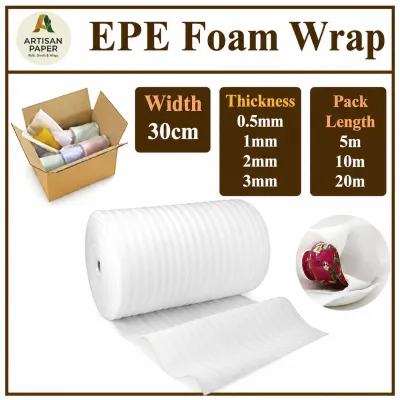
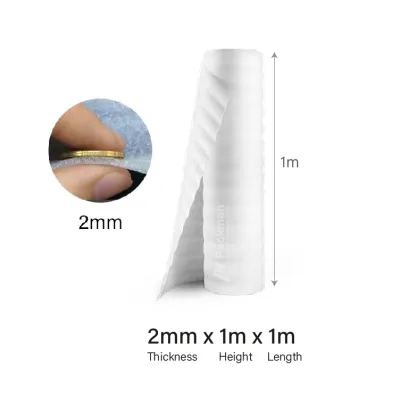
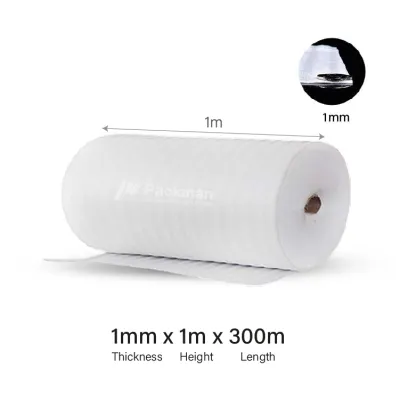
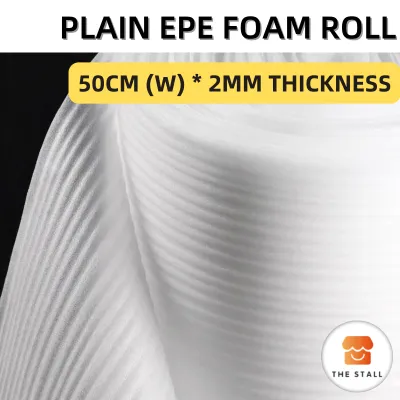
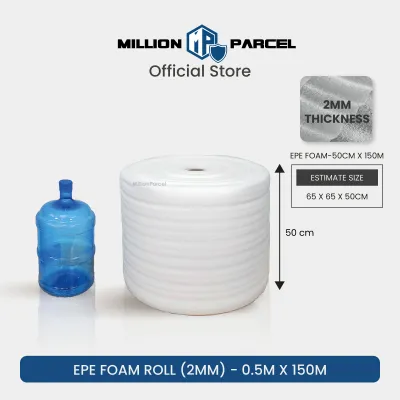
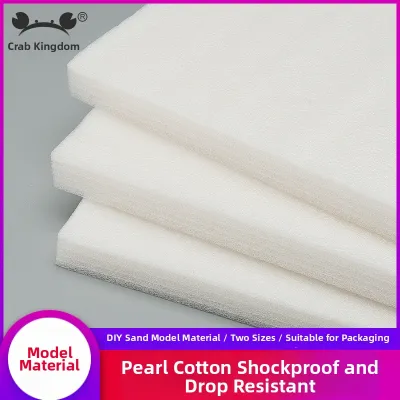
Prices are valid at publication and may change. Please refer to the product page for the latest price.
Decoding EPE Foam Specifications for Better Protection
To make an informed decision, you must first understand the core physical properties of EPE foam wrap. Unlike open-cell foams that absorb liquids and compress easily under minimal pressure, EPE is a closed-cell foam. This means the material consists of countless tiny, sealed air bubbles that provide consistent resistance against compression, excellent water resistance, and reliable thermal insulation.
Thickness is the most visible specification of EPE foam wrap, and it directly dictates the level of shock absorption and void fill. Thinner wraps, typically ranging from 0.5mm to 1.5mm, are designed primarily for surface protection. They act as a barrier against scratches, dust, and minor abrasions during handling, making them ideal for wrapping polished surfaces, glass, or delicate paper goods. Conversely, thicker foam wraps, ranging from 2mm to 5mm or more, are engineered for impact absorption. These thicker profiles cushion items against drops and vibrations, while also serving as an effective void fill to prevent items from shifting inside a larger shipping carton.
Density is another critical factor that determines how the foam behaves under load. Foam density refers to the weight of the material per unit volume, usually measured in kilograms per cubic meter. High-density EPE foam contains more polymer material and less air, giving it superior weight-bearing capacity and compression resistance. When shipping heavy or sharp-edged items, high-density foam is necessary to prevent the object from bottoming out—a scenario where the foam compresses completely under the item’s weight, leaving it vulnerable to direct impacts. Low-density foam, being softer and more flexible, is better suited for lightweight, highly fragile items that require gentle cushioning.
In addition to standard formulations, specialized EPE foam wraps are available for specific applications. The most common variation is anti-static EPE foam, which is typically tinted pink for easy identification. This formulation contains anti-static agents that prevent the buildup of electrostatic charges during handling and transit. If your packaging workflow involves sensitive electronic components, computer peripherals, or high-end stationery items with integrated electronic elements, using anti-static EPE foam is a critical step to prevent electrostatic discharge damage. Standard white or gray EPE foam is perfectly suitable for non-electronic items, offering the same physical protection at a lower cost.
Matching Foam Thickness and Density to Your Items
Selecting the right EPE foam wrap requires a systematic assessment of your items’ physical characteristics. The primary factors to consider are weight, fragility, and the presence of sharp edges or corners. Heavy items exert constant pressure on packaging materials, meaning they require a higher density foam to maintain a protective air barrier. If you wrap a heavy brass desk organizer in low-density foam, the weight of the object will flatten the foam during transit, rendering it ineffective.

Fragility and surface sensitivity also dictate your choice. Highly fragile items, such as hand-blown glass inkwells or delicate ceramic pen holders, benefit from a combination of low-density foam for gentle cushioning and sufficient thickness to absorb sudden shocks. Sharp edges present a unique challenge, as they can easily slice through thin, low-density wraps. For items with sharp corners, such as metal rulers, heavy acrylic storage boxes, or framed artwork, you should opt for a higher density foam or apply reinforced corner protectors before wrapping the entire item.
A common dilemma in packaging design is deciding whether to use multiple layers of thin EPE foam wrap or a single layer of thick foam. Wrapping an item two or three times with a 1mm foam wrap offers excellent flexibility, allowing the material to conform tightly to complex, irregular shapes. This multi-layered approach also creates multiple air barriers, which can enhance overall shock absorption. However, wrapping items multiple times increases packing time and labor costs. For high-volume operations shipping uniform, flat, or rectangular items, using a single sheet of 3mm or 5mm foam is generally more efficient, providing consistent protection with a single application.
Sizing your foam wrap correctly is equally important to avoid wasting material or leaving vulnerable areas exposed. For standard rectangular boxes or books, measure the length, width, and depth of the item, then add enough clearance to allow the foam to fold over the ends securely. For irregular or cylindrical objects, such as rolled posters, drafting tubes, or sculptural desk accessories, flexible and thin wraps are easier to manipulate. Ensure that all protrusions and delicate points receive extra wrapping, and verify that the foam does not slip off the item during handling.
Choosing Between Rolls, Sheets, and Bags for Your Workflow
The physical format of your EPE foam wrap significantly impacts your packing efficiency, storage space requirements, and material waste. EPE foam is widely available in three primary formats: continuous rolls, pre-cut sheets, and pre-formed bags or pouches. Each format serves a distinct operational need, and choosing the right one depends on your shipping volume and product variety.
Continuous rolls are the most versatile option for businesses that handle a wide range of product sizes. Because you can cut the foam to any desired length, rolls allow you to customize the packaging for each individual shipment, minimizing material waste. This format is highly cost-effective for packing stations equipped with roll dispensers and integrated cutting tools. However, storing large rolls requires significant physical space, which can be a constraint in smaller home offices or compact retail stockrooms.
Pre-cut sheets offer a highly efficient alternative for operations that ship uniform, flat items. If your inventory consists primarily of books, leather journals, art prints, or flat-packed stationery kits, pre-cut sheets eliminate the time-consuming step of measuring and cutting foam from a roll. Packers can simply grab a sheet, wrap the item, and secure it, which drastically speeds up the fulfillment process. While pre-cut sheets may carry a slightly higher unit cost than bulk rolls, the savings in labor time and the reduction in human error often justify the investment.
For the ultimate in packing speed and convenience, pre-formed EPE foam bags or pouches are unmatched. These bags allow packers to simply slide an item inside and seal the opening with tape or an integrated adhesive strip. This format is ideal for small, high-value components, delicate fountain pens, or individual craft items that require immediate, secure enclosure. EPE bags provide consistent, 360-degree protection without the risk of the wrap unraveling during transit. They are particularly useful for protecting delicate items from dust and moisture during storage before they are placed into shipping boxes.
Building a Conditional Shortlist for Common Shipping Scenarios
To simplify your purchasing decision, it is helpful to categorize your shipping needs into common scenarios and match them with specific EPE foam configurations. This structured approach ensures you do not over-specify (which increases shipping costs) or under-specify (which increases damage rates).
For lightweight stationery, documents, and flat media—such as notebooks, sticker sheets, greeting cards, and art prints—the primary goal is to prevent surface scuffs, minor bending, and moisture contact. A thin standard EPE foam wrap, ideally between 0.5mm and 1mm in thickness, is perfectly suited for this task. Because these items are light, high-density foam is unnecessary. A thin layer of foam protects the delicate paper edges and covers from rubbing against the cardboard shipping envelope, ensuring they arrive in pristine condition.
For medium-weight retail products, handmade crafts, and boxed gifts—such as ceramic mugs, glass inkwells, wooden desk organizers, and candle sets—the packaging must withstand standard transit drops and vibrations. For these items, look for EPE foam wrap with a thickness of 2mm to 3mm. This thickness provides a reliable cushion that absorbs the energy of a drop from a sorting conveyor or delivery vehicle. Ensure the foam wraps completely around the item, paying special attention to handles, spouts, or delicate corners that are highly susceptible to breakage.
For heavy or highly fragile equipment—such as mechanical keyboards, desktop laminators, heavy-duty paper cutters, or high-end electronic devices—you must prioritize high-density, thick-profile protection. These items require EPE foam with a thickness of 5mm or greater, or the use of structured EPE foam corner blocks. The high-density formulation prevents the heavy item from compressing the foam completely during a severe impact. Additionally, ensure that any sensitive electronic interfaces or screens are protected with anti-static formulations to guard against electrostatic damage during handling.
Maximizing Protection With Proper Wrapping and Storage Techniques
Choosing the right EPE foam wrap is only half the battle; you must also apply and store the material correctly to maintain its protective qualities. When wrapping an item, aim for a snug fit that holds the foam securely against the product’s surface. Avoid pulling the foam too tightly, as excessive tension pre-compresses the closed-cell structure, reducing its ability to absorb shocks. Secure the seams and ends with high-quality packaging tape to prevent the wrap from shifting or sliding off during transit.
Selecting a compatible packaging tape is crucial for maintaining the integrity of your packaging. Standard acrylic or hot-melt adhesive packaging tapes generally adhere well to the polyethylene surface of EPE foam. However, you should verify that the tape does not easily peel off under humid conditions, which are common in tropical climates. If you intend to reuse the foam wrap for future shipments, look for low-tack tapes or use rubber bands and stretch wrap to secure the foam without tearing the surface when unpacked. Avoid using heavy-duty duct tapes directly on the foam, as the aggressive adhesive can tear the material upon removal.
Proper storage of your EPE foam inventory before use is essential to prevent material degradation. Although EPE is highly resistant to moisture and chemicals, prolonged exposure to direct sunlight and UV radiation can break down the polymer structure, making the foam brittle and prone to crumbling. Store your rolls, sheets, or bags in a cool, dry indoor environment, away from windows and heat sources. Keep the material covered or in its original packaging to prevent dust and dirt from accumulating on the surface, which could scratch delicate items during the wrapping process.
Frequently Asked Questions (FAQ)
Is EPE foam wrap recyclable in standard curbside bins?
Expanded Polyethylene (EPE) is classified under plastic resin identification code #4 (Low-Density Polyethylene, or LDPE). While LDPE is technically recyclable, most municipal curbside recycling programs do not accept soft, expanded foam plastics in standard household bins. This is because the lightweight, bulky nature of foam can clog sorting machinery at standard recycling facilities. To recycle EPE foam wrap responsibly, you should check with your local waste management authority or look for specialized plastic drop-off locations, such as retail collection bins or dedicated recycling centers that accept flexible plastic packaging. Ensure the foam is clean, dry, and free of adhesive tape before recycling.
Can EPE foam wrap be reused for multiple shipments?
Yes, one of the primary environmental and economic benefits of EPE foam wrap is its high durability and potential for reuse. Unlike bubble wrap, which can pop and lose its protective air pockets under pressure, EPE foam’s closed-cell structure recovers its shape after compression. Before reusing a piece of foam wrap, perform a quick visual and physical inspection. Check for permanent compression (where the foam remains flat and has lost its springiness), deep tears, or punctures that compromise its coverage. If the foam is clean, dry, and retains its original thickness and elasticity, it can be safely reused for multiple shipments, helping to reduce packaging costs and minimize waste.

Community discussion
Share your experience or ask a question. Comments are reviewed before publication.