
Choosing the right drawstring threader depends on the thickness of your drawstring, the width of your fabric casing, and the delicacy of your fabric. For flat elastic and wide ribbons, a flat metal bodkin with a secure locking ring prevents twisting and slipping. For thick cords or ropes, a tubular bodkin or a flexible wire loop threader provides the necessary clearance and grip. If you are working with delicate fabrics or narrow channels, a smooth, ball-point threader or a flexible plastic threader ensures you can navigate tight spaces without snagging the fibers. Investing in a dedicated threader rather than relying on improvised household items saves time, protects your fabric, and ensures a professional finish on garments, bags, and home textiles.
Understanding the physical characteristics of these tools allows you to select the most efficient option for your sewing kit. Whether you are inserting elastic into a waistband, replacing a lost hoodie cord, or threading decorative ribbon through an intricate casing, matching the tool to the task prevents frustration and fabric damage.
The Main Types of Drawstring Threaders Explained
Drawstring threaders, often categorized under general haberdashery tools, come in several distinct designs. Each style utilizes a different mechanical method to hold the drawstring material and guide it through a fabric channel. Understanding these designs helps you choose the right tool for your specific sewing projects.
Products mentioned in this guide
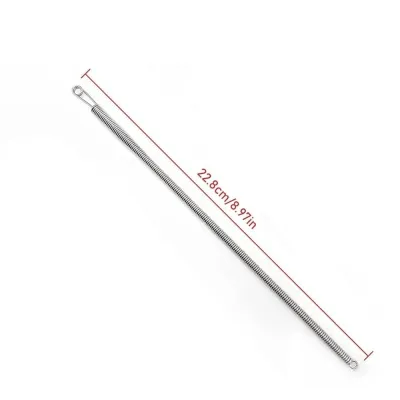
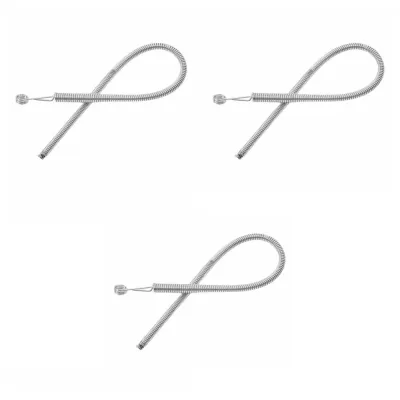
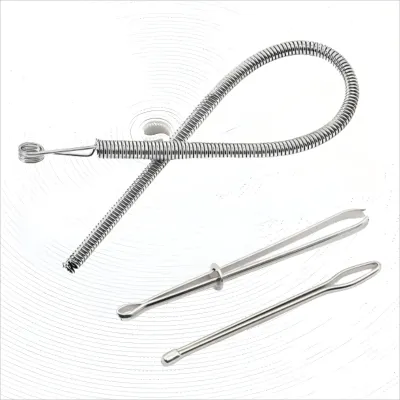
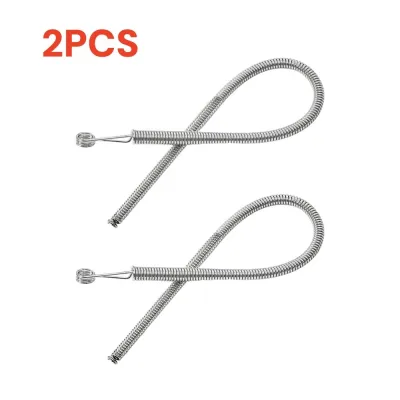
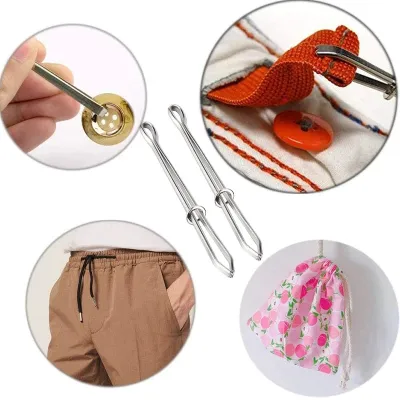
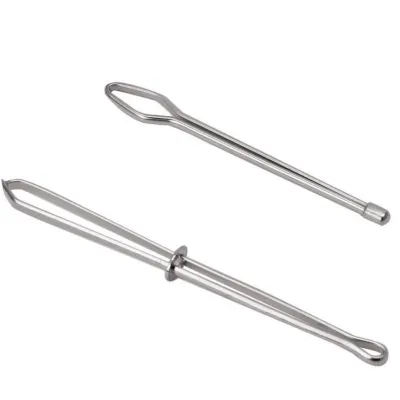
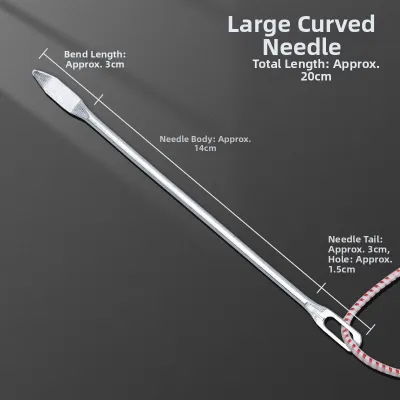
Prices are valid at publication and may change. Please refer to the product page for the latest price.
Bodkins
Bodkins are the most traditional and widely used type of drawstring threader. They generally fall into two categories: clamp-style and eye-style.
Clamp-style bodkins resemble a pair of long, blunt tweezers with a sliding ring or collar. To use this tool, you insert the end of your elastic or cord between the textured teeth of the clamp and slide the ring down toward the tip to lock the jaws shut. This design provides an exceptionally tight grip, making it ideal for flat elastic that might otherwise slip out of a standard loop.
Eye-style bodkins look like oversized, blunt needles. They are typically made of flat metal or plastic and feature one or more large openings (eyes) at the trailing end. You thread your cord or ribbon through these eyes, sometimes looping it back on itself to secure it. The blunt, rounded tip of the bodkin prevents the tool from piercing the fabric casing as you push it through.
Wire Loop Threaders
Wire loop threaders consist of a long, flexible wire shaft with a loop at one end and a handle or grip at the other. Some variations feature a small latch-hook mechanism near the loop, similar to a knitting latch hook.
The primary advantage of a wire loop threader is its extreme flexibility. The thin wire can easily bend and conform to curved casings, such as those found on circular waistbands or contoured bags. To use it, you push the empty wire through the casing first, hook the drawstring material into the loop at the far end, and then pull the tool backward to draw the cord through the channel.
Safety-Pin Style and Ball-Point Threaders
Safety-pin style threaders are dedicated, elongated metal pins designed specifically for threading. Unlike standard household safety pins, these tools are much longer and flatter, providing better leverage and preventing the tool from twisting sideways inside the casing. They feature a secure, locking clasp that ensures the pin cannot accidentally pop open mid-way through your project.
Ball-Point threaders feature a prominent, rounded ball or bulbous tip made of smooth plastic or polished metal. The shaft is often flexible, allowing it to navigate tight corners. The oversized ball-point tip is specifically engineered to glide over internal seam allowances and rough fabric edges inside the casing, preventing the tool from getting stuck or catching on loose threads.
How to Match the Threader to Your Drawstring Material
Selecting a threader is not just about the size of the casing; it is also about how the tool interacts with your drawstring material. Different materials require different gripping methods to ensure they do not slip, twist, or fray during the threading process.

Threading Elastic
Flat elastic requires a tool that can maintain even tension across its width. If elastic twists or rolls inside a waistband casing, it becomes uncomfortable to wear and causes the fabric to bunch unevenly.
To prevent this, use a flat metal clamp-style bodkin or a flat safety-pin style threader. The flat profile of these tools keeps the elastic oriented correctly as it travels through the channel. The teeth of a clamp-style bodkin bite into the elastic fibers, ensuring that even high-tension pulling will not cause the elastic to slip out of the tool’s grasp.
Thick Cords and Ropes
Heavy-duty drawstrings, such as those used in hoodies, sweatpants, or canvas duffel bags, present a different challenge. These cords are often thick, bulky, and prone to fraying at the ends.
For these materials, a tubular bodkin or a wide-eye metal bodkin is highly effective. A tubular bodkin allows you to insert the end of the cord into a hollow tube, securing it with a small screw or clamp. This keeps the bulky end of the cord streamlined, reducing resistance as it passes through the casing. Alternatively, a heavy-duty wire loop threader can accommodate thick cords without requiring you to tie a bulky knot that might get stuck in the channel.
Delicate Ribbons and Bias Tape
Satin ribbons, silk cords, and handmade bias tape are delicate and easily damaged by sharp teeth or rough metal edges. If you use a clamp-style bodkin on these materials, the teeth can snag the delicate weave, leaving permanent marks or runs.
When working with delicate materials, opt for a smooth, closed-loop plastic threader or a highly polished, flat eye-style bodkin. Thread the ribbon gently through the eye without folding it excessively. The smooth surface of the tool ensures that the ribbon glides through the casing without friction, preserving its sheen and structural integrity.
Selecting a Threader Based on Fabric and Casing Size
The relationship between your threader, the fabric casing, and the garment fabric itself determines how smoothly your project will progress. A tool that is too large or too sharp can cause significant damage to your work.
Narrow vs. Wide Casings
Before choosing a threader, measure the internal width of your fabric casing. The threader must be narrow enough to slide through the channel easily, with extra clearance to accommodate the thickness of the drawstring material itself.
For narrow casings, such as those on delicate waistbands, baby clothes, or small jewelry pouches, a thin, flexible plastic threader or a fine wire loop is essential. If you attempt to use a wide metal bodkin in a narrow casing, the tool will bunch the fabric too tightly, making it nearly impossible to slide forward. For wide casings, a sturdier, flat metal bodkin provides the necessary leverage and speed to complete the task quickly.
High-Friction Fabrics
Fabrics with a textured or napped surface, such as fleece, terry cloth, flannel, and heavy wool, create substantial friction against any tool passing through them. This resistance can make threading a slow and tiring process.
For high-friction fabrics, a ball-point bodkin or a highly polished plastic threader is the best choice. The rounded, slippery surface of the ball tip pushes the fabric fibers aside rather than catching on them, allowing the tool to glide smoothly through the channel. Avoid wire loop threaders in these fabrics, as the textured fibers can easily catch in the wire loop or latch mechanism.
Delicate or Sheer Fabrics
When working with lightweight or sheer fabrics like chiffon, organza, lightweight linen, or fine knits, the risk of ruining the garment is high. Any rough spot on a metal tool or a sharp edge on a plastic mold can pull a thread, creating a visible run across the fabric.
Inspect your threader carefully before using it on delicate fabrics. Run your fingers along the edges to check for any manufacturing burrs or sharp corners. Choose a seamless, high-quality plastic threader or a premium polished metal bodkin with completely rounded edges. Avoid wire loops with exposed solder joints or rough latch mechanisms that could snag the fine fibers.
Evaluating Build Quality and Clasp Security
A high-quality drawstring threader should be a durable addition to your sewing kit. Evaluating the materials, construction, and ergonomics of the tool before purchasing ensures long-term usability.
Metal vs. Plastic Bodkins
Both metal and plastic threaders have distinct advantages depending on your project requirements:
- Metal Bodkins: Typically made of steel, brass, or aluminum, metal tools offer exceptional durability. They do not bend permanently under pressure and provide excellent leverage when pushing through heavy, dense fabrics. However, they are rigid, which can make navigating tight, circular casings more difficult.
- Plastic Threaders: These tools offer superior flexibility, allowing them to bend easily around curves and circular waistbands. They are also lightweight and gentle on delicate fabrics. However, low-grade plastic can become brittle over time, potentially snapping or developing sharp, jagged edges that can snag fabric.
Clasp Security
One of the most common frustrations when threading a drawstring is having the material slip out of the tool halfway through the casing. To prevent this, closely examine the locking mechanism of the threader.
For clamp-style bodkins, ensure the sliding ring fits tightly against the prongs. A loose ring will slide backward under tension, releasing the drawstring inside the casing. For eye-style threaders, the edges of the eye should be completely smooth so they do not cut or fray the cord under tension. If you choose a wire loop threader with a latch, verify that the latch closes flush against the wire without leaving a gap where the cord could escape.
Ergonomics and Grip
Threading a long casing requires repetitive pinching and pushing motions, which can cause hand fatigue during extended sewing sessions. Look for threaders that feature textured grip areas, wider handles, or ergonomic finger loops. A tool that is comfortable to hold allows you to apply steady, controlled pressure, making the threading process much more efficient and comfortable.
Quick Selection Guide for Common Sewing Projects
To help you quickly match your project with the most suitable threader, refer to the comparison table below. This guide pairs typical sewing projects with their recommended threader styles based on standard casing widths and drawstring materials.
| Project Type | Typical Casing Width | Recommended Drawstring | Best Threader Style |
|---|---|---|---|
| Hoodies & Sweatpants | 15 mm – 25 mm | Thick braided cord / flat cotton tape | Tubular bodkin or clamp-style metal bodkin |
| Tote Bags & Pouches | 10 mm – 20 mm | Nylon cord / cotton rope | Flexible wire loop threader or flat eye bodkin |
| Lightweight Jackets | 8 mm – 15 mm | Thin elastic cord / shock cord | Ball-point threader or fine wire loop |
| Children's Wear | 6 mm – 12 mm | Narrow flat elastic | Flat plastic threader or safety-pin style threader |
| Delicate Blouses | 5 mm – 10 mm | Silk ribbon / fine bias tape | Smooth, closed-loop plastic threader |
Key Physical Checks to Perform Before Buying
Before purchasing a drawstring threader, perform these three quick checks to ensure the tool is compatible with your sewing setup:
- Measure Your Casings: Check the internal width of the casings on your typical projects. Ensure the threader you select is at least 3 mm to 4 mm narrower than the casing opening to allow room for the tool and the drawstring material to pass through together.
- Inspect the Surface Finish: Run your fingers along the entire length of the tool. If you feel any sharp edges, rough plastic molding seams, or metal burrs, choose a different tool to avoid damaging your fabrics.
- Test the Clasp Tension: If buying a clamp-style bodkin, slide the ring to the locked position and pull on the prongs. The ring should remain firmly in place without sliding back easily.
Frequently Asked Questions (FAQ)
Can I use a safety pin instead of a dedicated drawstring threader?
While a standard safety pin is a common household substitute, it carries significant risks. The pin can easily pop open inside the casing, causing the sharp point to pierce the fabric or get stuck in the internal seam allowance. Additionally, safety pins do not hold flat elastic flat, often leading to twisted waistbands that are difficult to correct. Dedicated drawstring threaders are designed with blunt tips and secure locking mechanisms, making the process faster, safer, and much more reliable.
How do I prevent the drawstring from slipping out of the threader?
To prevent slipping, choose a threader with a mechanical lock, such as a sliding ring on a clamp-style bodkin. If you are using an eye-style bodkin, thread the cord through the eye and tie a small, tight knot at the short end to anchor it. For slippery synthetic ribbons or cords, you can wrap a small piece of low-tack painter’s tape around the connection point where the material meets the tool, ensuring it remains slim enough to pass through the casing without catching.
What should I do if the threader gets stuck inside the casing?
If your threader gets stuck, do not pull hard, as this can rip the fabric or break the tool. Gently work the threader backward a few centimeters to release any bunched fabric. Feel the casing from the outside to locate the obstruction—it is usually an internal seam allowance or a raw edge catching the tip. Use your fingers to guide the tip of the threader over the seam allowance, keeping it flat against the outer layer of fabric, then resume pushing it forward slowly.

Community discussion
Share your experience or ask a question. Comments are reviewed before publication.