
Selecting the right DIY fabric depends entirely on your project’s intended use, required drape, durability needs, and your sewing experience level. There is no single universal fabric that excels at every task; instead, matching the physical properties of a textile to the functional demands of your creation ensures a successful and long-lasting result. For instance, a beginner crafting a simple tote bag requires a stable, easy-to-handle material, while someone sewing apparel for a warm, humid climate must prioritize breathability and moisture management.
By understanding how different fibers behave under a sewing machine and in daily use, you can avoid common pitfalls like puckered seams, distorted shapes, or excessive shrinkage. This guide provides a practical framework to help you evaluate fabric properties, select the best materials for your specific projects, and prepare your textiles for flawless construction.
Understanding Key Fabric Properties for DIY Projects
Before purchasing any material, it is essential to understand how fabric structure affects its behavior. Fabrics are generally categorized as either woven or knit. Woven fabrics are constructed by interlacing vertical warp threads and horizontal weft threads at right angles, resulting in a stable structure with minimal stretch unless elastic fibers are blended in. Knit fabrics, on the other hand, are made from continuous interlocking loops of yarn, which naturally provide stretch and recovery, making them comfortable but more challenging to sew without stretching the seams.
Products mentioned in this guide
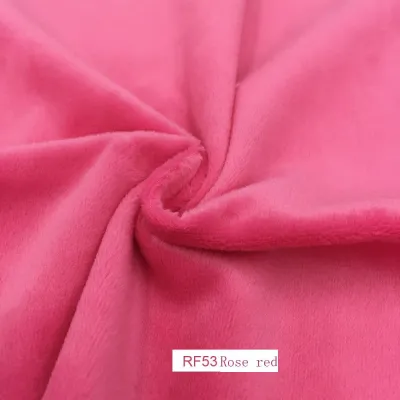
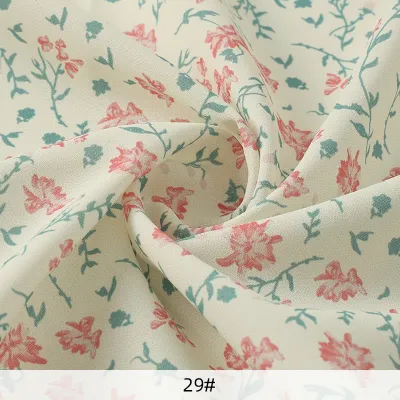
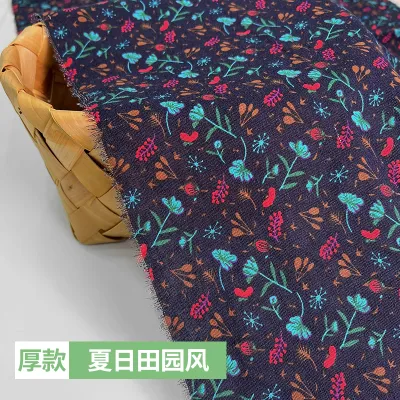
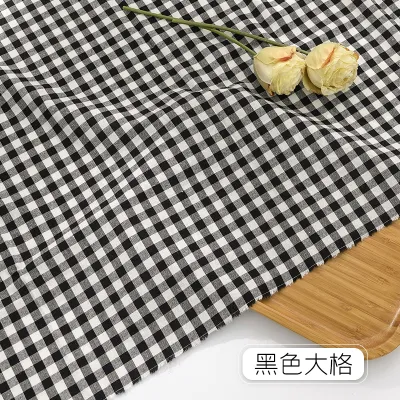
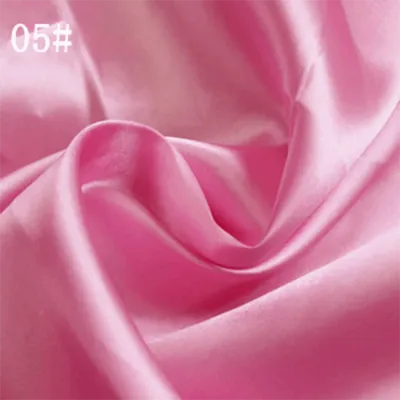
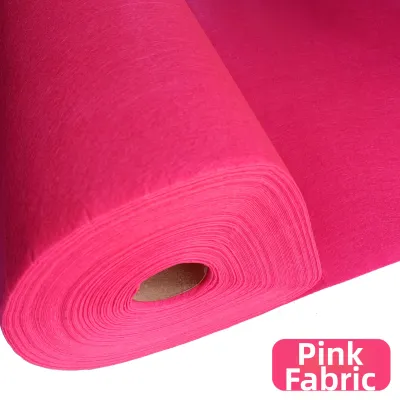
Prices are valid at publication and may change. Please refer to the product page for the latest price.
Fabric weight is another critical factor that dictates drape and structural support. Lightweight fabrics, such as voile or lawn, flow easily and are ideal for gathered details but offer little structural integrity. Medium-weight fabrics, including quilting cotton and linen, offer a balance of pliability and body, making them highly versatile for both apparel and light home decor. Heavyweight fabrics, like canvas and denim, provide excellent structural hold and resistance to wear, which is necessary for bags and upholstery.
For wearable items, breathability and moisture management are paramount, particularly in warm climates. Natural fibers allow air to circulate freely and absorb moisture from the skin, enhancing comfort. Synthetic fibers can trap heat unless they are specifically engineered with open weaves or moisture-wicking finishes, which is an important consideration for everyday garments.
Choosing Natural Fabrics for Apparel and Home Decor
Natural fabrics derived from plant or animal fibers offer distinct tactile qualities and environmental comfort. Cotton is the most popular choice for DIY sewing, especially for those new to the craft. Its stable structure prevents slipping under the sewing machine presser foot, allowing for precise stitching and easy pressing. However, cotton fibers naturally absorb water and are prone to significant shrinkage during their first wash, which must be accounted for before cutting your pattern pieces.

Linen is highly valued for its exceptional breathability, cooling properties, and elegant, textured drape. It is a classic choice for warm-weather clothing and relaxed home furnishings. Despite its comfort, linen wrinkles easily and has a relatively loose weave that frays rapidly at raw edges. To prevent seams from unraveling, you must finish the edges using techniques such as overlocking, zigzag stitching, or French seams.
When matching natural fabrics to projects, consider their physical limits. Quilting cotton is excellent for structured items like reusable grocery bags, aprons, and patchwork quilts, but it may feel too stiff for fluid garments. Linen and lightweight cotton lawn are ideal for summer blouses, casual trousers, and breathable cushion covers that require a soft, inviting texture.
Selecting Synthetic and Blended Fabrics for Durability
Synthetic fabrics are engineered to provide specific performance characteristics that natural fibers often lack. Polyester is highly durable, resistant to wrinkling, and retains its shape exceptionally well even after frequent laundering. It is less absorbent than cotton, which makes it resistant to water-based stains but also means it can feel warm if worn in humid conditions without adequate ventilation.
Blended fabrics combine the best attributes of different fibers to create a more balanced material. A cotton-polyester blend, for example, offers the soft breathability of cotton alongside the wrinkle resistance and strength of polyester, making it an excellent choice for everyday school uniforms or high-use home textiles. Adding a small percentage of elastane or spandex to either woven or knit fabrics introduces stretch and shape retention, which is essential for form-fitting garments.
These resilient materials are best suited for projects that undergo significant physical stress. Activewear, outdoor gear, balcony cushion covers, and heavy-duty travel accessories benefit from the strength and quick-drying properties of synthetic blends. When sewing these materials, using the correct synthetic thread ensures the seams can withstand the same tension and wear as the fabric.
How to Match Fabric to Your Specific DIY Project
To achieve a professional finish, you must align your fabric selection with the specific functional demands of the finished item. For wearable garments, prioritize skin comfort and drape. A pattern designed for a flowing dress requires a fabric that drapes softly, such as rayon or lightweight linen, whereas a structured jacket requires a fabric with body, like denim or wool. Always check the pattern instructions for recommended fabric weights to ensure the garment hangs correctly.
For home decor projects, the selection criteria shift toward durability and light interaction. Curtains require fabrics that drape well and offer the desired level of light filtration, ranging from sheer polyesters to heavy, light-blocking cotton canvas. Upholstery projects demand heavy-duty fabrics with high abrasion resistance to withstand daily seating wear. Table linens and cushion covers should be made from easily washable materials that can tolerate frequent stain-removal treatments.
Accessories and bags require structural integrity and wear resistance. Heavy canvas, duck cloth, and denim are excellent choices because they can support weight without tearing. These projects often require the addition of fusible interfacing, which is ironed onto the wrong side of the fabric to add stiffness and support to areas like bag bottoms, straps, and closures.
Essential Checks Before Buying and Cutting DIY Fabric
Before you make your first cut, performing a few quality checks can save hours of frustration. Inspect the fabric’s grainline and selvedge. The warp and weft threads should run perfectly perpendicular to each other; if the fabric has been printed or finished off-grain, the finished item may twist, warp, or drape unevenly after it is washed. If the grain is distorted, you can sometimes gently pull the fabric on the bias to realign the threads.
Pre-washing and drying your fabric is a non-negotiable step for most projects. Wash the fabric using the same water temperature and drying cycle you plan to use for the finished item. This process pre-shrinks the material and washes away manufacturing starches, chemical finishes, and excess dyes that could otherwise cause color bleeding or alter the fabric’s drape after the project is completed.
Finally, always perform a stitch test on a scrap piece of your fabric before starting on your main project. Use the test to verify that your sewing machine needle size, thread tension, and stitch length are appropriate for the fabric’s weight and structure. For example, a fine universal needle is suitable for lightweight cotton, while a heavy jeans needle is required to pierce multiple layers of canvas without skipping stitches or bending.
Frequently Asked Questions (FAQ)
What is the easiest DIY fabric for beginners to sew?
Quilting cotton is widely considered the easiest fabric for beginners because of its stability and ease of handling. It does not slip or stretch out of shape while you are cutting or sewing, and it holds creases exceptionally well when pressed with an iron. Beginners should avoid slippery fabrics like silk, sheer materials like chiffon, and highly stretchy knits until they have mastered basic machine control and seam consistency.
Do I need to pre-wash all DIY fabrics before sewing?
Yes, you should pre-wash any fabric made from natural fibers, such as cotton, linen, bamboo, or rayon, to prevent the finished item from shrinking and becoming unusable after its first wash. You can skip pre-washing for dry-clean-only materials, specialized heavy upholstery fabrics, or decorative items that will never be laundered. If you choose not to pre-wash, ensure the finished item is only spot-cleaned or dry-cleaned.

Community discussion
Share your experience or ask a question. Comments are reviewed before publication.