
Choosing the right detachable zipper puller requires matching the connector style to your slider’s existing loop, verifying the physical size compatibility, and selecting a material that suits the item’s environment. Whether you are repairing a favorite jacket, upgrading a heavy backpack, or replacing a broken tab on a piece of luggage, a detachable puller offers a tool-free or low-effort solution that bypasses the need to replace the entire zipper assembly. By understanding the mechanical differences between clip-on, split-ring, and lobster-claw connectors, you can restore full functionality to your gear in minutes.
Quick Diagnosis: Identifying Your Zipper Size and Puller Needs
Before purchasing a replacement, you must determine whether your zipper requires a completely new slider body or simply a new pull tab. If the slider body—the metal block that slides up and down to join the teeth—is cracked, bent, or missing entirely, a simple detachable puller will not solve the problem. In such cases, the entire slider must be replaced. However, if the slider body remains intact and functional on the track but is merely missing its pull tab, a detachable zipper puller is the ideal, non-invasive remedy.
To find a compatible puller, you must first identify the style and size of your zipper. Look closely at the back or bottom of the existing slider body, where manufacturers typically stamp a size number. This number, such as 3, 5, 8, or 10, corresponds to the width of the zipper teeth in millimeters when closed. A standard #5 zipper, commonly found on casual jackets and daypacks, requires a puller with a connector thin enough to pass through the slider’s crown loop but sturdy enough to handle daily tension.
Products mentioned in this guide
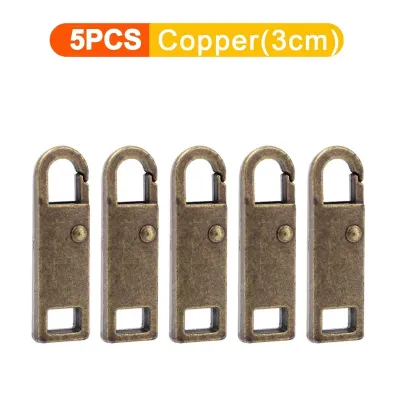
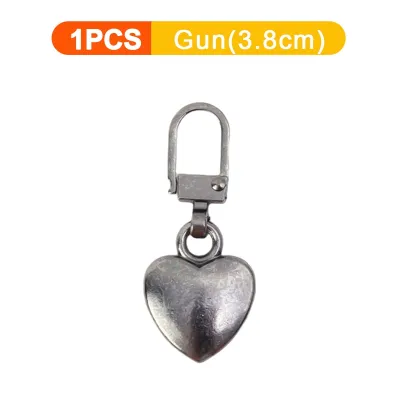
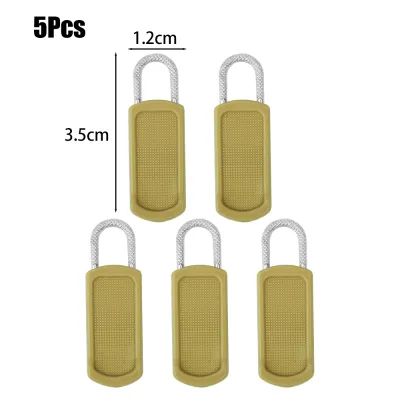
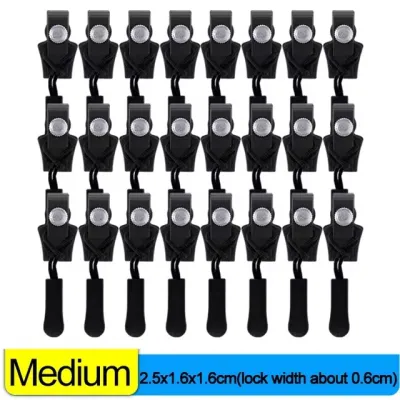
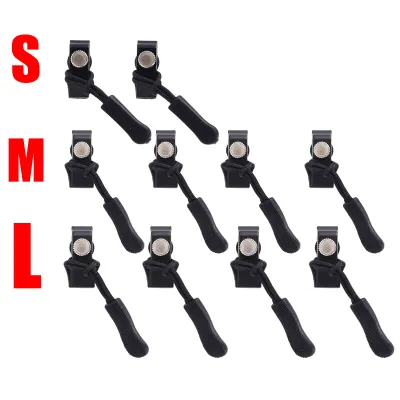
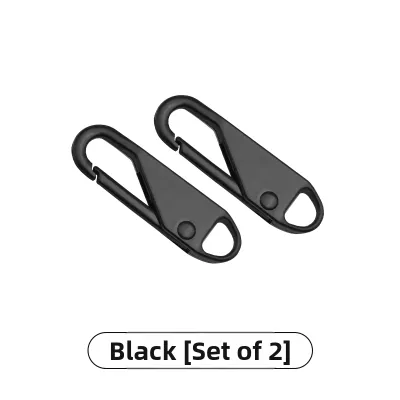
Prices are valid at publication and may change. Please refer to the product page for the latest price.
In addition to the size number, observe the physical structure of the zipper teeth. Coil zippers feature continuous plastic loops and are highly flexible, whereas tooth zippers consist of individual metal or molded plastic teeth clamped onto the tape. Invisible zippers have their teeth hidden on the reverse side, presenting a flat seam on the exterior. Each of these styles uses a slider body with a different crown clearance—the small metal bridge on top of the slider where the pull tab attaches. You must ensure that the loop or crown has sufficient open space to accommodate the thickness of your chosen detachable connector without binding or jamming.
Attachment Mechanisms: Choosing the Right Connector Style
The connector style of a detachable zipper puller determines how easily it installs, how securely it remains attached, and how it behaves under physical load. Selecting the wrong mechanism can lead to accidental detachment, fabric snagging, or premature wear on the slider crown.

Clip-On and Snap-Hook Styles
Clip-on pullers feature a small, spring-loaded gate that snaps shut once pushed through the slider crown. These are highly favored for quick, tool-free swaps on heavy-duty bags, duffels, and outerwear. When evaluating these connectors, inspect the tension of the internal spring and the clearance of the gate. A weak spring can allow the gate to push open under diagonal pressure, causing the puller to fall off during transit. Ensure the hook’s wire diameter is thin enough to pass through the slider crown while leaving enough clearance for the gate to close completely and lock into position.
Split Rings and Keyring Styles
Split rings operate on the same principle as standard keychains, utilizing coiled wire that wraps around itself to secure the connection. This style is exceptionally secure and virtually immune to accidental opening, making it an excellent choice for everyday jackets, hoodies, and lightweight bags. However, you must verify the wire gauge of the split ring before installation. A ring that is too thick will wedge itself inside the slider crown, preventing the puller from hanging naturally. Additionally, ensure the cut ends of the wire are smooth and tightly coiled to prevent them from catching on delicate garment fabrics or knit wools.
Lobster Claw and Swivel Snaps
Lobster claw connectors utilize a tiny pivoting lever to open a spring-loaded arm, offering a secure hold that is easy to operate with bare hands. When paired with a swivel joint, these pullers are highly effective for luggage, backpacks, and sports gear that experience multi-directional pulling forces. The swivel mechanism allows the pull tab to rotate 360 degrees independently of the connector, preventing the puller from twisting, binding, or catching under tension. When selecting a swivel snap, check that the rotating joint moves smoothly without grinding, and confirm that the overall assembly does not protrude so far that it catches on external obstacles during travel.
Sizing and Compatibility: Verifying the Fit Before You Buy
A common mistake when purchasing detachable zipper pullers is assuming that a single size fits all applications. To ensure a seamless fit, you must perform a few basic physical measurements of your existing slider body and compare them against the specifications of the replacement puller.
First, measure the internal diameter of the slider’s crown loop—the small opening where the original pull tab was attached. You can do this by inserting a thin wire, toothpick, or caliper tip into the opening to gauge its width. The wire or hook of your new detachable puller must be slightly smaller than this measurement. If the connector is even a fraction of a millimeter too thick, forcing it through the loop can stretch, bend, or crack the cast metal of the slider body, permanently ruining the zipper mechanism.
If you do not have a professional caliper on hand, you can easily measure the crown opening using common household items. A standard paperclip typically has a wire diameter of about 1.0 mm, while a heavy-duty paperclip is around 1.2 mm to 1.5 mm. Try sliding the wire of a paperclip through the crown loop. If a standard paperclip fits with room to spare, you know that any detachable puller with a connector wire of 1.0 mm or less will slide through effortlessly. If even a thin sewing needle struggles to pass through, you are dealing with a micro-slider that requires a specialized thread-loop or ultra-fine wire connector.
Next, consider the overall physical dimensions of the replacement pull tab itself. A puller that is too long or bulky can interfere with the zipper’s travel, especially near the top or bottom stops. On garments, an oversized puller might press uncomfortably against your chin, catch on inner storm flaps, or disrupt the natural drape of the fabric. For pockets with protective fabric welts or flaps, ensure the puller is low-profile enough to tuck neatly underneath without bulging or preventing the flap from laying flat.
Finally, always review the manufacturer’s product labels or specifications for explicit compatibility guidelines. Many detachable pullers are designed specifically for standard zipper sizes like #3, #5, or #8. Some specialized brands use proprietary slider designs with unusually narrow crown openings that will not accept generic aftermarket pullers. Checking these details beforehand prevents the frustration of purchasing a puller that is physically incompatible with your specific brand of zipper.
Material Selection: Matching Durability to Your Item's Environment
The material of your detachable zipper puller directly influences its longevity, tactile feel, and performance under different environmental conditions. Matching the puller material to the item’s primary use case ensures that the repair lasts as long as the garment or bag itself.
Metal Alloys
Metal pullers, typically made from zinc alloy, brass, or stainless steel, offer the highest tensile strength and a premium, solid feel. They are highly suited for heavy canvas bags, leather jackets, and rugged luggage that undergo frequent, forceful pulling. However, metal pullers add noticeable weight to an item. In humid or coastal environments, non-treated metal alloys can undergo oxidation or corrosion over time, leading to stiff joints or unsightly discoloration. If you choose metal, look for options with protective electroplated finishes or rust-resistant coatings to maintain smooth operation.
Plastics and Resins
Molded plastic, nylon, and silicone pullers are lightweight, highly affordable, and available in a vast array of colors to match your gear perfectly. They are ideal for casual wear, children’s clothing, and lightweight organizers. When selecting plastic pullers, pay close attention to the quality of the resin. Low-grade plastics can become brittle and crack when exposed to freezing temperatures or prolonged ultraviolet sunlight. For outdoor or cold-weather gear, opt for high-density nylon or flexible TPU (thermoplastic polyurethane) which retains its elasticity and strength across a wide temperature range.
In tropical climates like Singapore’s, where high humidity and ambient heat are constant, material selection requires extra care. Metal pullers without proper anti-rust treatment can oxidize rapidly when exposed to sweat and moisture, leaving green or white powdery residue that can stain light-colored fabrics. Similarly, low-quality rubber or soft-touch plastic coatings can degrade and become sticky or tacky over time when subjected to heat and humidity. For these environments, high-grade silicone, TPU, or corrosion-resistant stainless steel are highly recommended as they remain stable and easy to grip even when hands are damp.
Fabric, Paracord, and Leather
For tactical gear, outdoor jackets, and activewear, fabric-based pullers—such as braided paracord, nylon webbing, or genuine leather loops—are highly effective. These materials offer silent operation, eliminating the metallic clinking sound that occurs when multiple metal pullers bounce against each other during movement. Paracord and nylon are exceptionally durable and provide an excellent grip, even when wearing thick gloves. However, fabric and leather pullers can absorb water, sweat, and dirt. Ensure that fabric options are made from quick-drying synthetic fibers to prevent mold, and verify that leather pullers are treated to resist drying out or cracking after exposure to rain.
Installation and Removal: Safe Handling and Stop Conditions
Installing a detachable zipper puller is generally a straightforward process, but improper handling can easily damage the delicate slider body or scratch the finish of your item. Following a careful installation method ensures a secure fit without compromising the zipper’s structural integrity.
For standard tool-free attachments, such as split rings, fabric loops, or simple spring clips, the process requires only manual dexterity. When installing a split ring, use your fingernail or a thin plastic card to gently pry the coils apart, slide the end through the slider crown, and rotate the ring until it is fully threaded. For fabric loops, pass the loop through the slider crown, feed the pull tab back through the loop itself, and pull tight to create a secure girth hitch.
If you are working with stiff metal snap-hooks or tight clips that require a bit of mechanical leverage, you may need to use small pliers or a flat-head tool. To prevent scratching the painted or plated finish of the slider and the new puller, always wrap the jaws of your metal tools in a layer of masking tape, electrical tape, or a thick piece of cloth. Apply gentle, progressive pressure rather than sudden force to open or close the connector gate, ensuring you do not bend the metal beyond its elastic limit.
Knowing when to stop is critical during installation. You must halt the process immediately if you observe any of the following stop conditions:
- Crown Expansion: The connector wire is too thick and begins to wedge open or widen the slider's crown loop.
- Slider Displacement: The installation force causes the slider body to tilt or pull away from the zipper track.
- Impeded Movement: The new puller prevents the slider from laying flat against the teeth, which can cause the zipper to split open during use.
If you encounter any of these issues, remove the puller immediately and select a model with a thinner or more flexible connector.
Condition-Based Shortlist: Matching Pullers to Specific Use Cases
To help you make an efficient decision, we have compiled a condition-based shortlist that matches common household items with the most appropriate detachable zipper puller characteristics. Selecting a puller tailored to the specific demands of your item ensures both comfort and long-term reliability.
Everyday Jackets and Hoodies
For garments worn close to the body, comfort and low profiles are paramount. Heavy or bulky metal pullers can bounce uncomfortably during movement, scratch your chin when fully zipped, or catch on scarves and inner clothing layers. Prioritize lightweight, flexible materials such as thin silicone tabs, soft leather cords, or small, rounded split rings. These options lay flat against the garment, are gentle on the skin, and easily withstand regular washing machine cycles.
Backpacks and Luggage
Travel gear and school bags are subjected to high pulling forces, frequent overpacking, and rough handling by baggage handlers. For these applications, prioritize heavy-duty metal clip-on pullers or thick, braided paracord loops. The puller must offer a generous surface area so you can easily grab and pull it, even when the bag is stuffed to capacity. Look for robust spring gates that lock securely to prevent the puller from being torn off during transit.
Tactical and Outdoor Gear
For hiking, camping, or tactical applications, your gear must perform reliably in harsh weather and low-light conditions. Choose silent materials like nylon webbing or paracord to eliminate metallic noise while walking. High-visibility or reflective threads woven into the cord can help you locate zipper pulls in the dark. Additionally, opt for swivel snap connectors to prevent the puller from twisting and binding when you are opening pockets at awkward angles or wearing thick winter gloves.
The table below summarizes these recommendations to guide your next purchase:
| Item Type | Recommended Attachment Style | Recommended Material | Key Sizing Check | Primary Benefit |
|---|---|---|---|---|
| Everyday Jackets & Hoodies | Split ring or soft fabric loop | Silicone, TPU, or soft leather | Must lay flat; connector wire < 1.5 mm | Comfort, low profile, machine washable |
| Backpacks & Luggage | Heavy-duty clip-on or large loop | Zinc alloy, stainless steel, or thick paracord | Gate clearance must match slider crown | High tensile strength, easy to grip |
| Tactical & Outdoor Gear | Swivel snap or braided cord | Paracord, nylon, or treated polymer | Swivel joint must rotate freely | Silent operation, glove-friendly, no twisting |
| Lightweight Organizers | Small lobster claw or thin cord | Lightweight resin or nylon | Connector must fit #3 or smaller sliders | Prevents warping of delicate plastic tracks |
Frequently Asked Questions (FAQ)
Can I use a detachable puller on an invisible zipper?
Invisible zippers feature a highly specialized design where the teeth are hidden on the reverse side of the fabric tape. The sliders on these zippers are typically very small, low-profile, and feature a tiny, teardrop-shaped pull tab with an extremely narrow crown opening. Most standard detachable zipper pullers have connectors that are far too thick to pass through an invisible zipper’s slider loop. If you attempt to force a connector through, you risk bending the slider or tearing the delicate fabric tape. For invisible zippers, it is best to use ultra-thin wire-loop pullers specifically rated for #3 or smaller sliders, or thread a fine piece of strong sewing thread or micro-cord through the opening instead.
Will adding a heavy metal puller damage a lightweight plastic zipper?
Yes, adding an excessively heavy metal puller to a lightweight plastic coil or molded plastic zipper can cause gradual damage over time. Lightweight zippers, such as those found on thin windbreakers, sleeping bag liners, or internal pocket organizers, are designed to handle minimal physical stress. A heavy metal puller exerts constant downward gravitational force on the slider, which can cause the slider to creep open on its own. Furthermore, the weight can warp or bend the plastic teeth as you pull, leading to misalignment and eventual zipper failure. For any plastic zipper sized #3 or smaller, always opt for lightweight puller materials such as resin, silicone, or thin fabric cords.
How do I clean a detachable zipper puller without removing it?
If you prefer not to remove the puller during routine cleaning, you can maintain it using gentle, localized cleaning methods. For metal and plastic pullers, wipe the surface with a soft microfiber cloth slightly dampened with warm water and a drop of mild dish soap. Avoid using harsh chemical solvents, bleach, or abrasive scrubbing pads, as these can strip away protective electroplated coatings, degrade plastic clips, or weaken internal spring mechanisms. For fabric or paracord pullers, gently brush away dry dirt with a soft toothbrush, then spot-clean with a damp cloth. If the item requires a full machine wash, placing the garment or bag inside a mesh laundry bag will protect both the detachable puller and the washing machine drum from high-speed impacts.

Community discussion
Share your experience or ask a question. Comments are reviewed before publication.