
Crochet is an exceptionally rewarding craft for children, offering a tactile way to develop fine motor skills, patience, and spatial awareness. A successful introduction to this needlecraft depends heavily on the initial tools and materials provided. The ideal crochet starter kit for kids must balance physical comfort, ease of learning, and safety, ensuring that early attempts lead to satisfying progress rather than frustration. By selecting a kit with the right combination of ergonomic tools, beginner-friendly yarn, and highly visual instructions, you can foster a lifelong love for textile arts.
Essential Tools for Small Hands
The physical design of a crochet hook directly influences how easily a child can manipulate yarn and maintain consistent tension. For young beginners, hook size is the most critical factor. Standard kits often include very thin hooks, which require precise finger control that can quickly fatigue developing hands. Instead, look for kits featuring medium to thick hooks, specifically in the range of 5.0 mm to 6.5 mm. These dimensions are large enough for children to see the hook tip clearly and grip the handle comfortably, yet small enough to create manageable, structured stitches.
The material and handle design of the hook are equally vital for comfort and control. Plain metal hooks can feel cold, slippery, and difficult to hold for extended periods. Ergonomic hooks featuring soft, wide silicone or rubberized handles provide a secure, non-slip grip that conforms naturally to a child’s hand. The shaft of the hook should be made of smooth, polished aluminum or high-quality plastic. This smooth finish minimizes friction, allowing the yarn to glide effortlessly over the hook without snagging or catching, which is essential for maintaining a smooth rhythm.
Products mentioned in this guide
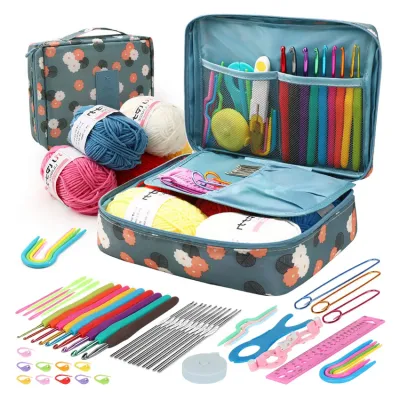
![🇸🇬 [In Stock]Adult Beginner Crochet Kits Knitting Starter Kits Kids Crochet Kits Wool Hooks and Knitting Accessories DIY Knitting Tools](https://img.lazcdn.com/g/p/985580b5e00451665da443451887f5a9.png_400x400q80.png_.webp)
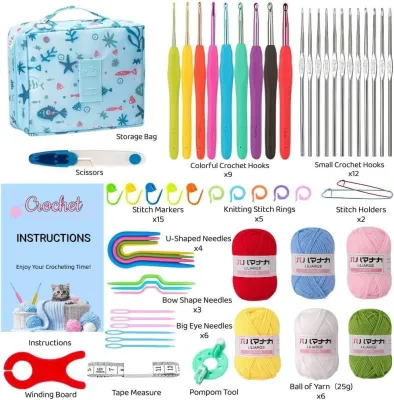
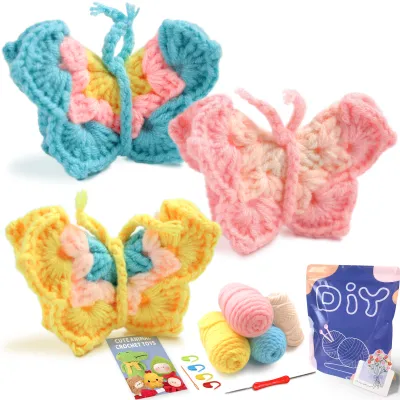
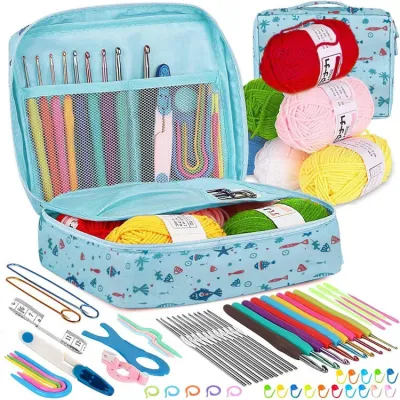
Prices are valid at publication and may change. Please refer to the product page for the latest price.
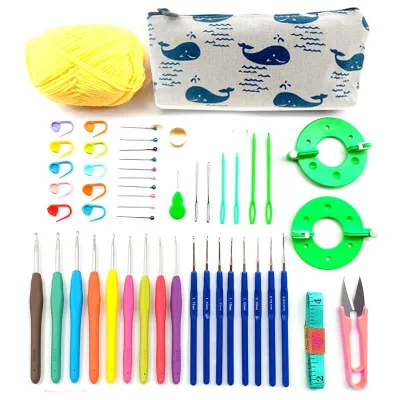
Beyond the hook itself, a complete starter kit must include specific accessories designed to simplify the learning process. Stitch markers are indispensable tools for young crocheters. Because children often struggle to identify the beginning and end of a row, bright, locking plastic stitch markers help them flag these critical points, preventing accidental dropped or added stitches. Additionally, the kit should feature tapestry needles with large eyes and blunt tips. These needles allow children to weave in loose yarn ends safely without the risk of accidental finger pricks.
Choosing the Right Yarn for Beginners
Yarn selection can make or break a child’s first experience with crochet. The weight, texture, and color of the fiber determine how easily a child can see their work and manipulate the stitches. For beginners, worsted weight (medium size 4) or bulky weight (chunky size 5) yarns are the absolute standards. These thicknesses allow stitches to build up rapidly, providing quick visual feedback and a sense of accomplishment. Very thin yarns require too much precision, while excessively thick roving yarns can be heavy and difficult for small hands to maneuver.

The structural composition of the yarn is another critical factor to verify. Many standard acrylic yarns are loosely spun from multiple thin plies, which easily split apart when a beginner attempts to insert the hook. This splitting causes frustration and messy stitches. To prevent this, look for tightly spun yarns or specialized tube yarns, which feature a woven cotton outer sheath filled with a soft nylon core. These tube yarns do not split, making it incredibly easy for children to see exactly where to insert their hook for the next stitch. A cotton-acrylic blend is also highly recommended, especially in warm climates like Singapore, as it feels cool to the touch and does not become sticky or uncomfortable during prolonged handling.
Color choice plays a surprisingly significant role in the learning curve. Dark colors like black, navy blue, or deep forest green absorb light and make individual stitches almost invisible, even to experienced crafters. Variegated or multi-colored yarns can also camouflage the stitch structure, making it difficult to count rows. A good starter kit should feature bright, light, solid colors such as pastel blue, mint green, soft yellow, or cream. These shades reflect light well, allowing children to clearly distinguish the “V” shape at the top of each stitch and track their progress with ease.
Instructional Materials and Learning Aids
Even the best physical tools are of little use without clear, age-appropriate guidance. Traditional crochet patterns rely on dense, abbreviated text codes that can look like a foreign language to a child. A kid-friendly starter kit must replace or supplement these text-heavy patterns with highly visual guides. Look for kits that include step-by-step illustrations or high-resolution photographs showing the exact placement of the hook and yarn for basic stitches, such as the slip knot, chain stitch, and single crochet.
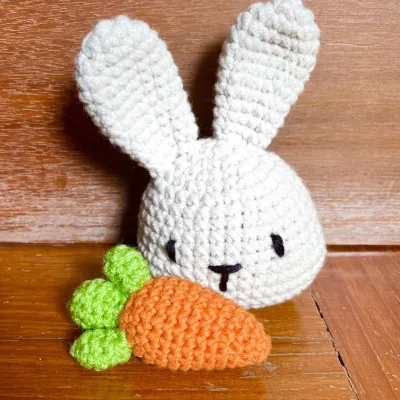
The projects included in the kit should be designed for quick wins to build confidence. Complex projects like sweaters or intricate blankets require too much time and stamina for a beginner. Instead, the kit should focus on simple, functional items that can be completed in one or two short sessions. Excellent starter projects include simple square coasters, basic bookmarks, or small pocket pouches. Some modern kits even feature pre-started magic rings for amigurumi (stuffed toys), allowing children to skip the most difficult setup steps and jump straight into the fun of building the character.
Digital integration is another valuable feature to look for in modern kits. Many children learn best through dynamic movement rather than static images. Kits that provide QR codes linking to high-quality, slow-motion video tutorials offer immense support. These videos should be shot from the crafter’s perspective (over-the-shoulder) rather than face-to-face, as this perspective makes it much easier for children to mirror the movements accurately. The ability to pause, rewind, and slow down the video allows children to learn at their own pace without feeling rushed.
Safety and Age-Appropriate Considerations
Introducing children to fiber arts requires careful attention to safety, particularly regarding the tools and small components included in commercial kits. Cutting tools are a primary concern. While standard craft scissors are often too sharp or bulky for young hands, a good starter kit should include compact, blunt-tip safety scissors or an enclosed thread cutter. These tools allow children to snip yarn independently while minimizing the risk of cuts to skin or clothing.
Another safety aspect to evaluate is the presence of small decorative accessories. Many popular crochet kits, especially those designed for making small stuffed animals, include plastic safety eyes, buttons, or beads. While these components add a charming finishing touch, they can pose serious choking hazards for younger siblings in the household. For children under the age of eight, or households with toddlers, it is safer to choose kits that teach children how to embroider facial features using contrasting yarn rather than using plastic snap-on parts.
Organization and storage are also essential for maintaining a safe crafting environment. A kit that comes with a dedicated storage solution, such as a zippered canvas pouch or a sturdy plastic box, helps children develop good organizational habits. Keeping sharp tapestry needles, scissors, and small stitch markers securely stored away when not in use prevents them from being lost on the floor or accessed by pets and younger children. A tidy kit also protects the yarn from dust, tangles, and spills, ensuring the materials remain clean and ready for the next crafting session.
Pre-Packaged Kits vs. Building Your Own
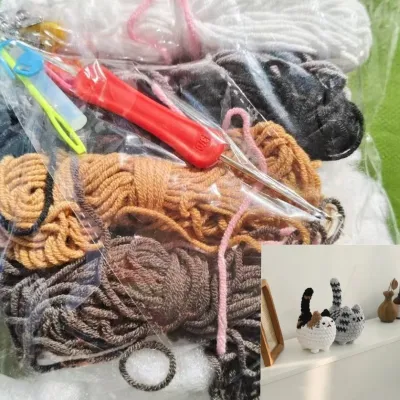
When introducing a child to crochet, parents must decide whether to purchase an all-in-one commercial kit or assemble a custom set from individual supplies. Commercial kits offer unmatched convenience. They provide exactly the right amount of yarn, pre-selected hook sizes, and tailored instructions in a single package, saving parents the time and effort of researching and sourcing individual items. This makes them an excellent choice for a quick, low-commitment trial to see if a child enjoys the craft.
However, pre-packaged kits can sometimes suffer from quality trade-offs. To keep costs low, some commercial kits include cheap, squeaky plastic hooks or rough, scratchy acrylic yarn that splits easily. If you prefer to build a custom kit, you can source high-quality components individually from local craft shops or online marketplaces. Assembling a custom kit allows you to select a premium ergonomic hook, high-grade cotton-blend yarn, and a spacious, personalized pencil case for storage. This approach often results in a more durable set of tools that can be used for multiple projects beyond the initial learning phase.
In terms of long-term value, building your own kit can be highly cost-effective if your child decides to stick with the hobby. While the initial investment in a premium hook and a few skeins of quality yarn might be slightly higher than a basic commercial kit, these tools will not need to be replaced as the child’s skills advance. For absolute beginners who want a structured, guided experience with zero preparation, a high-quality commercial kit is the ideal starting point. For children who already show a strong interest in crafts, a custom-assembled kit offers superior longevity and a more satisfying tactile experience.
Frequently Asked Questions (FAQ)
What is the best age to start crocheting?
Most children develop the necessary fine motor skills, hand-eye coordination, and attention span to start basic crochet around the age of seven or eight. At this stage, they can typically manage the dual task of holding the hook in one hand and controlling yarn tension with the other. For younger children, preparatory activities like finger knitting, weaving, or lacing cards are excellent ways to build hand strength and coordination before introducing a formal crochet hook.
How do I prevent my child from getting frustrated while learning?
To keep the experience positive, keep initial practice sessions short, lasting no more than fifteen to twenty minutes. Focus on mastering one simple skill at a time, such as making a consistent chain stitch, before moving on to actual rows. Celebrate small milestones, like completing a single row or successfully holding the yarn, rather than focusing on a perfect final product. Remind your child that uneven stitches are a natural part of the learning process and add unique character to handmade items.
Can left-handed children use standard crochet starter kits?
Yes, left-handed children can absolutely use standard crochet starter kits, as the physical hooks and yarn are identical for both left- and right-handed crafters. The primary adjustment lies in the instructional materials. Standard kits often feature right-handed illustrations, which can be confusing to mirror. When purchasing a kit, check if the manufacturer provides left-handed video tutorials, or use online video tools to mirror standard tutorials horizontally so your child can follow along comfortably.

Community discussion
Share your experience or ask a question. Comments are reviewed before publication.