
Selecting the correct crochet hook size is the foundation of any successful crochet project. The relationship between your hook and your yarn determines not only the physical size of your finished piece but also its texture, flexibility, and overall appearance. Using a hook that is too large for your yarn results in loose, floppy stitches with excessive gaps, while a hook that is too small produces a stiff, dense fabric that can be difficult to work with and uncomfortable to wear.
For crafters in Singapore, finding the right balance is especially important when working on lightweight, breathable garments. With the local tropical climate, projects often feature fine cotton, bamboo, or linen yarns that require precise hook selection to maintain an airy, comfortable drape. Understanding how to interpret yarn weights and match them to the correct hook sizes ensures that your handmade items turn out exactly as intended.
Understanding Yarn Weight Categories and Hook Sizing
To consistently match your tools to your materials, you must first understand how yarn thickness is classified. The Craft Yarn Council established a standardized system that categorizes yarn into eight distinct weight classes, numbered from 0 to 7. These numbers indicate the thickness of the individual strand rather than the physical weight of the skein or ball of yarn.
Products mentioned in this guide
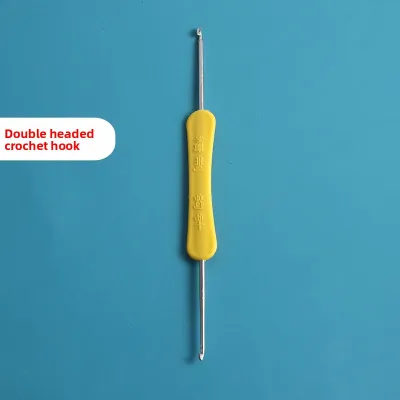
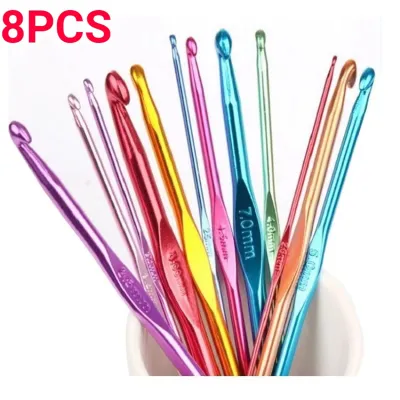
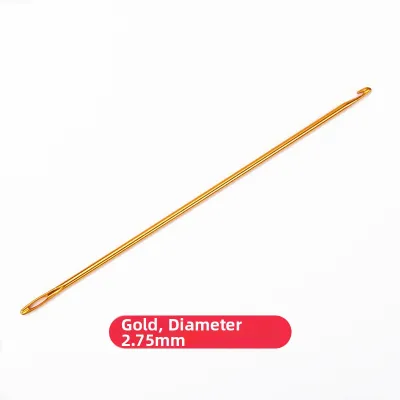
![[12pcs] 2-8mm Crochet Hooks Needles Set for Knitting and Weaving](https://img.lazcdn.com/g/p/f3b5c3771952ac16eb6e46035f930c8c.jpg_400x400q80.jpg_.webp)
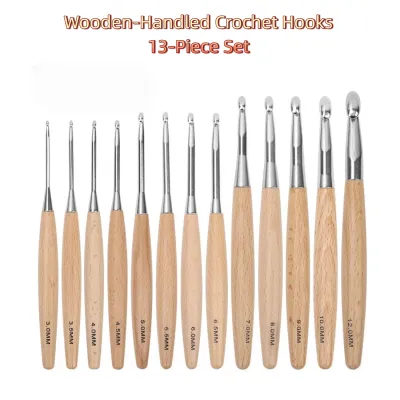
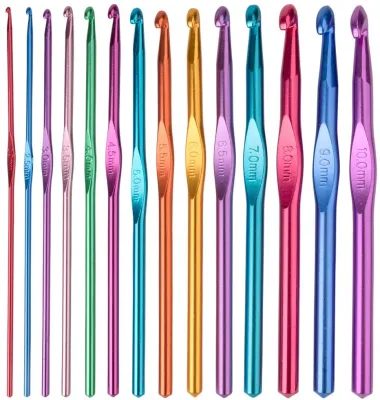
Prices are valid at publication and may change. Please refer to the product page for the latest price.
The categories begin at Lace (0), which is extremely fine and often used for delicate doilies or lightweight shawls. As the numbers increase, the strands become progressively thicker: Super Fine (1) includes fingering weight yarns; Fine (2) covers sport weight; Light (3) represents DK (Double Knitting) yarn; Medium (4) is worsted or aran weight; Bulky (5) and Super Bulky (6) are used for quick-stitch projects like thick winter wear; and Jumbo (7) comprises the thickest roving-style yarns.
Alongside these yarn categories, crochet hooks are produced in a wide array of sizes. The most reliable and universally accepted measurement system for hooks is the metric system, which measures the shaft diameter in millimeters (mm). Metric sizing is precise and consistent across international brands, ranging from tiny steel lace hooks measuring under 1.0 mm to massive jumbo hooks exceeding 15.0 mm.
Other regional sizing systems exist, which can occasionally cause confusion for crafters. The United States uses a system of letters and numbers (such as G/6 or H/8), while the United Kingdom and Canada historically used a reverse numbering system where smaller numbers represented larger hooks. Because these regional systems can vary slightly between manufacturers, relying on the metric millimeter measurement is the safest way to ensure accuracy when following international patterns or purchasing new tools.
How to Read Yarn Labels for Hook Recommendations
Before you begin a new project, the yarn label or band serves as your primary source of technical information. Manufacturers print specific guidelines on these labels to help you choose the correct tool size and estimate your project’s final dimensions.

To find the recommended hook size, look for the standard industry symbols printed on the back of the yarn band. This icon typically depicts a pair of crossed crochet hooks inside a small graphic square. Directly next to or inside this symbol, the manufacturer will print the suggested hook size, usually listed in both millimeters and US letter or number formats. For example, a standard Medium (4) worsted weight yarn label will often display a recommendation for a 5.0 mm (H/8) hook.
Adjacent to the hook recommendation, you will find the gauge square symbol, which represents a standard testing area of 10×10 centimeters (or 4×4 inches). This square contains numbers along its borders indicating the expected number of stitches (horizontally) and rows (vertically) required to fill that area when using the recommended hook. This suggested gauge is calculated using basic stitches, such as single or double crochet, worked with average tension.
It is vital to understand that the hook size printed on a yarn label is a baseline recommendation rather than an absolute rule. The manufacturer provides this suggestion to help you achieve a balanced, standard fabric. Depending on your personal stitching style, the specific pattern you are following, and the desired drape of your finished item, you may need to adjust your hook size up or down from this baseline.
Step-by-Step Process for Matching Hooks to Yarn
Achieving the perfect stitch quality requires a systematic approach to testing your yarn and hook combination before committing to your entire project. Follow these steps to verify your setup:
- Step 1: Identify the baseline
Begin by checking the yarn label or your pattern instructions for the recommended metric hook size. If you are using a specific pattern, always prioritize the designer's recommended hook size over the yarn label, as the designer has already tailored the tool size to suit the project's specific stitch structure. - Step 2: Crochet a gauge swatch
Using your selected yarn and hook, crochet a square swatch that measures at least 15×15 centimeters. It is crucial to work this swatch using the exact stitch pattern specified in your project instructions, rather than a simple single crochet stitch. A larger swatch ensures that the edges do not distort your measurements when you count the central stitches. - Step 3: Measure the swatch
Lay your completed swatch flat on a hard, level surface. Do not stretch, pull, or pin the fabric unless your pattern specifically requires wet blocking beforehand. Place a rigid ruler or a specialized gauge tool over the center of the swatch, and carefully count the number of stitches and rows within a 10×10 centimeter area. - Step 4: Analyze and adjust the hook size
Compare your counted stitches to the gauge required by your pattern. If your swatch contains more stitches than the pattern specifies, your stitches are too small and your fabric is too tight. To correct this, switch to a larger hook size (for example, moving from a 4.0 mm to a 4.5 mm hook) to create larger loops. Conversely, if your swatch has fewer stitches than required, your stitches are too large and the fabric is too loose. Switch to a smaller hook size (such as moving from a 4.0 mm to a 3.5 mm hook) to tighten the weave. - Step 5: Re-test and assess the drape
Crochet a new swatch with your adjusted hook and repeat the measurement process. Once your stitch count matches the pattern gauge, hold the fabric up and manipulate it with your hands. Ensure that the drape feels appropriate for the item you are making; it should be flexible enough to move naturally without being so loose that it loses its shape.
Adjusting for Personal Tension and Project Types
Every crocheter holds their yarn and moves their hook with a unique level of physical tension. Some crafters naturally pull the yarn tightly, resulting in smaller, denser stitches, while others maintain a relaxed grip that produces looser, larger stitches. Recognizing your personal tension style allows you to make proactive hook adjustments. If you consistently struggle with tight stitches, consider starting your projects with a hook that is 0.5 mm larger than recommended.
The type of project you are creating also dictates whether you should deviate from the standard yarn label guidelines. Different items require different fabric properties to function correctly:
- Amigurumi (stuffed toys): When crafting stuffed toys, structural integrity is paramount. To prevent the polyester fiberfill stuffing from peeking through the fabric, you must create incredibly tight, solid stitches. It is standard practice to use a hook that is 0.5 mm to 1.0 mm smaller than the size recommended on the yarn label.
- Lace and delicate shawls: For accessories that require a light, flowing drape, you want an open and airy stitch pattern. Using a hook that is 0.5 mm to 1.0 mm larger than recommended allows the yarn to bloom and drape elegantly, preventing the delicate fibers from bunching up.
- Garments and blankets: Wearable items like sweaters, cardigans, and blankets require a careful balance of structure and movement. For these projects, you should stick as closely as possible to the recommended hook size, adjusting only to match the specific gauge of the pattern to guarantee a proper fit and comfortable warmth.
The material of your crochet hook can also subtly influence your stitching tension. Aluminum and steel hooks are highly polished and slippery, allowing yarn to glide quickly, which can sometimes tighten your tension. Wood and bamboo hooks offer more natural friction, slowing down the yarn and often resulting in a slightly looser stitch. Plastic or acrylic hooks provide a moderate grip and are highly lightweight. If you switch from an aluminum hook to a wooden hook of the exact same metric size, you should always verify your gauge, as the change in material friction can alter your physical tension.
Frequently Asked Questions (FAQ)
What if I don't have the exact hook size recommended on the label?
If you lack the exact metric hook size suggested on your yarn label, you can temporarily substitute the closest size available in your collection. For thicker yarns, such as Bulky (5) or Super Bulky (6), a minor difference of 0.25 mm or 0.5 mm will rarely cause a noticeable change in the finished fabric. However, for fine yarns like Lace (0) or Super Fine (1), even a tiny variation can dramatically alter the stitch size and overall drape. In these cases, crocheting a gauge swatch is absolutely essential to ensure the substitute hook does not compromise the project.
Can I use the same hook size for different brands of the same yarn weight?
Yarn weight categories are broad ranges rather than precise, uniform measurements. Two different brands of DK weight yarn can vary slightly in physical thickness, fiber composition, and spinning style. For example, a sleek mercerized cotton yarn may behave very differently and feel thinner than a lofty wool yarn of the same category. When switching brands or fiber types mid-project, you should never assume the same hook size will yield identical results. Always check the new yarn label and perform a quick gauge check to maintain consistency.

Community discussion
Share your experience or ask a question. Comments are reviewed before publication.