
Selecting the right cotton fabric for sewing is the foundation of a successful textile project. The weight of the fabric determines how the finished item will hang, stretch, wear, and feel against the skin. Choosing incorrectly can result in a summer dress that feels stiff and heavy, or a tote bag that collapses under its own weight.
To achieve professional results, you must match the physical properties of the fabric to the structural demands of your pattern. This guide breaks down the technical measurements of cotton fabric weight, explores the three primary weight categories, and provides actionable steps to verify quality before you begin cutting.
How Cotton Fabric Weight Affects Your Sewing Results
Fabric weight is measured using two primary standards: grams per square meter (GSM) and ounces per square yard (oz/yd²). GSM is the metric standard used globally, while ounces per square yard is the imperial measurement common in the United States. To convert between the two, remember that one ounce per square yard is approximately equivalent to 33.9 GSM. A higher number in either system indicates a denser, thicker, and generally heavier fabric.
Products mentioned in this guide
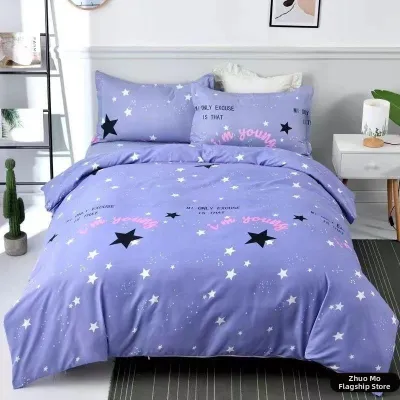
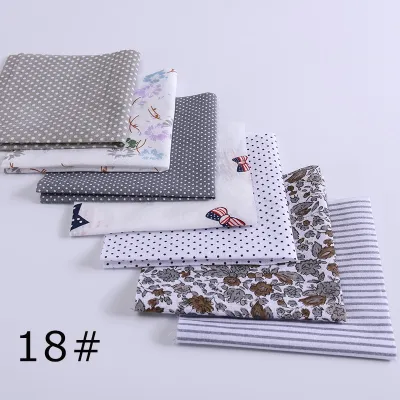
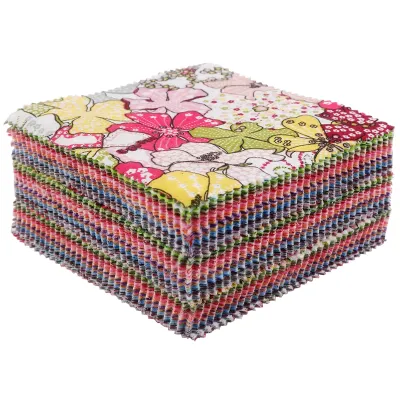
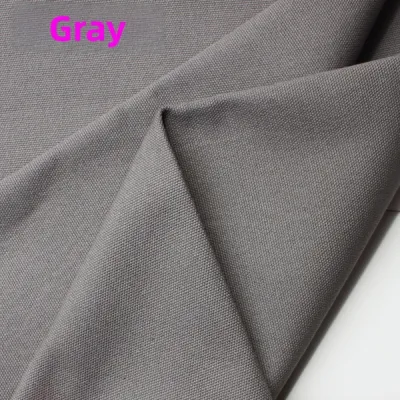
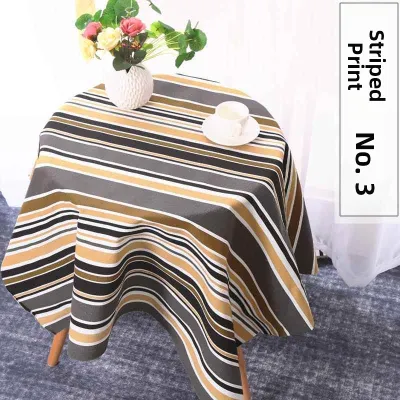
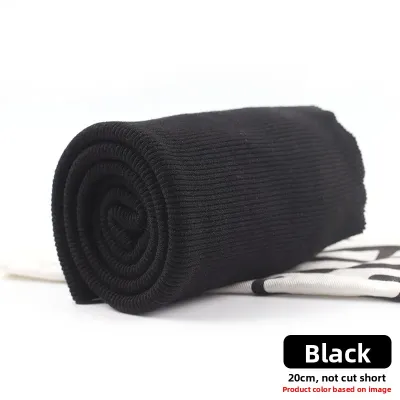
Prices are valid at publication and may change. Please refer to the product page for the latest price.
The weight of a cotton fabric directly dictates its physical behavior, specifically its drape, structure, and durability. Drape refers to how a fabric hangs and flows under its own weight; lighter fabrics drape in soft, fluid folds, while heavier fabrics resist bending and maintain a rigid shape. Structure is the fabric’s ability to support its own weight or hold a specific form, which is essential for items like collars, pockets, and bags. Durability relates to the fabric’s resistance to wear, friction, and tension over time.
However, weight is only one dimension of a fabric’s character and must be evaluated alongside weave type and thread count. For example, a plain weave cotton like lawn is lightweight and breathable, while a twill weave cotton of the same weight will feel more compact and durable due to its diagonal structural pattern. Thread count, which measures the number of threads woven into one square inch of fabric, also influences the hand feel; a high thread count can make a lightweight fabric feel incredibly smooth and dense, whereas a lower thread count can result in a looser, more breathable texture.
Lightweight Cotton: Best for Flowing Garments and Delicate Details
Lightweight cotton fabrics typically weigh under 130 GSM (approximately 3.8 oz/yd²). These fabrics are thin, highly breathable, and possess a fluid drape that moves easily with the body. Because of their thinness, many lightweight cottons are semi-sheer or fully translucent when held up to the light, requiring careful consideration of linings or undergarments.

In apparel sewing, lightweight cotton is the premier choice for warm-weather clothing, making it highly suitable for tropical climates like Singapore’s. Ideal projects include breezy summer blouses, flowing sundresses, gathered skirts, camisoles, and children’s wear. Beyond clothing, these delicate fabrics work beautifully as garment linings, sheer window curtains, and intricate appliqué pieces in patchwork quilting.
When sewing with lightweight cotton, adjust your machine settings and tools to protect the delicate fibers. Use a fine universal or sharp sewing machine needle, such as size 70/10 or even 60/8, to prevent punching large, visible holes in the weave. Match these with a fine, high-quality thread, such as a 50wt or 60wt cotton or polyester thread. Because lightweight fabrics are highly prone to fraying, use clean finishing techniques like French seams, flat-felled seams, or serged edges to secure the raw margins.
Before purchasing lightweight cotton fabric for sewing, perform a quick transparency check by placing your hand beneath a single layer of the fabric. Check the care label or product specification sheet to see if the fabric has been pre-shrunk, as fine cottons can contract significantly during their first wash. Finally, ensure the fabric has enough structural body to support any buttons, zippers, or heavy closures required by your garment pattern.
Medium-Weight Cotton: The Versatile Choice for Quilting and Everyday Apparel
Medium-weight cotton fabrics generally range from 130 to 200 GSM (approximately 3.8 to 6 oz/yd²). This category offers a balanced combination of moderate thickness, a crisp hand feel, and reliable structural stability. It is highly favored by beginners because it does not slip, stretch, or distort easily during the cutting and sewing process.
This versatile category includes quilting cotton, poplin, chambray, gingham, and lightweight flannel. These fabrics are ideal for patchwork quilting, where precise seam allowances and flat-pressing are critical. They are also widely used for everyday apparel, including structured button-down shirts, A-line skirts, casual dresses, pajamas, and children’s clothing. In home decor and crafts, medium-weight cotton is perfect for fabric storage bins, reusable shopping bags, table runners, and throw pillow covers.
Sewing medium-weight cotton is straightforward and compatible with standard domestic sewing machine setups. A standard universal needle in size 80/12 is typically sufficient for clean stitching. Use a standard 50wt all-purpose polyester or cotton thread. This weight category responds exceptionally well to pressing, allowing you to achieve sharp, flat seams with a standard household iron on a cotton heat setting.
When sourcing medium-weight cotton, verify that the material is 100% pure cotton, especially if you plan to use it for quilting or items that require frequent high-heat ironing. Inspect the fabric’s selvedge to ensure the print alignment is straight and on-grain; off-grain prints can warp and twist after washing. Always check the manufacturer’s notes regarding expected shrinkage rates, which typically range from 3% to 5% for standard medium-weight woven cottons.
Heavyweight Cotton: Ideal for Home Decor and Structured Bags
Heavyweight cotton fabrics exceed 200 GSM (approximately 6 oz/yd²) and can range up to 400 GSM or more for heavy-duty industrial canvas. These fabrics are thick, dense, highly durable, and stiff, offering minimal drape but maximum structural integrity. They are designed to withstand significant physical wear, tension, and abrasion.
Common examples of heavyweight cotton include canvas, duck, denim, heavy twill, and corduroy. These materials are ideal for utility-focused projects such as heavy-duty tote bags, backpacks, tool rolls, and aprons. They are also the standard choice for home upholstery, slipcovers, heavy drapery, and structured outerwear like utility jackets or winter coats.
Sewing heavyweight cotton requires specialized tools and machine adjustments to prevent skipped stitches, needle breakage, and motor strain. Equip your machine with a heavy-duty needle, such as a Jeans/Denim needle in size 90/14, 100/16, or 110/18, which features a reinforced blade and a sharp point designed to pierce dense weaves. Use a heavy-duty polyester or topstitching thread to ensure the seams can bear heavy loads. You may need to increase your machine’s presser foot pressure or use a walking foot to feed the thick layers evenly. When sewing over bulky seam intersections, turn the machine handwheel manually to guide the needle safely through the layers without breaking.
When purchasing heavyweight cotton, check the specific GSM or ounce rating to ensure it matches your project’s structural needs. Confirm whether the fabric is machine washable or if it requires dry cleaning, as some heavy canvas fabrics can develop permanent crease marks or lose their water-resistant coatings in a standard washing machine. Finally, assess whether your domestic sewing machine has the clearance and motor power to handle multiple layers of the chosen weight.
How to Verify Fabric Weight and Quality Before Buying
Evaluating cotton fabric before you purchase it ensures your finished project behaves exactly as intended. If you are shopping in a physical retail store, perform a drape test by draping a corner of the fabric over your hand to observe how it folds and falls. Feel the texture of the fabric; it should feel consistent across the entire bolt without thin spots or excessive stiffness caused by chemical sizing starches. Hold the fabric up to a bright light source to check the tightness of the weave and ensure there are no uneven gaps between the threads.
When purchasing cotton fabric for sewing online, rely on the technical specifications provided in the product listing. Look for explicit GSM or ounce-per-square-yard ratings rather than relying on generic terms like “lightweight” or “heavyweight.” Read customer reviews to gather real-world feedback regarding the fabric’s true thickness, stiffness, and how much it shrinks or fades after washing.
Because cotton is a natural fiber, it is highly prone to shrinkage when exposed to water and heat. Before cutting your pattern pieces, verify if the fabric is labeled as “pre-shrunk.” If it is not, or if you want to guarantee dimensional stability, pre-wash the fabric using the exact water temperature and drying cycle you plan to use for the finished item. Press the washed fabric thoroughly with an iron to remove all wrinkles before laying out your pattern.
If a product listing lacks clear weight specifications, if care instructions are missing, or if a physical sample feels stiff and scratchy even after a gentle rub, halt your purchase. Consult the seller for clarification, or choose an alternative fabric that provides the verified specifications required for your sewing project.
Frequently Asked Questions (FAQ)
Can I use quilting cotton for making clothes?
Yes, you can use quilting cotton for apparel, but you must select your patterns carefully. Quilting cotton is a medium-weight fabric with a relatively stiff, crisp hand feel that holds its shape rather than draping softly against the body. It is highly suitable for structured garments such as button-down shirts, structured A-line skirts, structured dresses, and pajama pants. However, it is not recommended for garments that require a fluid, flowing drape, such as bias-cut slip dresses, cowl-neck tops, or wrap gowns.
How do I prevent cotton fabric from shrinking after sewing?
To prevent your finished projects from shrinking or warping, you must pre-wash and iron your cotton fabric before cutting your pattern pieces. Wash the fabric using the same water temperature and machine cycle that the finished item will undergo in the future. Woven cotton fabrics typically shrink by 3% to 5%, while cotton knits can shrink up to 10%. Once dry, press the fabric flat with a hot iron to remove any distortion before cutting.
What is the difference between fabric weight and thread count?
Fabric weight measures the physical mass of the fabric per unit area, expressed in GSM or ounces per square yard, which directly indicates how thick, heavy, or dense the material is. Thread count measures the number of threads woven into one square inch of fabric, representing the density of the weave rather than its weight. While fabric weight determines the structure and drape of your project, thread count influences the smoothness, softness, and durability of the fabric surface.

Community discussion
Share your experience or ask a question. Comments are reviewed before publication.