
Selecting the right cotton fabric for a dress is the foundation of a successful sewing project. The way a dress hangs, moves, and feels against your skin depends entirely on the weave, weight, and finish of the material you choose. By matching the physical characteristics of different cotton fabrics to your pattern’s design, you can ensure your finished garment looks professional and fits comfortably.
For warm and humid climates like Singapore, cotton is an exceptional choice due to its natural breathability and moisture-absorbing properties. However, not all cottons behave the same way. A structured shirt dress requires a completely different type of cotton than a tiered maxi dress or a sleek, fitted wrap dress. Understanding these distinctions allows you to make informed decisions at the fabric store.
Understanding How Cotton Weaves Shape Your Dress Silhouette
The structural behavior of any cotton fabric is determined by how its threads are woven together. Plain weaves, such as poplin and lawn, feature a simple over-under pattern that provides inherent stability. This structure makes the fabric relatively crisp, allowing it to hold its shape and support clean lines. If your dress pattern relies on sharp pleats, defined collars, or a structured bodice, a plain weave is generally the most reliable option.
Products mentioned in this guide
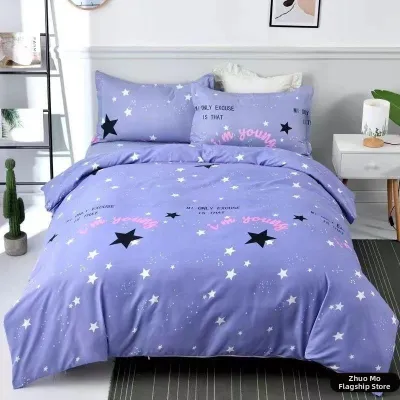
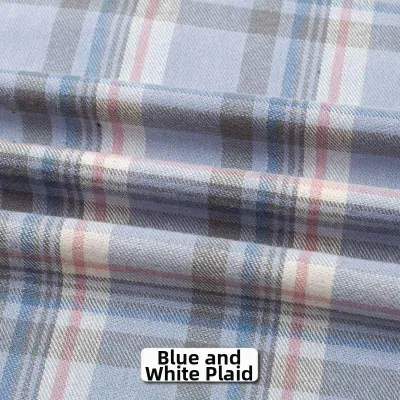
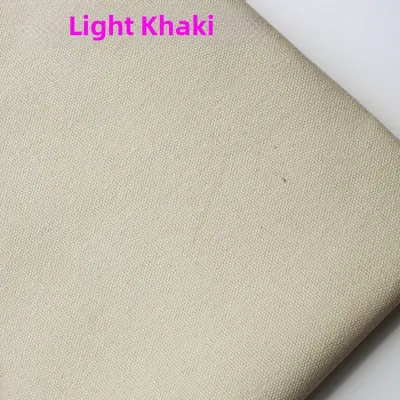
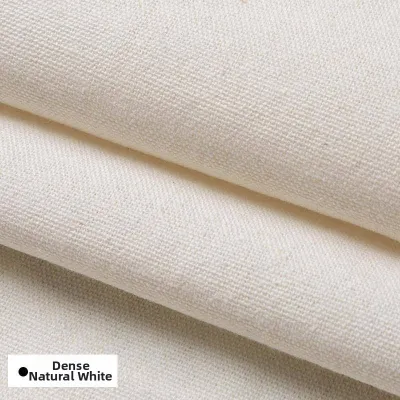
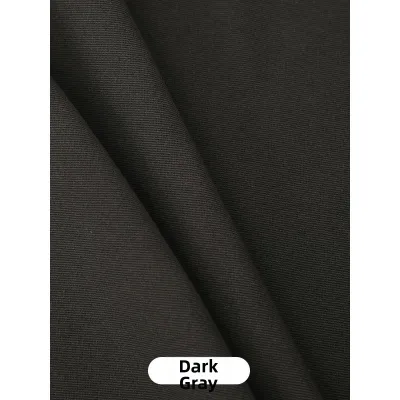
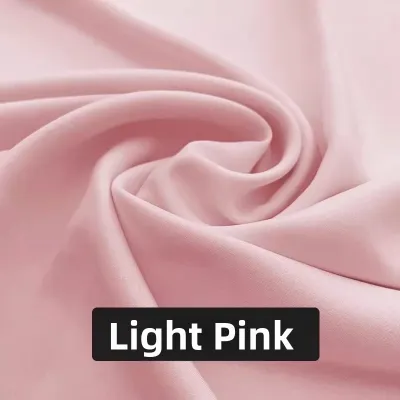
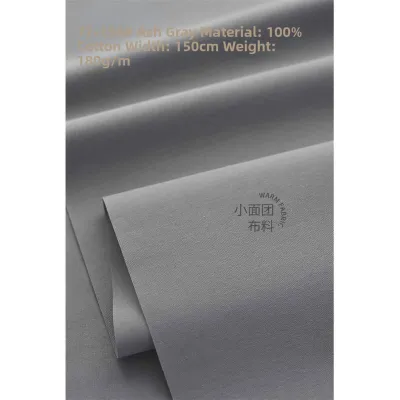
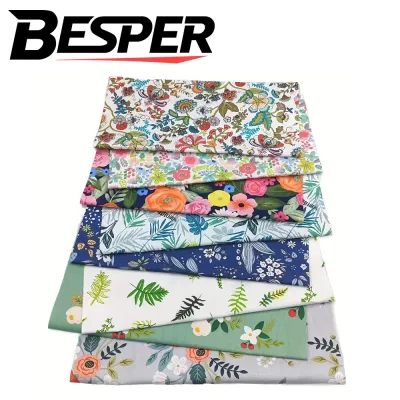
Prices are valid at publication and may change. Please refer to the product page for the latest price.
In contrast, satin weaves, which are used to produce cotton sateen, feature floating threads across the surface. This construction reduces the friction between yarns, allowing the fabric to bend and flow more easily. The result is a much softer, fluid drape that skims the body rather than standing away from it. Satin weaves also reflect more light, giving the fabric a characteristic subtle luster that elevates the overall look of the garment.
Thread count and yarn thickness also play critical roles in determining a fabric’s weight and opacity. High thread counts with very fine yarns produce lightweight, semi-sheer fabrics like voile, which offer a delicate, airy feel. Lower thread counts with thicker yarns result in heavier, more opaque fabrics like canvas or heavy twill. When selecting fabric, consider how the weight will interact with your pattern’s design elements; heavy gathering requires a lightweight fabric to avoid bulk, while sharp pleating needs a medium-weight fabric with enough body to hold a crease.
Cotton Fabrics for Structured and Tailored Dresses
Structured dress styles, such as A-line skirts, shift dresses, and classic shirt dresses, rely on the fabric to define their shape. For these designs, cotton poplin and cotton twill are outstanding choices. Poplin features a tight, plain weave with a fine crosswise rib, offering a crisp hand that holds sharp seams and structured collars beautifully. Cotton twill, recognizable by its diagonal rib pattern, is slightly heavier and offers excellent durability, making it ideal for utility-style dresses and structured pinafores.

Lightweight cotton weaves are generally unsuitable for structured garments because they lack the necessary body to support design details like collars, plackets, and fitted bodices. If you attempt to sew a structured shirt dress from a very soft, lightweight cotton, the collar may sag, and the button placket may pucker under the weight of the buttons. To achieve a crisp finish with lighter fabrics, you would need to apply extensive interfacing, which can alter the natural feel of the cotton.
Before purchasing fabric for a structured dress, you can perform a simple physical check to evaluate its stiffness and shape recovery. Hold a corner of the fabric and let it drape over your hand; if it stands out in clean, defined folds rather than collapsing completely, it has the structure needed for tailored designs. Additionally, squeeze a portion of the fabric tightly in your fist for a few seconds and release it. Observe how quickly it recovers its shape and whether the resulting creases are sharp or soft, which indicates how the dress will behave during daily wear.
Cotton Fabrics for Flowy and Draped Dress Styles
For relaxed silhouettes, tiered maxi dresses, and garments with extensive gathering, lightweight and breathable cottons are essential. Cotton voile is an ultra-lightweight, plain-weave fabric with a soft, silky hand that drapes beautifully without adding bulk. Cotton lawn is closely related but features a slightly crisper finish due to its high thread count and fine combed yarns, making it perfect for delicate, airy dresses that still require a small amount of body. Double gauze, consisting of two layers of fine gauze basted together at regular intervals, offers a unique, crinkled texture and exceptional softness that is perfect for casual, bohemian-style dresses.
One of the primary considerations when working with lightweight cottons is opacity. Voile and lawn are often semi-sheer, meaning they may require a lining or an underlining to ensure modesty, especially for skirts and bodices. You can use the same fabric as a lining, or opt for a lightweight cotton batiste to maintain the garment’s breathability. When planning your project, factor in the cost of lining fabric, which may add a few extra S$ per metre to your total material budget.
Handling lightweight cottons during the cutting and sewing phases requires patience and care. Because these fabrics are fine and can be slippery, they tend to shift easily on the cutting table. To prevent distortion, lay the fabric on a non-slip surface and use sharp rotary cutters and pattern weights instead of pins, which can pull the delicate threads. Additionally, consider starching the fabric lightly before cutting to temporarily increase its stability, making it much easier to align grainlines and sew precise seams.
Cotton Fabrics for Fitted and Elegant Silhouettes
Fitted, wrap, and formal dress styles require fabrics that offer a refined finish and a smooth, fluid drape. Cotton sateen is highly recommended for these designs due to its characteristic satin weave, which provides a subtle, elegant sheen and a soft hand. It drapes beautifully around curves, making it ideal for sheath dresses and elegant evening wear. Cotton jacquard, which features patterns woven directly into the fabric rather than printed on top, offers a rich texture and a structured yet draping quality that adds a sophisticated touch to formal garments.
While cotton sateen is visually stunning, it does come with specific trade-offs that you should consider. The floating threads on the surface of a satin weave are more susceptible to snagging on jewelry or rough surfaces compared to tightly woven plain weaves. Furthermore, because the weave is denser, sateen can feel slightly warmer and less breathable than open plain weaves, which is an important factor to keep in mind if you plan to wear the dress in warm, humid environments.
When sewing fitted garments, checking the fabric grain and mechanical stretch is crucial for ensuring a comfortable fit. Even 100% cotton woven fabrics have a small amount of natural stretch along the crosswise grain, known as mechanical stretch. Before cutting your pattern pieces, pull the fabric gently along both the lengthwise and crosswise grains to assess this stretch. Aligning your pattern pieces precisely with the grainline ensures that the dress will stretch comfortably across the bust and hips without pulling or distorting the seams.
Essential Pre-Sewing Checks for Your Cotton Fabric
Before you cut into your chosen cotton fabric, performing several essential preparation steps will protect your hard work and ensure the finished dress fits perfectly. Cotton is notorious for shrinking during its first wash, so pre-washing and drying the fabric according to the manufacturer’s care instructions is non-negotiable. If you plan to machine wash and tumble dry the finished dress, subject the raw fabric to the exact same cycle before cutting to eliminate any potential shrinkage issues later.
Once the fabric is washed and dried, inspect it thoroughly under good lighting for any manufacturing defects. Look closely for printing flaws, uneven dye lots, or snags along the length of the material. It is also vital to check if the fabric is “off-grain,” which occurs when the crosswise threads are not perfectly perpendicular to the selvages. If the fabric is badly distorted, you may need to gently pull it diagonally from opposite corners to realign the weave before cutting your pattern pieces.
Finally, always test your sewing machine settings on a small scrap of the pre-washed fabric. Use this test piece to check the pressability of the fabric, ensuring your iron temperature is set correctly to avoid scorching the cotton. Additionally, observe how the raw edges behave when handled; if the fabric frays easily, you will need to plan for robust seam finishes, such as French seams or overlocked edges, to ensure the interior of your dress remains neat and durable.
Frequently Asked Questions (FAQ)
Is Quilting Cotton Suitable for Dressmaking?
Quilting cotton can be used for dressmaking, but it has distinct limitations. It is typically stiffer, heavier, and has a coarser weave than apparel-specific cottons like lawn or poplin. While it works well for structured, simple dress styles like structured A-line skirts, shift dresses, or novelty aprons, it does not drape well. For garments that require fluid movement, gathering, or a soft silhouette, quilting cotton will often look bulky and feel restrictive to wear.
How to Prevent Fraying on Lightweight Cotton Seams?
Lightweight cottons like voile and lawn are prone to fraying, which can weaken the seams of your dress over time. To secure these delicate edges, French seams are highly recommended as they completely enclose the raw edges within a neat, professional finish. Alternatively, you can use a narrow zigzag stitch or an overlocker to finish the seam allowances. When sewing, always use a fine universal or microtex needle (such as size 70/10) and high-quality, lightweight thread to prevent fabric puckering and needle damage.

Community discussion
Share your experience or ask a question. Comments are reviewed before publication.