
Choosing the right cotton fabric by the meter depends on matching the weight, drape, and weave of the material to the specific requirements of your sewing project. For light, breezy garments, lightweight options like voile or lawn are ideal. For structured shirts and everyday wear, medium-weight poplin or broadcloth offers the necessary crispness. For home decor, bags, or patchwork, heavier and more stable options like canvas, denim, or quilting cotton provide the required durability.
Quick Framework for Selecting Cotton Fabric
To make an informed decision when purchasing cotton fabric by the meter, you need a systematic approach that balances aesthetic desires with structural realities. The selection process begins by analyzing four core decision factors: weight, drape, weave structure, and intended end-use. Weight determines how heavy the fabric feels on the body or in hand, while drape dictates how the fabric falls, flows, or holds its shape. Weave structure influences the texture, durability, and breathability of the material, which ultimately determines its suitability for your specific project.
The basic workflow for any sewing project involves three distinct steps. First, identify the exact needs of your project, including the structural demands of the pattern and the environment in which the finished item will be used. Second, match these needs with the physical characteristics of different cotton types, filtering out options that are too stiff, too sheer, or too heavy. Finally, verify the material properties through physical inspection or sample testing before committing to a final purchase by the meter. This structured approach prevents costly mistakes and ensures your finished creation performs exactly as intended.
Products mentioned in this guide
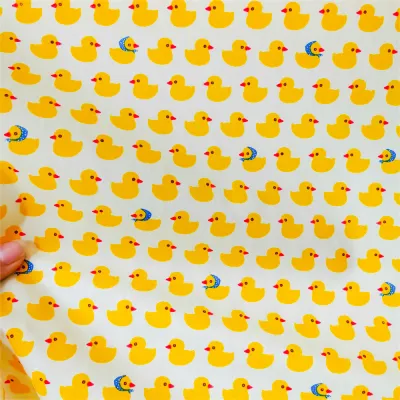
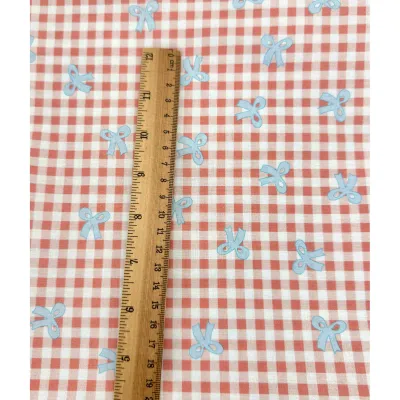
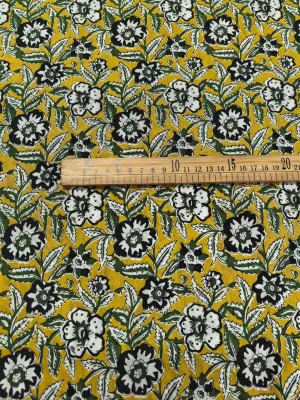
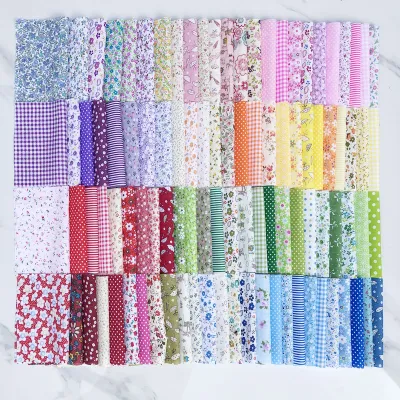
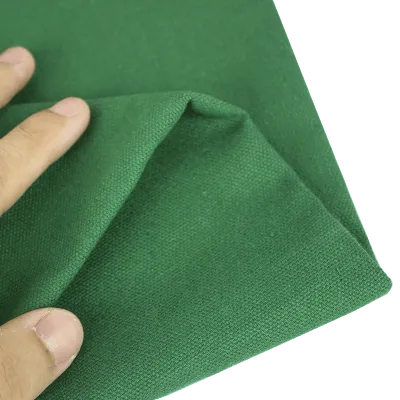
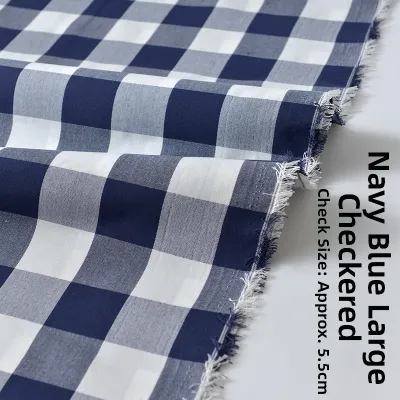
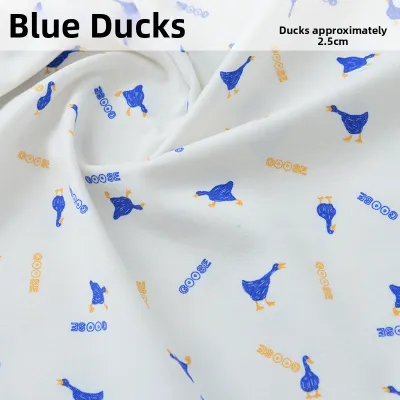
Prices are valid at publication and may change. Please refer to the product page for the latest price.
Common Cotton Fabric Types and Their Characteristics
Understanding the physical characteristics of popular cotton weaves is essential for distinguishing between fabrics that may look similar online but behave very differently under a sewing needle. Cotton is incredibly versatile, and the way it is spun and woven creates distinct categories of textiles, each suited to different applications.

Lightweight and sheer options, such as cotton voile and cotton lawn, are highly valued for their delicate texture and soft hand. Cotton voile is semi-sheer, exceptionally light, and possesses a soft, flowing drape that makes it perfect for gathered sundresses, sheer curtains, and delicate linings. Cotton lawn is slightly more tightly woven than voile, offering a silky-smooth surface and a crisp yet lightweight feel that is ideal for warm-weather shirts, blouses, and children’s clothing. Both fabrics excel in hot, humid climates where breathability and lightweight comfort are paramount.
Medium-weight and crisp options represent the workhorses of the cotton family, with poplin and broadcloth being the most prominent examples. Cotton poplin features a tight, plain weave with a slight crosswise rib, resulting in a durable fabric that resists wrinkles and holds its shape well. It is a classic choice for structured button-down shirts, everyday dresses, and lightweight jackets. Broadcloth is very similar to poplin but typically features a denser, heavier weave, providing a smooth, uniform surface that works beautifully for both apparel and detailed craft projects.
Heavyweight and stable options are designed to withstand wear and tear while providing structural integrity. Quilting cotton is a medium-to-heavyweight plain weave fabric that is highly stable, easy to handle, and specifically designed for patchwork and quilting, though it lacks the fluid drape required for most garments. Canvas is a heavy, tightly woven fabric known for its exceptional durability and strength, making it the standard choice for tote bags, upholstery, and outdoor cushions. Denim, characterized by its twill weave, offers robust structure and wear resistance, ideal for trousers, jackets, and structured accessories.
While these categories provide a helpful guide, it is important to note that performance traits like drape, breathability, and opacity depend heavily on the specific weave, yarn thickness, and finishing processes used by the manufacturer. Two fabrics labeled as cotton poplin can feel remarkably different depending on their thread count and finish. For this reason, physical inspection, handling a fabric sample, or conducting a simple drape test is always recommended before purchasing large quantities.
Matching Fabric Properties to Your Sewing Project
Aligning the physical properties of your fabric with the functional requirements of your project is the key to sewing success. A beautiful fabric will not yield a successful project if its weight and drape conflict with the design of the pattern.
When sewing apparel, your primary considerations should be drape, comfort, and skin feel. Garments that require movement, such as gathered skirts or flowing blouses, demand lightweight fabrics with a fluid drape, like cotton lawn or voile. Conversely, structured garments like tailored trousers, trench coats, or button-up shirts require the stability and crispness of poplin, twill, or denim. It is also vital to consider how the fabric feels against the skin, especially for everyday wear in warm climates, where highly breathable, unblended cotton is often preferred.
For quilting and patchwork projects, the priorities shift toward stability, ease of cutting, and precise pattern alignment. Quilting cotton is specifically manufactured to meet these needs, offering a stable weave that does not stretch or warp easily during cutting and piecing. The fabric’s ability to hold a sharp crease when pressed is crucial for achieving clean, matching corners and flat seams. Using fabrics with too much drape or stretch in a quilt can lead to distorted blocks and misaligned patterns.
When creating home decor items and accessories, durability, weight, and structural integrity are the most critical factors. Items like throw pillows, tote bags, curtains, and table linens must withstand frequent handling, washing, and friction. Heavyweight cotton canvas, duck cloth, and heavy twill provide the necessary thickness to support zippers, handles, and hardware without sagging or tearing. Always cross-reference your fabric choice with the sewing pattern’s recommended materials list and verify the manufacturer’s care instructions to ensure the finished item can be cleaned appropriately.
Essential Checks When Buying Cotton Fabric by the Meter
Purchasing cotton fabric by the meter requires careful inspection to ensure you receive the correct quality and quantity for your project. Whether you are buying from a local fabric shop or ordering from an online marketplace, taking a few precautionary steps can save you from frustrating setbacks during the cutting and sewing phases.
Before allowing the retailer to cut the fabric from the bolt, inspect the weave consistency and the alignment of the selvedges. Look closely for any printing flaws, dye lot variations, or physical snags along the length of the roll. It is particularly important to check for skewed grains, which occur when the crosswise threads of the weave are not perfectly perpendicular to the lengthwise selvedges. Cutting pattern pieces from a skewed fabric can cause the finished garment to twist or drape unevenly after it is washed.
Natural cotton fibers are prone to shrinkage, which must be factored into your purchasing calculations. Always check the care label or ask the retailer for the expected shrinkage rate of the specific cotton type you are buying. It is common for pure cotton to shrink by three to ten percent during its first wash. To avoid running short of material, calculate your required yardage based on your pattern layout, and then add an extra ten percent to your total order to accommodate both shrinkage and potential cutting mistakes.
Additionally, verify the usable width of the fabric, as cotton bolts typically range from 110 centimeters to 150 centimeters in width. A narrower fabric will require more linear meters to accommodate your pattern pieces than a wider one. Pay close attention to the direction of the print or the nap of the fabric; directional prints require all pattern pieces to be laid out in the same direction, which often increases the total meterage needed.
If you are purchasing cotton fabric from an online store where physical inspection is impossible, request a small fabric swatch first to evaluate the color, weight, and hand. If swatches are not available, carefully review the retailer’s return and exchange policies regarding cut fabric. Most retailers do not accept returns on fabric once it has been cut from the bolt, making accurate pre-purchase verification and clear communication with the seller absolutely essential.
Frequently Asked Questions (FAQ)
Does quilting cotton work well for making clothes?
Quilting cotton can be used for clothing, but its structural properties limit its suitability to specific styles. Because it is designed to lie flat in a quilt, quilting cotton is relatively stiff, has a crisp hand, and lacks the fluid drape of apparel-specific fabrics. It works well for structured garments such as gathered skirts, structured A-line dresses, utility aprons, and children’s wear. However, it is not recommended for fitted garments, cowl necks, or flowing designs that require the fabric to drape softly against the body.
How should I prepare cotton fabric before cutting?
Proper preparation is essential to prevent your finished project from shrinking or warping after its first wash. Always check the manufacturer’s care label for specific washing, drying, and ironing instructions. As a general rule, you should pre-wash the fabric using the same water temperature and drying cycle you plan to use for the finished item. Once dry, press the fabric thoroughly with a steam iron to remove all wrinkles and restore the grainline before laying out your pattern pieces.
What is the difference between knit and woven cotton?
The primary difference lies in their construction and stretch characteristics. Woven cotton is made by interlacing vertical and horizontal threads, resulting in a stable fabric with very little stretch except along the bias. Knit cotton is constructed from interlocking loops of yarn, giving it natural mechanical stretch and recovery. You must strictly match your fabric choice to the sewing pattern’s requirements; a pattern designed for stable woven cotton will not fit or sew correctly if made with a stretchy knit fabric like jersey.

Community discussion
Share your experience or ask a question. Comments are reviewed before publication.