
Starting a new creative hobby like clay sculpting or pottery in Singapore is an exciting venture, but walking into an art supply store can quickly become overwhelming. The sheer variety of loops, ribbons, needles, and rollers on display often leads beginners to purchase massive, multi-piece kits filled with specialized implements they may never use. For those starting out in a home environment, the most effective approach is to select a compact, high-quality starter set containing five to ten essential implements. This prevents decision fatigue, saves storage space in cozy apartments, and ensures you invest in durable materials that can withstand the local humid climate.
Choosing the right clay tool set depends primarily on the specific type of clay you plan to use and the scale of your projects. Different clay mediums—such as air-dry clay, polymer clay, and traditional ceramic clay—interact differently with tool materials like wood, plastic, and metal. By understanding the core functions of basic tools and learning how to evaluate their quality, you can select a starter set that supports your creative growth without unnecessary expense.
Essential Tools Every Beginner Clay Set Should Include
A functional beginner clay set does not need dozens of pieces, but it must contain a few versatile, core shaping implements. The first essential tool is a basic modeling stick, typically made of wood or high-quality plastic, featuring a rounded spatula shape on one end and a soft point on the other. This tool acts as an extension of your fingers, allowing you to blend seams, smooth out joints, and press clay into tight curves where your hands cannot easily reach.
Products mentioned in this guide
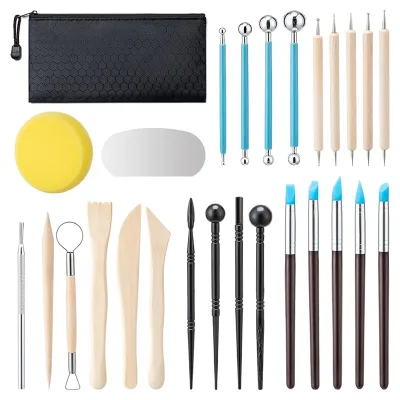
![🇸🇬 [New Product Sale] 56 Piece Set of Soft Clay Auxiliary Tools Cut Round Mould DIY Clay Tools](https://img.lazcdn.com/g/p/06c1ff11cb7a319c15e10d5f3ea50519.jpg_400x400q80.jpg_.webp)
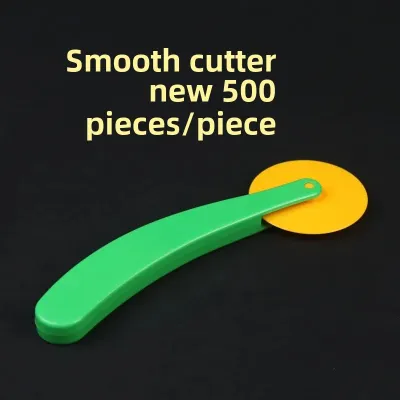
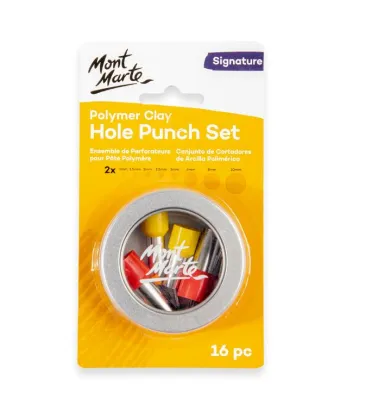
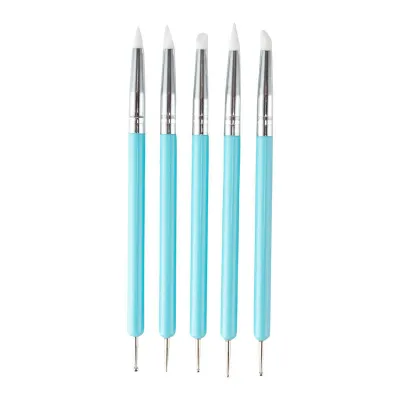
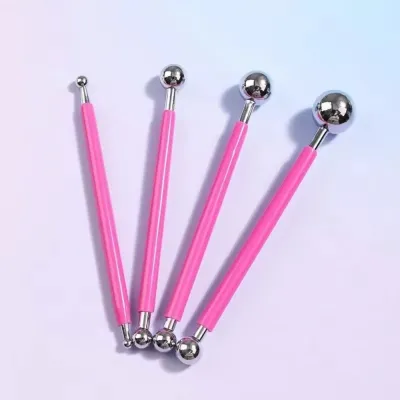
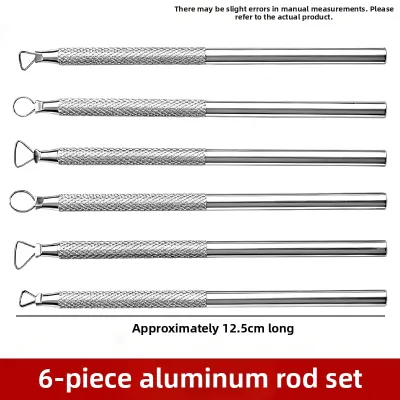
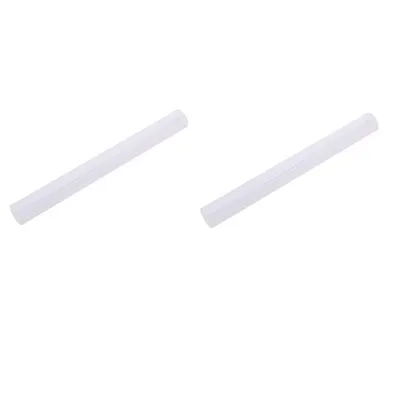
Prices are valid at publication and may change. Please refer to the product page for the latest price.
Another indispensable tool is the wire clay cutter, which consists of a strong wire attached to two wooden toggle handles. This tool is used to slice clean, even portions from a large block of clay without compressing or distorting the material. Alongside the wire cutter, an acrylic roller or rolling pin is crucial for flattening clay into uniform sheets. Beginners should opt for solid acrylic rollers rather than wooden ones, as acrylic provides a perfectly smooth surface that will not leave unwanted wood grain textures on your clay.
Compatibility with your chosen clay medium is a critical factor when selecting a tool set. If you are working with air-dry clay, your tools will frequently come into contact with water, which is used to smooth out surface cracks as the clay dries. For this medium, plastic or sealed wooden tools are ideal, as unsealed wood can absorb moisture, swell, and eventually warp or split.
Polymer clay, on the other hand, contains chemical plasticizers that can react negatively with certain types of cheap plastics, causing the tools to become sticky or degrade over time. When working with polymer clay, look for sets that feature stainless steel, glass, or high-density acrylic tools. For traditional ceramic clay, which is highly abrasive due to the presence of fine sand and minerals, you will need sturdy metal loop tools to carve away excess material, along with dense synthetic sponges to manage moisture levels on the clay surface.
Storage and cleanup are equally important considerations for home crafters in Singapore. Because dedicated studio space is rare in typical residential layouts, a beginner set should support easy organization and maintenance. Look for tool sets that come packaged in a compact canvas roll, a zippered pouch, or a hard plastic case. This not only keeps your workspace tidy but also protects the delicate tips of your tools from damage and prevents sharp implements from posing a safety hazard when stored in shared household drawers.
How to Evaluate the Quality of Beginner Clay Tools
Before purchasing a clay tool set, it is important to inspect the materials and construction of the individual pieces to ensure they are durable and safe to use. When evaluating wooden tools, run your fingers along the entire surface to check for smoothness. High-quality wooden tools are typically crafted from dense hardwoods like boxwood, which are finely sanded and sealed to prevent splinters and resist moisture. Avoid sets with rough, unvarnished wooden handles, as these can snag the clay, absorb oils, and harbor mold in Singapore’s humid environment.

For plastic tools, closely examine the edges where the two halves of the mold meet during manufacturing. Cheaply made plastic implements often have sharp ridges, known as flashing or burrs, along these seams. These imperfections will leave unwanted scratches and lines on your clay projects, requiring extra time to smooth out. High-quality plastic tools feature seamless, rounded edges that glide effortlessly over the clay.
Metal components, such as the loops on carving tools or the tips of detailing needles, require careful inspection at the connection points. The metal head should be securely joined to the handle using a tight, crimped metal band called a ferrule. If you can wiggle the metal tip or if there is visible space between the ferrule and the handle, the tool is likely to wobble during use and may eventually break under pressure. Opt for stainless steel or brass fittings, which offer excellent rust resistance and structural integrity.
Ergonomics play a vital role in how comfortable you will feel during extended crafting sessions. Hold the tools in your hand as if you were writing with a pen; the handle should feel balanced, neither too top-heavy nor too light. Handles that are extremely thin can cause hand cramping, while overly thick handles limit your precision. A comfortable grip allows you to apply consistent pressure without straining your wrist or fingers.
Finally, always verify the manufacturer’s specifications and safety labels on the packaging. This is especially important if you are purchasing clay tools for children or teenagers. Many professional-grade sculpting sets contain sharp needle tools, fine wire loops, and metal blades that are unsuitable for younger crafters. Look for age-appropriateness guidelines and non-toxic material certifications to ensure the set matches the skill level and safety requirements of the user.
Pre-Packaged Sets vs. Building a Custom Starter Kit
When starting your clay crafting journey, you must decide whether to purchase a pre-packaged beginner set or assemble a custom kit by buying individual tools. Pre-packaged sets are highly popular because they offer immediate convenience and excellent cost-effectiveness. A basic, multi-piece starter set in Singapore typically ranges from S$10 to S$30, providing all the essential shapes and cutters in a single purchase. This is an ideal option for absolute beginners who want to explore the medium without committing a significant amount of money upfront.
However, pre-packaged bundles often include redundant tools that you may rarely use, and the overall material quality of the individual pieces in cheap kits can be lower. Building a custom starter kit allows you to bypass these drawbacks by selecting only the specific, high-quality tools required for your intended projects. For example, if you plan to focus solely on making polymer clay jewelry, you can skip heavy ceramic loop tools and instead invest your budget in a single premium acrylic roller, a high-grade tissue blade, and a set of stainless steel ball styluses.
While assembling a custom kit from individual pieces will generally result in a higher initial expenditure—often totaling S$30 to S$50 for a few premium items—the durability and performance of these tools are significantly superior. High-quality tools feel better in the hand, produce cleaner results, and rarely need to be replaced.
For most beginners, a balanced approach works best: start with an affordable, well-reviewed pre-packaged set to learn the basics and identify which tools you use most frequently. As your skills progress and your projects become more complex, you can gradually replace your most-used tools with professional-grade individual pieces, building a highly personalized kit over time without a large upfront financial burden.
Where to Source Clay Tools and Craft Supplies in Singapore
Finding reliable sources for clay tools in Singapore involves exploring both physical retail stores and online marketplaces. Visiting established local art and stationery supply stores, particularly those located in cultural districts like Bras Basah Complex or major shopping malls, offers a distinct advantage. Shopping in person allows you to physically handle the tools, test their weight, inspect the wood grain for splinters, and verify the tightness of the metal ferrules before making a purchase. Retail staff in these specialized stores can also offer valuable advice on tool compatibility with different clay brands.
If you prefer the convenience of online shopping, e-commerce platforms and official brand storefronts provide access to a vast array of international sculpting brands and specialized tools. When navigating online marketplaces, it is crucial to protect yourself from low-quality counterfeits by checking seller ratings and reading customer reviews. Look for detailed feedback regarding the durability of the tools, the quality of the packaging, and whether the items arrived in good condition. Always verify the seller’s return and refund policies in case the tools are damaged during transit.
When ordering specialized or international craft tools online, keep shipping costs and delivery times in mind. Some overseas sellers offer very low prices but charge high shipping fees that can exceed the value of the tools themselves. Additionally, consider the environmental conditions during shipping; items sent via slow sea mail can spend weeks in hot, humid cargo containers, which can warp cheap wooden handles or degrade the adhesives holding metal tips in place. Opting for tracked air mail or purchasing from local distributors ensures your tools arrive quickly and in optimal condition.
Frequently Asked Questions (FAQ)
What type of clay is most forgiving for beginners using basic tool sets?
For beginners working with basic tool sets, polymer clay and air-dry clay are the two most accessible options, each offering unique advantages. Polymer clay is exceptionally forgiving because it does not dry out when exposed to air, allowing you to work on a sculpture over several days without rush. It responds beautifully to fine metal detailing tools, ball styluses, and acrylic rollers, and it can be cured in a standard home oven.
Air-dry clay is also highly beginner-friendly as it requires no baking or firing, drying naturally over 24 to 48 hours. It is easy to shape using basic plastic or wooden modeling tools, and any surface cracks can be easily repaired by smoothing them over with a damp finger or sponge. However, because air-dry clay begins to harden as you work, you must keep your unused clay sealed and work relatively quickly compared to polymer clay.
How should I clean and store my clay tools to prevent damage?
Proper maintenance is essential to extend the lifespan of your clay tools and prevent damage. After each crafting session, wipe away any wet clay residue from your tools using a damp microfiber cloth or a soft sponge. For stubborn, dried-on clay, gently scrub the tools with a soft-bristled brush and warm, soapy water. Avoid soaking wooden tools in water, as the wood will absorb moisture, swell, and eventually crack or separate from the metal ferrules.
Once cleaned, dry all metal tools thoroughly with a clean towel to prevent rust and oxidation. Store your tools in a dry, well-ventilated organizer, such as a canvas tool roll or a plastic storage box, away from direct sunlight and extreme heat. In Singapore’s humid climate, placing a small silica gel packet inside your tool storage container is an effective way to absorb excess moisture and protect metal components from rusting over time.

Community discussion
Share your experience or ask a question. Comments are reviewed before publication.