
Selecting the correct cardboard box size is a balancing act between the physical dimensions of your items, their total weight, and the specific demands of your task. A box that is too large for heavy items becomes difficult to lift safely, while a box that is too small or weak for shipping can collapse under the weight of other parcels. By matching your specific scenario—whether it is a household move, parcel shipping, or long-term storage—to the appropriate box dimensions and structural ratings, you can protect your belongings and avoid unnecessary costs.
To make an informed decision, you must look beyond the simple length, width, and height of a carton. You need to evaluate the structural integrity of the cardboard, the weight distribution of your items, and how the boxes will be handled or stacked. Taking a systematic approach to selecting your packaging materials ensures that your items arrive at their destination or remain in storage completely intact.
Understanding Cardboard Box Types and Strength
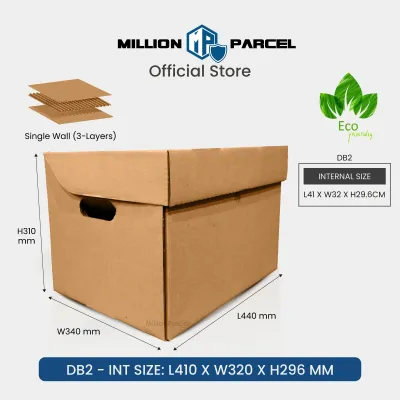
Cardboard boxes are not all manufactured the same way, and their strength is determined by their corrugated construction. Corrugated fiberboard consists of a fluted paper sheet sandwiched between flat linerboards. Single-wall cardboard features one layer of fluting between two liners, making it lightweight and highly flexible for standard retail items or light shipping. Double-wall cardboard adds a second layer of fluting and an extra liner, which significantly increases its puncture resistance and stacking strength, making it suitable for heavy or fragile items.
Products mentioned in this guide
Prices are valid at publication and may change. Please refer to the product page for the latest price.
When selecting a box, you should inspect the bottom flaps for a circular stamp known as the Box Maker’s Certificate (BMC). This stamp provides critical specifications, including the Edge Crush Test (ECT) rating or the burst strength. The ECT rating measures the box’s ability to withstand vertical crushing pressure, which is essential if you plan to stack boxes on top of one another. A higher ECT rating indicates a stronger box that can support more vertical weight without buckling.
The thickness of the box is also determined by its flute profile, which ranges from thick A-flutes to ultra-thin F-flutes. Standard shipping and moving boxes typically utilize B-flutes or C-flutes, which offer a practical balance of cushioning and structural rigidity. For heavy-duty applications or long-distance transit, double-wall boxes combining B and C flutes provide the robust protection needed to withstand rough handling and high stacking loads.
Matching Box Sizes for Household Moving
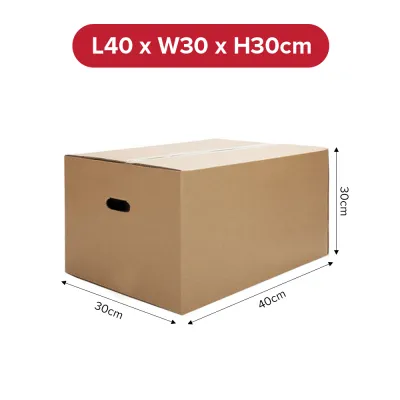
During a household move, the primary goal is to distribute weight evenly so that each box remains manageable for lifting and carrying. A common mistake is packing heavy items into large boxes, which often leads to bottom blowouts or physical strain. To prevent this, you should reserve small boxes (typically around 30 x 30 x 30 cm) for dense, heavy items such as books, tools, canned goods, and heavy kitchen appliances.

Medium boxes (approximately 45 x 45 x 40 cm) serve as the workhorses of any household move. These versatile containers are ideal for moderate-weight items, including pots and pans, toys, shoes, folded clothing, and small electronics. By mixing slightly heavier items at the bottom with lighter items on top, you can maximize the space inside a medium box without exceeding safe lifting limits.
Large and extra-large boxes (60 x 60 x 45 cm or larger) must be reserved strictly for bulky, lightweight household goods. Items such as pillows, duvets, winter coats, blankets, and large plastic toys are highly suitable candidates for these spacious cartons. Packing heavy items into these large volumes makes the box structurally unstable and highly difficult to maneuver through doorways or down staircases.
For items that do not fit standard dimensions, specialty boxes offer targeted protection. Wardrobe cartons feature a built-in metal hanging bar, allowing you to transfer clothes directly from your closet without folding them. Dish-pack crates utilize double-wall construction and customizable cardboard dividers to isolate fragile glassware and plates, preventing them from knocking against each other during transit.
Optimizing Box Sizes for Parcel Shipping
When preparing items for parcel shipping, selecting a snug-fitting box is key to minimizing shipping fees and protecting your contents. A box with excessive empty space requires a large amount of void fill, such as bubble wrap or packing paper, to prevent the items from shifting. Shifting items are highly susceptible to damage, and loose void fill can settle during transit, leaving your products vulnerable to external impacts.
Courier services calculate shipping costs using either the actual weight of the package or its dimensional weight, whichever is greater. Dimensional weight, also known as volumetric weight, is a pricing model that reflects the amount of space a package occupies on a delivery vehicle. If you choose an oversized box to ship a lightweight item, you will be charged higher shipping rates based on the box’s volume rather than its actual weight.
Before dispatching a parcel, you must verify that the outer box is in pristine condition, free from punctures, tears, or soft corners. For international shipping or high-value items, courier guidelines often require double-wall corrugated boxes to withstand the mechanical sorting systems and multiple transit legs. Checking these requirements beforehand ensures your package is not rejected by the courier or damaged during its journey.
Selecting Cartons for Long-Term Storage
Long-term storage requires boxes that can maintain their structural integrity under continuous pressure and environmental exposure. To maximize your storage space and ensure safety, you should prioritize uniform box sizes. Stacking boxes of identical dimensions creates a stable, interlocking column that distributes weight evenly, whereas mixing different sizes can lead to leaning stacks that are prone to tipping over.
Environmental factors play a significant role in the lifespan of cardboard boxes, particularly in humid climates like Singapore. Standard cardboard readily absorbs moisture from the air, which softens the fibers and drastically reduces its stacking strength over time. If you are storing items in non-climate-controlled environments, you must monitor the boxes for signs of softening and consider using heavy-duty, moisture-resistant cardboard or transitioning to plastic storage tubs for highly sensitive items.
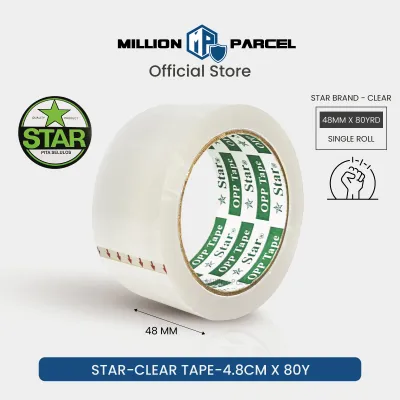
To prevent long-term sagging or seam failure, you should reinforce the bottom seams of your storage boxes with high-quality packaging tape. Avoid over-packing your boxes to the point where the sides bulge, as this compromises their vertical alignment and makes them unstable when stacked. Regularly inspecting your stored cartons allows you to identify any early signs of collapse or moisture damage before your belongings are affected.
Cross-Scenario Compatibility and Packing Essentials
Many packing situations allow you to reuse boxes across different scenarios, provided the cartons remain structurally sound. A high-quality, medium-duty box used during a household move can easily transition into a storage container or a shipping box for larger items. When saving boxes for future use, store them flat in a dry, pest-free environment to preserve their strength and cleanliness.
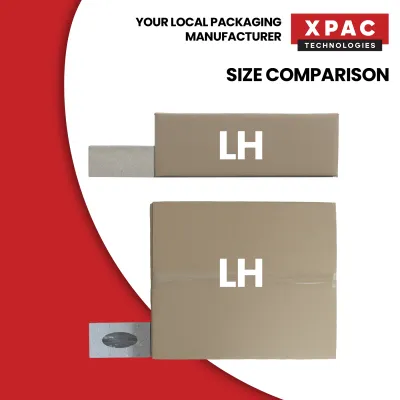
Regardless of the scenario, proper sealing techniques are essential for securing your cardboard boxes. The “H-tape” method is the industry standard for sealing both the top and bottom seams of a carton. To apply this method, run a strip of tape down the center seam where the flaps meet, and then apply additional strips along the exposed side edges to form the letter “H”. This seals all open seams, preventing dust entry and reinforcing the box’s structural corners.
Finally, choosing the right void fill is just as important as selecting the box size. For fragile items, bubble wrap provides effective surface protection and shock absorption, while crumpled packing paper is ideal for filling empty pockets in medium-sized boxes. Ensuring that there is no movement inside the box when gently shaken is the ultimate test of a secure pack.
Frequently Asked Questions (FAQ)
How do I calculate the dimensional weight of my parcel?
To calculate the dimensional weight of a parcel, you must multiply the length, width, and height of the box in centimeters, and then divide the result by the courier’s specific dimensional factor. The standard formula is (Length × Width × Height) / Divisor. Because different couriers use different divisors (such as 5000 or 6000 for metric measurements), you should always verify the current divisor and required units of measurement on your courier’s official website before finalizing your packaging.
Is it safe to reuse grocery or supermarket boxes for moving?
Reusing grocery or supermarket boxes carries significant risks that can compromise the safety of your belongings. These boxes have often undergone severe structural fatigue from carrying heavy produce, making them prone to sudden collapse. Additionally, retail boxes may have been exposed to moisture, food spills, or pests, which can transfer unwanted odors or insects to your household goods. If you must reuse them, inspect each box thoroughly to ensure the corners are rigid, the bottom seams are intact, and there are no signs of dampness or contamination.

Community discussion
Share your experience or ask a question. Comments are reviewed before publication.