
Selecting the right bubble wrap requires matching the physical properties of your item—its weight, fragility, and surface finish—to the specific dimensions and structural grades of the packaging material. In Singapore’s bustling e-commerce and shipping landscape, parcels travel through multiple sorting hubs, delivery vans, and handling stages before reaching their destination. Whether you are shipping delicate glassware, sensitive electronics, or heavy household items, selecting the correct bubble wrap size and thickness is your first line of defense against transit damage.
Using the wrong type of wrap can lead to crushed items, scratched surfaces, or unnecessary shipping costs due to oversized packaging. By understanding how bubble diameter, film thickness, and wrapping techniques interact, you can ensure your items arrive safely while keeping your packaging process efficient and cost-effective.
Understand Bubble Wrap Specifications
Decoding the labels on packaging material rolls or online product listings is essential for making an informed purchase. Bubble wrap is primarily categorized by two specifications: bubble diameter and film thickness. Understanding these measurements allows you to select a material that offers the precise level of cushioning your items require.
Products mentioned in this guide
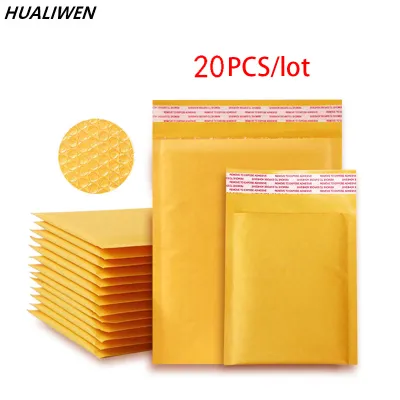
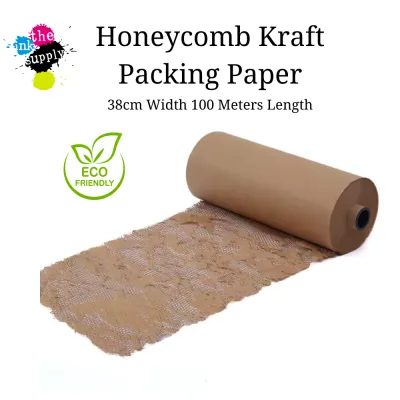
Prices are valid at publication and may change. Please refer to the product page for the latest price.
Bubble diameter typically falls into two main categories. Small bubbles, which generally measure around 10mm in diameter and 3mm to 4mm in height, are designed for close-fitting protection. They are highly flexible, making them ideal for wrapping around tight corners, handles, and irregular shapes. Large bubbles, usually measuring between 25mm and 32mm in diameter and up to 12mm in height, provide a much thicker cushion of air. This extra volume is essential for absorbing heavy impacts and filling large empty spaces inside shipping boxes.
Film thickness and layer count also dictate the strength of the wrap. Standard bubble wrap features a single layer of plastic backing with bubbles protruding on one side. This style is lightweight and flexible, making it suitable for light to medium-weight items. Heavy-duty bubble wrap, often referred to as double-layer or co-extruded wrap, features a second layer of plastic film laminated over the bubbles. This sandwiches the air pockets between two flat sheets, significantly increasing puncture resistance and preventing the bubbles from popping under heavy loads.
When comparing manufacturer specifications, pay close attention to the roll dimensions and the plastic gauge. Roll widths typically range from 300mm for small items to 500mm or more for larger goods. The thickness of the plastic film is often measured in microns (µm). A higher micron rating indicates a thicker, more durable plastic barrier that resists tearing during handling, which is particularly important for items with sharp edges or rough surfaces.
Match Bubble Wrap to Item Fragility and Weight
Different categories of shipped goods require specific bubble wrap variants to ensure adequate protection. Matching the weight and fragility of your item to the correct wrap prevents under-packaging, which leads to damage, and over-packaging, which increases shipping costs.

Lightweight and highly fragile items, such as glassware, porcelain figurines, handmade ceramics, and cosmetics, require meticulous surface protection. For these items, small bubble wrap is the most effective choice. The small, dense air pockets distribute pressure evenly across delicate surfaces, preventing scratches and minor chips. Because these items are light, they do not exert enough force to pop the small bubbles, allowing the wrap to maintain its protective cushion throughout transit.
Medium-weight electronics and appliances, including laptops, tablets, cameras, and internal computer components, require a balance of physical cushioning and electrostatic protection. Standard plastic bubble wrap can generate static electricity through friction during transit, which can permanently damage sensitive electronic circuits. To prevent this, look for anti-static bubble wrap, which is typically tinted pink. This specialized material is treated to dissipate electrostatic charges, protecting your devices. Always check the device manufacturer’s packaging guidelines to verify if anti-static materials are required.
Heavy or bulky items, such as wooden furniture parts, metal hardware, heavy tools, and mechanical components, present a different challenge. The sheer weight of these items will easily crush small bubbles, leaving the item unprotected against the hard walls of the shipping box. For these goods, heavy-duty, large-bubble wrap is essential. The larger air pockets provide the necessary resistance to absorb heavy shocks and distribute the weight of the item over a wider surface area, preventing the plastic from bottoming out.
Step-by-Step Guide to Wrapping and Securing Items
Proper application of your chosen bubble wrap is just as important as selecting the right specifications. Following a systematic wrapping process ensures the material performs as intended and keeps your items secure throughout their journey.
First, prepare the item by ensuring it is completely clean and dry. Wipe away any dust, grit, or moisture, as these particles can act as abrasives when pressed against the item by the bubble wrap. Measure the dimensions of the item to determine how much wrap you will need, ensuring you have enough material to wrap the item completely at least two to three times for optimal protection.
Next, lay the bubble wrap on a flat, clean surface. Place your item on the wrap and roll it smoothly. It is crucial to maintain proper tension; the wrap should be snug enough to stay in place without sliding, but not so tight that you compress or pop the bubbles. The air pockets must remain fully inflated to provide effective shock absorption.
Once the item is wrapped, use high-quality packaging tape to seal all open edges and seams. Avoid applying adhesive tape directly to the surface of the item, as the adhesive can leave a stubborn residue or damage delicate finishes like varnish, paint, or leather. Instead, secure the tape only to the plastic wrap itself, creating a secure, self-contained protective sleeve.
Finally, select a sturdy, double-walled corrugated box that is slightly larger than your wrapped item, leaving at least 5cm of clearance on all sides. Place a layer of bubble wrap or crumpled kraft paper at the bottom of the box before inserting the item. Once the item is centered, fill all remaining empty spaces with supplementary void fill, such as packing peanuts or air pillows, to prevent the item from shifting during transit.
Common Mistakes to Avoid When Using Bubble Wrap
Even with the right materials, simple packing errors can compromise the safety of your items. Being aware of these common mistakes helps you avoid transit damage and ensures your packaging materials work effectively.
One frequent error is using insufficient layers of wrap. A single layer of small bubble wrap is rarely enough to protect fragile items from the rigorous sorting processes of modern courier networks. Always apply multiple layers, especially on corners and edges where impacts are most likely to occur.
Another mistake is taping directly onto fragile surfaces. This often results in damaged items during the unboxing process, as receivers try to peel or scrape the tape away. Always use a protective barrier, such as acid-free tissue paper or the bubble wrap itself, between the adhesive tape and the item’s surface.
Over-tightening the wrap is also counterproductive. Pulling the plastic film too tightly forces the air out of the bubbles, rendering the material useless. The wrap should cradle the item, not strangle it. Keep the tension firm but gentle to preserve the integrity of the air pockets.
Lastly, ignore environmental and transit factors at your own peril. Singapore’s tropical climate features high humidity and elevated temperatures, particularly inside delivery vans and cargo containers. Standard low-grade adhesives on cheap packaging tapes can soften and lose their grip under these conditions, causing the wrapping to unravel. Investing an extra S$2 to S$5 in high-quality, temperature-resistant acrylic or hot-melt packaging tape ensures your parcel remains securely sealed throughout its journey.
Frequently Asked Questions (FAQ)
Can I reuse bubble wrap for shipping fragile items?
Yes, bubble wrap can be reused, but only after a careful inspection of its condition. Examine the roll or sheet for popped bubbles, deflated sections, and tears in the plastic film. If a significant portion of the bubbles are flat, or if the plastic has stretched and lost its structural tension, the material will no longer provide adequate cushioning. You can still use deflated wrap as light void fill for non-fragile items, but always use fresh, fully inflated bubble wrap for delicate goods.
Does the orientation of the bubbles matter when wrapping?
Yes, bubble orientation plays a key role in protection. For most items, the bubbles should face inward, touching the item’s surface. This allows the individual air pockets to cradle the item and absorb direct impacts, while the flat outer backing resists external punctures. However, if you are wrapping an item with an extremely delicate, highly polished, or painted surface that might be marked by the circular pattern of the bubbles, wrap the item in acid-free tissue paper first, or turn the bubbles outward so the smooth flat backing rests against the item.

Community discussion
Share your experience or ask a question. Comments are reviewed before publication.