
Selecting the right protective packaging requires matching the physical properties of your item to the correct bubble wrap specifications. To safeguard fragile goods during transit or storage, you must evaluate both the bubble diameter and the material thickness. Choosing incorrectly can lead to surface scratches, crushed corners, or broken items, while the right combination ensures your valuables arrive intact.
This guide explains how to interpret packaging specifications, select the appropriate bubble size and thickness, and apply effective wrapping techniques for common fragile items.
Understanding Bubble Wrap Specifications
To make an informed decision when purchasing packaging materials, it helps to understand the technical terms used by manufacturers. Bubble wrap is primarily categorized by two dimensions: bubble diameter and material thickness. Understanding these specifications allows you to select a wrap that provides the exact level of protection your items require.
Products mentioned in this guide
![91m/20m/10m BubbLest™ [FREE PENKNIFE] Bubble Packaging Material Direct Singapore Manufacturer | Clingwrap | Plasticwrap | Cling Wrap | Plastic Wrap | Bubble Roll |](https://img.lazcdn.com/g/p/118908581c7285d2410f3d4422311ca0.png_400x400q80.png_.webp)
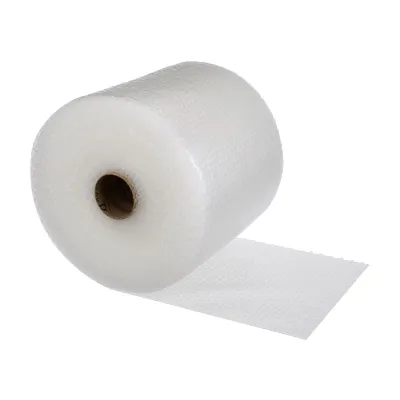
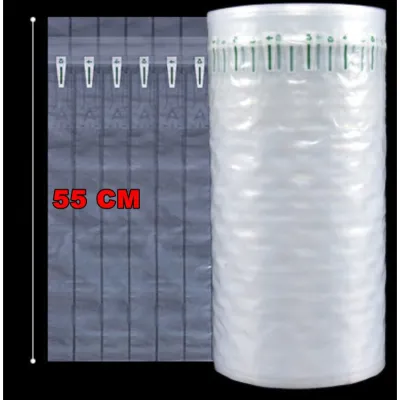
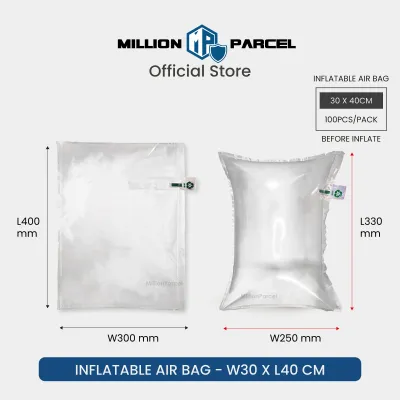
Prices are valid at publication and may change. Please refer to the product page for the latest price.
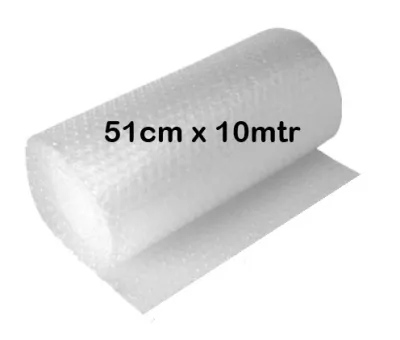
Bubble diameter refers to the physical size of the individual air pockets. These typically fall into three main categories: small, medium, and large. Small bubbles are comparable in size to a pea, medium bubbles resemble a marble, and large bubbles are closer in size to a large coin. The diameter directly determines how much space the wrap occupies and how well it conforms to complex shapes.
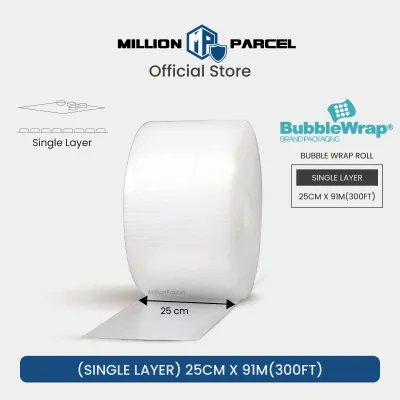
Material thickness is measured in microns or mils (one-thousandth of an inch). Thicker plastic films offer higher resistance to punctures and tearing, which is crucial when wrapping items with sharp edges. Additionally, bubble wrap is available in single-layer and double-layer structures. Single-layer wrap features air bubbles projected from a single flat plastic backing, while double-layer wrap sandwiches the air bubbles between two flat sheets of plastic for enhanced durability.
These specifications dictate whether a wrap is better suited for shock absorption or surface protection. Larger bubbles and double-layer structures excel at absorbing heavy impacts and filling empty spaces in shipping boxes. Thinner, single-layer wraps with small bubbles are designed primarily to prevent surface scratches and abrasions on delicate finishes.
Choosing the Right Bubble Size for Your Items
Matching the bubble diameter to the size and weight of your item is essential for effective cushioning. Using the wrong bubble size can compromise the structural integrity of the packaging and leave your items vulnerable to damage.

Small bubbles are the ideal choice for lightweight items and delicate surfaces. Because they are small and flexible, they can be wrapped tightly around intricate shapes, such as small porcelain figurines, cosmetics, or delicate glassware. This tight fit prevents the material from shifting, offering excellent protection against scratches and minor surface impacts without adding unnecessary bulk to your shipping box.
Medium to large bubbles are necessary for heavier, larger objects that require substantial shock absorption. Items like kitchen appliances, large ceramic vases, and heavy electronic equipment benefit from the deeper air cushion provided by larger bubbles. These larger sizes also serve as excellent void fill, preventing items from sliding around inside a moving box during transit.
Using large bubbles on small, delicate items carries significant risk. Because large bubbles have a wider surface area, a small object may only make contact with one or two bubbles. This uneven pressure distribution means that any external impact is concentrated on a very small area of the item, which can lead to cracks or breakage. For small items, a consistent, snug wrap with small bubbles is always safer.
Selecting the Correct Thickness and Layer Count
Beyond bubble size, the thickness of the plastic film and the number of layers determine how well the wrap resists compression and tearing under pressure.
Standard single-layer bubble wrap is highly effective for basic retail packaging, lightweight goods, and short-distance transport. If you are packing household goods for a local move within Singapore, standard single-layer wrap provides sufficient protection against the typical bumps of domestic handling. It is lightweight, easy to manipulate, and cost-effective.
For items with sharp corners, heavy ceramics, or goods undergoing long-distance international shipping, upgrading to a heavy-duty or double-layer wrap is highly recommended. The additional plastic layer prevents the bubbles from popping when subjected to constant pressure or sharp edges. This ensures the cushioning remains intact throughout a prolonged journey involving multiple transit points.
When choosing thicker materials, consider the trade-offs regarding package volume and cost. Heavy-duty and double-layer wraps are stiffer and bulkier, which can increase the overall dimensions of your shipping box. In international shipping, larger box dimensions can lead to higher shipping fees based on dimensional weight. Additionally, heavy-duty wraps generally carry a higher initial purchase cost in S$, so it is practical to reserve them for truly high-value or highly vulnerable items.
Packing Guide for Common Fragile Items
Applying these specifications to real-world packing scenarios ensures your items receive optimal protection. Different categories of fragile goods require distinct wrapping strategies.
For glassware and ceramics, prioritize complete surface contact and edge cushioning. Wrap each piece individually with small bubble wrap to prevent item-to-item collision. For hollow items like cups or bowls, fill the interior cavities with crumpled packing paper or small bubble wrap to reinforce them from within. Line the bottom and sides of the shipping box with a layer of large bubble wrap to act as a shock-absorbing barrier.
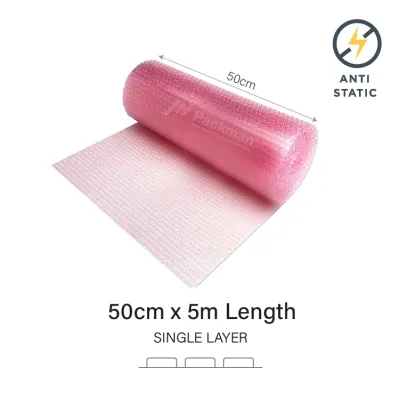
Electronics and screens require specialized protection to prevent both physical damage and static electricity. Use anti-static bubble wrap, which is typically pink, to wrap sensitive components like circuit boards, laptops, or tablets. This material prevents the buildup of electrostatic discharge that can ruin internal circuitry. Wrap screens snugly with small bubbles to prevent scratches, and add an outer layer of medium bubbles for impact resistance.
Framed art and mirrors require a combination of corner protection and glass stabilization. Begin by placing cardboard corner protectors on the frame. Wrap the entire item in medium or large bubble wrap to absorb shocks that could cause the glass to shatter or the frame to dent. Always pack and store framed art vertically rather than flat, as vertical alignment naturally distributes weight more safely.
Before sealing your package, perform a quick pre-seal verification:
- Wrap Check: Ensure no part of the fragile item is exposed or touching the box walls directly.
- Tape Security: Secure all loose ends of the bubble wrap with high-quality packaging tape so it cannot unravel.
- Void Fill: Gently shake the box before sealing. If you hear or feel any movement, add more bubble wrap or packing paper to fill the empty spaces until the contents are completely secure.
Frequently Asked Questions (FAQ)
Does the color of the bubble wrap indicate its thickness or protective level?
No, the color of bubble wrap does not indicate its physical thickness or protective strength. Standard bubble wrap is clear. Pink bubble wrap indicates that the material has been treated with an anti-static agent, making it safe for wrapping electronic components. Green or tinted wraps often signify that the product is made from recycled plastics. To determine the actual protective level, always refer to the manufacturer’s specifications regarding micron or mil thickness.
Should the bubbles face inward or outward when wrapping fragile items?
The bubbles should always face inward, directly against the surface of the item you are protecting. The individual air pockets are designed to cradle the object and absorb shocks at the point of contact. Placing the flat side against the item reduces the cushioning effect and allows the wrap to slip more easily, which increases the risk of surface scratches during transit.

Community discussion
Share your experience or ask a question. Comments are reviewed before publication.