
Selecting the right bubble wrap sheet is a critical step in ensuring your items survive transit without scratches, cracks, or structural failure. Rather than treating all bubble wrap as a one-size-fits-all solution, matching the sheet’s specifications to your item’s weight, fragility, and dimensions is key to damage-free delivery. By understanding how bubble sizes and sheet thicknesses function, you can optimize your packaging process for maximum protection and minimal waste.
Key Specifications to Check Before Buying Bubble Wrap
Before purchasing bubble wrap sheets, it is essential to understand the three primary decision dimensions: bubble diameter, sheet thickness or gauge, and overall sheet dimensions. These specifications directly dictate how well the packaging material will perform under different physical stresses during transit and handling.
Bubble diameter is typically categorized into three main sizes: small, medium, and large. Small bubbles, generally measuring around 6mm in diameter and 3mm in height, are designed primarily for surface protection and scratch prevention. Medium bubbles, measuring approximately 10mm in diameter and 4mm in height, offer a versatile middle ground for general cushioning. Large bubbles, which are about 25mm in diameter and 12mm in height, provide deep shock absorption for heavier, larger items.
Products mentioned in this guide
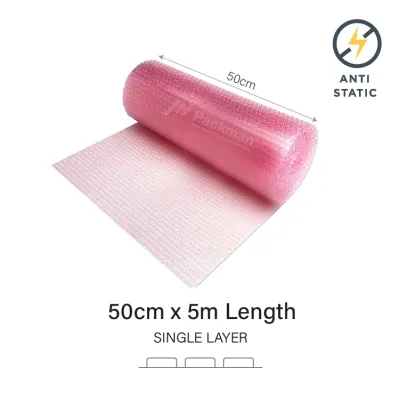
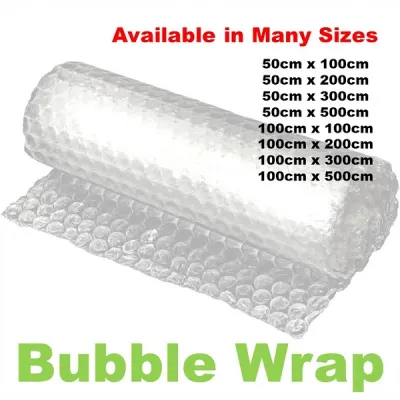
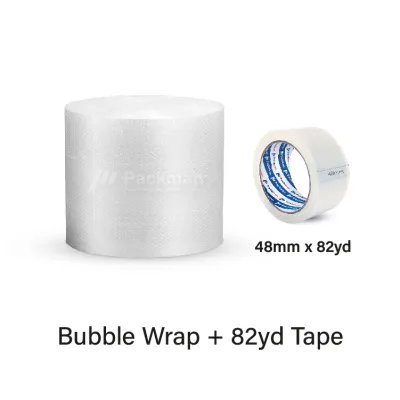
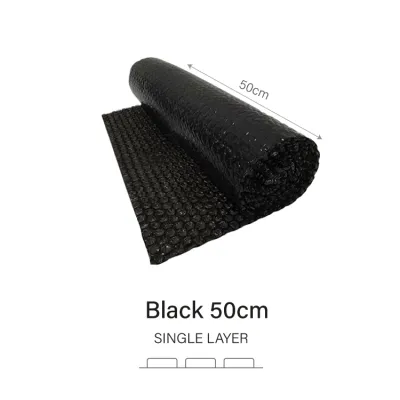
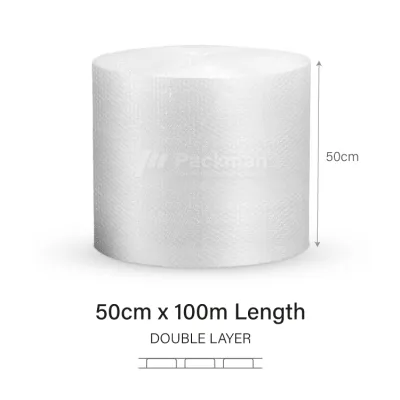
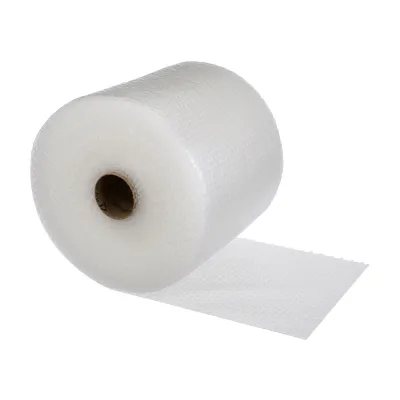
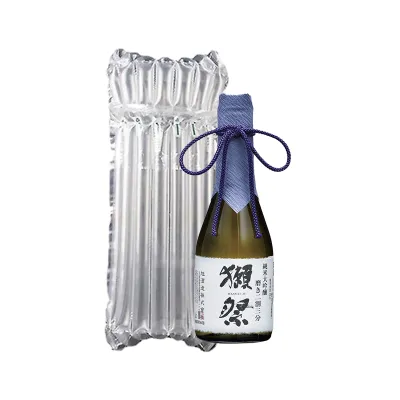
Prices are valid at publication and may change. Please refer to the product page for the latest price.
Bubble size directly influences the trade-off between surface protection and shock absorption. Smaller bubbles conform exceptionally well to delicate, intricate surfaces, distributing contact pressure evenly and preventing scratches on polished finishes. Conversely, larger bubbles provide a thicker cushion of air that absorbs high-energy impacts from drops or bumps, but they are too bulky to wrap tightly around small or complex geometries.
Sheet thickness, often referred to as the gauge or weight of the plastic, determines how much pressure the bubbles can withstand before popping. Standard-duty sheets are suitable for lightweight items, whereas heavy-duty sheets feature thicker plastic barriers that resist punctures and prevent premature deflation under heavy loads. High-quality sheets often utilize co-extruded polyethylene layers, which retain air significantly longer than low-cost single-layer alternatives.
Finally, evaluate the overall sheet dimensions and format. Pre-cut bubble wrap sheets offer a highly convenient, ready-to-use option that eliminates the need for cutting tools, which is particularly useful in space-constrained environments like Singapore apartments where packing space is limited. To determine the correct sheet size, use a simple formula: the sheet width should equal the item’s width plus twice its height, plus an additional five centimeters to allow for a secure overlap.
Matching Bubble Wrap Sheets to Your Packaging Scenarios
To pack efficiently and sustainably, you must match the physical characteristics of the cushioning medium to the vulnerability and mass of the object. Selecting the wrong profile can lead to preventable damage during transit, regardless of how many layers you apply.

The primary goal of this matching process is to prevent both surface abrasion and structural damage. Surface abrasion occurs when an item rubs against the packaging material or other items, while structural damage is caused by sudden impacts or crushing forces. Choosing the correct bubble profile ensures that both risks are mitigated simultaneously.
Lightweight and Highly Fragile Items (Glassware, Ceramics, Electronics)
Delicate items such as glassware, porcelain tableware, and small decorative ceramics require meticulous surface protection combined with moderate shock absorption. For these items, small to medium bubble wrap sheets are highly recommended. The smaller bubble profile prevents the plastic from leaving localized circular pressure marks or indentations on highly polished or glazed surfaces during prolonged transit.
When wrapping highly fragile items, using multiple layers of small bubble wrap is far more effective than using a single layer of larger bubbles. Wrapping an item in two or three layers of small bubble sheets distributes external pressure evenly across the entire surface area, minimizing localized stress points. This technique ensures that even if one bubble pops, adjacent bubbles continue to protect the item.
For sensitive electronics, circuit boards, and internal computer components, static electricity poses a silent but highly destructive threat. Standard plastic bubble wrap can generate electrostatic discharge (ESD) during handling and shipping, which can permanently damage sensitive circuitry. In these scenarios, it is critical to use anti-static bubble wrap sheets, which are typically pink and treated with an antistatic agent to dissipate static charges safely.
Standard Household Goods and Medium-Weight Items
Standard household goods, including hardback books, framed pictures, small kitchen appliances, and non-fragile home decor, require reliable, general-purpose cushioning. Medium-sized bubbles (approximately 10mm in diameter) serve as the most versatile option for these everyday items. They provide a balanced profile that fits comfortably inside standard shipping boxes without occupying excessive volume.
These medium bubbles conform reasonably well to flat and slightly curved surfaces while offering sufficient air volume to absorb typical drops, vibrations, and shifts that occur inside delivery vehicles. When packing books, corner damage is the primary risk; wrapping them with medium bubble sheets that extend slightly past the edges creates a natural bumper that absorbs corner impacts.
This medium profile strikes an excellent balance between material cost and protective performance. It is the go-to standard for general-purpose shipping and domestic relocations, ensuring that items remain secure without requiring specialized packaging materials for every individual object.
Heavy, Bulky, or Oddly Shaped Items
Heavier items, such as large metal tools, heavy kitchen appliances, or bulky wooden furniture components, generate significantly higher kinetic energy when dropped or shifted. To protect these items, you should select large bubble wrap sheets paired with a heavy-duty thickness gauge. The substantial volume of air trapped within large bubbles acts as a deep cushion, absorbing high-energy impacts that would easily flatten smaller bubbles.
Vulnerable areas, such as sharp corners, protruding handles, and delicate edges, require targeted reinforcement. Wrap these areas with several extra layers of bubble wrap, or secure them with rigid corrugated cardboard corner inserts before wrapping the entire item. This prevents the sharp edges from puncturing the plastic and deflating the bubbles.
It is important to note that bubble wrap sheets should not be relied upon as the sole protective layer for extremely heavy items. Under immense weight, even heavy-duty bubbles can burst or slowly deflate over time. For heavy machinery or heavy cast-iron items, combine bubble wrap with supplementary edge protectors, foam blocks, or wooden crates.
Practical Wrapping Techniques to Maximize Cushioning
Even the highest-quality bubble wrap sheet will fail to protect your item if it is applied incorrectly. The most fundamental rule of wrapping is the orientation of the bubbles: the bubble side should always face inward, directly touching the item. This configuration allows the individual air pockets to cradle the item’s contours, maximizing shock absorption and preventing the smooth outer surface from sliding against the product. The flat plastic side should face outward, providing a smooth surface that is easy to tape, label, and slide into shipping boxes.
When securing the wrapped item, use high-quality packing tape applied firmly but without excessive tension. Pulling the tape too tightly can compress or pop the bubbles, significantly reducing their cushioning capacity. Focus tape application on the seams and open ends of the sheet to create a secure, dust-resistant seal. In Singapore’s humid climate, ensure the plastic surface is completely dry before applying tape, as moisture can compromise the adhesive’s hold over time.
Bubble wrap sheets work best when integrated into a complete packaging system. Once the wrapped item is placed inside the outer shipping box, fill any remaining empty spaces with void fill, such as packing peanuts or crumpled kraft paper. This prevents the item from shifting or sliding during transit, ensuring it remains suspended in the center of the box away from external impact walls.
Specialty and Eco-Friendly Bubble Wrap Options
As environmental sustainability becomes a priority for both businesses and individuals, traditional plastic bubble wrap is often substituted with eco-friendly alternatives. Biodegradable bubble wrap sheets are designed to break down more rapidly in landfill conditions compared to standard polyethylene. Another highly effective alternative is paper-based honeycomb cushioning, which expands to create a protective, shock-absorbing layer using recyclable kraft paper, offering excellent surface protection without the use of single-use plastics.
For electronic components, anti-static (pink) bubble wrap remains the industry standard, preventing electrostatic damage during shipping. This specialized wrap is essential for preventing static build-up when shipping items like computer graphics cards, motherboards, or delicate laboratory sensors.
If you are shipping items that are highly sensitive to temperature fluctuations or UV exposure, such as certain adhesives, chemical compounds, or delicate artworks, consider specialized foil-backed bubble wrap. These sheets combine the physical cushioning of bubble wrap with a reflective metallic barrier that helps maintain a stable internal temperature and blocks harmful light during outdoor storage or transit.
Frequently Asked Questions (FAQ)
Does the bubble side face the item or the outside?
The bubble side should always face inward, directly against the item you are packaging. This position allows the air pockets to conform to the item’s shape and absorb shocks directly, while the flat outer side remains smooth for easy taping and labeling.
Can I reuse bubble wrap sheets for shipping?
Yes, bubble wrap sheets can be reused if they are still structurally sound. Before reusing, inspect the sheet visually and physically; if a significant number of bubbles are popped, flattened, or stretched, the sheet will no longer provide adequate cushioning and should be recycled or discarded.

Community discussion
Share your experience or ask a question. Comments are reviewed before publication.