
Quick Answer: Matching Bubble Wrap Types to Your Packaging Needs
Selecting the right bubble wrap roll depends entirely on what you are packing, how far it is traveling, and how long it will remain wrapped. For quick decisions, match your primary task to these standard configurations:
- Moving House: Opt for large bubble wrap rolls with a bubble height of 10mm to 25mm. These are ideal for wrapping bulky furniture legs, cushioning heavy kitchen appliances, and filling empty spaces in large moving boxes.
- E-commerce Shipping: Use small bubble wrap rolls with a bubble height of 3mm to 5mm. This size provides close-fitting surface protection for lightweight, delicate items like cosmetics, glassware, or small electronics.
- Long-Term Storage: Choose medium or large bubble wrap rolls featuring high-barrier film technology. This ensures the individual air pockets retain their inflation under constant pressure over several months.
Before purchasing, always check the manufacturer’s specifications on the product label for load capacity, film thickness (measured in microns), and roll width to ensure the material matches your specific item weight.
Assessing Your Specific Packaging Scenario
Before buying a bubble wrap roll, evaluate the physical and environmental demands of your items. Fragility and weight are the primary factors that dictate the level of cushioning required.
Products mentioned in this guide
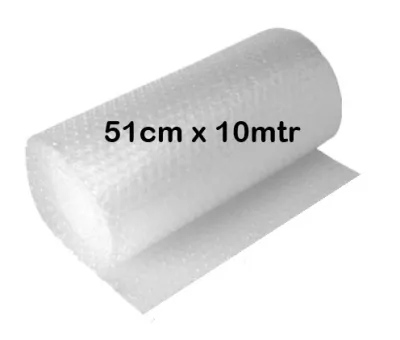
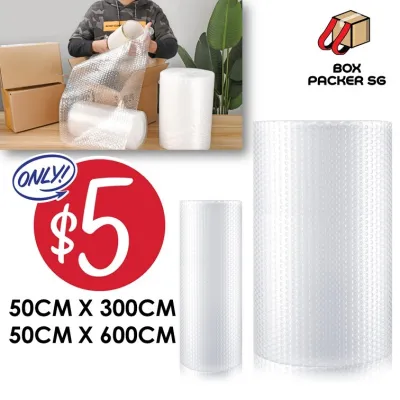
![91m/20m/10m BubbLest™ [FREE PENKNIFE] Bubble Packaging Material Direct Singapore Manufacturer | Clingwrap | Plasticwrap | Cling Wrap | Plastic Wrap | Bubble Roll |](https://img.lazcdn.com/g/p/118908581c7285d2410f3d4422311ca0.png_400x400q80.png_.webp)
![[FAST DISPATCH] Bubble Cushion Sheet Wrap 0.5m x 1m / 50cm x 100cm (Width x Length) Sheet Size](https://img.lazcdn.com/g/p/f6d6cbbe0a9a2a2ed36464b6bb1ffad9.jpg_400x400q80.jpg_.webp)
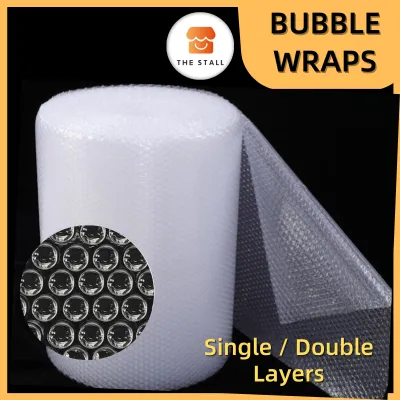
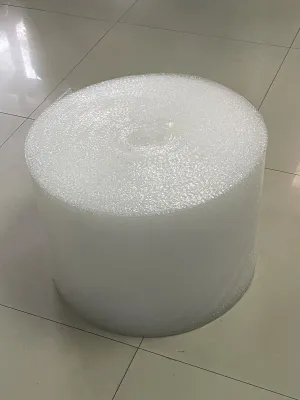
Prices are valid at publication and may change. Please refer to the product page for the latest price.

Lightweight, highly fragile items like porcelain figurines or delicate glassware require dense, multi-layered wrapping with small bubbles. This configuration prevents surface scratches and absorbs minor vibrations during handling.
Heavy items, such as metal tools, large ceramic pots, or solid wood decor, exert high localized pressure. This pressure can easily pop small bubbles, leaving the item unprotected. These goods require thick-gauge plastic and larger bubbles that distribute weight across a wider surface area.
Consider the transit environment. Shipping via local couriers involves multiple sorting hubs, conveyor belts, and potential drops, demanding robust shock absorption. Storage scenarios, by contrast, subject items to static compression over long periods, where air retention under constant weight is critical.
Estimate your volume requirements to avoid running out of material mid-pack or overspending on excess rolls. Measure the surface area of your largest items and multiply by the number of layers required—typically two to three layers for fragile goods—to determine the total length of the roll needed.
Selecting Bubble Size and Roll Dimensions
Bubble wrap rolls generally come in three main bubble profiles, each designed for specific cushioning and surface protection needs.
Small bubbles, measuring approximately 10mm in diameter and 3mm to 4mm in height, are ideal for wrapping delicate items tightly. They prevent scratches, conform easily to odd shapes, and line small shipping boxes without adding excessive bulk.
Medium bubbles, measuring approximately 19mm in diameter and 6mm in height, offer a versatile middle ground. They are suitable for general household items, medium-sized electronics, and moderate shock absorption during local moves.
Large bubbles, measuring approximately 32mm in diameter and 10mm to 12mm in height, are designed for heavy-duty cushioning. They work best for filling large empty spaces inside boxes, preventing items from shifting, and wrapping bulky furniture.
Roll width is another critical dimension that dictates wrapping efficiency. Standard widths range from 300mm to 1000mm.
Using a narrow 300mm roll for a large television requires multiple overlapping passes, which wastes material and creates weak seams. Conversely, using a 1000mm roll for small jewelry boxes is clumsy and leads to unnecessary trimming.
Always verify the exact bubble height and film thickness on the product packaging rather than relying on vague marketing terms like “heavy-duty” or “premium.”
Material Features and Specialized Options
Standard clear polyethylene bubble wrap is suitable for most general applications, but specialized scenarios require specific material properties.
For electronic components, circuit boards, and computer parts, standard plastic can generate static electricity during friction, potentially damaging sensitive circuitry. Anti-static bubble wrap rolls, easily identified by their pink color, dissipate electrostatic charges to protect these items.
High-volume online retail packing often benefits from cohesive or adhesive bubble wrap. Cohesive wrap sticks only to itself, eliminating the need for packing tape, while adhesive wrap clings gently to the product surface to prevent shifting.
Environmental considerations are increasingly important for modern packaging. Many manufacturers now offer eco-friendly bubble wrap rolls made from recycled plastics or oxo-biodegradable materials.
To verify these environmental claims, check the product label for official recycling codes, such as LDPE 4, or certifications from recognized environmental bodies rather than accepting generic green claims.
Practical Tips for Wrapping and Securing Items
To maximize the protective qualities of your bubble wrap roll, always wrap with the bubbles facing inward, touching the item.
The flat backing film should face outward. This configuration allows the individual air pockets to cradle the item directly, absorbing shocks at the point of contact while providing a smooth outer surface that resists tearing.
Secure the wrap using compatible packaging tapes, such as high-tack acrylic or hot-melt adhesive tapes, ensuring the tape is applied only to the flat backing film to avoid leaving adhesive residue on the item itself.
For items with sharp corners or delicate edges, place cardboard edge protectors over the corners before wrapping to prevent the sharp points from puncturing the air bubbles.
Perform a simple physical verification before sealing your shipping box: gently shake the packed box. If you hear or feel the item shifting inside, add more bubble wrap or crumpled paper to fill the remaining void until the item remains completely stationary.
Frequently Asked Questions (FAQ)
Can I reuse bubble wrap from previous deliveries?
Yes, bubble wrap can be reused if it remains physically intact. Inspect the roll or sheet carefully for popped bubbles, deflated sections, or tears, as flat bubbles offer no cushioning.
Ensure the surface is free from dust, moisture, or adhesive residue that could transfer to your items. Reused bubble wrap is excellent for light storage or wrapping non-fragile household items, but new rolls are recommended for high-value shipping where maximum shock absorption is critical.
Does bubble wrap leave marks on furniture or artwork?
Under certain conditions, plastic bubble wrap can trap moisture or react chemically with delicate finishes, leaving unsightly circular marks. This risk is particularly high in warm, humid climates, or during long-term storage in unconditioned spaces.
The plastic can cling to polished wood, leather, or oil paintings, trapping humidity and causing finish clouding or physical sticking. To prevent this, wrap the item in a breathable barrier layer, such as acid-free tissue paper or clean packing paper, before applying the bubble wrap roll.

Community discussion
Share your experience or ask a question. Comments are reviewed before publication.