
Selecting the correct bubble wrap pouch is the difference between an item arriving in pristine condition and a costly, frustrating return process. To choose the right pouch, you must evaluate the item’s weight, fragility, and dimensions, then match these factors to the appropriate bubble size, material thickness, and closure mechanism. By understanding how different pouch specifications interact with transit forces, you can optimize your packaging workflow, reduce material waste, and ensure your shipments survive the journey.
Diagnose Your Item's Fragility and Transit Risks
Before selecting a bubble wrap pouch, you must analyze the physical characteristics of the item you plan to ship. Weight is the primary factor determining how much cushioning is required; heavier items exert more force during a drop, meaning they can easily bottom out thin bubbles. You must also evaluate the item’s structural integrity, identifying sharp corners, protruding parts, or delicate surfaces that are vulnerable to scratches or breakage.
Fragility levels vary widely across common shipping categories, and each requires a specific protective strategy:
Products mentioned in this guide
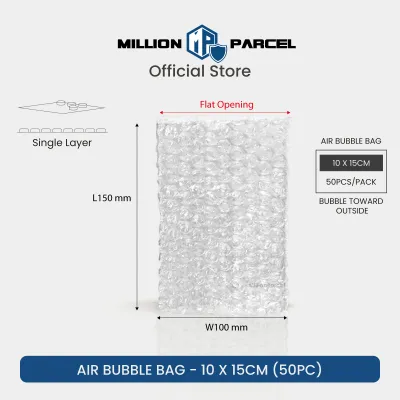
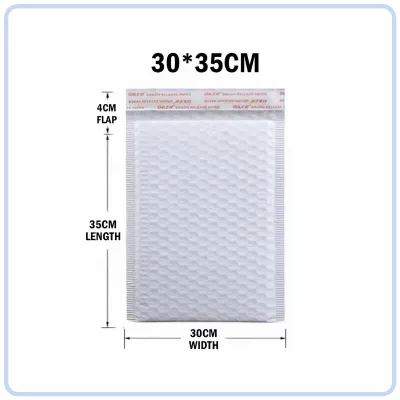
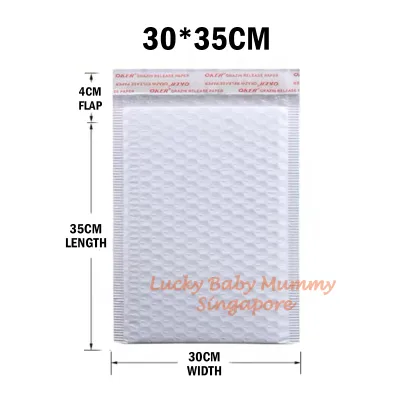
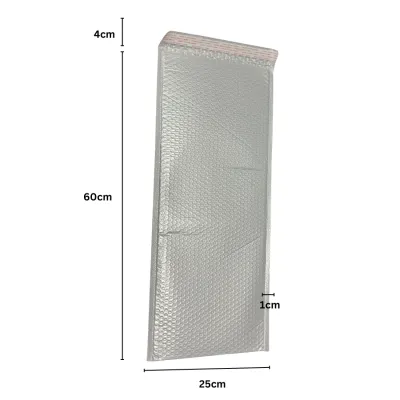
![[SG SELLER] Matte Bubble Mailer Poly Mailer Self-Seal Adhesive Padded Envelope Water Resistant Shipping Bags for Mailing](https://img.lazcdn.com/g/p/a61faf78eab8d6675425500915db76e8.png_400x400q80.png_.webp)
Prices are valid at publication and may change. Please refer to the product page for the latest price.
- High Fragility: Glassware, ceramics, delicate laboratory equipment, and high-end cosmetics in glass bottles require maximum shock absorption. These items have low tolerance for impact and vibration, meaning they need thick, multi-layered cushioning.
- Medium Fragility: Hardcover books, plastic-cased consumer electronics, metal tools, and packaged stationery sets require scratch protection and moderate impact resistance. The primary goal here is to prevent surface scuffing and minor corner dents.
- Low Fragility: Apparel, plush toys, textiles, and durable soft goods do not require impact cushioning. For these items, a bubble pouch serves primarily as a barrier against dust, moisture, and superficial scuffs.
Beyond the item itself, you must anticipate the specific transit risks associated with your shipping method. Courier networks involve automated sorting belts, high-speed chutes, and multiple handoffs, exposing packages to drops from significant heights. Additionally, packages stacked at the bottom of a delivery vehicle endure continuous compression and road vibrations. In tropical climates like Singapore, high humidity levels can also weaken standard paper packaging, making a moisture-resistant plastic bubble pouch an essential protective layer during the final mile of delivery.
Match Bubble Profile and Thickness to Vulnerability
Bubble wrap pouches are defined by their bubble profile, which refers to the diameter and height of the air pockets. Choosing between small and large bubble profiles depends entirely on the type of protection your item requires:

- Small Bubble Profiles (typically 10mm diameter, 3/16-inch height): These pouches are designed for surface protection and light cushioning. They conform tightly to irregular shapes, making them ideal for wrapping jewelry, small cosmetics, optical lenses, and compact electronic accessories. They prevent items from scratching against each other or the outer box.
- Large Bubble Profiles (typically 25mm diameter, 1/2-inch height): These pouches provide deep shock absorption and are excellent for filling empty space inside an outer container. They are best suited for heavier, larger items like ceramic mugs, glassware, and heavy mechanical parts that require a thick cushion to absorb heavy impacts.
In addition to bubble size, you must check the manufacturer’s specifications for material thickness and layer construction. Standard bubble pouches feature a two-layer design, where the bubbles are exposed on one side. For heavier items or those with sharp edges, look for three-layer or co-extruded bubble pouches, which sandwich the bubbles between two flat sheets of plastic. This construction significantly increases puncture resistance and prevents the bubbles from popping under heavy loads.
Specialty materials are also required for specific product categories. If you are shipping sensitive electronic components such as computer graphics cards, internal hard drives, or printed circuit boards, standard plastic bubble pouches can generate static electricity through friction during transit. In these scenarios, you must use anti-static bubble pouches, which are typically tinted pink. These pouches are treated with an antistatic agent to prevent electrostatic discharge (ESD) from damaging sensitive circuitry.
Determine the Correct Pouch Dimensions and Closure Type
Using a bubble wrap pouch that is too small forces you to stretch the plastic, which can prematurely pop the bubbles and split the side seams. Conversely, an oversized pouch allows the item to slide around, reducing the effectiveness of the cushioning. To find the correct pouch size, you must calculate the dimensions by accounting for the item’s three-dimensional volume rather than just its flat width and length.
To calculate the minimum required pouch dimensions, use the following formulas:
- Required Pouch Width = Item Width + Item Thickness + 20mm (clearance margin)
- Required Pouch Length = Item Length + Item Thickness + 30mm (sealing and flap margin)
For example, if you are packaging a rectangular electronic device that measures 150mm wide, 200mm long, and 30mm thick, your minimum pouch width should be 200mm, and the minimum pouch length should be 260mm. Always round up to the nearest standard pouch size offered by your packaging supplier to ensure a comfortable fit that does not compress the bubbles.
Once you have determined the size, you must select the appropriate closure format based on your packing volume and operational needs:
- Self-Seal Adhesive Strips: These pouches feature a peel-and-seal flap. They offer the fastest packing speed, making them highly efficient for e-commerce fulfillment operations. The adhesive is typically permanent, providing a tamper-evident seal.
- Open-Top Pouches: These pouches do not have a built-in flap or adhesive. They require external sealing using packaging tape, staples, or a hand impulse sealer. They are highly versatile, allowing you to fold excess material over the item for custom-fit protection.
- Heat-Sealable Pouches: Ideal for high-volume industrial packaging, these pouches are sealed using a thermal heat sealer. This method creates an airtight, moisture-proof barrier that is highly secure, though it requires an initial investment in sealing equipment.
Execute Secure Packing and Sealing for Transit
To maximize the protective qualities of your chosen bubble wrap pouch, you must follow a disciplined packing process. Begin by gently sliding the item into the center of the pouch. Avoid forcing the item in; if you feel resistance, double-check your dimensional calculations to ensure the pouch is large enough. Ensure the item sits flat and does not bunch up, which can concentrate pressure on a single group of bubbles.
When sealing the pouch, press out excess air gently before closing the flap. For self-seal pouches, peel the protective backing and press the adhesive strip firmly from the center outward to ensure complete contact. If you are using open-top pouches, fold the top opening over tightly and secure it with high-quality packaging tape, ensuring the tape extends past the edges of the fold to prevent dust and moisture from entering during transit.
Finally, evaluate whether the bubble wrap pouch alone is sufficient for the journey. While a thick bubble pouch provides excellent surface protection and light shock absorption, it does not offer structural rigidity. For fragile, heavy, or high-value items, always place the pouched item inside a rigid, double-walled corrugated box. Fill any remaining empty space inside the box with crumpled kraft paper, air pillows, or biodegradable packing peanuts to prevent the pouched item from shifting during transit. A secure package should have zero movement when gently shaken.
Frequently Asked Questions (FAQ)
Can I reuse bubble wrap pouches for multiple shipments?
Yes, you can reuse bubble wrap pouches, but you must inspect them thoroughly before doing so. Check the pouch for popped bubbles, tears in the plastic, and split side seams. If more than 10% of the bubbles are deflated, the pouch’s ability to absorb shocks is significantly reduced, and it should not be used for fragile items. Additionally, if the original self-seal adhesive strip is dirty or torn, you must secure the opening with heavy-duty packaging tape to ensure a reliable seal.
Do I need an outer box if I use a thick bubble wrap pouch?
It depends on the fragility of the item and the shipping method. For lightweight, non-fragile items like clothing, soft accessories, or durable plastic goods, a thick bubble pouch or a bubble mailer is often sufficient on its own. However, for fragile items, electronics, glassware, or heavy objects, an outer corrugated box is mandatory. Bubble pouches provide excellent cushioning against impacts, but they cannot protect items from being crushed under the weight of heavier boxes in a delivery truck.

Community discussion
Share your experience or ask a question. Comments are reviewed before publication.