
Selecting the correct bubble wrap packing bag size requires balancing physical protection with material efficiency. To find the correct fit, you must measure your item’s maximum dimensions, add specific allowances for seams and thickness, and match the bag’s bubble profile to the item’s fragility. Choosing a bag that is too small risks tearing the seams during transit, while an oversized bag allows the item to slide around, increasing the risk of damage and raising shipping costs due to unnecessary dimensional weight.
How to Measure Items and Calculate Bag Dimensions
To determine the minimum bag size required, start by measuring the three primary dimensions of your item: length, width, and depth (or thickness) at its widest points. Always measure any protruding parts, such as knobs, handles, or decorative elements, as these dictate the actual space the item occupies inside the packaging.
Once you have these raw measurements, you must calculate the minimum inner dimensions of the bag. For a relatively flat item, the required inner width of the bag should equal the item’s width plus its depth, along with an additional safety margin of at least 15 to 20 millimeters to account for the seam welds on either side of the bag. The required inner length should equal the item’s length plus its depth, plus an extra 20 to 30 millimeters to ensure the opening can fold over easily.
Products mentioned in this guide
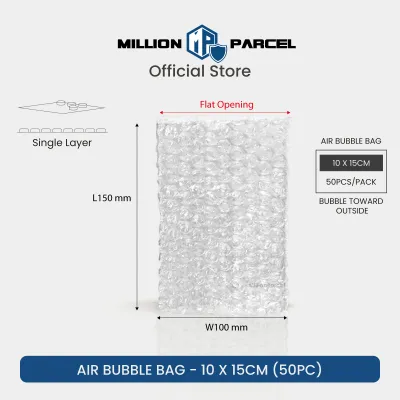
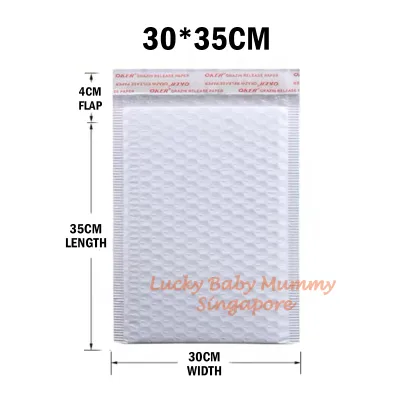
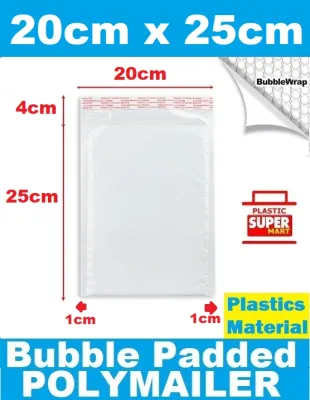
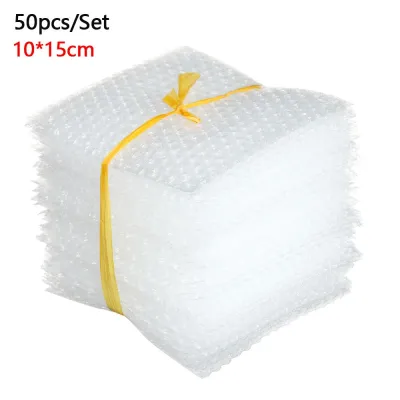
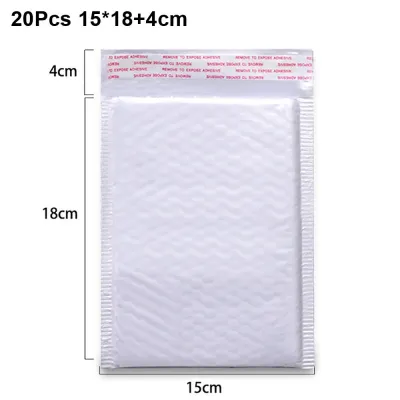
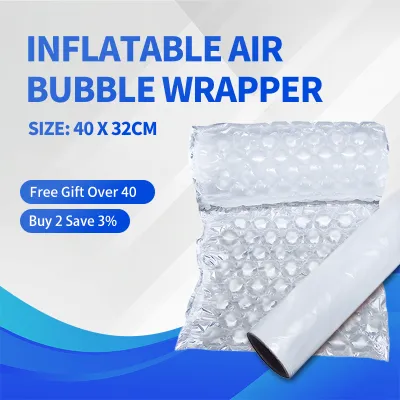
Prices are valid at publication and may change. Please refer to the product page for the latest price.
You must also account for the space consumed by the adhesive seal strip and the flap. The manufacturer’s listed length of a bubble wrap packing bag often includes the sealing flap, which does not contribute to the usable inner length. Always check the product specifications to distinguish between the overall dimensions and the usable inner dimensions to avoid purchasing bags that are too short to close securely.
Decoding Material Thickness and Bubble Size Specifications
When browsing packaging supplies, you will encounter various material thickness indicators, typically measured in microns or mils. A higher micron rating indicates a thicker, more puncture-resistant outer plastic film, which is essential for preventing sharp edges from piercing the bag during transit. For lightweight or soft items, standard-thickness bags are usually sufficient, whereas heavier or sharp-edged items require heavy-duty specifications to maintain structural integrity.

The size of the bubbles inside the bag also determines the level of protection provided. Small bubble profiles, typically around 10 millimeters in diameter and 3 to 4 millimeters in height, are designed primarily to prevent surface scratches and minor abrasions on flat items. Large bubble profiles, which feature taller and wider bubbles, offer greater shock absorption for fragile items that might experience drops or heavy impacts during sorting.
Before purchasing, review the manufacturer’s product label for weight capacity and puncture resistance ratings. Some heavy-duty bubble mailers are specifically rated for heavier items like books or metal components, while others are intended only for lightweight documents or apparel. Verifying these specifications on the packaging ensures you do not overload the bag and cause the seams to burst under pressure.
Matching Bag Sizes to Different Item Profiles
Different item shapes require distinct sizing strategies to ensure they remain secure during transit. For flat and flexible items, such as documents, clothing, or softbound catalogs, you should select a snug fit. A tight, but not stretched, fit minimizes material waste and prevents the item from shifting or bunching up inside the bag, which keeps the package flat and easy for couriers to stack.
For rigid and boxy items, such as small electronics boxes, books, or framed items, you must allow extra width and length. Rigid corners exert concentrated pressure on the side seams of a bubble wrap packing bag. To prevent these corners from splitting the seams, add an extra 25 to 30 millimeters to your width calculations, allowing the bag to expand naturally around the box’s volume without stressing the plastic.
Fragile or irregular items, such as ceramics, glassware, or delicate ornaments, require a different approach. For these items, you should size up significantly to allow space for additional protective layers. Wrapping the item in an extra sheet of loose bubble wrap or adding foam edge protectors before placing it in the bag ensures adequate cushioning, but this extra bulk requires a much larger bag than the item’s raw dimensions would suggest.
Evaluating Closure and Seal Specifications
The closure mechanism of a bubble wrap packing bag is critical for securing your items and preventing accidental opening during transit. Self-sealing adhesive strips are the most common and efficient option for high-volume shipping, as they eliminate the need for separate packing tape. For specialized industrial applications, heat-sealable bags offer a permanent, tamper-evident closure but require dedicated heat-sealing equipment.
When evaluating self-sealing bags, inspect the width and placement of the adhesive strip. A wider adhesive strip provides a stronger bond, which is particularly important for heavier items that might slide against the opening during handling. The adhesive should be positioned far enough down the flap to contact the main body of the bag firmly, ensuring a tight seal that resists moisture and dust infiltration.
Additionally, look for bags that feature reliable protective tear-off liners over the adhesive strip. These liners keep the adhesive clean and free of dust, lint, or static electricity during storage. A clean adhesive strip ensures that when you are ready to seal the bag, the bond is immediate and secure, preventing the flap from peeling open while the package is in transit through local courier networks.
Frequently Asked Questions (FAQ)
Can I use a bubble wrap packing bag without an outer shipping box?
Whether you can ship an item solely in a bubble wrap packing bag depends on the item’s durability and the carrier’s handling guidelines. Lightweight, non-fragile items like clothing, soft goods, or pre-boxed durable items can often be shipped safely in a sturdy, puncture-resistant bubble bag. However, highly fragile, valuable, or pressure-sensitive items should always be placed in a rigid outer corrugated box with appropriate void fill to protect against crushing forces.
How do I evaluate the cost-effectiveness of different bag sizes?
To assess the financial impact of your packaging choices, calculate the cost per unit by dividing the total bulk pack price by the number of bags in the package. For example, if a bulk pack of 50 bags costs S$15.00, the unit cost is S$0.30 per bag. While buying a single large size in bulk might seem convenient, consistently using oversized bags leads to hidden costs. Oversized bags require extra tape to fold down, increase the package’s dimensional weight—which can raise shipping fees with local couriers—and may require additional void fill to keep the item secure, ultimately costing more than maintaining a few select bag sizes.

Community discussion
Share your experience or ask a question. Comments are reviewed before publication.