
Selecting the right bubble wrap packing materials in Singapore requires a systematic approach to matching material specifications with your specific moving, shipping, or storage tasks. Because there is no single universal brand that fits every scenario, identifying the best option involves evaluating technical characteristics such as bubble diameter, plastic thickness, and specialized material backings. Whether you are preparing delicate porcelain for an HDB relocation, shipping high-value electronics from an e-commerce fulfillment center, or packing heavy household appliances, the performance of your packaging depends on the physical integrity of the low-density polyethylene (LDPE) film. By understanding how to verify bubble inflation, material density, and supplier reliability, you can secure your items effectively while optimizing your packaging budget.
Understanding Bubble Wrap Specifications for Packing Needs
To make an informed decision when purchasing bubble wrap packing supplies, you must first decode the technical specifications that define their protective capabilities. The most visible differentiator is bubble size, which typically ranges from small (10mm diameter and 3mm to 4mm height) to large (25mm to 30mm diameter and 10mm to 12mm height). Small bubbles are engineered primarily for surface protection and light cushioning. They distribute pressure evenly across flat or gently curved surfaces, making them highly effective at preventing scratches, abrasions, and minor impact damage during handling.
Conversely, large bubbles contain a much greater volume of air, creating a deeper shock-absorbing barrier. This makes them the ideal choice for absorbing heavy impacts, wrapping bulky items, and acting as a lightweight void fill to prevent items from shifting inside larger boxes. Using the wrong bubble size can compromise safety; for example, wrapping a heavy, sharp-cornered item in small-bubble wrap often results in the bubbles popping under the concentrated weight, leaving the item unprotected.
Products mentioned in this guide
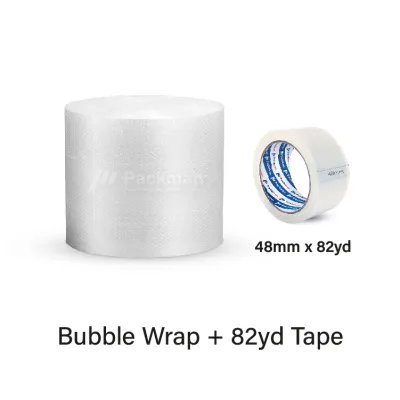
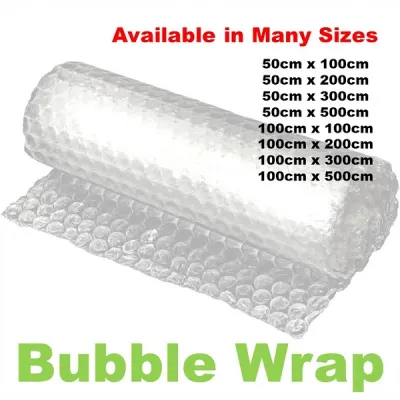
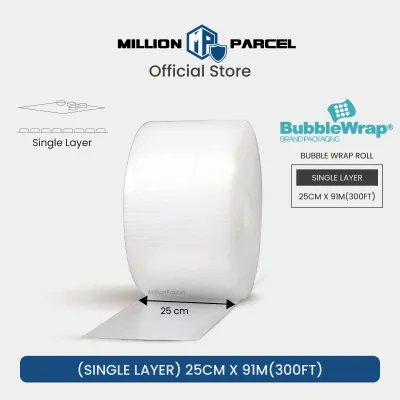
![[SG] Bubble Wrap® 10m | Foam Roll 5m | Packing Tapes – Cushioning for Packing Moving Warehouse Use](https://img.lazcdn.com/g/p/5d1b2367f552267faa5f9fe7d51ee653.jpg_400x400q80.jpg_.webp)
![91m/20m/10m BubbLest™ [FREE PENKNIFE] Bubble Packaging Material Direct Singapore Manufacturer | Clingwrap | Plasticwrap | Cling Wrap | Plastic Wrap | Bubble Roll |](https://img.lazcdn.com/g/p/118908581c7285d2410f3d4422311ca0.png_400x400q80.png_.webp)
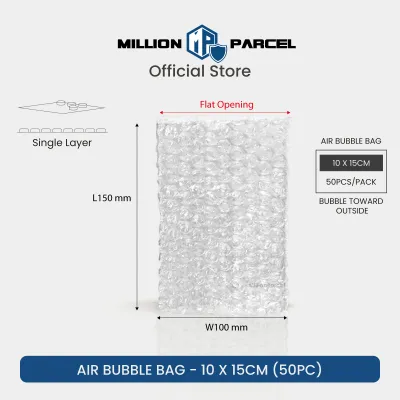
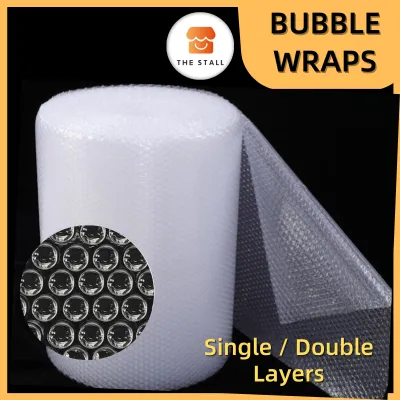
Prices are valid at publication and may change. Please refer to the product page for the latest price.
Beyond bubble size, the thickness and structural composition of the plastic film dictate its overall durability and puncture resistance. Standard bubble wrap is typically constructed as a single-layer material, where the shaped bubbles are laminated to a single flat backing sheet. For more demanding applications, double-layer bubble wrap features a second flat sheet of plastic laminated over the open side of the bubbles, effectively sandwiching the air pockets between two flat layers. This double-layer configuration dramatically increases the puncture resistance of the wrap and prevents the bubbles from popping when dragged against sharp corners or rough surfaces.
Material thickness is often measured in microns or represented by weight in grams per square meter (GSM). Higher GSM values indicate a denser, tougher plastic that can withstand prolonged stress without tearing. Specialized backings further extend the utility of bubble wrap for specific packing environments. Kraft paper-backed bubble wrap combines the cushioning of air bubbles with the structural rigidity and opacity of heavy paper, making it excellent for wrapping furniture, wooden items, and fine art where surface moisture must not be trapped.
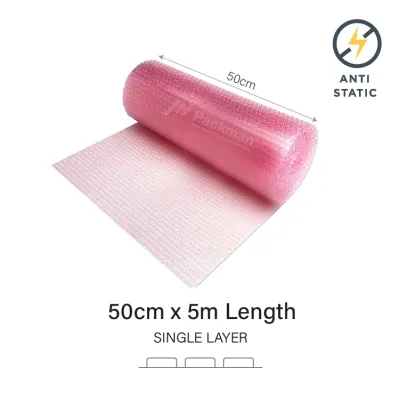
Foil-backed bubble wrap incorporates a reflective metallic layer that provides thermal insulation. This is particularly valuable in Singapore’s tropical climate, where temperature-sensitive goods must be shielded from radiant heat during transit. Finally, anti-static bubble wrap is treated with chemical additives that prevent the buildup of electrostatic charges. This variant is easily identified by its pink color and is mandatory for wrapping sensitive electronic components, such as computer motherboards, graphics cards, and hard drives, which could otherwise be permanently damaged by static discharge.
Matching Bubble Wrap Types to Specific Packing Scenarios
Selecting the correct bubble wrap profile requires analyzing the specific physical demands of your packing task. Different scenarios present unique hazards, ranging from high-frequency vibrations in postal transit to heavy structural loads during a residential move.

Protecting Fragile Items and High-Value Electronics
Delicate items such as glassware, ceramics, crystal ornaments, and high-value electronics require a meticulous wrapping strategy that prioritizes surface conformity and shock absorption. For these items, small, densely packed bubbles are highly recommended. Because small bubbles conform easily to complex shapes and tight curves, they eliminate empty spaces between the wrap and the object, ensuring that every delicate edge is cushioned. When wrapping intricate glassware, the primary goal is to prevent point-impact forces from concentrating on a single vulnerable area; multiple layers of small bubble wrap distribute these forces across a wider surface area.
For electronic devices, physical cushioning is only half the battle. Electrostatic discharge (ESD) is an invisible threat that can destroy internal circuitry without leaving any physical mark. Standard plastic bubble wrap is highly prone to generating static electricity through friction during handling and transit. To mitigate this risk, you must use pink anti-static bubble wrap. This specialized material does not generate or hold static charges, ensuring safe contact with exposed circuit boards. When packing these items, always verify that the cushioning thickness is adequate by checking that there is at least a 5cm protective barrier of wrap surrounding the device on all sides before placing it into its shipping container.
Securing General Household Moves and Bulkier Items
Relocating a household in Singapore involves navigating unique structural challenges, such as moving heavy items through narrow corridors, loading them into tight passenger lifts, and transporting them in moving trucks. For bulkier household goods, large appliances, and furniture, standard small-bubble wrap is often insufficient. Instead, you should utilize large-bubble wrap or heavy-duty double-layer wraps. The larger air pockets provide the substantial shock absorption required to protect heavy items from structural impacts against door frames, lift walls, and other furniture pieces during transit.
To achieve maximum protection for large items, bubble wrap should rarely be used in isolation. Combining bubble wrap with other packaging materials creates a highly resilient multi-layered defense. For instance, wrapping a wooden cabinet first in bubble wrap, then securing it with a layer of stretch film (shrink wrap), prevents the bubble wrap from shifting while shielding the wood from Singapore’s high humidity and sudden tropical downpours. For sharp-edged appliances or heavy mirrors, adding corrugated cardboard corner protectors over the bubble wrap prevents the corners from puncturing the plastic and chipping. When planning a large-scale move, evaluate the roll dimensions carefully; purchasing wide rolls (such as 1-meter or 1.5-meter widths) and utilizing portable roll dispensers can significantly increase packing efficiency and reduce material waste.
Optimizing E-commerce Shipping and Lightweight Parcels
For e-commerce businesses operating in Singapore, packaging decisions directly impact both customer satisfaction and operational profitability. Online sellers must balance the need for robust product protection with the pressure to minimize shipping costs. Because courier services often calculate shipping fees based on dimensional weight (volumetric weight) rather than actual weight, using excessively bulky packaging can quickly erode profit margins. To optimize this balance, select lightweight, high-density small-bubble wraps that provide excellent surface protection without adding unnecessary volume to the shipping box.
Workflow efficiency is another critical factor in high-volume fulfillment centers. Using standard rolls that require manual cutting with scissors or utility knives can slow down packing operations. To streamline this process, look for pre-scored or perforated bubble wrap rolls. These rolls feature clean perforations at regular intervals (typically every 30cm or 50cm), allowing packers to quickly tear off the exact amount of wrap needed without tools. Additionally, modern consumer preferences increasingly favor sustainable business practices. To align with these trends, consider incorporating eco-friendly packaging options, such as oxo-biodegradable bubble wrap or paper-based honeycomb wrap. These alternatives provide comparable cushioning performance for lightweight items while demonstrating a commitment to reducing plastic waste.
Key Criteria for Evaluating Bubble Wrap Brands and Suppliers
When sourcing bubble wrap in Singapore, you will encounter a wide variety of brands, unbranded imports, and local supplier options. To ensure you receive high-quality materials that perform reliably under pressure, you should evaluate potential brands and suppliers against several key criteria. First and foremost is the consistency of bubble inflation. Lower-grade, budget-friendly rolls often suffer from manufacturing defects, such as flat sections, under-inflated bubbles, or slow air leaks. A reputable brand ensures that every bubble across the entire length of the roll is fully inflated and sealed, maintaining its structural integrity throughout the transit cycle.
Material durability and popping resistance are equally critical. High-quality bubble wrap is manufactured from premium low-density polyethylene (LDPE) blends that resist popping under moderate pressure. You can perform a simple manual check by squeezing several bubbles between your fingers; if they pop with minimal effort, the plastic is likely too thin or brittle to protect your items during a fall. Furthermore, a reliable supplier should offer a comprehensive range of specialized variants, including anti-static, double-layer, and various roll widths, allowing you to source all your packaging needs from a single, consistent origin.
Supplier reliability also encompasses logistical and commercial factors. For businesses, consistent stock availability is paramount; running out of packaging materials can halt shipping operations and delay customer deliveries. Evaluate the supplier’s bulk pricing tiers to ensure that scaling your order volume yields meaningful cost savings. Delivery lead times within Singapore should also be verified, especially when coordinating large household moves or managing seasonal e-commerce spikes. Finally, look for suppliers who demonstrate transparency in their product specifications. They should clearly label the roll’s exact length, width, material composition, and GSM, rather than using vague descriptions like “large roll” or “heavy-duty” without supporting metrics.
Where to Source Reliable Bubble Wrap in Singapore
Depending on your volume requirements, budget, and urgency, Singapore offers several distinct sourcing channels for packaging materials. For commercial operations, high-volume e-commerce sellers, or extensive household moves, the most cost-effective approach is to purchase directly from local packaging material manufacturers and industrial distributors. These suppliers are typically located in industrial estates such as Ubi, Kaki Bukit, Jurong, and Woodlands. By buying in bulk, you can access wholesale pricing, custom roll dimensions, and convenient delivery services directly to your warehouse or residence, often with free shipping above a certain spending threshold.
For small-scale packing tasks, immediate household needs, or emergency shortages, retail channels provide the greatest convenience. Neighborhood stationery stores, hardware shops, and specialized moving supply retailers across Singapore stock standard rolls of bubble wrap. While the cost per meter is significantly higher in these retail environments compared to wholesale distributors, they offer the advantage of immediate availability. This is ideal when you run out of wrap mid-move or only need to pack a few fragile gifts.
Online marketplaces and e-commerce platforms offer a highly convenient middle ground, allowing you to compare prices, roll sizes, and customer reviews from the comfort of your home. When shopping online, you can easily find a wide range of local sellers offering fast delivery within Singapore. However, because online listings can sometimes be misleading, it is crucial to verify the seller’s credentials. Read customer reviews carefully to check for complaints regarding short-measured rolls, flat bubbles, or thin plastic. Always check the seller’s return policy to ensure you can exchange or return the product if it arrives damaged or does not meet the advertised specifications.
Practical Tips for Effective Bubble Wrap Packing
Even the highest-quality bubble wrap cannot protect your items if it is applied incorrectly. To maximize the protective performance of your packaging materials, you must follow established packing techniques. The most fundamental rule of bubble wrap packing is the correct orientation of the bubbles: the bubbles must always face inward, directly touching the surface of the item being wrapped. This orientation allows the individual air pockets to conform closely to the item’s unique shape, trapping cushioning air directly against the object. The flat, smooth backing sheet should face outward, providing a tough barrier against external friction and preventing the bubbles from being snagged or popped by outer packaging materials.
Securing the bubble wrap properly is another critical step. Use high-quality packing tape to seal the seams, but avoid wrapping the tape too tightly around the item. Excessive tension can compress the bubbles, forcing the air out and severely reducing their shock-absorbing capacity. Instead, wrap the item snugly so the plastic does not slide, and apply tape along the open edges to create a secure, dust-resistant seal.
For highly delicate or high-value shipments, employ the box-in-box method. Wrap the item in several layers of small-bubble wrap, place it inside a small inner box, wrap that inner box in bubble wrap, and then place it inside a larger outer box. Fill any remaining empty spaces with crumpled paper or large-bubble wrap to ensure the inner box cannot shift during transit. This double-barrier system provides exceptional protection against drop impacts and external punctures.
Frequently Asked Questions (FAQ)
Can I reuse bubble wrap for multiple packing sessions?
Yes, bubble wrap can be reused multiple times, provided it retains its structural integrity. Before reusing a piece of wrap, inspect it thoroughly for popped bubbles, tears, or significant loss of air pressure. If a substantial portion of the bubbles have deflated, the material will no longer provide adequate shock absorption and should be recycled or discarded. To maximize the lifespan of your bubble wrap between packing sessions, store the rolls or sheets in a cool, dry place away from direct sunlight. Prolonged exposure to ultraviolet (UV) light and high temperatures can degrade the low-density polyethylene (LDPE) plastic, causing it to become brittle and lose air pressure prematurely.
Is standard bubble wrap safe for wrapping food items?
No, standard industrial-grade bubble wrap is not safe for direct contact with food items. Industrial packaging materials are not manufactured in certified food-safe environments and may contain chemical residues, slip agents, or plasticizers that can migrate into food. If you need to pack food items, always use certified food-grade packaging materials, such as food-safe cling film, parchment paper, or clean food containers, as the primary barrier. Once the food is safely sealed within a food-grade material, you can then wrap the exterior container in standard bubble wrap to provide the necessary shock absorption and thermal insulation during transport.

Community discussion
Share your experience or ask a question. Comments are reviewed before publication.