
Selecting the correct bubble wrap bag requires balancing physical dimensions with the appropriate level of impact protection. To choose the right bag, you must calculate the flat dimensions of the bag by adding the item’s depth and a clearance allowance to its width and length. Simultaneously, you must match the bubble diameter and film thickness to the item’s weight, fragility, and sensitivity to surface scratches. Making the wrong choice can lead to damaged goods, inflated shipping costs, or wasted packaging materials.
Whether you are running an e-commerce business, shipping delicate stationery, or packing household goods for storage, understanding these technical specifications ensures your items arrive intact. This guide breaks down the precise formulas, bubble sizes, and material considerations needed to make an informed decision.
Understanding Bag Dimensions vs. Bubble Sizes
When sourcing packaging materials, it is easy to confuse the overall dimensions of a bubble wrap bag with the size of the protective air bubbles inside. These two specifications serve entirely different functions. The bag dimensions determine whether an item can physically fit inside the sleeve and be sealed securely, while the bubble size dictates the level of shock absorption and cushioning the item receives during handling.
Products mentioned in this guide
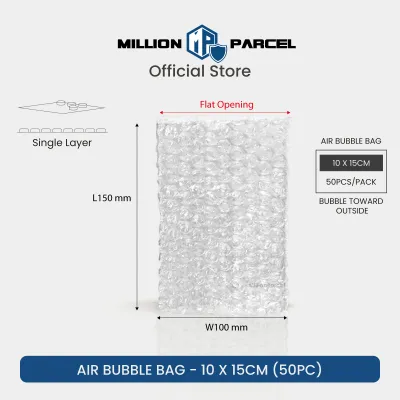
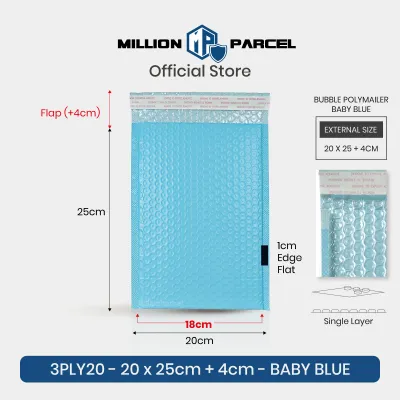
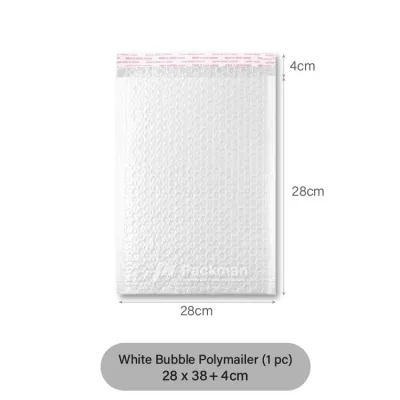
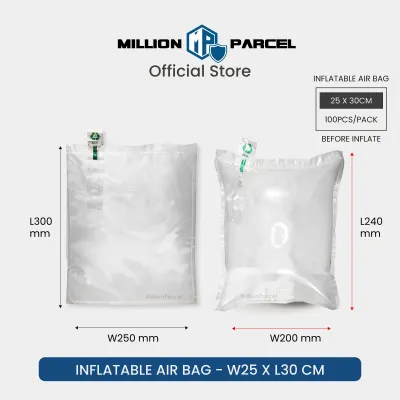
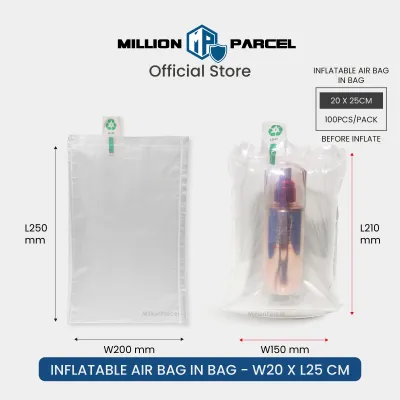
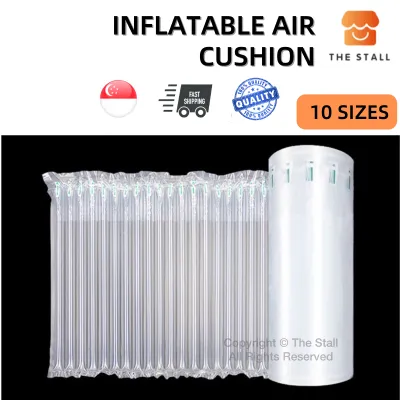
Prices are valid at publication and may change. Please refer to the product page for the latest price.
Bag dimensions are typically listed as width by length (for example, 150mm x 200mm). It is important to note that these measurements usually represent the external dimensions of the flat bag. Because the air-filled bubbles occupy physical space inside the bag, the internal usable space is always slightly smaller than the external measurements. Failing to account for this internal volume reduction often results in bags that are too tight to seal.
Bubble size refers to the individual air pocket’s diameter and height, which typically range from small 10mm bubbles to large 25mm bubbles. A larger bag does not automatically provide better protection if the bubble size is too small for the weight of the item. If a heavy object is placed in a bag with small bubbles, the weight will pop or fully compress the air pockets, leaving the item vulnerable to impact.
Standard bubble wrap bags are available in two primary designs: flat bags and gusseted bags. Flat bags are constructed from two sealed sheets of bubble film, making them ideal for flat or thin items. Gusseted bags feature folded side or bottom panels that expand, allowing the bag to accommodate three-dimensional, bulky, or block-shaped items without stretching the plastic film.
How to Calculate the Correct Bag Size for Your Items
To prevent packaging waste and ensure your items are fully protected, you must calculate the required bag size using a reliable formula. Choosing a bag that is too small will tear the side seams, while a bag that is excessively large allows the item to slide around, creating uneven pressure points and increasing the volumetric weight of your shipment.

To find the correct dimensions, start by measuring your item’s maximum length, width, and depth using a standard ruler or measuring tape. Always measure the widest points of the item, including any protruding parts, knobs, or protective caps.
Once you have these measurements, apply the following formulas to determine the minimum flat bag dimensions required:
- Required Bag Width = Item Width + Item Depth + Sealing Allowance (minimum 15mm to 20mm)
- Required Bag Length = Item Length + Item Depth + Flap Allowance (typically 25mm to 50mm for sealing)
For example, if you are packaging a hardcover book that measures 150mm in width, 220mm in length, and 30mm in depth, the calculation would look like this:
- Width calculation: 150mm (Width) + 30mm (Depth) + 20mm (Allowance) = 200mm
- Length calculation: 220mm (Length) + 30mm (Depth) + 40mm (Flap) = 290mm
Therefore, you should select a bubble wrap bag that is at least 200mm wide by 290mm long. If you are packing highly delicate items that require multiple layers of wrap before being placed in the bag, remember to add the thickness of those extra layers to your initial item measurements before running the calculation.
For flat, uniform items like documents, greeting cards, or slim notebooks, flat bags are the most efficient option. However, for bulky or irregularly shaped items like ceramic mugs or small electronic devices, gusseted bubble bags provide a much better fit. The expandable sides of a gusseted bag prevent the plastic from stretching tightly over sharp corners, which can weaken the bubbles and lead to premature popping.
Matching Bubble Thickness to Item Fragility and Weight
The protective capability of a bubble wrap bag is determined by the volume of air trapped within each bubble and the thickness of the plastic film. Matching these specifications to your item’s weight and fragility prevents damage and keeps packaging costs reasonable.
Small Bubbles for Light, Non-Fragile Items
Small bubbles typically measure 10mm (approximately 3/16 inch) in diameter and 3mm to 4mm in height. These bags are lightweight and highly flexible, making them an excellent choice for items that require surface protection rather than heavy shock absorption.
The primary function of small bubbles is to shield items from scratches, dust, scuffs, and minor abrasions during handling. They are ideal for packaging standard stationery, notebooks, pens, plastic phone cases, apparel accessories, and durable metal parts. Because these items are not inherently fragile, they do not require deep cushioning to survive a drop.
However, small bubbles have limited weight-bearing capacity. Under heavy loads or high-impact drops, the low volume of air inside small bubbles compresses instantly. If the item is heavy, the bubbles will pop or bottom out, transferring the entire force of the impact directly to the product.
Medium Bubbles for Moderate Shock Absorption
Medium bubbles generally measure 15mm (approximately 1/2 inch) in diameter and 6mm to 8mm in height. This size represents a versatile middle ground, offering a balance of flexibility and enhanced impact resistance.
The increased air volume in medium bubbles provides a substantial buffer against vibrations, drops, and physical shocks. This makes them highly suitable for moderately fragile items such as books, boxed cosmetics, small household appliances, CD/DVD cases, and consumer electronics like external hard drives or calculators.
When using medium bubble bags, always check the manufacturer’s weight specifications. If your item is moderately fragile but particularly heavy, the constant pressure during transit may slowly compress the medium bubbles over time. In such cases, upgrading to a thicker film grade or a larger bubble size is recommended.
Large Bubbles for Heavy or Highly Fragile Items
Large bubbles measure 25mm (approximately 1 inch) or more in diameter and 10mm to 12mm in height. These bags are designed for high-risk shipping scenarios where maximum shock dispersion is required.
The large volume of air inside these bubbles absorbs significant impact energy, preventing heavy or delicate items from shifting and bottoming out against the outer shipping box. This size is ideal for packing glassware, ceramics, porcelain ornaments, precision scientific instruments, and heavy mechanical components.
When dealing with heavy items, bubble diameter is only half of the equation. You must also verify the bag’s film thickness, which is typically measured in microns or mils. Heavy or sharp-edged items require a high-micron, heavy-duty plastic film to prevent the bag from tearing or puncturing. A large bubble made from thin, low-density plastic will pop easily under a heavy load, rendering the large bubble size ineffective.
Shipping vs. Storage: Adjusting Your Cushioning Strategy
The environment in which your packaged items will exist dictates the type of bubble wrap bag you should choose. Active shipping and long-term storage present entirely different physical hazards to your products.
Shipping environments are highly dynamic and unpredictable. Packages are subjected to drops, conveyor belt sorting, vehicle vibrations, and stacking pressure inside delivery vans. For shipping, your primary focus must be shock absorption and puncture resistance. It is best to use thicker bubble bags, and for highly valuable or fragile items, consider double-bagging or placing the bubble bag inside a sturdy, double-walled corrugated cardboard box.
Storage environments are static but present long-term environmental risks. When storing items on a shelf or in a warehouse, your primary goals are dust prevention, moisture resistance, and surface protection. Because the items are not being actively thrown or dropped, thinner bubble bags with smaller bubble sizes are usually sufficient. This allows you to save valuable storage space and reduce material costs.
For long-term storage, you must consider how the plastic material interacts with your item’s surface. Standard low-density polyethylene (LDPE) bubble wrap can sometimes trap moisture or release plasticizers over time. In hot and humid environments, such as Singapore’s tropical climate, this chemical migration can accelerate, leaving a sticky residue or causing chemical reactions on polished metals, oil paintings, photographs, or delicate varnished wood. If you are storing sensitive items long-term, look for specialty archival-safe, acid-free packaging, or wrap the item in protective acid-free tissue paper before placing it inside the bubble bag.
Additionally, if you are storing electronic components, standard plastic bubble bags can generate static electricity through friction. For these items, always select pink anti-static bubble wrap bags, which are treated to dissipate electrostatic charges and protect sensitive circuitry.
Practical Tips for Sealing and Maximizing Protection
Even the highest-quality bubble wrap bag cannot protect your item if it is sealed incorrectly or packed poorly. Implementing proper sealing and packing techniques ensures the bag maintains its protective integrity throughout its journey.
Compare the following common sealing methods to choose the best option for your workflow:
- Self-Adhesive Strips: Many bubble wrap bags come with built-in peel-and-seal adhesive strips. This is the fastest and most convenient option for high-volume packing, providing a clean, reliable seal for lightweight to medium-weight items.
- Packing Tape: For heavy, bulky, or high-value items, reinforcing the opening with heavy-duty acrylic or hot-melt packing tape is highly recommended. Apply the tape across the entire seam to prevent the flap from lifting under pressure.
- Heat Sealing: Using an impulse heat sealer melts the plastic opening together, creating a completely airtight, moisture-resistant, and tamper-evident seal. This is ideal for industrial parts, moisture-sensitive electronics, and professional retail packaging.
Avoid the common mistake of overstuffing the bubble bag. Forcing an item into a bag that is too small stretches the plastic film tightly. This tension pre-compresses the air bubbles, reducing their ability to absorb external shocks and making them highly susceptible to bursting at the slightest impact. The item should slide into the bag easily, leaving enough room for the air pockets to remain fully lofted.
For optimal protection, place the item directly in the center of the bag. This ensures that there is an equal buffer of air cushioning on all sides, particularly around the corners and edges, which are the most common impact points during a drop. If you are placing the bubble wrap bag inside an outer shipping box, make sure to fill any remaining empty space with void fill, such as crumpled paper or air pillows, to prevent the bag from shifting during transit.
Frequently Asked Questions (FAQ)
Can I reuse bubble wrap bags for shipping?
You can reuse bubble wrap bags if they are in good physical condition. Before reusing a bag for transit, inspect it thoroughly for popped bubbles, tears along the side seams, and weakened adhesive strips. If more than 10% of the bubbles are deflated, or if the plastic shows signs of stretching, do not use it for shipping fragile items. Instead, downgrade the bag for use as light dust protection in storage or as internal wrapping filler.
Does the color of the bubble wrap bag affect its protective quality?
The color of the plastic film does not change the physical cushioning or shock-absorption capabilities of the air bubbles. However, different colors indicate specific functional properties. Pink bubble bags are treated with an anti-static additive to prevent electrostatic discharge, making them essential for electronic components. Opaque black or grey bags are designed to provide privacy and security by hiding the contents of the package. Always verify the manufacturer’s product label to confirm these technical specifications rather than relying on color alone.

Community discussion
Share your experience or ask a question. Comments are reviewed before publication.