
Selecting the correct box packaging requires balancing item dimensions, protective cushioning, and shipping costs. To find the ideal box size, you must measure your items at their widest points, add a standard clearance margin for protective void fill, and verify that the box’s structural rating matches the total weight. Choosing the right dimensions prevents transit damage and avoids unnecessary volumetric shipping surcharges.
Assess Your Items and Grouping Strategy
Accurate measurement is the foundation of secure packaging. Use a firm measuring tape or ruler to find the maximum length, width, and height of each item. Always measure from the absolute widest, tallest, and deepest points, including any protruding handles, knobs, or decorative elements that cannot be disassembled.
The physical characteristics of your items dictate whether they should be packed individually or grouped together. Uniform, durable items like books or flat-packed stationery can easily be stacked or grouped in a single box. Conversely, fragile, heavy, or highly irregular items often require individual packaging to prevent them from colliding and causing damage during transit.
Products mentioned in this guide
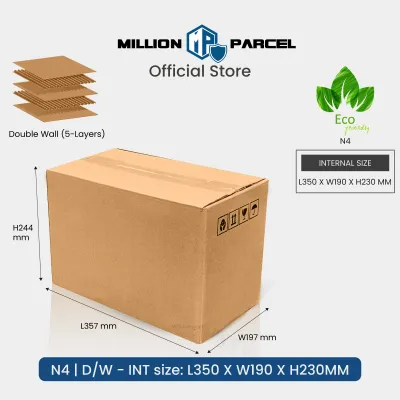
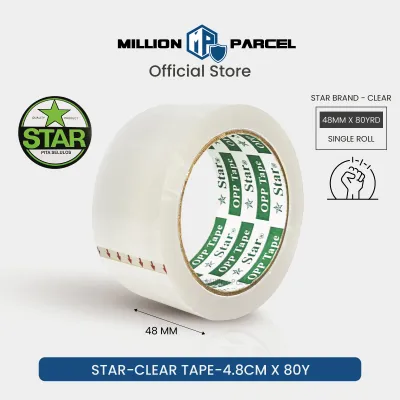
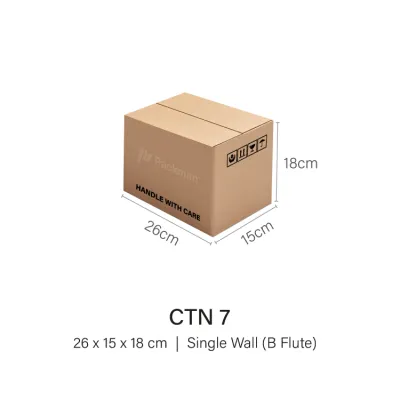
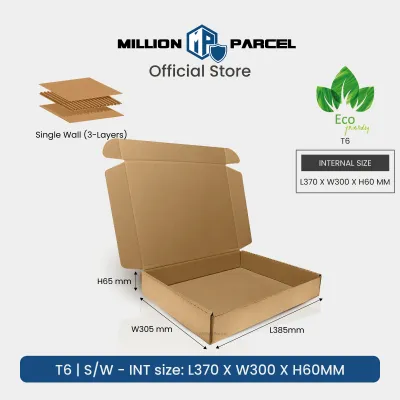
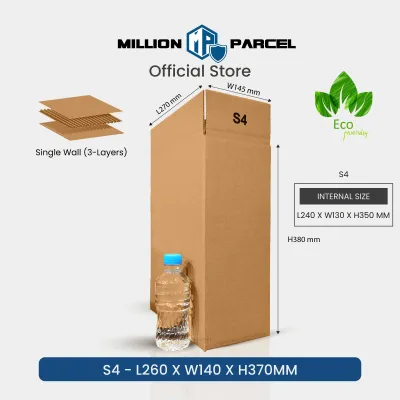
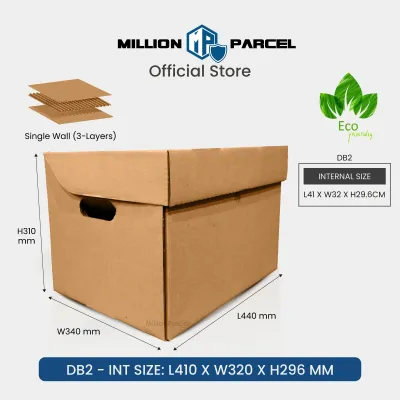
Prices are valid at publication and may change. Please refer to the product page for the latest price.
When deciding on a grouping strategy, evaluate the cumulative weight and the potential transit risks. Packing too many heavy items into a single large box increases the risk of the bottom bursting. Grouping fragile items with heavy items is a common hazard; always separate them or use sturdy internal dividers to isolate each object.
Calculate the Required Inner Dimensions
To ensure your items survive the journey, you must calculate the required inner dimensions of the box rather than relying on its outer measurements. The inner dimensions represent the actual usable space inside the box packaging. Manufacturers list these dimensions specifically because the thickness of the corrugated cardboard reduces the available space inside.

To find the target inner dimensions, add a standard clearance margin to your item’s maximum measurements to accommodate cushioning materials. For lightweight, non-fragile items, adding a clearance of 1 to 2 centimeters on all sides is typically sufficient for a layer of wrapping paper or thin foam.
Fragile or heavy items require a much more substantial protective barrier. For these objects, plan for a clearance margin of 5 centimeters on all sides, including the top and bottom. This extra space allows for thick bubble wrap, molded pulp inserts, or dense packing peanuts to absorb external impacts.
Always calculate the final inner dimension requirements by adding twice the cushioning thickness to each measurement axis. For example, if an item is 20 centimeters wide and requires 5 centimeters of bubble wrap on each side, the minimum inner width of the box must be 30 centimeters.
Evaluate Box Strength and Material Suitability
A box with the correct dimensions can still fail if the material cannot support the weight of its contents. Every standard corrugated box features a Box Maker’s Certificate printed on the bottom flap. This stamp lists critical structural ratings, including the maximum weight capacity and the bursting test strength.
Match the corrugated board construction to the vulnerability and weight of your items. Single-wall corrugated boxes consist of one fluted medium sandwiched between two flat linerboards, making them ideal for lightweight stationery, clothing, and small electronics. Double-wall boxes add an extra layer of fluting, providing the superior stacking strength needed for heavier goods or long-distance shipping.
Triple-wall corrugated boxes are reserved for industrial applications or exceptionally heavy items that require maximum puncture resistance. Regardless of the wall thickness, verify that the box flaps meet perfectly in the center when folded. If the flaps bulge outward or leave a gap wider than a few millimeters, the box is either overloaded or improperly sized, which severely compromises its structural integrity.
Avoid Common Sizing and Packing Mistakes
Choosing an oversized box is a costly mistake that extends beyond the price of the cardboard itself. Larger boxes require excessive amounts of void fill, such as packing peanuts or crumpled paper, to prevent items from shifting. Furthermore, shipping couriers calculate fees based on dimensional weight, meaning an unnecessarily large box can dramatically increase your shipping costs even if the package is light.
Undersized boxes present a different set of structural risks. When items are forced into a box that is too small, the lack of protective cushioning leaves corners and edges vulnerable to direct impacts. The pressure from tightly packed items causes the box walls to bow outward, making the package difficult to stack and highly susceptible to bursting along the seams.
You can easily identify a failing package by observing its physical condition before dispatch. Look for bulging sides, crushed top flaps, or packing tape that is peeling or lifting under tension. If the box exhibits any of these signs, it is a clear indication that you need to transition to a larger size or a stronger corrugated material.
Final Verification Checklist Before Ordering
Before purchasing box packaging in bulk, run through this diagnostic checklist to ensure your selection meets all safety and logistical requirements:
- Inner Dimension Match: Confirm that the internal length, width, and height of the box comfortably accommodate the item's maximum dimensions plus the required cushioning clearance on all sides.
- Weight Capacity Verification: Check the Box Maker's Certificate to ensure the total weight of the item and all packaging materials remains well below the manufacturer's rated limit.
- Courier Tier Alignment: Measure the outer dimensions of the packed box and compare them against local courier size brackets to avoid unexpected volumetric surcharges.
- Flap and Seam Integrity: Ensure the top and bottom flaps lie completely flat and meet flush without bowing, stretching, or requiring excessive tape to stay closed.
Frequently Asked Questions (FAQ)
How do I measure irregularly shaped items for box packaging?
To measure an irregularly shaped item, treat it as if it were enclosed in an invisible rectangular box. Place the item on a flat surface and measure the absolute longest, widest, and tallest points of its footprint. If the item has protruding parts that cannot be folded or disassembled, include these in your measurements and add extra cushioning clearance around them to prevent these pressure points from puncturing the box walls during transit.
Does box size affect shipping costs for local deliveries in Singapore?
Yes, box size directly impacts shipping costs for local deliveries in Singapore due to volumetric weight pricing. Local couriers calculate shipping fees using either the actual physical weight or the dimensional weight of the package, charging based on whichever value is higher. Using an oversized box means you will pay more for the empty space, making it essential to select a box that closely matches your item’s dimensions plus necessary cushioning.

Community discussion
Share your experience or ask a question. Comments are reviewed before publication.