
Selecting the correct box for packing is the foundation of a successful move or storage plan. The process requires balancing the physical size of your items with their weight and fragility to ensure everything arrives intact. Using the wrong carton size not only risks damaging your belongings but also leads to inefficient space utilization in transit vehicles. By understanding how to match specific household categories to the right carton specifications, you can streamline your packing process and prevent structural box failures.
Understanding Box Dimensions and Weight Limits
Before purchasing any box for packing, it is essential to understand how manufacturers measure and rate their cartons. Packaging labels typically display dimensions as length by width by depth. However, these figures can refer to either internal or external measurements. External dimensions are critical for calculating how many boxes will fit into a moving truck or storage unit, while internal dimensions tell you the actual usable space. Because corrugated cardboard has thickness, the internal space is always slightly smaller than the external footprint, a difference that becomes more pronounced with heavy-duty, multi-layered boxes.
To prevent the bottom of a box from giving way, always check the manufacturer’s stamp, usually printed on one of the bottom flaps. This stamp often includes the Edge Crush Test (ECT) rating or a maximum gross weight limit. The ECT rating measures the stacking strength of the box, indicating how much pressure it can withstand before crushing. For standard household items, a box rated at 32 ECT is generally sufficient, but heavier loads require higher ratings to ensure safety during transport.
Products mentioned in this guide
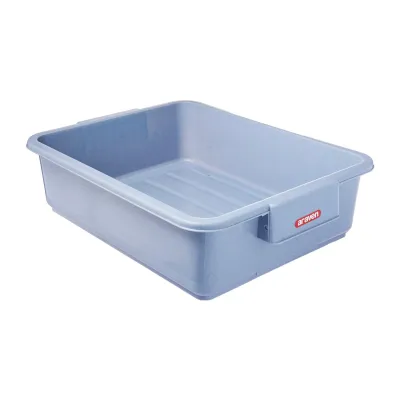
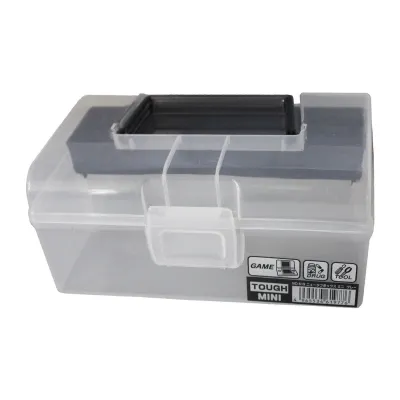
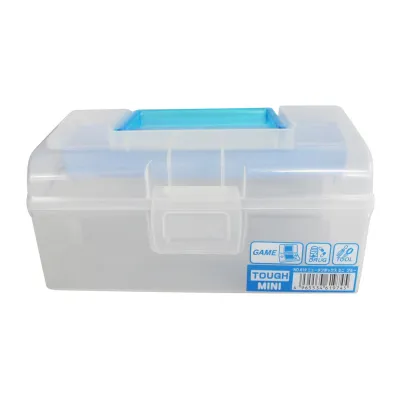
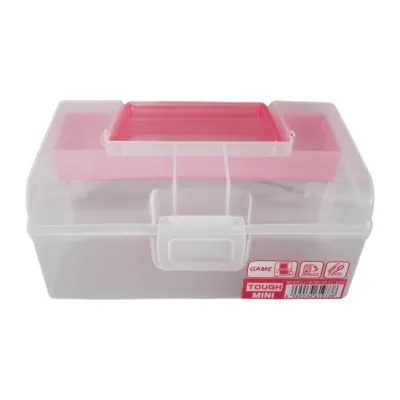
Prices are valid at publication and may change. Please refer to the product page for the latest price.
The structural integrity of a carton is largely determined by whether it is constructed from single-wall or double-wall corrugated board. Single-wall boxes consist of one wavy fluted layer glued between two flat linerboards, making them lightweight and suitable for everyday items. Double-wall boxes feature two layers of fluting and three linerboards, providing significantly greater puncture resistance and stacking strength. When packing heavy, valuable, or highly fragile items, investing a few extra S$ in double-wall cartons provides the necessary structural support to prevent collapse.
Matching Box Sizes to Common Household Categories
A successful packing strategy relies on a simple rule of thumb: the heavier the item, the smaller the box should be. This principle prevents cartons from becoming too heavy to lift safely and protects the structural integrity of the cardboard. Additionally, matching the footprint of your boxes to the shape of your items minimizes empty space and ensures stable stacking.

Heavy and Dense Items (Books, Tools, Canned Goods)
Heavy and dense items like books, hand tools, and canned pantry goods must always be packed in small, sturdy boxes. Attempting to pack these items into a large carton quickly results in a package that is too heavy to carry safely, increasing the risk of personal injury or a bottom blowout. Small cartons keep the total weight manageable while keeping the contents tightly packed to prevent shifting.
When preparing boxes for dense loads, pay close attention to handle reinforcements and sealing techniques. If the box features pre-cut handle holes, ensure they are reinforced or avoid using them entirely if the weight is near the box’s limit, as the cardboard can easily tear. Secure the bottom seams using the “H-taping” method, which involves running heavy-duty packing tape down the center seam and across both side edges to seal all open joints.
It is easy to identify when a box is too large or overloaded for heavy items. Look for signs of physical stress such as sagging at the bottom seam or bulging along the side walls when the box is lifted. If the cardboard begins to distort or if you hear the fibers cracking, immediately unpack the carton and distribute the weight across multiple smaller boxes to avoid a complete structural failure during transit.
Bulky and Lightweight Items (Clothing, Bedding, Pillows)
Bulky, lightweight items such as winter clothing, blankets, pillows, and comforters are ideal candidates for large and extra-large packing boxes. Because these items have low density, they can fill a large volume without exceeding the weight capacity of the carton. Utilizing larger boxes for these goods helps minimize the total number of packages you need to move, making loading and unloading much faster.
To optimize the space inside large cartons, consider using vacuum compression bags for soft goods before placing them in the box. Compression bags remove excess air, allowing you to fit significantly more clothing or bedding into a single container. This technique is particularly useful for bulky winter coats or spare duvets, freeing up valuable box space for other household essentials.
When packing lightweight items, ensure the box is filled completely to the top. If a large box is only partially filled, the empty space at the top makes it vulnerable to crushing when other boxes are stacked on top of it. You can use soft items like towels, t-shirts, or clean pillows as natural void fill to pack the carton tightly, ensuring it maintains its shape and supports the weight of the stack.
Fragile and Awkward Items (Dishware, Electronics, Lamps)
Fragile and awkwardly shaped items require a specialized approach to box selection that prioritizes protective clearance over volume efficiency. When choosing a box for delicate items like glassware, electronics, or ceramic lamps, you must calculate the required internal dimensions by adding a buffer zone on all sides. This extra space is necessary to accommodate protective cushioning materials like bubble wrap, packing paper, or foam inserts.
For dishware and glassware, standard open boxes often allow too much internal movement, increasing the risk of breakage. Instead, select boxes equipped with cardboard dividers or specialized cell inserts. These dividers isolate each glass or plate, preventing them from colliding with one another during transit. Ensure each item is wrapped individually before being placed into its designated cell.
Unusually shaped electronics, disassembled furniture components, or tall floor lamps may not fit into standard square cartons. In these cases, look for telescoping boxes or long, narrow cartons designed specifically for odd shapes. Telescoping boxes consist of two pieces that slide over one another, allowing you to adjust the length of the box to match the item precisely, providing a snug fit that prevents shifting.
Space Optimization and Packing Strategies
Maximizing the efficiency of your packing boxes involves more than just choosing the right sizes; it requires strategic placement and space optimization. One effective technique is nesting smaller items inside larger, hollow objects. For example, you can pack small kitchen accessories, spices, or wrapped glassware inside large cooking pots, clean trash cans, or plastic bins. This nesting method utilizes otherwise wasted space and reduces the total number of boxes required for your move.
Selecting the right void fill is also crucial for securing your items without adding unnecessary weight to the carton. While crumpled kraft paper is excellent for general wrapping and light filling, biodegradable packing peanuts or air pillows are highly effective for filling larger empty spaces. Avoid overusing heavy materials like dense cardboard scraps as void fill, as this can unnecessarily increase the total weight of the package.
Before sealing any box with packing tape, perform a quick physical test to verify that it is correctly packed. Gently close the top flaps and give the box a light shake; if you hear items shifting or sliding inside, there is too much empty space, and you need to add more void fill. Additionally, check for any outward bulging along the sides; a bulging box indicates that items are packed too tightly or are pressing against the walls, which can lead to seam failure during stacking.
Common Sizing Mistakes to Avoid
One of the most frequent mistakes in packing is overloading large boxes with heavy items like books or files. This not only makes the box incredibly difficult to lift but also puts immense pressure on the bottom seams and handles, often resulting in the box tearing open mid-transit. Always reserve large boxes for light, voluminous items and keep heavy items in small containers.
Another common error is using a box that is far too large for its contents and attempting to compensate by filling the massive empty space with loose void fill. Over time, loose fill like packing peanuts can settle, leaving a large empty gap at the top of the box. This gap deprives the carton of internal support, causing it to collapse when stacked under heavier boxes, which can crush the items inside.
Finally, many people ignore the stacking strength of their boxes when organizing a moving truck or storage unit. Always place the heaviest, most structurally sound boxes at the bottom of the stack and lighter, more fragile boxes on top. Placing a heavy box on top of a weak or partially filled carton will inevitably lead to crushing, tipping, and potential damage to your belongings.
Frequently Asked Questions (FAQ)
Can I reuse old delivery boxes for packing household items?
Reusing old delivery boxes is a cost-effective option, but you must inspect them carefully before use. E-commerce shipping boxes are often designed for single-use transit and may have suffered structural degradation during their initial journey. Check the corners for softening, look for punctures or tears, and ensure the corrugated flutes inside the cardboard are not flattened or creased. If the box has been exposed to moisture, its structural integrity will be severely compromised, making it unsuitable for heavy or fragile household items. Always reinforce the bottom seams with fresh packing tape if you decide to reuse them.
How much extra space should I leave inside a box for fragile items?
As a general guideline, you should leave a buffer zone of at least 5 to 8 centimeters of space on all sides—including the top and bottom—of any fragile item. This clearance allows for a thick layer of cushioning material, such as bubble wrap or crumpled packing paper, to absorb shocks and vibrations during transit. If you are packing highly delicate items like porcelain or electronics, increase this buffer zone to 10 centimeters. Ensure the cushioning material is packed tightly enough that the item cannot sink through the buffer and touch the outer walls of the box.

Community discussion
Share your experience or ask a question. Comments are reviewed before publication.