
To choose the right artist painting brush set, you must match the bristle material to your chosen paint’s viscosity, select a balanced mix of shapes that support your specific techniques, and verify the physical construction of the ferrules and handles. A single, universal brush set rarely exists because different mediums require vastly different levels of stiffness, liquid retention, and chemical resistance. By understanding how these variables interact, you can select a set that enhances your painting experience and lasts for years.
Investing in a pre-packaged set is an excellent way to build a foundational toolkit, but not all sets are created equal. Some are tailored for fluid, water-based washes, while others are built to push heavy, buttery oils across a textured canvas. Evaluating your primary medium first ensures you do not waste resources on brushes that hinder your artistic progress.
Match Your Brush Set to Your Primary Painting Medium
The physical properties of your paint dictate how your brushes must perform. Watercolor, acrylic, oil, and gouache each possess unique viscosity levels and chemical formulations. Consequently, a brush that excels at delicate watercolor washes will quickly fail or become ruined when subjected to heavy-body acrylics or harsh oil solvents.
Products mentioned in this guide
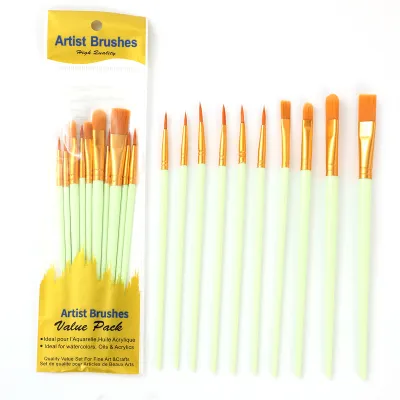
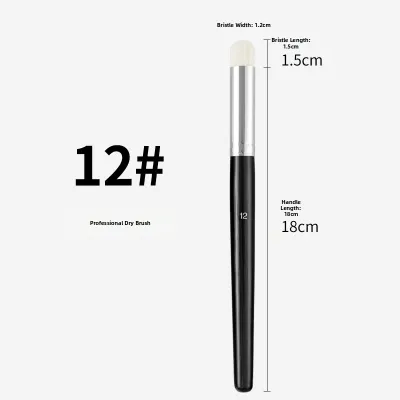
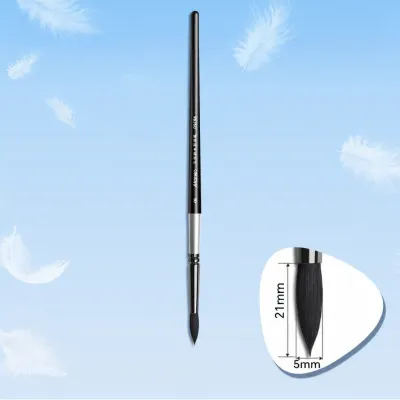
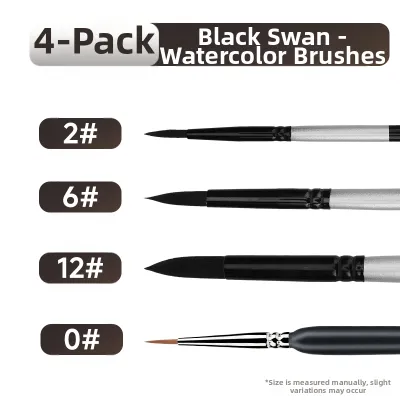
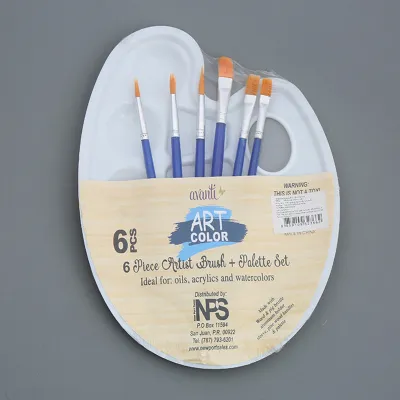
Prices are valid at publication and may change. Please refer to the product page for the latest price.
Watercolor and gouache are highly fluid, water-based mediums. They require brushes with high water-holding capacity and a soft, delicate touch. The brush must absorb a significant amount of liquid and release it evenly onto paper without tearing the fibers. If the bristles are too stiff, they will scratch the paper surface and leave harsh, unwanted streaks in your washes.
Acrylic paints are water-based but contain synthetic acrylic polymer binders. As they dry, these binders turn into a water-resistant plastic. Acrylics can be highly abrasive to natural hair brushes, and if the paint dries inside the bristle bundle, it can permanently ruin the brush. Therefore, acrylic painters generally require resilient, easy-to-clean synthetic bristles that can withstand the chemical structure of the medium and frequent washing.
Oil paint is a heavy-bodied, slow-drying medium that requires stiff, robust bristles to move the thick paste across the canvas. Additionally, oil painting involves solvents like mineral spirits or turpentine for thinning paint and cleaning brushes. These solvents can quickly degrade low-quality synthetic filaments and dissolve cheap glues inside the brush ferrule. If you paint with oils, your brush set must be constructed to withstand these chemical solvents while maintaining its structural integrity.
Decide Between Natural and Synthetic Bristles
The debate between natural and synthetic bristles is central to choosing an artist painting brush set. Each material offers distinct performance characteristics, price points, and maintenance requirements. Understanding these differences allows you to choose the best option for your medium and budget.

Natural Bristles
Natural brushes are made from animal hair, such as red sable, squirrel, goat, or hog. Under a microscope, natural hair possesses tiny, overlapping scales along the shaft. These scales act as reservoirs, trapping paint and water to provide an unrivaled paint-holding capacity and a smooth, continuous release.
- Red Sable (including Kolinsky): Renowned for watercolor and fine detail oil painting. It offers a perfect balance of softness, liquid retention, and a springy "snap" that returns the brush to a fine point.
- Squirrel and Goat: Exceptionally soft with high water capacity but minimal spring. These are ideal for broad watercolor washes and mop techniques.
- Hog Bristle: Stiff and coarse with naturally split ends (flags). These flags hold thick oil paint beautifully, making hog bristle the traditional choice for oil and heavy-body acrylic work.
While natural brushes offer elite performance, they are expensive. A single premium sable brush can cost as much as a complete synthetic set. They also require meticulous cleaning and are susceptible to damage from acrylic binders and moths.
Synthetic Bristles
Modern synthetic brushes are constructed from man-made nylon or polyester filaments, often referred to as Taklon. Manufacturers can taper, crimp, or etch these filaments to mimic the performance of natural hair.
- Durability: Synthetic fibers are highly resistant to the caustic nature of acrylic paints and solvents.
- Excellent Snap: They spring back to their original shape quickly, offering superb control for precise lines.
- Ease of Cleaning: Lacking microscopic scales, synthetic fibers do not trap pigment particles as deeply as natural hair, making them much easier to clean.
Synthetic brushes are generally more affordable and serve as the standard for acrylic painting, fluid mediums, and everyday crafting.
Synthetic-Natural Blends
Blended brushes combine the water-holding capacity of natural hair with the durability and spring of synthetic fibers. These sets offer a highly practical middle ground for mixed-media artists who want the performance of natural hair without the high cost.
| Medium | Recommended Bristle Type | Primary Benefit |
|---|---|---|
| Watercolor | Natural Sable, Squirrel, or Soft Synthetic | Maximum water retention and smooth release |
| Acrylic (Heavy Body) | Stiff Synthetic or Hog Bristle | High durability and ability to push thick paint |
| Acrylic (Fluid) | Soft to Medium Synthetic | Smooth, streak-free application |
| Oil | Hog Bristle or Solvent-Resistant Synthetic | Structural strength to handle heavy paste and solvents |
| Gouache | Soft Synthetic or Natural/Synthetic Blend | Controlled moisture delivery and easy cleaning |
Pick the Right Brush Shapes for Your Techniques
An artist painting brush set should contain a thoughtful variety of brush shapes and sizes. Different shapes allow you to execute specific strokes, textures, and details. Understanding these shapes helps you evaluate whether a pre-packaged set fits your artistic style.
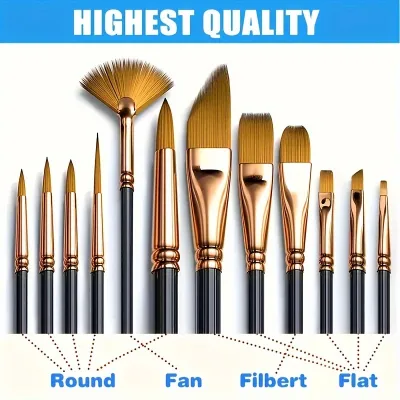
Round Brushes
Round brushes feature a circular ferrule and a pointed tip. They are incredibly versatile, making them a staple in almost every brush set. By adjusting your hand pressure, you can transition from a razor-thin detail line to a broad, sweeping stroke. Larger round brushes also function well for laying down controlled washes of color.
Flat and Wash Brushes
Flat brushes have a square, flat ferrule with medium-to-long rectangular bristles. They are designed for blocking in large areas of color, creating sharp, straight edges, and blending paint on the canvas. Wash brushes are wider versions of flats, used primarily in watercolor to wet paper quickly or apply broad fields of color.
Filbert Brushes
Filberts are a hybrid of round and flat brushes. They feature a flat ferrule but have rounded, oval-shaped bristle tips. This design makes them highly versatile for figurative painting, portraiture, and organic landscapes. The rounded edges allow for soft, seamless blending and natural-looking strokes without the harsh, square corners of a standard flat brush.
Detail and Liner Brushes
Detail brushes are very small round brushes, while liner (or rigger) brushes feature extremely long, thin bristles. These shapes are engineered to hold a small amount of fluid paint and release it slowly to create fine lines, delicate details, lettering, and signatures. They require a steady hand and are essential for finishing touches.
Evaluating Shape Distribution in a Set
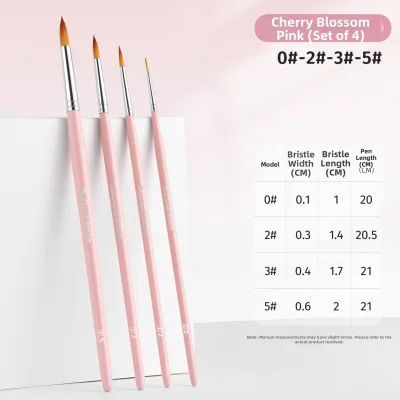
When shopping for a brush set, beware of packages that overstock tiny detail brushes while omitting essential mid-sized options. A well-balanced set should offer a logical progression of sizes, typically categorized by numbers (such as 0, 2, 6, 10, and 12). Note that brush sizing standards are not universally unified across brands; a size 8 round from one manufacturer may be larger than a size 8 from another.
Ensure your chosen set contains at least one medium round (size 6 or 8) and one medium flat or filbert (size 10 or 12) to handle the bulk of your painting, supplemented by a few detail brushes for fine work.
Inspect the Build Quality Before You Buy
Even the most suitable bristle type and shape will frustrate you if the brush is poorly constructed. A low-quality brush will shed hairs onto your wet canvas, lose its shape after a few uses, or wobble at the handle. Inspecting key structural components ensures your set remains durable over time.
Ferrule Construction
The ferrule is the metal band that secures the bristles to the wooden or synthetic handle. Look for seamless ferrules made from rust-resistant materials such as nickel-plated brass or anodized aluminum. Avoid cheap ferrules with a visible glued seam along the side. Seamless, double-crimped ferrules prevent water from seeping into the handle, which is particularly important for water-based mediums and humid environments.
Handle Balance and Weight
Brush handles are generally categorized into two lengths:
- Short Handles (15 to 18 cm): Designed for close-up, detailed work at a flat desk or table. These are standard for watercolors, gouache, and illustration.
- Long Handles (22 to 30 cm): Designed for easel painting, allowing you to stand back at arm's length to evaluate your entire composition. These are standard for oil and acrylic canvas painting.
Ensure the wooden handles are fully sealed with a smooth, water-resistant lacquer. Unsealed wood will absorb moisture, swell, crack, and eventually cause the ferrule to wobble.
Bristle Security and Snap
If you are shopping in a physical art store, you can run a simple check by gently tugging on the bristles. A well-constructed brush should not shed any hairs. You can also press the dry bristles gently against your finger to test their resilience; they should spring back into their original shape without splaying or splitting. When purchasing online, read user reviews carefully to check for complaints regarding shedding, loose ferrules, or handles that detach after washing.
Frequently Asked Questions (FAQ)
Can I use the same brush set for both watercolor and acrylic painting?
It is generally not recommended to use the same brush set for both watercolor and acrylics. Acrylic paint contains plastic polymers that dry quickly and are highly abrasive. Even a tiny amount of dried acrylic residue near the ferrule can ruin delicate, soft natural watercolor brushes. Furthermore, watercolor requires highly absorbent, soft bristles to hold water, whereas acrylics perform better with stiffer synthetic fibers that can push heavier paint. To preserve your tools, keep dedicated synthetic sets for acrylics and separate, softer sets for watercolors.
How do I know if a brush set is suitable for beginners?
A beginner-friendly brush set should prioritize durability, versatility, and ease of maintenance. Look for medium-grade synthetic brush sets rather than expensive natural hair. High-quality synthetic fibers are forgiving of heavy cleaning and occasional neglect. A practical beginner set should feature short handles for easy desk-based control and contain a balanced mix of essential shapes: a size 2 and 8 round, a size 10 flat, and a medium filbert. Avoid ultra-cheap, unbranded sets, as excessive shedding and loose ferrules will cause unnecessary frustration.
What is the best way to clean and store an artist brush set?
Always clean your brushes immediately after use. For water-based paints, rinse thoroughly with lukewarm water and a mild brush soap until the water runs clear. For oil paints, wipe away excess paint with a cloth, clean with an artist-grade solvent, and wash with soap and water. Gently reshape the damp bristles with your fingers. Always dry your brushes flat on a clean towel or hang them upside down. Storing wet brushes upright allows water to pool inside the ferrule, dissolving the glue and causing the wooden handle to swell and crack, especially in humid climates.

Community discussion
Share your experience or ask a question. Comments are reviewed before publication.