
Choosing the right anti-theft zipper clip depends on matching your bag’s specific zipper configuration, daily use case, and the physical limits of the locking mechanism. There is no universal solution; the best choice balances reliable deterrence against opportunistic theft with the convenience required for your daily routine. By evaluating your hardware and selecting a compatible, practical security upgrade, you can significantly reduce the risk of pickpocketing during crowded commutes or international travel.
Assess Your Bag's Zipper Configuration
Before purchasing any security accessory, you must closely examine the physical characteristics of your bag’s existing zippers. The most common point of failure when installing an aftermarket clip is a mismatch in physical dimensions. Start by measuring the diameter of the hole in your zipper pulls. Many sleek, modern bags feature minimalist pulls with tiny openings that cannot accommodate standard carabiners or thick metal shackle pins. If the hook or cable of the clip is too thick, forcing it through the hole can bend the puller or jam the slider mechanism entirely.
Next, determine whether your bag uses a single or double zipper track for each compartment. A double zipper track features two sliders that meet in the middle, allowing you to lock them directly to each other using a simple interlocking clip or padlock. A single zipper track, common on smaller front pockets and some crossbody bags, only has one slider. To secure a single zipper, you must find a clip that anchors the single puller to a fixed point on the bag, such as a dedicated D-ring, a strap attachment, or a sewn-in fabric loop.
Products mentioned in this guide
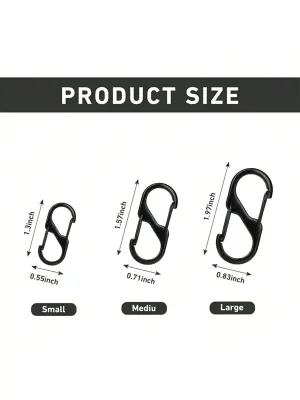
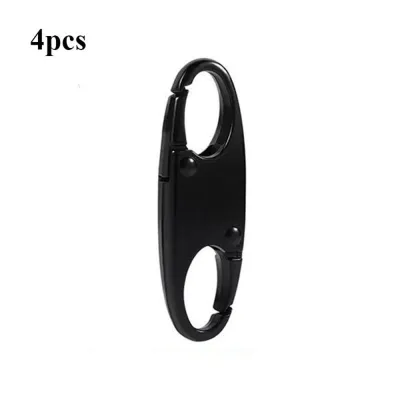
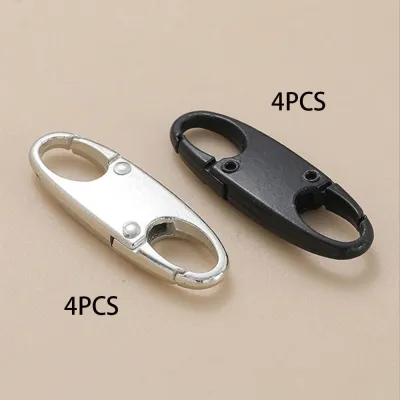
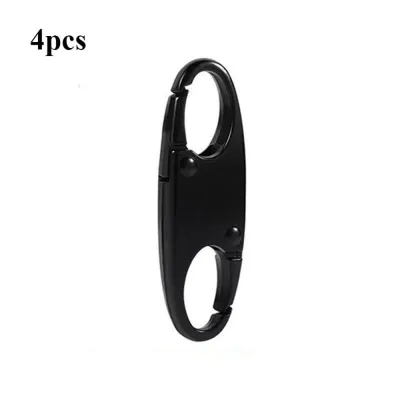
Prices are valid at publication and may change. Please refer to the product page for the latest price.
Finally, evaluate the material and shape of your zipper pulls. Metal pulls are generally robust enough to handle the constant friction of a metal clip, but painted or coated pulls may scratch and chip over time. If your bag features soft leather, cord, or plastic-molded pulls, standard rigid clips might slip off or gradually wear down the material. For these delicate configurations, flexible wire loop clips or fabric-friendly locking ties are often more suitable than heavy, rigid metal clasps.
Match Clip Mechanisms to Bag Types and Scenarios
Selecting the most practical locking or clipping mechanism requires a clear understanding of how you use your bag in daily life. A security solution that works perfectly for a checked suitcase can become an annoying obstacle during a fast-paced daily commute. You must balance the level of physical deterrence with the speed of access you require for your belongings.

Backpacks and Laptop Bags
For daily commutes on crowded trains or buses, your primary goal is to deter opportunistic pickpockets who rely on stealth and speed. In these fast-moving environments, you need a security mechanism that you can operate quickly with one hand when you need to retrieve your laptop, transit card, or notebook. Spring-loaded carabiners, magnetic locking clips, or swivel snap hooks offer an excellent balance of speed and security. These devices require a specific, multi-step physical action to open—such as twisting a collar or pressing a recessed release button—which is highly effective at stopping a thief from silently sliding your zipper open from behind.
Another practical option for backpacks is a flexible cable lock or a reinforced security strap. These accessories allow you to loop the cable through both zipper pulls and anchor them directly to the bag’s top grab handle or a side compression strap. This setup makes it incredibly difficult for someone to open the bag while it is on your back, yet remains straightforward for you to unlock once you reach your desk.
Avoid using complex padlocks, combination locks, or heavy-duty keyed systems on your daily commuter backpack. While these offer high physical security, the constant frustration of entering a code or searching for a tiny key every time you need a pen or charger will likely lead you to stop using the lock altogether, leaving your bag entirely unprotected.
Luggage and Travel Bags
When preparing luggage for transit, flights, or long-distance coach journeys, the security requirements shift dramatically. Your bags will be out of your sight for extended periods, subjected to rough handling by baggage handlers, and exposed to potential tampering in cargo holds. For these scenarios, prioritize heavy-duty, robust metal carabiners or integrated combination locks that can withstand significant physical stress. The clips should be constructed from solid, impact-resistant metals that will not snap or bend when your suitcase is stacked, dropped, or slid across conveyor belts.
If you are traveling internationally, it is essential to verify whether your locking mechanism is compatible with regional airport security standards. In many jurisdictions, security personnel must be able to inspect checked baggage without damaging the locks. Choosing clips or locks that accommodate master keys used by transport security agencies ensures that officers can open and re-secure your bag safely if a manual inspection is required.
Additionally, ensure that the clip structure is compact and fits snugly against the body of the suitcase. Loose, dangling clips or long, flexible cables can easily catch on conveyor belt dividers, automated sorting machinery, or other luggage straps. This catching can rip the zipper sliders right off the track, ruining your bag and exposing your belongings during transit.
Handbags and Crossbody Bags
Handbags and crossbody bags require a highly discreet approach to security. These bags are often chosen for their style, drape, and lightweight comfort, meaning heavy, industrial-looking metal locks are rarely appropriate. Instead, look for miniature snap hooks, hidden magnetic clasps, or slim interlocking tabs that blend seamlessly with the bag’s existing metal hardware. Many of these elegant solutions can be tucked neatly under a leather flap or aligned parallel to the zipper seam, keeping them completely invisible to casual observers.
Avoid heavy padlocks or thick steel cables on delicate handbags. Not only do they ruin the aesthetic silhouette of the bag, but the unbalanced weight can also pull the fabric out of shape, strain the zipper tape, and cause the bag to sit uncomfortably against your body. Over time, heavy dangling hardware can even damage delicate leather or fabric finishes through constant friction.
Focus on mechanisms that secure the zipper pull directly to the bag’s strap anchor or a side D-ring. Because crossbody bags are worn close to the body, securing the zipper slider to a fixed point near your hip or chest makes it virtually impossible for a pickpocket to unzip the main compartment without you immediately feeling the physical tug on your shoulder strap.
Evaluate Attachment Compatibility and Ease of Use
Before finalizing your choice, you must ensure that the anti-theft clip can be installed easily and operated smoothly without causing long-term damage to your bag. Start by checking the installation requirements of the product. Some heavy-duty security clips require permanent modifications, such as screwing a bracket into the bag’s fabric or crimping a metal ring onto the zipper slider. These permanent alterations can void the manufacturer’s warranty on high-end bags and may permanently ruin the material if installed incorrectly. Opt instead for non-destructive, removable clips that loop through existing hardware.
Next, assess the operational friction of the mechanism. A poorly designed clip with sharp edges, exposed springs, or rough metal burrs can catch on the surrounding fabric, fraying the zipper tape or scratching expensive leather trim. When testing a clip, run your fingers along its edges to ensure they are smooth and rounded. The clip should glide easily onto the zipper pull without requiring you to force, twist, or bend the hardware, which can weaken the zipper slider over time.
Finally, carefully review the unlocking process. In high-stress situations, low-light environments, or sudden downpours, you do not want to struggle with a finicky, overly complex mechanism. If you choose a combination lock, ensure the numbers are highly legible and the dials turn smoothly without sticking. If you opt for a keyed clip, consider where you will keep the key and whether you have a reliable backup plan. For most daily scenarios, a simple, clever mechanical release—such as a dual-action gate or a hidden trigger—is far more reliable and user-friendly than a digital or keyed lock.
Verify Security Claims and Material Durability
When shopping for anti-theft accessories on online marketplaces, it is easy to be swayed by bold marketing claims promising absolute safety. To make an objective decision, you must look past the promotional language and evaluate the actual materials and construction of the clip. Prioritize solid metals, such as stainless steel, brass, or high-grade zinc alloy, for all load-bearing components, hooks, and locking cores. Avoid cheap, brittle plastics or thin aluminum wires, which can easily be snapped with basic hand tools or sheared off with a quick, forceful tug.
It is equally important to maintain realistic expectations about what an anti-theft zipper clip can achieve. These devices are designed to deter stealthy unzipping, casual snooping, and opportunistic pickpocketing in crowded public spaces. They create a physical and psychological barrier that encourages a thief to move on to an easier target. However, no zipper clip can guarantee absolute protection against a determined criminal armed with cutting tools, heavy shears, or a sharp blade. If your bag is made of standard lightweight nylon or canvas, a thief can simply slash the fabric to bypass the locked zipper entirely.
To ensure long-term durability, check the manufacturer’s specifications for environmental resistance. If you live in a humid tropical climate or plan to travel to rainy destinations, look for clips with rust-resistant coatings or marine-grade stainless steel construction. Standard steel clips can quickly rust when exposed to sweat, rain, and humidity, leading to jammed mechanisms that are incredibly difficult to open. Reviewing these specifications beforehand ensures your security investment remains functional for years to come.
Frequently Asked Questions (FAQ)
Can an anti-theft zipper clip completely prevent my bag from being stolen or slashed?
No, an anti-theft zipper clip cannot completely prevent your bag from being stolen or slashed. These clips are designed primarily as a deterrent against stealthy pickpocketing, opportunistic unzipping, and casual snooping in crowded areas. They force a thief to spend extra time and effort, which usually prompts them to look for an easier, unsecured target. However, they do not protect against physical bag slashing, strap cutting, or forceful snatching. To protect against those threats, you would need a bag constructed with slash-resistant mesh linings and reinforced internal steel cables in the straps.
What should I do if I lose the key or forget the combination to my zipper lock?
If you lose the key or forget the combination, avoid using brute force immediately, as this can permanently ruin your bag’s zipper sliders. Before purchasing any locking clip, check if the manufacturer offers a reset mechanism, a master override code, or a backup key service. To prevent being locked out while traveling, it is highly recommended to store a secure digital record of your combination in a password manager or a cloud-based note app. If you are using a keyed lock, keep a spare key in a completely separate, secure location, such as your hotel safe or a different piece of luggage.
Will installing a metal zipper clip damage my bag's fabric or zipper track?
Installing a metal zipper clip can potentially damage your bag if the clip has sharp edges or is too heavy for the zipper assembly. To prevent scratching and wear, look for clips that feature smooth, tumbled edges, rounded corners, or protective silicone coatings. Avoid using heavy, industrial-grade locks on delicate fabrics or lightweight plastic zippers, as the constant pulling and weight can strain the zipper tape and cause fraying. Regularly inspect the area around the zipper slider for any signs of wear, and remove or replace the clip if you notice any fabric pulling or metal discoloration.

Community discussion
Share your experience or ask a question. Comments are reviewed before publication.