
Giving a cash gift in a red packet, or angbao, is a time-honoured tradition that conveys blessings, respect, and well-wishes. However, presenting a crumpled, bulging, or taped-up envelope can detract from the gesture. Choosing the correct envelope size ensures your banknotes lie flat, pristine, and secure, reflecting the care and thought behind your gift.
To make a positive impression, you must match the physical dimensions and volume of your banknotes to the structural design of the envelope. Understanding how standard paper sizes interact with local currency denominations helps you select the correct fit for any occasion, from weddings to Lunar New Year celebrations.
Decoding Angbao Dimensions and Banknote Fit
Angbao envelopes generally fall into three main size categories, each designed to accommodate different presentation styles and banknote dimensions. Standard long envelopes are a common choice for formal occasions. These typically measure around 165mm to 170mm in length and 85mm to 90mm in width, which allows standard banknotes to lie completely flat without any folding.
Products mentioned in this guide
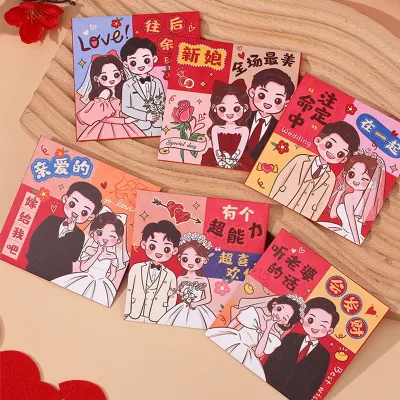
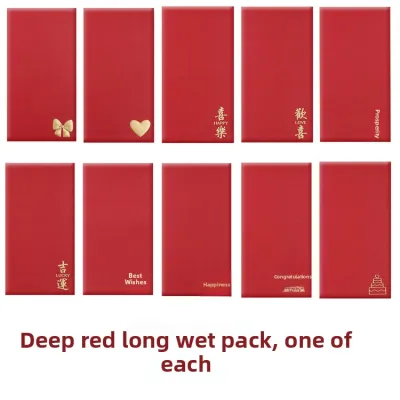
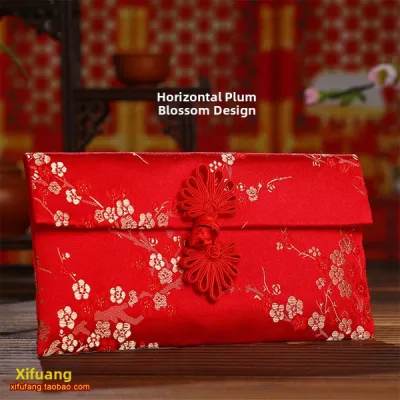
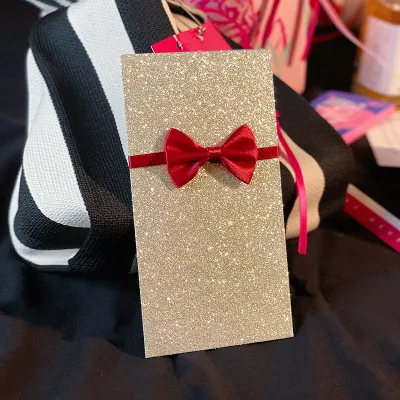
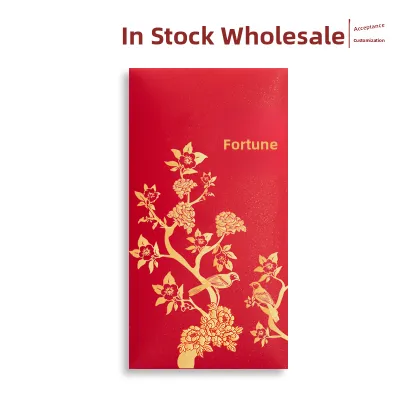
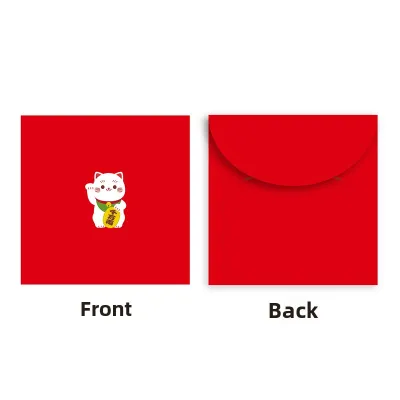
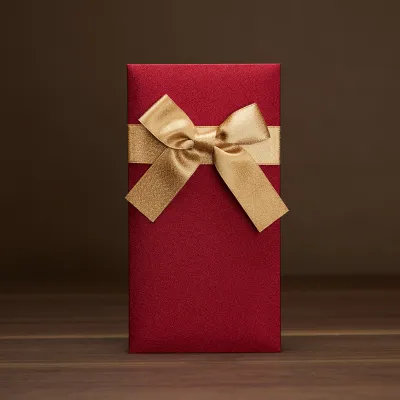
Prices are valid at publication and may change. Please refer to the product page for the latest price.
For larger cash gifts or special presentations, oversized envelopes offer extra breathing room. These designs often feature wider dimensions or gusseted sides that expand to accommodate thicker stacks of paper. They are suitable when you want to present a substantial number of notes or when dealing with larger, high-denomination banknotes that require extra physical space.
On the other end of the spectrum are mini or pocket-sized angbaos, which usually measure around 115mm by 80mm or smaller. These compact envelopes are highly portable and convenient for small tokens, but they require you to fold the banknotes at least once or twice to fit inside. They are best reserved for casual gifting or when the physical presentation of flat notes is not a primary concern.
Before purchasing your envelopes, it is highly recommended to check the interior dimensions listed on the packaging. Compare these measurements directly against the longest banknote you plan to include. Ensuring there is at least a 5mm to 10mm margin on all sides will prevent the edges of the paper from catching, bending, or tearing during insertion.
Matching Cash Volume to Envelope Sizes
The total thickness of your cash gift is just as important as the length of the banknotes. For light to moderate gifts, such as a few S$10 or S$50 notes, a standard long envelope is a suitable choice. This combination maintains a sleek, flat profile that slides easily into pockets or bags without bending the paper or distorting the shape of the envelope.

When you are giving a more substantial amount, such as a thick stack of S$10 or S$50 notes, or multiple S$100 notes, standard envelopes can quickly become overstuffed. In these scenarios, look for large-format envelopes made from heavier paper stock, or those with expandable gussets. These structural features distribute the physical volume evenly, preventing the seams from splitting and keeping the presentation neat.
If you are presenting symbolic amounts or custom tokens that include coins, mini envelopes can be useful, but they require careful handling. Loose coins can easily slide around, potentially tearing thin paper or falling out of unsealed flaps. To prevent this, secure any loose items or coins inside a small protective sleeve before placing them into the pocket-sized envelope.
Choosing the right paper weight also plays a critical role in managing cash volume. Envelopes made from thin, lightweight paper are prone to tearing when holding more than a few notes. For larger sums, opt for premium envelopes crafted from textured cardstock or heavy paper, which offer the structural integrity needed to support the weight of the cash securely.
Verifying the Fit Before Sealing
Before you apply any adhesive or seal the flap, it is essential to perform a quick dry run. Place your stack of banknotes inside the envelope and observe how the paper behaves. The notes should slide in smoothly without requiring force, and they should sit entirely below the fold line of the top flap.
Check the overlap of the closure flap to ensure there is enough surface area to create a secure seal. If the stack of cash is too thick, the flap will be forced upward, straining the paper and leaving very little room for the adhesive to hold. A strained flap is highly likely to pop open during transit, risking the loss of the contents.
If you find yourself using a smaller envelope than planned, you must use precise folding techniques to keep the presentation neat. Avoid folding a large stack of notes together, as this creates a thick, bulky crease that is difficult to flatten. Instead, fold each banknote individually with a clean, single crease down the middle before stacking them together inside the envelope.
Overstuffing an angbao not only looks untidy but also compromises the safety of your gift. A bulging envelope is highly susceptible to catching on other items, which can rip the paper and expose the cash inside. If the envelope looks noticeably distorted or rounded, it is a clear sign that you need to upgrade to a larger size or use higher-denomination banknotes to reduce the physical stack thickness.
Frequently Asked Questions (FAQ)
Should I use crisp new banknotes or circulated bills?
Using crisp, brand-new banknotes is a traditional practice that symbolises a fresh start and shows respect to the recipient. From a practical standpoint, new notes are much thinner and lie flatter than circulated bills, allowing you to fit a larger number of notes into a standard envelope without creating bulk. If you plan to use new notes, check with local banks ahead of major festive seasons to secure them, as demand is typically very high.
Is it acceptable to fold banknotes to fit a standard angbao?
While presenting flat, unfolded banknotes is generally preferred for formal events like weddings, folding is entirely acceptable for casual occasions or when using smaller, pocket-sized envelopes. If you must fold the cash, use a single, clean fold across the center of the notes rather than rolling them or making multiple tight folds. This keeps the presentation neat and makes it much easier for the recipient to unfold and handle the money.

Community discussion
Share your experience or ask a question. Comments are reviewed before publication.