
When you need to fix a pair of pants quickly, reaching for the right adhesive tape for pants depends entirely on whether you are adjusting the length, patching a tear, or securing a temporary wardrobe gap. Using the incorrect tape can ruin delicate fabrics, fail after a single wash, or leave a sticky residue that is nearly impossible to remove. To achieve a clean, professional result, you must match your specific fabric issue to the correct class of adhesive: fusible hem tape, flexible fabric repair tape, or skin-safe double-sided fashion tape. Understanding these options allows you to make quick, reliable clothing adjustments at home without ever picking up a needle and thread.
Diagnose Your Pants Issue: Which Tape Do You Actually Need?
Before purchasing any adhesive, take a close look at the physical condition and material of your pants. A mismatch here often leads to peeling corners, stained fabrics, or restricted movement. If your trousers are dragging on the floor or the original stitched hem has unraveled, you require a dedicated hem tape designed to create a flat, horizontal bond along the leg opening. If you are dealing with a structural puncture, a frayed pocket edge, or a tear near the knee, a high-strength fabric repair tape is necessary to bridge the gap and reinforce the surrounding threads. For minor, immediate adjustments—such as a gaping waistline, a pocket flap that will not stay down, or a hem that slipped right before a meeting—temporary double-sided fashion tape is the safest, most flexible tool.
To help you quickly identify the correct path, use this diagnostic matrix matching common pants issues with their ideal adhesive solutions:
Products mentioned in this guide
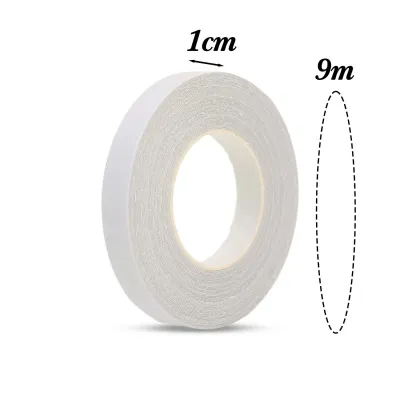
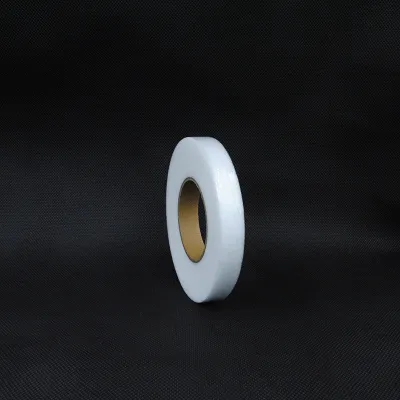
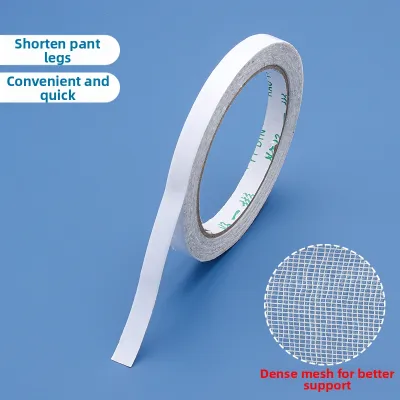
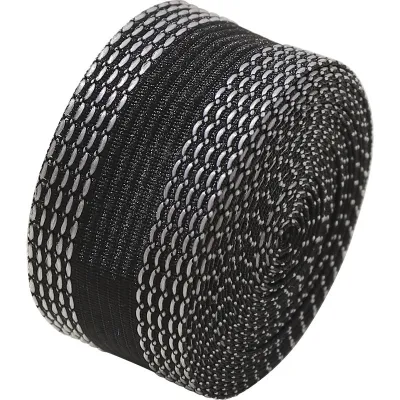
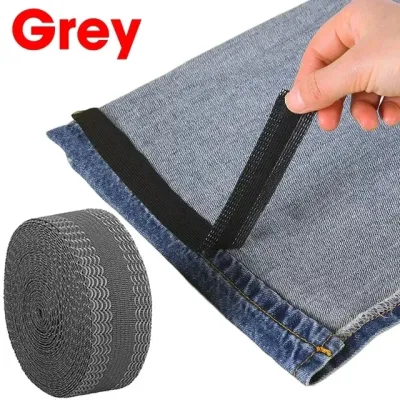
Prices are valid at publication and may change. Please refer to the product page for the latest price.
| Physical Symptom | Primary Need | Recommended Tape Type | Durability Level |
|---|---|---|---|
| Leg opening too long, dragging, or unraveled | Shortening or securing hem | Fusible (iron-on) or permanent peel-and-stick hem tape | Permanent to semi-permanent (survives multiple washes) |
| Tear, puncture, or fraying seam | Structural reinforcement | Flexible fabric repair tape or patch | Permanent (designed for heavy wear) |
| Gaping waist, slipping hem, or open slit | Temporary positioning | Double-sided fashion tape | Temporary (single-use, must remove before washing) |
While adhesive tapes offer highly convenient DIY solutions, they are not universal remedies for every tailoring issue. High-stress areas, such as the crotch seam of tight trousers or deep structural tears on heavy, stiff denim, experience constant pulling and friction that will easily overcome even heavy-duty adhesives. Similarly, if you are working with expensive formal wear, highly delicate silks, or complex pleated designs, DIY tapes can alter the natural drape of the fabric or cause permanent adhesive staining. In these scenarios, it is best to halt your DIY efforts and consult a professional tailor in Singapore to preserve the integrity of your garment.
Hem Tape for Pants: Adjusting Length Without Sewing
Hem tape is specifically engineered to replace traditional needle-and-thread stitching along the bottom of your trouser legs. The most common and durable option is fusible hem tape, which contains a heat-activated adhesive web. When sandwiched between the folded layers of fabric and pressed with a hot iron, the web melts, fusing the fibers together to create a flat, seamless bond. If you do not own an iron or are working with heat-sensitive materials, non-fusible (peel-and-stick) hem tapes offer a pressure-sensitive alternative. While peel-and-stick options are incredibly quick to apply, they generally lack the deep fiber penetration of heat-activated adhesives and may begin to peel after a few cycles in the washing machine.

Fabric compatibility is the most critical factor when planning an iron-on hem. Before applying heat, always inspect your pants’ care label to verify the maximum safe ironing temperature. Synthetic blends like polyester, nylon, and rayon can easily melt or develop permanent shiny scorch marks if exposed to high heat. Delicate fabrics like silk or fine wool require a protective pressing cloth—such as a clean, damp cotton towel—placed between the iron and the fabric to distribute heat evenly. If the care label explicitly forbids ironing, you must opt for a premium pressure-sensitive tape or traditional hand-sewing instead.
Selecting the correct width and weight of your hem tape ensures that the hem looks natural and holds securely. Standard hem tapes typically range from 1.2 cm (0.5 inches) to 2.5 cm (1 inch) in width. For lightweight suit trousers, dress pants, or summer linen slacks, a narrow, lightweight fusible tape is ideal because it maintains the fabric’s natural drape without creating a stiff, visible ridge. For heavy-duty casual cottons, chinos, or thick denim, a wider, heavy-weight tape is necessary to support the bulk of the folded fabric and withstand the mechanical stress of walking.
You must also consider how the hemmed pants will be cleaned and maintained. In Singapore’s hot and humid climate, garments are washed frequently, meaning your adhesive bond must withstand regular exposure to water and detergent. High-quality fusible tapes are designed to survive dozens of machine washes and low-temperature tumble drying cycles. Conversely, temporary hem tapes are formulated for single-use emergencies; they will dissolve or lose their grip during a wash cycle, making them perfect for temporary evening wear adjustments but unsuitable for everyday wardrobe staples.
Fabric Repair Tape: Fixing Tears, Holes, and Fraying
When pants suffer structural damage like a tear or puncture, standard rigid tapes will quickly fail because clothing must bend, stretch, and breathe with your body. Fabric repair tape is formulated with highly flexible backings—often made of nylon, polyester, or thin vinyl—and coated with an aggressive, pressure-sensitive adhesive that moves dynamically with the fabric. This flexibility prevents the edges of the tape from lifting when you sit, bend, or walk. When selecting a repair tape, look for options that explicitly state they are stretchable and waterproof, ensuring the patch remains intact through daily wear and laundry cycles.
Because repair tape is applied directly over damaged areas, aesthetic integration is a key consideration. Many manufacturers offer repair tapes in common pant colors, such as black, navy, grey, and khaki, as well as translucent matte finishes that blend into various textures. For a seamless look on the exterior of your pants, you can apply the tape to the inside of the garment, pulling the torn edges tightly together before pressing the adhesive down. Alternatively, you can embrace a utilitarian aesthetic by using contrasting colors to create visible, geometric patches, which is a popular styling choice for casual outdoor trousers and workwear.
The location of the damage dictates whether a tape repair will succeed or fail. Fabric repair tapes perform exceptionally well on flat, low-stress areas such as the shins, thighs, pocket edges, and inner seams. However, applying tape to high-stress zones—most notably the crotch, seat, or directly over the kneecap—carries a high risk of failure. The constant, multi-directional tension in these areas will quickly shear the adhesive bond, causing the tape to slide and leave a sticky, dirt-attracting residue. For these high-tension zones, a sewn patch or professional reweaving is highly recommended.
To guarantee a permanent bond, meticulous surface preparation is essential. Begin by washing the pants to remove any body oils, dirt, or fabric softeners, which can act as a barrier to the adhesive. Once the fabric is completely dry, use sharp sewing shears to trim away any loose, frayed threads around the perimeter of the tear to prevent them from catching on the tape. Cut your repair tape with rounded corners rather than sharp 90-degree angles; rounded edges are far less likely to catch on skin or other clothing layers and peel away. Apply the tape to a flat surface, pressing firmly from the center outward to eliminate air bubbles and activate the pressure-sensitive bond.
Double-Sided Fashion Tape: Temporary Fixes and Wardrobe Security
Unlike permanent hem and repair tapes, double-sided fashion tape is designed for temporary, short-term adjustments that can be easily reversed at the end of the day. Because this tape is frequently applied near the waistline, ankles, or deep necklines where it may directly touch your skin, verifying that the adhesive is skin-safe and hypoallergenic is paramount. Medical-grade acrylic adhesives are standard in reputable fashion tapes, ensuring they hold securely to both fabric and skin without causing irritation, redness, or allergic reactions during extended wear.
The primary strength of fashion tape lies in its ability to grip slippery, lightweight, or delicate fabrics without leaving a permanent mark or altering the textile’s structure. It features a low-to-medium tack adhesive that provides just enough shear strength to keep fabrics aligned while remaining incredibly easy to peel off. This makes it highly effective for securing gaping button flies, keeping pocket flaps flat, holding up a slipping sock, or temporarily securing a wrap-style pant leg. Because it leaves no permanent residue, you can confidently use it on delicate silk trousers or expensive wool blends that cannot tolerate heat or permanent adhesives.
In everyday styling, fashion tape acts as an invisible safety net for minor wardrobe adjustments. If you notice a slight gap at the back of your waistband when sitting down, a small strip of fashion tape applied between the waistband and your skin (or an undergarment) will keep the pants flush against your body. It is also highly useful for securing decorative elements, such as securing a folded cuff on a pair of linen trousers or keeping a decorative belt loop from flapping. It is important to note, however, that sweat and high humidity can reduce the effectiveness of fashion tape; if you plan to spend the day outdoors in Singapore’s tropical heat, apply the tape to clean, completely dry skin and avoid heavy physical exertion.
When your day is over, removing fashion tape requires a gentle touch to protect both your skin and the garment’s fibers. Slowly peel the tape away from the fabric, pulling it back on itself rather than ripping it upward, which can stretch or distort delicate weaves. If you encounter resistance or notice a slight sticky residue left behind, do not scrub the fabric aggressively. Instead, dab the area with a cotton swab dipped in a small amount of rubbing alcohol or a mild, fabric-safe adhesive remover, always testing a hidden spot first to ensure the solvent does not discolor the fabric. Washing the garment immediately afterward will remove any remaining traces of the adhesive.
Pre-Purchase and Application Checklist for Pants Tape
Before purchasing or applying any adhesive tape to your pants, walk through this quick verification checklist to ensure a successful, damage-free result:
- Verify the Garment Care Label: Confirm the fabric composition and check for restrictions on ironing temperatures, dry cleaning, or machine washing.
- Inspect the Tape Specifications: Match the tape's weight and width to your pants. Ensure the packaging explicitly states whether it is washable, dry-cleanable, or temporary.
- Perform a Hidden Area Test: Cut a tiny piece of the tape and apply it to an inconspicuous area, such as the inside of the pocket bag or the inner hem allowance. If using fusible tape, iron it on using a pressing cloth, then let it cool completely. Check if the adhesive stains the fabric, causes discoloration, or fails to stick.
- Assess the Fabric Texture: Avoid using adhesive tapes on highly textured fabrics like corduroy, heavy cable knits, or heavily coated water-repellent outdoor pants, as these surfaces do not allow the adhesive to make full contact.
- Define Your Stopping Point: If the pants are made of luxury fabrics (like pure silk or cashmere), require structural repair in high-tension areas (like the crotch), or have complex pleating, bypass DIY tapes and take them to a professional tailor.
Frequently Asked Questions (FAQ)
Can I use regular office or packaging tape to hem or repair my pants?
No, you should never use standard office, duct, or packaging tape on clothing. These tapes are designed for paper, cardboard, or plastic and lack the flexibility required to move with fabric. Their adhesives are highly aggressive and will leave a sticky, gummy residue that can permanently stain and ruin your pants’ fibers. Furthermore, they will immediately peel off when exposed to water, sweat, or a washing machine cycle.
Will iron-on hem tape ruin my pants if I make a mistake?
In most cases, iron-on hem tape is reversible, but it requires careful handling. If you make a mistake, you can reheat the hemmed area with an iron and a damp pressing cloth to reactivate and soften the adhesive, allowing you to gently pull the fabric layers apart while warm. However, some adhesive residue may remain on the fibers. On highly delicate, synthetic, or heat-sensitive fabrics, the reheating process carries a risk of scorching or melting the material, so caution is highly advised.

Community discussion
Share your experience or ask a question. Comments are reviewed before publication.