
Expressing gratitude to educators is a deeply rooted tradition in Singapore, particularly during key milestones like Teachers’ Day in September and the end of the academic year. While a simple verbal thank you is always appreciated, a physical, well-crafted greeting card serves as a lasting keepsake that teachers often treasure for years. Choosing a card from a reputable brand ensures that the physical quality of the paper and print matches the sincerity of your message.
Navigating the vast array of options available in Singapore requires balancing aesthetic appeal, material quality, and personal touch. Whether you are a parent writing on behalf of a young child or an older student penning a personal note, selecting the right card involves understanding what makes a greeting card stand out. This guide explores how to evaluate card quality, matches different design styles to a teacher’s personality, and highlights the best ways to purchase and personalize these tokens of appreciation locally.
What to Look for in a Quality Thank You Teacher Card
When selecting a greeting card, the tactile experience is just as important as the visual design. A card that feels substantial in the hand immediately conveys a sense of effort and respect. To ensure your card makes a positive impression, pay close attention to the paper weight and texture. Premium greeting cards typically use heavy cardstock, often ranging from 250 gsm (grams per square meter) to 350 gsm. You can verify these specifications by checking the product details on the packaging or online listings. Cardstock with a textured finish, such as linen, felt, or cotton rag, adds a sophisticated, tactile dimension that smooth, lightweight paper simply cannot replicate. Flimsy cards under 200 gsm tend to warp easily, especially when written on with heavy ink, which can detract from the overall presentation.
Products mentioned in this guide
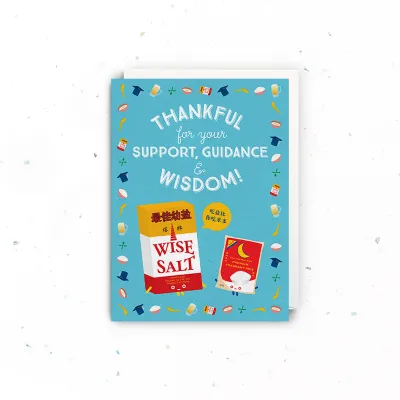
![[MIN 3 CARDS] 🇸🇬SG Punny Teacher Appreciation Card Special Editions for Graduation Greeting Thank You Heartfelt Support Message Card](https://img.lazcdn.com/g/ff/kf/S46b8562713de4564b8cea4c9945a655fF.jpg_400x400q80.jpg_.webp)
Prices are valid at publication and may change. Please refer to the product page for the latest price.
In addition to paper weight, the print quality and surface finishes play a significant role in the card’s visual appeal. Look for cards that feature premium embellishments such as foil stamping, embossing, or debossing. Foil stamping, particularly in metallic shades like gold, silver, or copper, catches the light beautifully and adds a touch of elegance to the typography. Embossing creates raised patterns that invite touch, while debossing presses designs into the paper for a subtle, recessed effect. A matte coating is generally preferred for the interior of the card, as it provides a smooth writing surface that resists fingerprints and glare. High-gloss finishes, while vibrant, can make writing difficult as they often cause ink to smudge or bead up.
The envelope is another crucial component that is sometimes overlooked. A high-quality card should always be accompanied by a matching envelope made from thick, durable paper, typically between 100 gsm and 120 gsm. The envelope should fit the card snugly without forcing it, protecting the edges from damage. If you plan to mail the card through the postal service, check the dimensions and weight. In Singapore, standard postage rates apply to standard rectangular envelopes within specific size and weight limits. Square, oversized, or heavily embellished cards may require additional postage or may need to be hand-delivered to prevent them from being bent or delayed in transit.
Finally, consider the physical dimensions of the card in relation to your planned message. Standard sizes such as A6 or A5 are highly versatile, offering ample space for a heartfelt note without requiring you to fill multiple pages. If the card is meant to be signed by an entire classroom or a group of students, look for larger folding formats or tri-fold designs that maximize the interior writing area. Ensuring the card’s physical scale matches its intended use prevents the final message from looking cramped or sparse.
Exploring Popular Greeting Card Styles for Teachers
Greeting card brands offer a diverse range of design aesthetics to suit different personalities. Matching the visual style of the card to the teacher’s unique character and your relationship with them makes the gesture feel far more thoughtful and tailored.

Classic and Traditional Designs
Classic and traditional cards rely on timeless imagery and elegant design principles. These cards frequently feature delicate floral arrangements, botanical watercolor illustrations, and sophisticated, flowing calligraphy. The color palettes are often soft and muted, utilizing pastel tones, cream backgrounds, and rich jewel accents. Messages of appreciation on these cards are typically formal and respectful, often highlighted with gold or silver foil lettering on textured cardstock.
This style is highly versatile and carries an inherent sense of dignity. It is particularly appropriate for formal relationships, senior educators, school principals, or when bidding farewell to a teacher after a major academic milestone, such as the completion of national examinations. The classic aesthetic conveys deep, traditional respect, making it a safe and elegant choice when you want to ensure your gesture is received with the utmost appreciation.
Modern and Minimalist Illustrations
For a more contemporary feel, modern and minimalist cards offer clean lines, generous white space, and bold, flat graphic designs. These cards often feature quirky illustrations, abstract art, or modern typography paired with trendy color schemes like sage green, terracotta, or mustard yellow. Many modern designs also incorporate gentle, lighthearted humor or clever puns related to school life, grading, or the daily routine of teaching, keeping the tone light and engaging.
These designs are ideal for younger educators or teachers with whom the student has established a warm, casual, and friendly daily rapport. The minimalist style feels fresh and stylish, making it highly suitable for smaller, spontaneous gestures of thanks throughout the school term. It is an excellent way to acknowledge a teacher’s support after a successful school project, a co-curricular activity milestone, or simply to brighten their week.
Interactive and Pop-Up Cards
Interactive and pop-up cards transform a simple greeting into an engaging, three-dimensional experience. Utilizing intricate paper engineering, these cards unfold to reveal elaborate pop-up structures, such as a miniature classroom, a lush bouquet of flowers, or a stack of classic textbooks. The visual impact of these cards is immediate, making them highly memorable keepsakes that teachers often display prominently on their desks.
However, these structural designs require careful consideration before purchase. Inspect the card’s construction to ensure the pop-up mechanisms operate smoothly without catching, bending, or tearing. Because of their complex assembly and thicker profiles, these cards are generally heavier and may not fit standard mailing envelopes, often requiring hand-delivery. They also tend to carry a higher price point than standard flat cards. Reserve these spectacular, interactive designs for major milestones, such as graduation ceremonies, retirement celebrations, or to mark a teacher’s long-service milestone.
Where to Buy Greeting Cards from Well-Known Brands in Singapore
Finding the perfect card in Singapore is straightforward if you know where to look, with excellent options available both offline and online. For those who prefer a tactile shopping experience, visiting physical retail stores is highly recommended. Specialty stationery boutiques, major bookstore chains, and lifestyle department stores located in prominent shopping malls across Singapore carry curated selections of international and local greeting card brands. Shopping in person allows you to physically inspect the paper weight, feel the texture of the cardstock, and ensure that both the card and its envelope are in pristine, unblemished condition before making a purchase.
If convenience or a wider variety of niche designs is your priority, digital shopping channels offer an extensive selection. Official brand websites and reputable online marketplaces host vast collections of teacher appreciation cards from around the world. When purchasing online, it is essential to verify the seller’s authenticity by reviewing customer ratings and reading recent feedback. Pay close attention to reviews mentioning packaging quality; greeting cards are fragile and can easily suffer bent corners or creases during transit if they are not shipped in rigid, protective cardboard mailers.
Timing is another critical factor to keep in mind when sourcing your cards. In Singapore, the demand for teacher appreciation cards rises sharply in late August as families prepare for Teachers’ Day in early September. Popular designs from well-known brands can sell out quickly during this peak season. If you are ordering from overseas sellers or opting for customized designs online, factor in shipping lead times, which can range from one to three weeks. To avoid last-minute rush and potential delivery delays, aim to browse and secure your cards at least two to three weeks in advance of the school celebration.
How to Personalize Your Card for a Heartfelt Message
A beautifully designed card provides an excellent first impression, but the handwritten message inside is what truly resonates with an educator. To write a meaningful note, avoid generic, overused clichés like “Thank you for being a great teacher.” Instead, structure your message around a specific classroom memory or a particular way the teacher has helped the student grow. Mentioning a specific lesson that sparked a child’s interest, a moment of encouragement during a challenging exam period, or a unique teaching method that made learning enjoyable shows the teacher that their dedication had a real, individual impact.
The choice of writing instrument is another practical detail that can significantly affect the final presentation. Because premium greeting cards often feature unique paper textures or coated surfaces, different inks will behave in various ways. Gel pens, rollerballs, and fountain pen inks offer smooth writing but may feather, bleed through thin paper, or take an exceptionally long time to dry on glossy or heavily coated cardstock, leading to accidental smudges. Conversely, standard ballpoint pens are reliable and dry instantly, but they may require more pressure, leaving deep, unsightly indentations on soft, textured paper. To ensure a clean, professional look, always test your pen on a scrap piece of similar paper or a small, hidden area of the envelope first to check its drying speed and bleed resistance.
Finally, consider the etiquette of including small inserts within the card. It is common to slip a small token of appreciation, such as a bookstore gift card, a custom bookmark, or a small photograph, inside the envelope. When doing so, ensure the insert is completely flat and lightweight. Bulky or heavy items can distort the card’s structure, tear the envelope seams, or cause the card to bend unevenly. To keep the presentation neat and prevent the insert from accidentally falling out when the envelope is opened, use a small piece of removable, acid-free adhesive tape or a gentle glue dot to secure it neatly to the inside fold of the card.
Frequently Asked Questions (FAQ)
Is it appropriate to give a gift card inside a thank you card?
Yes, enclosing a gift card is a highly practical and widely appreciated gesture, particularly for versatile items like books, stationery, or coffee. However, the gift card should never overshadow the personal sentiment of the greeting card itself. Ensure that the card contains a thoughtful, handwritten message expressing genuine gratitude rather than just a brief signature. To present it neatly, secure the gift card inside the card using a small, non-damaging adhesive dot or place it in a dedicated slot if the card design includes one, ensuring it remains secure during handling.
Should the student or the parent write the message?
The most meaningful cards often feature contributions from both the student and the parent, tailored to the student’s age. For younger children in preschool or early primary school, having them draw a small picture, sign their name, or write a simple, short sentence in their own handwriting adds immense sentimental value. Parents can then write a separate, more detailed note of appreciation on the adjacent page or on a neat insert. For older students in secondary school or junior college, they should take the lead and write the entire message themselves, as teachers highly value direct, authentic feedback from the young adults they mentor.

Community discussion
Share your experience or ask a question. Comments are reviewed before publication.