
Choosing the right plastic bubble wrap in Singapore is essential for ensuring your shipments survive local transit and international shipping. With Singapore’s unique tropical climate and high humidity, standard packaging methods can fail if the cushioning material is not matched to the specific weight and fragility of your items. To secure your goods, you must look beyond generic marketing labels and evaluate physical properties like bubble size, ply, and material thickness. This guide helps you navigate the local supply landscape, compare technical specifications, and perform physical tests to select the ideal plastic bubble wrap for your packaging needs.
Identifying Your Specific Packaging and Cushioning Requirements
Before purchasing any packaging materials, you must diagnose your exact protection needs to avoid overpaying for unnecessary specifications or under-protecting fragile goods. Packaging requirements vary significantly depending on whether you are shipping highly fragile items, such as hand-blown glassware, delicate ceramics, and precision electronics, or simply filling empty space in a shipping carton. High-value, fragile items require thick, multi-layer cushioning that absorbs impact and prevents movement, whereas low-fragility items may only require a single layer of wrap to prevent surface scratches or general void fill to keep items from shifting.
Transit distance and handling frequency also play a major role in determining your cushioning needs. A package sent via a local courier service across Singapore undergoes different physical stresses than an item shipped internationally via air or sea freight. Local deliveries often experience rapid loading and unloading, requiring robust shock absorption to withstand sudden drops. International shipments, on the other hand, are subject to prolonged vibration, stacking pressure, and multiple sorting stages, which demand materials with long-term air retention.
Products mentioned in this guide
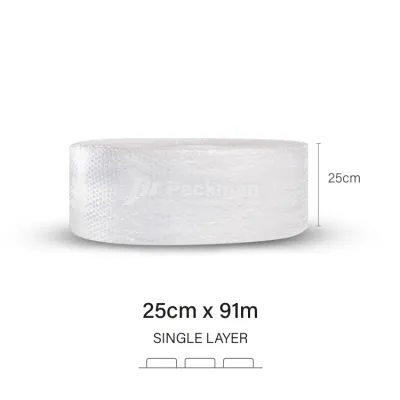
![91m/20m/10m BubbLest ™ [FREE PENKNIFE] Bubble Packaging Material Direct Singapore Manufacturer | Clingwrap | Plasticwrap | Cling Wrap | Plastic Wrap | Bubble Roll |](https://img.lazcdn.com/g/p/14e17e2c4983f84fb3fa9d0b3d751835.png_400x400q80.png_.webp)
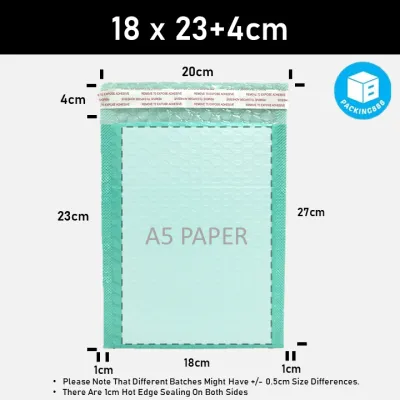
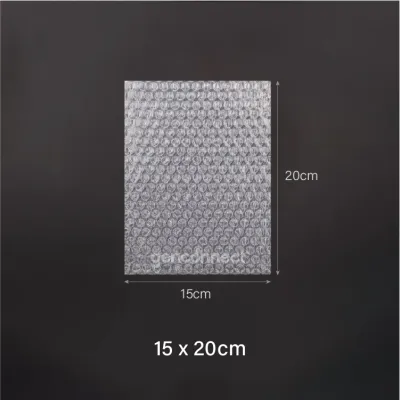
Prices are valid at publication and may change. Please refer to the product page for the latest price.
Furthermore, Singapore’s tropical climate presents unique storage and transit challenges. The high relative humidity, which regularly exceeds 80 percent, can soften cardboard shipping boxes over time, reducing their structural integrity. When an outer carton weakens, the internal packaging material must bear the structural load to prevent the contents from being crushed. High temperatures in warehouses and delivery vans can also cause lower-quality plastics to stretch or degrade, making it critical to choose a resilient plastic bubble wrap that maintains its cushioning properties under environmental stress.
To determine your primary packaging goal, you can use a simple decision framework based on three main criteria:
- Shock Absorption: Required for heavy or highly fragile items that must survive drops and impacts. This requires larger bubble profiles and multi-layer plastic.
- Surface Protection: Required for items prone to scratching, scuffing, or abrasion, such as polished metal, glass, or painted surfaces. This is best achieved with small, tightly wrapped bubbles.
- Static Dissipation: Required for sensitive electronic components, such as printed circuit boards, computer parts, and laboratory instruments, which can be ruined by electrostatic discharge.
Core Specifications to Compare Across Plastic Bubble Wrap Brands
When comparing different plastic bubble wrap brands and suppliers in Singapore, you should ignore vague marketing terms like “heavy-duty” or “premium” and focus instead on verifiable manufacturing specifications. These technical dimensions determine how the material behaves under stress and whether it will adequately protect your products.

Bubble Size and Profile
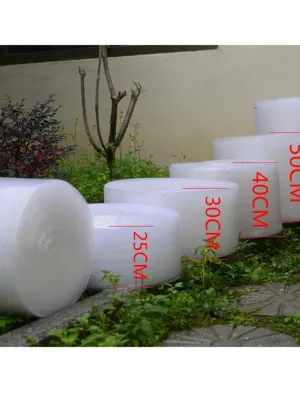
The diameter and height of the bubbles dictate the type of protection the wrap provides. Small bubble wrap typically features bubbles with a diameter of 10 millimeters and a height of 3 to 4 millimeters. This low-profile design is highly flexible, making it easy to wrap tightly around complex shapes, protect surfaces from scratches, and cushion lightweight items. Large bubble wrap features bubbles with a diameter of 25 to 30 millimeters and a height of 10 to 12 millimeters. These larger bubbles contain a greater volume of air, providing the deep shock absorption and high-clearance cushioning needed for heavy items, as well as serving as an efficient void fill to block and brace items inside larger boxes.
Material Thickness and Ply
Material thickness is measured in microns, and it directly correlates with puncture and tear resistance. Standard-grade bubble wrap typically ranges from 30 to 50 microns, which is suitable for light to medium-weight household items. Industrial-grade bubble wrap often exceeds 80 to 100 microns, offering the durability required for sharp-edged items or heavy machinery parts.
In addition to thickness, you must consider the ply, or layer configuration, of the wrap:
- Single-Ply (Single-Layer): Features bubbles exposed on one side and a flat plastic backing on the other. This is the most common and economical option, suitable for light cushioning and short transit times.
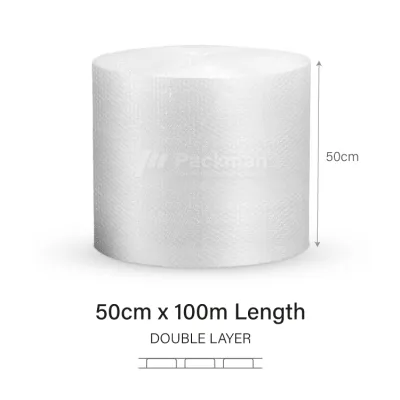
- Double-Ply (Double-Layer): Sandwiches the bubbles between two flat layers of plastic. This design protects the bubbles from being popped by external sharp objects and significantly increases the overall puncture resistance of the roll.
- Co-Extruded Barrier Bubble Wrap: Standard polyethylene allows air to slowly escape over time. Co-extruded bubble wrap incorporates an ultra-thin barrier layer, often made of nylon or a specialized copolymer, which locks the air inside the bubbles. This technology ensures the wrap does not deflate during long-term storage or extended international transit.
Specialty Features
Depending on your specific application, you may need to look for specialized bubble wrap variations. Anti-static bubble wrap is treated with an antistatic agent that prevents the buildup of electrostatic charges caused by friction during shipping. This material is typically tinted pink or green for easy identification and is mandatory for packaging raw electronic components. Adhesive-backed bubble wrap features a low-tack adhesive on the flat side, allowing it to cling directly to glass, metal, or polished wood without leaving sticky residue behind, which simplifies the packing process for furniture or mirrors. Finally, perforated rolls feature pre-cut tear lines at regular intervals, such as every 30 or 50 centimeters, allowing packers to quickly tear off sheets without needing scissors or utility knives, thereby improving warehouse workflow efficiency.
Sourcing Reliable Packaging Suppliers in Singapore
Finding high-quality plastic bubble wrap in Singapore requires navigating a mix of industrial distributors, retail stationery shops, and online marketplaces. Each sourcing channel serves different volume needs and offers varying levels of quality assurance.
B2B and Industrial Distributors
For businesses, e-commerce merchants, or individuals planning large-scale moves, purchasing directly from established packaging and stationery wholesalers is the most cost-effective and reliable method. These distributors are typically located in industrial hubs such as Ubi, Kaki Bukit, Pioneer, and Woodlands. Buying in bulk from these suppliers ensures consistent quality, as they can provide official technical data sheets detailing micron thickness, polymer composition, and weight specifications. They also offer commercial-sized rolls, such as 1 meter or 1.2 meters in width and up to 100 meters in length, which significantly reduces the packaging cost per unit.
Retail and Office Supply Stores
If you have immediate, low-volume packaging needs, local brick-and-mortar stationery shops and retail postal outlets are highly convenient. These stores allow you to purchase bubble wrap in smaller, manageable quantities, such as 5-meter or 10-meter rolls, or even pre-cut sheets. While the price per meter is higher than wholesale rates, retail sourcing eliminates shipping wait times and is ideal for urgent, one-off mailing tasks. When buying from retail stores, inspect the roll visually to ensure the bubbles are fully inflated and the plastic does not feel excessively thin or brittle.
Navigating Online Marketplaces
Online marketplaces and e-commerce platforms offer a wide variety of bubble wrap options, often at competitive prices. However, buying from these platforms requires careful verification to avoid low-quality, unbranded generic rolls. Many online listings use generic terms like “ultra-thick” without providing actual technical specifications. To shop safely on these platforms, use the following rules:
- Verify Roll Weight: A standard 1-meter by 100-meter roll of quality bubble wrap should weigh between 4 and 5 kilograms. If a listing advertises the same dimensions but has a weight of only 2 to 3 kilograms, the plastic is extremely thin, and the bubbles are highly susceptible to popping.
- Check Seller Ratings and Reviews: Look for customer feedback that specifically mentions the thickness of the plastic, the inflation level of the bubbles, and whether the roll arrived crushed or damaged.
- Request Specification Sheets: For commercial operations, contact the seller directly to ask for the micron thickness, material composition (such as low-density polyethylene), and whether the plastic contains recycled content.
- Ask for Sample Rolls: If you are planning to place a large commercial order, request a small sample roll from the supplier first. This allows you to physically verify the material's performance and compatibility with your packing process before committing to a bulk purchase.
Testing and Verifying Bubble Wrap Performance Before Bulk Buying
Before integrating a new brand or batch of plastic bubble wrap into your packaging workflow, you should perform a series of simple, low-risk physical tests. These tests allow you to verify that the material matches the supplier’s claims and will perform reliably during transit.
Compression and "Pop" Resistance
To evaluate the air retention and burst strength of the bubble wrap, perform a manual compression test. Cut a small sample sheet and lay it flat on a hard surface. Press down firmly with the palm of your hand; the bubbles should resist collapsing and distribute the pressure evenly. Next, isolate a single bubble between your thumb and forefinger and squeeze. A high-quality wrap will require deliberate, firm pressure to pop, indicating robust plastic walls. If the bubbles pop with a light pinch or slowly deflate under sustained pressure, the material lacks a proper air-barrier layer and will likely fail when stacked under heavy boxes.
Static Cling Check
If you have purchased anti-static bubble wrap for shipping sensitive electronic components, you must verify that the anti-static treatment is genuine. Standard plastic bubble wrap naturally generates static electricity through friction and will readily attract dust, hair, or small scraps of paper. Rub a piece of the pink anti-static wrap against a fabric surface and hold it near light debris; it should not exhibit any static cling. For high-value electronics, do not rely solely on visual checks; verify that the product packaging or technical datasheet lists compliance with electrostatic discharge (ESD) protection standards.
Tear and Puncture Evaluation
To assess the overall durability of the plastic, attempt to tear the wrap along its seams and bubble edges. High-quality low-density polyethylene (LDPE) is highly ductile, meaning it should stretch significantly and resist tearing when pulled. If the plastic rips easily with a clean, straight tear, or if it punctures easily when pressed against a blunt corner, it will not provide adequate protection for items with sharp edges or irregular shapes.
Verification Boundaries
If the physical product feels significantly thinner, weaker, or less inflated than the advertised specifications, stop using it and consult your supplier. Do not attempt to compensate for poor-quality bubble wrap by wrapping your items in excessive layers. While adding more layers may seem like a quick fix, it increases the overall package volume and weight, which can lead to higher shipping fees from local couriers. It also increases packaging waste and labor time. Instead, hold the supplier accountable to their specified product standards or seek an alternative brand that meets your quality requirements.
Exploring Eco-Friendly Alternatives to Traditional Plastic Bubble Wrap
As businesses and consumers in Singapore place a greater emphasis on sustainability, eco-friendly packaging alternatives have become increasingly popular. However, when choosing between traditional plastic bubble wrap and green alternatives, you must balance environmental goals with physical protection requirements.
Several sustainable cushioning options are widely available in the local market:
- Paper-Based Hexagonal Cushioning: Often referred to as honeycomb wrap, this material consists of die-cut kraft paper that expands into a three-dimensional honeycomb structure when pulled. It provides excellent surface protection and light shock absorption for cosmetics, glassware, and books.
- Corrugated Cardboard Wrap: Made from recycled cardboard fibers, this flexible, grooved paper sheet is ideal for wrapping heavier items and providing robust scratch resistance.
- Biodegradable and Compostable Plastics: These wraps are made from plant-based polymers, such as cornstarch or polylactic acid (PLA), which break down under specific environmental conditions.
To ensure that eco-friendly packaging claims are genuine, you should look for recognized international certifications printed on the product or packaging. These include markers such as the “LDPE 4” recycling symbol, which indicates that the plastic is widely recyclable at local soft-plastic recycling points, or compostability certifications such as EN 13432 or ASTM D6400.
While these sustainable options are excellent for many applications, they have limitations. Paper-based alternatives are highly absorbent; in Singapore’s humid environment, they can absorb moisture from the air if stored in non-air-conditioned spaces, which softens the paper and reduces its structural cushioning strength. For heavy-duty moisture barriers, long-term storage, or extreme shock protection for high-value fragile goods, traditional plastic bubble wrap remains the necessary choice to ensure the safe delivery of your items.
Frequently Asked Questions (FAQ)
Can I reuse plastic bubble wrap for shipping fragile items?
You can reuse plastic bubble wrap, but you must inspect it carefully before doing so. Examine the wrap for deflated bubbles, micro-tears, and general loss of structural stiffness. If a significant number of bubbles have popped or if the plastic has stretched thin, the wrap will no longer provide adequate shock absorption. Reused bubble wrap that shows signs of wear should only be used as secondary void fill or for non-fragile surface protection, never as the primary cushioning layer for high-value or highly fragile items.
Does bubble wrap protect against Singapore's high humidity?
Plastic bubble wrap is made of polyethylene, which naturally resists water and provides a basic barrier against external moisture and splashes. However, it is not a hermetic seal. Bubble wrap alone cannot protect humidity-sensitive items—such as paper documents, leather goods, or untreated metals—from the moisture trapped inside the package. For complete protection against Singapore’s high humidity, you must place the items inside a sealed poly bag along with a suitable desiccant, such as silica gel packets, before wrapping them in bubble wrap.
What is the difference between anti-static and regular bubble wrap?
Regular plastic bubble wrap is an electrical insulator that easily generates and stores static electricity when it rubs against other surfaces during transit. This static discharge can instantly destroy sensitive electronic components like microchips and circuit boards. Anti-static bubble wrap is treated with a chemical additive that prevents static buildup by allowing electrical charges to dissipate safely. This specialty wrap is typically dyed pink or green to distinguish it from standard clear wrap, and you should always verify its ESD-safe rating on the product label before packaging electronics.

Community discussion
Share your experience or ask a question. Comments are reviewed before publication.