
Selecting the right fabric for patchwork depends on balancing sewing ease, structural stability, and the desired finished look. While 100% quilting cotton is the traditional standard for its reliable weave and predictable behavior, modern crafters also use linen blends, flannels, and textured fabrics to add depth. Evaluating material properties, verifying manufacturer specifications, and preparing your fabric before cutting are essential steps to ensure a successful crafting experience.
Key Fabric Characteristics for Patchwork
Before purchasing any material for a patchwork project, evaluate its baseline physical properties to ensure it can withstand cutting, piecing, and pressing. The weave and thread density determine how well a fabric holds its shape. A tight, even weave prevents raw edges from fraying excessively when handled, which is critical when working with narrow seam allowances. Visually inspect this by holding the fabric up to a light source to check for consistent thread spacing.
Shrinkage and colorfastness are equally critical factors. Different fibers shrink at varying rates when exposed to moisture and heat. Checking the manufacturer’s care labels on the fabric bolt provides essential information regarding fiber content and washing instructions. Unanticipated shrinkage after assembly can cause puckering, while unstable dyes can bleed and ruin adjacent lighter fabrics during the first wash.
Products mentioned in this guide
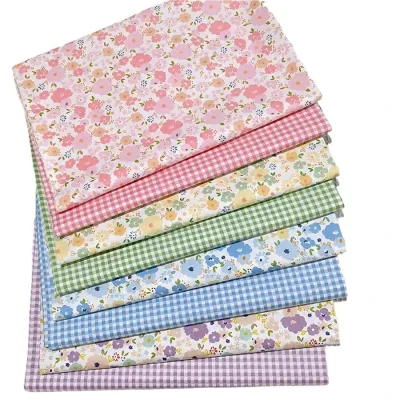
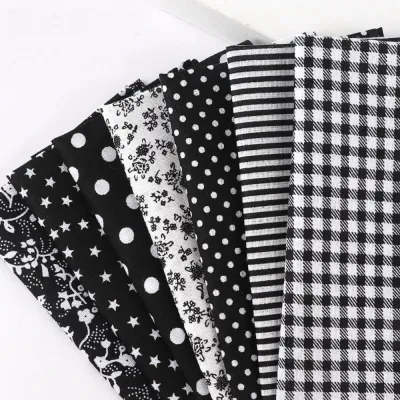
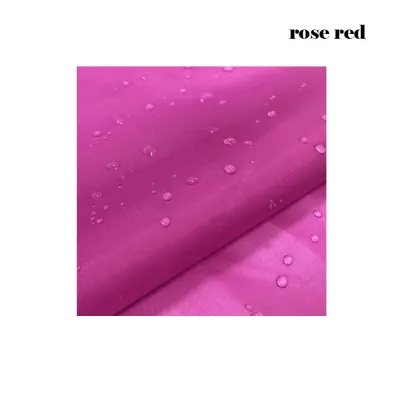
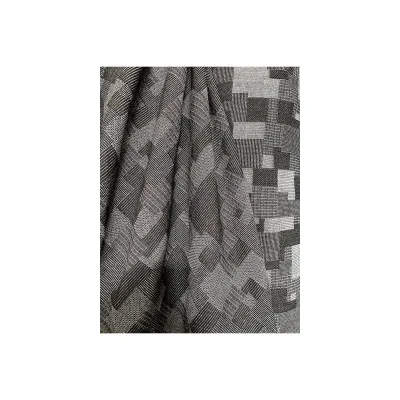
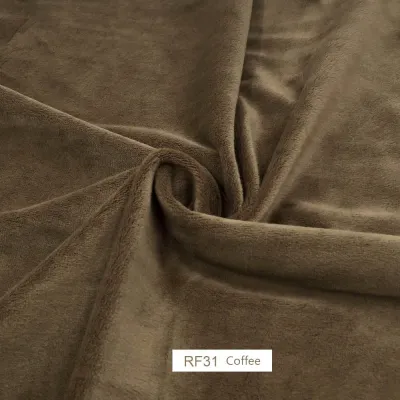
Prices are valid at publication and may change. Please refer to the product page for the latest price.
The weight and drape of the fabric must align with the project’s structure. Heavyweight fabrics create bulky seams that are difficult to press flat, while overly lightweight or slippery fabrics can stretch out of shape during piecing, leading to misaligned corners. Consider how the fabric’s weight will interact with your chosen batting and backing materials to achieve a balanced final product.
Comparing Common Patchwork Materials
Understanding the distinct characteristics of standard fabric categories allows you to make informed decisions. Always read the fabric tags or bolt ends to verify the exact fiber content and care instructions before making a selection.

Quilting Cotton
Standard quilting cotton is highly regarded for its crisp hand feel and stable weave structure, making it the most user-friendly option for patchwork. This medium-weight fabric is specifically woven to minimize stretching along the grainline, which helps maintain the accuracy of your cut pieces during assembly. It feels substantial without being stiff, allowing for smooth feeding through the sewing machine.
Check product labels to confirm the fabric is 100% cotton. This fiber is highly heat-resistant, allowing you to use high iron temperatures to press seams flat without the risk of scorching. Cotton also responds exceptionally well to starching, which adds temporary stiffness for even greater cutting and piecing precision.
Verify the quality of quilting cotton by observing how the material holds a crease. Fold a small section of the fabric and pinch the edge firmly; high-quality cotton will retain a sharp, visible line. This crease retention is incredibly helpful when aligning seam allowances and matching seams.
Linen and Linen Blends
Linen and linen-cotton blends offer a distinct, tactile quality that brings a rustic or relaxed aesthetic to patchwork. The natural texture of linen is characterized by visible slubs, which are slight irregularities in yarn thickness. Inspect these slubs to ensure they are evenly distributed and do not create weak, overly thin spots in the weave.
While pure linen provides a beautiful drape, it is prone to significant fraying and can stretch easily on the bias. To manage these traits, review the care instructions and prepare for specific pressing techniques. Linen typically requires pressing with plenty of steam or while the fabric is slightly damp to remove stubborn wrinkles.
For patchwork, assessing the blend ratios on the fabric tag is highly recommended. A blend of 55% linen and 45% cotton is a popular choice because it combines the unique texture of linen with the stability of cotton. This combination reduces the fabric’s tendency to warp during piecing while preserving the organic look.
Specialty and Textured Fabrics
Incorporating specialty fabrics like flannel, batik, or lightweight canvas can introduce exciting textures to your crafts. Before starting, verify needle and thread compatibility on your sewing machine. Tightly woven batiks have a very dense structure that may require a sharp, fine needle to prevent skipped stitches, whereas thick flannels or lightweight canvases require a larger needle size to penetrate the layers smoothly.
Pay close attention to directional prints and grainline requirements when planning your layout. Directional prints require you to cut pattern pieces in a specific orientation so the design faces the correct way, which may increase the total yardage required. Additionally, ensure you cut along the straight grain to prevent the blocks from twisting or warping after they are sewn together.
Review the manufacturer’s guidelines or perform a test on scrap pieces to determine how the fabric handles raw edges. Fabrics with a loose or brushed texture, such as flannel, tend to fray much faster than standard cotton. To prevent seams from pulling apart, you may need to increase your seam allowance slightly or use a tighter stitch length.
Evaluating and Preparing Fabric Before Cutting
A systematic preparation routine prevents post-assembly distortion and ensures your patchwork pieces fit together perfectly. Begin by inspecting the selvedge and the grainline. The selvedge should be straight and free of puckers, and the crosswise threads should run perpendicular to the lengthwise threads. If the grainline is skewed, gently pull the fabric on the diagonal bias to realign the weave before cutting.
Reading the care labels will help you decide whether pre-washing is necessary. Pre-washing is highly recommended for utility quilts and items that will be laundered frequently. This process removes manufacturing sizing—the starch-like substances applied during weaving—and allows the fibers to shrink to their natural state before you cut your pattern pieces.
Before washing your entire yardage, test a small swatch for color bleeding to protect your hard work. Wet a small scrap of the fabric with warm water and press it firmly between two layers of a white paper towel. If any dye transfers to the paper towel, the fabric is not colorfast and should be washed separately until the water runs completely clear.
Finally, adjust your sewing machine settings based on the specific fabric weight and weave density observed during your tests. Sew a test seam using two scraps of your prepared fabric, checking both the top and bottom stitches. If the fabric puckers, try lowering the upper thread tension or reducing the presser foot pressure to ensure clean, flat seams.
Matching Fabric Choices to Your Project Type
The final decision on which fabric to use should always align with the intended end-use of your patchwork item. For bed quilts and other heavy-use items that require frequent washing, prioritize durability and ease of care. Look for high-quality, tightly woven cottons with clear wash instructions on the label. These fabrics will withstand regular laundering and maintain their structural integrity over years of use.
For decorative wall hangings, you can focus more on visual texture, intricate prints, and varied fabric weights. Since these items will not undergo regular washing, you can safely incorporate delicate linens, batiks, or mixed-media fabrics. However, verify the colorfastness of your chosen materials under light exposure, especially if the hanging will be displayed in a bright room where sunlight could fade the dyes.
When crafting small accessories like pouches, bags, or coasters, evaluate the stiffness of the fabric. Small items often need to hold their shape independently, which soft quilting cotton or relaxed linen cannot do on their own. Refer to your pattern instructions to determine if you need to apply fusible interfacing or stabilizers to the back of your patchwork pieces to provide the necessary body.
Frequently Asked Questions (FAQ)
Can I mix different fabric types in a single patchwork project?
Yes, you can mix different fabric types, provided you take a few precautions to ensure the finished project remains stable. First, check that all the materials you plan to combine have similar care and washing instructions to prevent uneven shrinkage and warping after assembly. If you are combining fabrics with significantly different weights or drapes, such as a lightweight linen with a sturdy cotton, apply a lightweight fusible stabilizer to the back of the more delicate fabric. Always test your seam strength and pressing compatibility on scrap pieces before sewing your main project blocks.
How do I know if a fabric is high quality for quilting?
You can assess fabric quality through a few simple, observable checks without relying on brand names. Hold the fabric up to a light source to verify that the weave is tight, even, and free of thin spots or irregular gaps. Feel the fabric’s surface; it should feel smooth, supple, and substantial, rather than stiff or scratchy, which often indicates an excessive amount of temporary sizing used to mask lower-quality fibers. Finally, check that the printed design is aligned straight with the grainline of the fabric rather than running at an angle, which can cause distortion when cut.

Community discussion
Share your experience or ask a question. Comments are reviewed before publication.