
Crochet is a tactile, rhythmic craft that transforms a single strand of yarn into a cohesive fabric. When starting out, this process relies entirely on the physical interaction between your hook, your yarn, and your hands. Selecting the correct tools from the beginning is not about achieving professional-grade results instantly; it is about preventing the physical frustration that causes many beginners to abandon the craft before completing their first row.
Using mismatched or poorly made tools can turn a relaxing hobby into an exercise in irritation. A yarn that splits easily or a hook with a rough edge can snag constantly, disrupting your rhythm. These minor technical friction points often lead beginners to believe they lack the coordination for crochet, when in reality, their tools are simply working against them.
Fortunately, you do not need a massive budget or a large collection to begin. A successful start requires only a few carefully chosen, compatible items that feel comfortable in your hands and cooperate with your movements. By focusing on a small, high-quality selection of starter tools, you can build your confidence and master the basic stitches with ease.
Products mentioned in this guide
Prices are valid at publication and may change. Please refer to the product page for the latest price.
How to Choose Beginner-Friendly Yarn
Choosing your first skein of yarn is one of the most exciting parts of starting your crochet journey, but walking into a craft store can quickly become overwhelming. With hundreds of colors, textures, and thicknesses available, it is easy to make a purchase based solely on aesthetic appeal. However, for your very first project, the physical characteristics of the yarn are far more important than its visual design.
Recommended Yarn Weights and Fibers
To make your learning process as smooth as possible, you should begin with a medium-weight yarn. For complete beginners, a Medium weight yarn (classified with the number 4 symbol on the label, often called Worsted or Aran weight) is the absolute sweet spot. Alternatively, a Bulky weight yarn (classified with the number 5 symbol) is also an excellent option. These thicknesses are large enough that you can easily see the individual loops of your stitches, yet they are not so thick that they become physically tiring to maneuver.
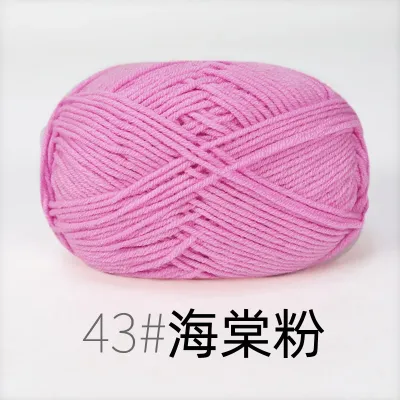
In terms of fiber content, synthetic options like acrylic or high-quality acrylic blends are highly recommended for beginners. Acrylic yarn is exceptionally affordable, durable, and widely available in Singapore. It offers a decent amount of elasticity, which helps maintain consistent stitch tension, and it is highly forgiving when you need to unravel your work to correct a mistake. A standard skein of beginner-friendly acrylic or cotton yarn in Singapore typically ranges from S$3 to S$8, making it an incredibly accessible hobby to start.
If you prefer to work with natural fibers, cotton is a fantastic alternative, especially given Singapore’s warm and humid climate. While acrylic is excellent for practice, cotton is ideal for creating practical, structured household items like coasters, dishcloths, or market bags that are highly functional in tropical weather. Keep in mind, however, that 100% cotton yarn has very little stretch compared to acrylic, which means your hands may tire a bit faster as you adjust your grip.
Before purchasing any yarn, always examine the paper band wrapped around the skein, known as the yarn label. This label is your primary guide to the yarn’s characteristics. Look for the small yarn skein icon containing a number; this indicates the weight category. The label will also display the fiber composition, the total length or weight of the skein, care instructions, and the recommended crochet hook size in millimeters.
Colors and Textures to Skip
When selecting your starter yarn, color choice plays a critical role in how quickly you learn. Opt for light, bright, or pastel solid colors, such as cream, soft yellow, mint green, or light blue. These shades reflect light well, making it incredibly easy to see the ‘V’ shapes at the top of your stitches and locate the spaces where your hook needs to enter.
Conversely, avoid very dark colors like black, navy blue, deep charcoal, or dark forest green. While these colors look sophisticated, they absorb light and obscure stitch definition, making it nearly impossible to see where one stitch ends and the next begins. Working with dark yarn as a beginner often leads to missed stitches, uneven edges, and intense eye strain.
You should also steer clear of novelty, highly textured, or fuzzy yarns during your first few weeks. Eyelash yarns, bouclé, chenille, and extremely fuzzy fibers like mohair or alpaca can look beautiful on the shelf, but they are notoriously difficult to work with. The textured loops and long halos of these fibers hide the physical structure of your stitches, making it impossible to count your rows or identify mistakes. Furthermore, these yarns tend to cling to themselves, making them incredibly frustrating to unravel when you make an error.
Finally, pay close attention to the twist of the yarn. Gently pull a short section of the yarn out of the skein and inspect its construction. High-quality beginner yarn consists of multiple plies twisted tightly together. If the plies separate easily when you twist them slightly in the opposite direction, the yarn is prone to splitting. Splitting occurs when your hook accidentally pierces through the middle of the yarn strand rather than catching the entire loop, which slows down your progress and ruins the neat appearance of your stitches.
Picking Your First Crochet Hooks: Size, Material, and Grip
Your crochet hook is the primary tool that translates your hand movements into fabric. Just as with yarn, the variety of hook sizes, materials, and shapes can be daunting. Understanding how these factors influence your stitching experience will help you select a hook that feels like a natural extension of your hand.

Matching Hook Size to Your Yarn
Crochet hook sizes are determined by the diameter of the hook’s shaft, measured in millimeters (mm). While some regions use letter or number systems (such as US or UK sizes), the metric system is the most reliable and globally standardized measurement. Using the correct hook size for your yarn ensures that your stitches are neither too tight to work into nor too loose to hold their shape.
As a general rule of thumb, a Medium (worsted weight) yarn pairs best with a hook size between 5.0 mm and 6.0 mm. For a Bulky weight yarn, you will typically want a hook size between 6.0 mm and 8.0 mm. These mid-range sizes are comfortable to hold and allow you to make steady, visible progress on your work.
However, you do not have to guess the correct pairing. The manufacturer’s yarn label is the ultimate authority on hook selection. Always check the back of the yarn band for a small square icon showing a crochet hook alongside a recommended millimeter size. For your very first project, it is highly recommended to stick exactly to this recommendation to ensure a balanced, manageable fabric.
Hook Materials and Handle Ergonomics
Crochet hooks are crafted from a variety of materials, each offering a different level of friction and weight. Aluminum hooks are the most popular choice for beginners and experienced crafters alike. They are incredibly smooth, allowing almost any type of yarn to glide effortlessly over the shaft, and they are highly durable.
Plastic hooks are lightweight and highly affordable, making them a common entry-point option. However, some plastic hooks can have slight manufacturing ridges along their seams that catch on yarn fibers, and they can sometimes feel slightly sticky or squeaky when paired with synthetic acrylic yarns. Wood and bamboo hooks, on the other hand, offer a warm, organic feel and provide a natural grip or ‘grip-and-slip’ balance. This extra friction is excellent when working with very slippery yarns, but it can slow down your pace when using standard acrylic or cotton.
Beyond the material of the hook, the shape of the throat is an important consideration. Hooks generally fall into two design categories: inline and tapered. Inline hooks have a flat, uniform throat that matches the exact width of the shaft, which can help beginners maintain a highly consistent stitch size. Tapered hooks feature a rounded, narrower throat and a slightly pointed head, which can make it easier to insert the hook into tight stitches. Both styles are highly effective, and your preference will depend on how you hold your hook.
If you plan to practice for more than a few minutes at a time, ergonomics should be a priority. Standard metal or plastic hooks are often thin and flat, which can force your hand into a tight, pinching grip that leads to cramping and fatigue. Ergonomic hooks feature a thick, cushioned handle made of rubber, silicone, or soft plastic. These wider grips allow your hand to remain in a relaxed, natural position, significantly reducing strain on your fingers and wrists. Investing in one or two high-quality ergonomic hooks in your target sizes is one of the best decisions you can make as a beginner. In Singapore, a high-quality individual ergonomic hook typically costs between S$5 and S$12, making it a highly affordable way to protect your hands from fatigue.
Essential Crochet Notions You Actually Need
While a hook and a skein of yarn are the core components of crochet, a few inexpensive auxiliary tools—collectively known as notions—are essential for completing any project. You do not need to purchase a massive, multi-piece accessory kit; instead, focus on acquiring these four basic items.
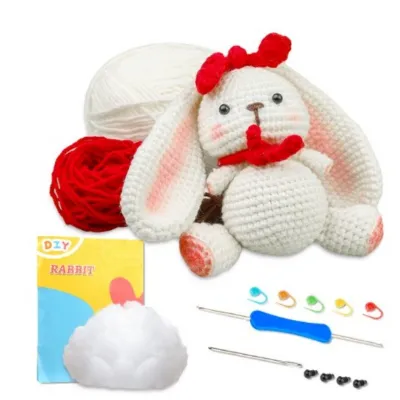
- Yarn Needles (Tapestry Needles): When you finish a crochet project, you will be left with loose yarn ends at the beginning and end of your work. A yarn needle, also known as a tapestry needle, is used to weave these loose tails securely into your stitches so they do not unravel. Unlike standard sewing needles, yarn needles have a blunt tip to prevent splitting the fibers and a very large eye to accommodate thick yarn strands. Metal yarn needles are durable and slide smoothly through stitches, while flexible plastic needles are excellent for thicker, bulky yarns.
- Stitch Markers: As a beginner, one of the biggest challenges is identifying where a row or round begins and ends. Stitch markers are small, plastic clips that lock onto a specific stitch to keep track of your progress. They are indispensable when working in continuous rounds (common in amigurumi) or when counting long foundation chains. If you do not want to purchase commercial stitch markers immediately, simple household items like safety pins, paperclips, or even a short scrap of contrasting yarn can serve the exact same purpose.
- Scissors: You will need to cut your yarn frequently when changing colors, finishing projects, or cleaning up loose ends. While standard household kitchen shears will work in a pinch, they are often too bulky for precise cuts. A small, sharp pair of embroidery scissors or yarn snips is highly recommended. These compact tools allow you to cut close to your work without accidentally snipping your active stitches.
- Measuring Tape: A flexible, fiberglass tailor's measuring tape is essential for checking the dimensions of your work. It allows you to measure your foundation chain, track the length of your rows, and verify your 'gauge' (the number of stitches and rows per inch). Unlike rigid plastic or metal rulers, a flexible tape measure conforms easily to the soft, pliable texture of crocheted fabric, giving you an accurate measurement every time.
Common Beginner Mistakes When Buying Supplies
When you are eager to start a new hobby, it is easy to make impulsive purchasing decisions that can hinder your progress. Being aware of common buying pitfalls will save you time, money, and unnecessary frustration.
- Buying massive hook sets: Many beginners are tempted by large, inexpensive crochet hook sets containing twelve or fifteen different sizes sold on online marketplaces. While these sets look like a bargain, they often suffer from poor quality control, featuring rough metal seams, uncomfortable handles, or inaccurate sizing. Instead of buying a vast range of sizes you may not use for months, spend your budget on one or two high-quality, comfortable ergonomic hooks in the exact sizes recommended for your starter yarn (typically 5.0 mm and 6.0 mm).
- Ignoring the yarn label: Purchasing yarn simply because you like the color or texture without reading the label is a recipe for trouble. If you ignore the label, you might accidentally buy a delicate, hand-wash-only lace yarn that requires a microscopic hook, or a yarn that requires complex care that does not fit your lifestyle. Always check the label to ensure the fiber content, care instructions, and thickness align with your project goals and skill level.
- Mixing dye lots: When yarn is dyed in a factory, it is processed in massive batches called 'lots.' Even when using the exact same color formula, subtle variations in water temperature, chemical balance, and fiber absorption can cause slight differences in shade between different batches. The manufacturer prints a 'dye lot' number on the yarn label. If you are buying multiple skeins of the same color for a single project, always verify that the dye lot numbers match perfectly. Mixing different dye lots can result in a highly visible, distracting line across your finished fabric where the color shifts slightly.
- Choosing the wrong project type: It is highly recommended to avoid buying expensive, delicate luxury fibers like silk, pure cashmere, or fine mohair for your first practice pieces. These materials are beautiful but highly unforgiving; they are difficult to unravel, prone to damage, and can be stressful to work with. Save these specialty fibers for later projects once you have established consistent tension and can confidently navigate basic stitches without making frequent mistakes.
How to Test Your Tools Before Starting a Project
Before you commit to a full project, such as a scarf or a blanket, it is highly beneficial to conduct a quick test of your chosen hook and yarn combination. This simple step, known as making a practice swatch, allows you to verify that your tools are working in harmony and that your tension is comfortable.
To begin, chain 15 to 20 stitches using your selected yarn and hook, and work a few rows of basic single or double crochet until you have a small square of fabric measuring roughly 4 by 4 inches. As you work, pay close attention to how the yarn behaves on your hook. If the hook repeatedly pierces through the middle of the yarn strand rather than catching the entire loop, the yarn may be prone to splitting, or your hook’s throat shape may be too sharp for that specific fiber.
Next, lay your finished swatch flat on a table and inspect its texture. If the fabric feels stiff, rigid, and dense like cardboard, your stitches are too tight, which means your hook is too small for your natural tension. To resolve this, simply move up one hook size (for example, from a 5.0 mm to a 5.5 mm) and try again. Conversely, if the fabric is extremely loose, floppy, and full of large, uneven holes, your hook is too large. In this case, moving down a hook size will help you achieve a neater, more structured fabric.
Finally, take note of how your hands feel after 10 to 15 minutes of continuous crocheting. If you experience cramping in your palm or stiffness in your fingers, you may be gripping the hook too tightly, or the handle design may not be suitable for your hand anatomy. Adjusting your grip style or switching to a hook with a wider, more cushioned ergonomic handle can make a significant difference in your physical comfort, allowing you to practice longer and enjoy the craft fully.
Frequently Asked Questions (FAQ)
Can I use any yarn labeled for knitting?
Yes, almost any yarn that is suitable for knitting can also be used for crochet. However, it is important to keep in mind that crochet stitches are physically denser than knitting stitches, meaning crochet generally consumes about 25% to 30% more yarn than a knitted project of the same dimensions. Additionally, some yarns are spun with a very loose twist designed specifically to create a soft, fluffy knitted fabric; when worked with a crochet hook, these loose plies can split easily. Always check the yarn label for a crochet hook recommendation to ensure the structure is compatible with hook-based crafting.
Are ergonomic crochet hooks necessary for beginners?
While ergonomic hooks are not strictly mandatory to learn the basic stitches, they are highly recommended for beginners. When you are first learning, you will naturally tend to hold your tools with excessive tension as you concentrate on your movements, which can quickly lead to hand fatigue, cramping, and joint strain. An ergonomic hook with a thick, cushioned grip encourages a more relaxed, open hand position, allowing you to practice for longer periods with significantly greater comfort.
Should I buy a large crochet hook set right away?
It is generally best to avoid buying a large, cheap crochet hook set when you are first starting out. These sets often feature poor manufacturing quality, with rough edges that snag yarn and handles that slide off easily. Instead, identify the specific yarn you want to use for your first project, and purchase just one or two high-quality, comfortable ergonomic hooks in the recommended sizes. This approach allows you to invest your budget in superior tools that will provide a much more pleasant crafting experience as you build your skills.

Community discussion
Share your experience or ask a question. Comments are reviewed before publication.