
Selecting a reliable wall calendar for 2026 involves more than picking an attractive cover design. In Singapore, where high humidity can affect paper integrity and regional holiday schedules dictate professional and personal life, choosing the right calendar brand requires careful evaluation. The ideal publisher depends on your specific planning needs, available wall space, and aesthetic preferences. By focusing on structural durability, paper specifications, and functional layouts, you can find a calendar that serves as an effective organizational tool throughout the year. This guide provides a comprehensive framework to help you evaluate different calendar brands and make an informed purchase.
Key Criteria for Evaluating Calendar Brands
To establish a reliable baseline for judging calendar publishers, start with date accuracy. A calendar is only as useful as its information, making it essential to verify that a brand accurately reflects the public holidays relevant to Singapore. Because these holidays are officially gazetted by the Ministry of Manpower, international brands often print generic global editions that omit local observances like Hari Raya, Deepavali, or National Day. Checking whether a publisher offers a localized regional edition is a critical first step.
Consistency in design and layout across years is another hallmark of a reputable brand. If you find a planning system that works for your daily routine, you will likely want to purchase the same format in subsequent years. Reliable publishers maintain consistent grid dimensions and functional features year-after-year, allowing you to transition seamlessly from 2025 to 2026 without adjusting your handwriting size or organizational habits.
Products mentioned in this guide
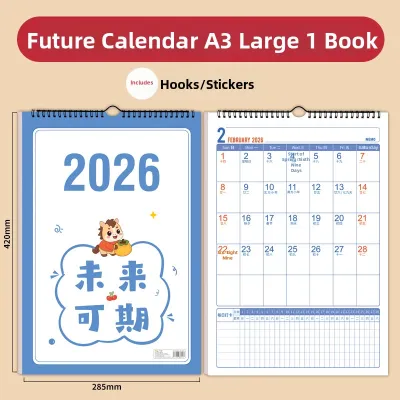
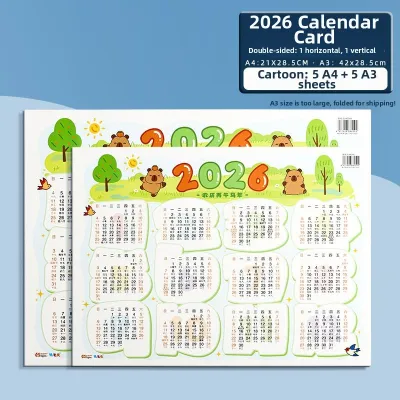

Prices are valid at publication and may change. Please refer to the product page for the latest price.
Environmental sustainability and material sourcing have also become key differentiators among premium stationery brands. Look for publishers that use paper certified by the Forest Stewardship Council (FSC) or those utilizing recycled post-consumer waste. These brands typically use soy-based inks, which are less harmful to the environment and offer excellent color depth and clarity.
Finally, balance your budget against the expected lifespan and utility of the calendar. While basic utility calendars may cost under S$10, premium artistic or highly structured organizational planners can range from S$20 to over S$50. Investing in a higher-priced brand often translates to thicker paper that resists ink bleed-through and sturdier binding that prevents pages from sagging or tearing over twelve months of daily use.
Matching Calendar Styles to Your Planning Needs
Choosing the right calendar brand requires categorizing options by their primary utility rather than visual appeal alone. A beautifully illustrated calendar may fail to keep a busy household organized if the daily grids are too small to write in. Conversely, a highly technical project-tracking calendar might feel sterile and uninspiring in a cozy living room.

To find the perfect match, align the publisher’s design philosophy with your specific daily, weekly, or monthly workflows. Different brands specialize in distinct niches, ranging from high-capacity family organizers to minimalist productivity tools and gallery-quality art displays. Identifying your primary planning environment—whether it is a shared family kitchen, a professional home office, or a decorative living space—will narrow down your brand choices significantly.
Family and Household Organization
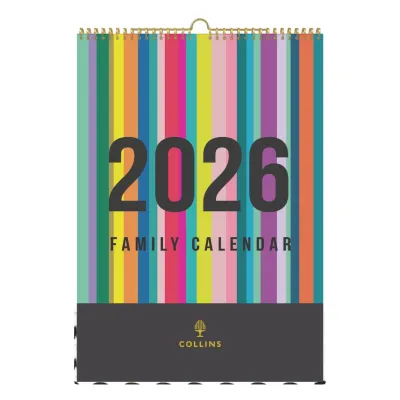
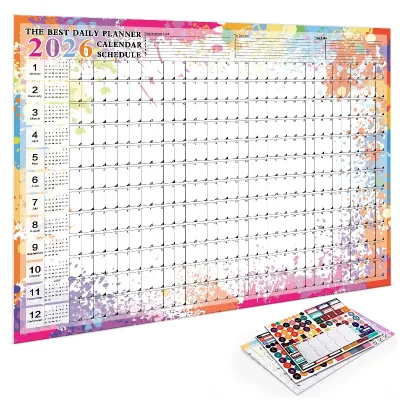
For busy households managing multiple schedules, look for brands that specialize in high-capacity organizational layouts. These calendars typically feature extra-large grid formats where each day has ample space for multiple entries. Some publishers design dedicated family organizers with separate columns for individual family members, allowing you to track school timetables, extracurricular activities, and work commitments side by side.
In addition to spacious grids, look for integrated functional tools such as weekly meal planners, chore trackers, or dedicated sections for grocery lists. Some brands offer dry-erase laminated surfaces, allowing you to write, erase, and update plans dynamically without making the calendar look messy. If you prefer paper, look for publishers that offer tear-away monthly sheets with sturdy cardboard backings, which can be easily pinned to a refrigerator or family bulletin board for maximum visibility.
Minimalist and Office Productivity
Professional environments and personal workspaces benefit from brands that prioritize clean typography, structured layouts, and distraction-free designs. Minimalist calendar publishers focus on maximizing writing space by stripping away unnecessary decorative elements. They often utilize neutral color palettes, elegant sans-serif fonts, and generous margins that create a sense of visual order on your wall.
When evaluating productivity-focused brands, check for advanced planning features that go beyond the standard monthly grid. Many professional-grade publishers include dedicated project-tracking sidebars, quarterly overview pages, and goal-setting inserts. These tools allow you to track long-term deadlines, monitor habits, and break down annual objectives into manageable monthly steps, making the calendar an active tool for professional advancement rather than a passive date display.
Art, Photography, and Aesthetic Display
If your primary goal is to elevate your home decor, focus on brands that treat the calendar as a curated art gallery. Many premium publishers partner with independent illustrators, international museums, or renowned nature photographers to feature exclusive, high-resolution imagery. These calendars serve a dual purpose, acting as functional planning tools and rotating wall art that changes with each passing month.
When assessing aesthetic brands, pay close attention to print quality and paper finish. Look for publishers that use heavy-weight, matte-coated paper, which reduces glare from indoor lighting and highlights the depth of the artwork. The grid design on these calendars should be discreet and elegant, positioned in a way that does not distract from the featured image, yet remains clear enough for quick date reference.
Paper Quality, Binding, and Layout Specifications to Check
Before finalizing your purchase, perform a physical inspection or carefully review the technical specifications of the calendar. The most critical factor in paper products is paper weight, typically measured in grams per square meter (GSM). For a wall calendar, look for a paper weight of at least 120 GSM, though 150 GSM or higher is ideal for preventing ink bleed-through and ghosting. If you plan to use fountain pens, heavy gel pens, or permanent markers, standard utility paper (often around 80 GSM) will likely allow ink to seep through to the next month’s page, ruining the layout.
Because ink absorption, drying speed, and bleed resistance depend on the exact combination of paper fibers and ink formulas, it is highly recommended to perform an observable trial. Before writing extensive notes on your new calendar, test your preferred pens on a small, inconspicuous corner of the page or on the final notes section. Observe whether the ink feathers, bleeds through to the reverse side, or takes an unusually long time to dry, which can lead to smudging when you turn the page.
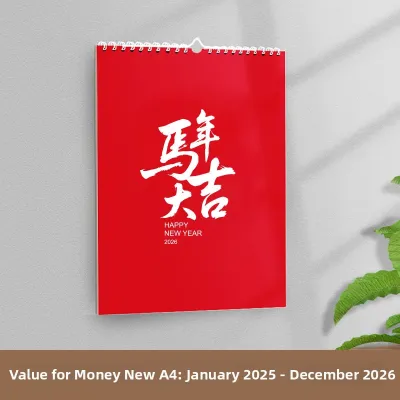
The binding mechanism is equally vital for ensuring the calendar hangs flat against the wall. Wire-O or double-loop spiral binding is generally more durable than single-spiral plastic or glued bindings. Metal wire-o binding allows the pages to turn smoothly 360 degrees without snagging or tearing at the punches. It also ensures that the calendar lies completely flat against the wall, preventing the bottom corners from curling forward over time. For larger or heavier calendars, verify that the binding includes a dedicated metal hanger loop in the center, which distributes the weight evenly and prevents the paper punch-holes from tearing under gravity.
Layout details can significantly enhance your daily planning efficiency. Check if the calendar includes practical additions such as week numbers, moon phases, and mini-grids of the previous and next months on each page. These mini-grids are invaluable for forward planning, allowing you to quickly reference dates in the coming month without having to flip the page forward and disrupt your current view.
Where to Buy and What to Verify Before Checkout
In Singapore, you can source 2026 wall calendars from several channels, each offering distinct advantages. Local specialty stationery boutiques and independent bookstores are excellent for physical inspections, allowing you to feel the paper texture and verify the binding quality firsthand. Direct brand websites often offer the widest selection of designs and exclusive editions, though you should factor in international shipping times and potential delivery fees. General online marketplaces and ecommerce platforms provide convenience and competitive pricing, but require extra vigilance to ensure you are purchasing authentic products from reputable sellers.
Before adding a calendar to your cart, double-check the edition year to ensure you are purchasing a 2026 calendar rather than leftover stock from previous years. Additionally, verify the regional holiday accuracy. Many international imports sold on online marketplaces default to US, UK, or Japanese holiday schedules. If you require Singapore public holidays, look for localized editions or brands that explicitly state they include regional observances.
Finally, review the seller’s return and exchange policies. Wall calendars are susceptible to bending, denting, or binding damage during transit, especially when shipped internationally. Ensure the retailer offers a clear return policy for printing defects or transit damage, and check that they package the calendar with stiff cardboard backing to prevent creasing during delivery.
Frequently Asked Questions (FAQ)
Do wall calendars in Singapore typically include lunar dates?
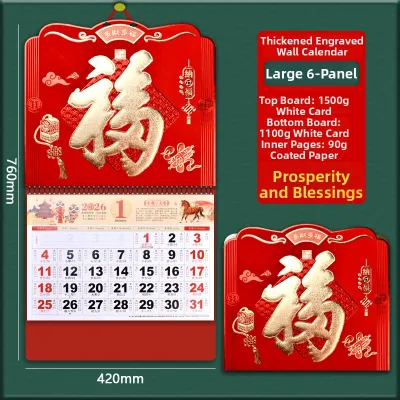
Local publishers and regional stationery brands in Singapore almost always include lunar dates, Chinese zodiac signs, and traditional solar terms, as these are highly relevant for cultural observances and planning festive holidays. However, international minimalist or Western art brands rarely include these details. If lunar dates are essential for your household, carefully inspect the product photos or descriptions to confirm their inclusion before purchasing.
What is the best time to buy a 2026 wall calendar?
The optimal time to purchase a 2026 wall calendar is during the third and fourth quarters of 2025, typically between September and November. This is when publishers release their new editions, and local stationery stores stock their shelves with the widest variety of designs. Buying early is particularly important for popular artist collaborations or niche minimalist brands, which often sell out quickly and are rarely reprinted once stock is depleted.
How can I prevent the calendar pages from curling or tearing?
To preserve your calendar’s appearance, hang it away from direct sunlight, air conditioning vents, and high-humidity areas like kitchens or bathrooms, as moisture and temperature fluctuations cause paper fibers to warp and curl. When turning pages, support the paper from the bottom edge rather than pulling from one corner to avoid tearing the binding holes. Upon receiving your calendar, inspect the metal wire-o binding to ensure the loops are fully closed and aligned, which prevents pages from slipping out of the track.

Community discussion
Share your experience or ask a question. Comments are reviewed before publication.