
Selecting the right material is the single most important decision in any garment or textile project. The choice between cotton, linen, polyester, and silk determines not only how easy a project is to sew, but also how the finished item looks, feels, and holds up over time. Each of these four common materials possesses distinct characteristics, from the structured, breathable nature of natural plant fibers to the durable resilience of synthetics and the fluid luxury of protein fibers. Understanding these differences allows you to match the material to your design, ensuring your hard work results in a durable, comfortable, and professional-looking creation.
Key Properties of Fabrics to Evaluate Before Cutting
Before purchasing or cutting into any material, you must evaluate its fundamental physical properties. Drape refers to how a fabric hangs and falls over a form; a fabric with a fluid drape, like silk, will cling and flow, while a structured fabric, like heavy cotton, will stand away from the body. Weight is another critical dimension, typically measured in grams per square meter (GSM), which categorizes materials into lightweight, mediumweight, or heavyweight.
Breathability determines how easily air and moisture pass through the fibers, which is a paramount consideration for clothing worn in warm, humid climates like Singapore. Structure refers to the fabric’s inherent stability, indicating whether it will hold its shape under tension or stretch and shift during construction. Rather than relying solely on vague marketing names or online photos, always physically observe the fabric’s drape by letting it hang over your hand, and check the manufacturer’s label or specification sheet for the exact fiber content and weight.
Products mentioned in this guide
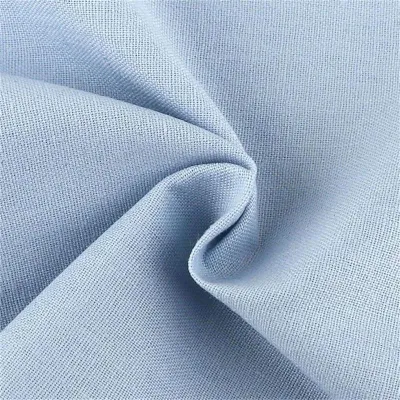
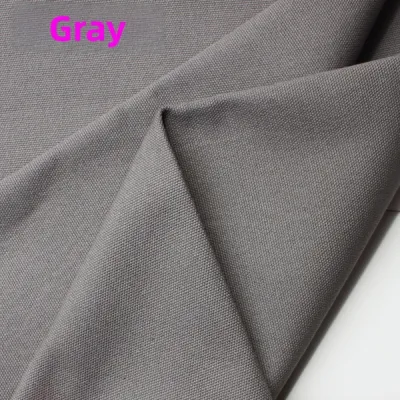
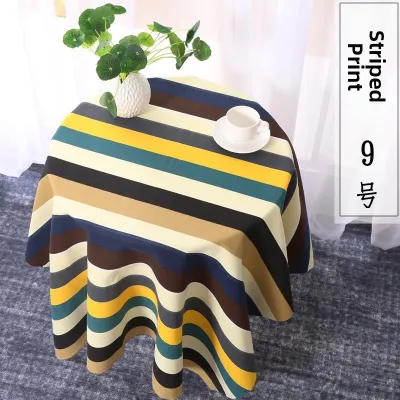
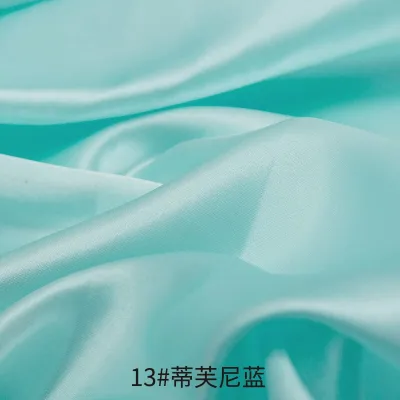
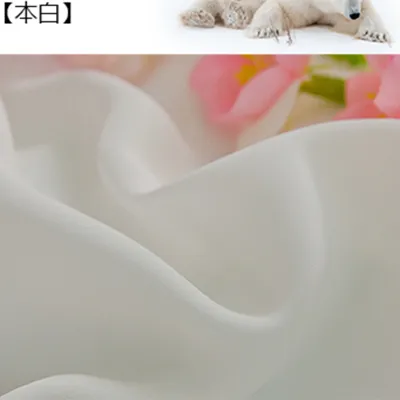
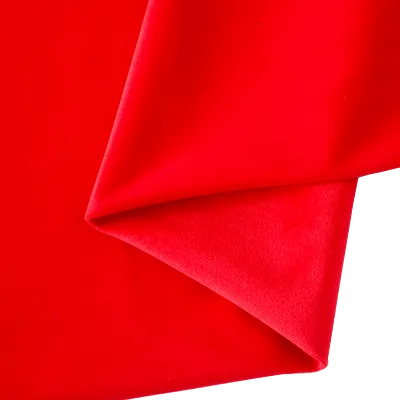
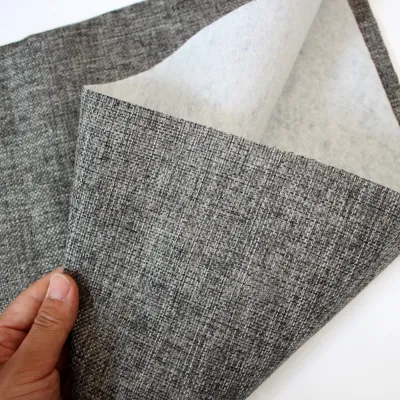
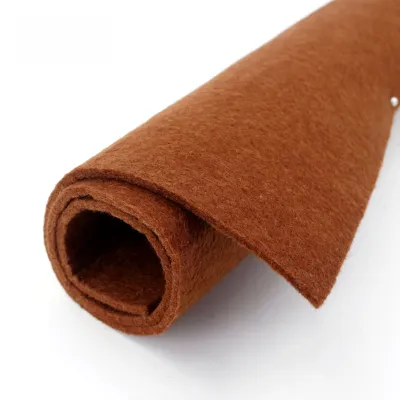
Prices are valid at publication and may change. Please refer to the product page for the latest price.
Cotton: Versatile, Breathable, and Beginner-Friendly
Cotton is a natural cellulose fiber harvested from the seedpods of the cotton plant, celebrated worldwide for its exceptional versatility and comfort. It is highly breathable and absorbs moisture efficiently, making it an incredibly popular choice for everyday wear in warm climates. In terms of structure, pure cotton is generally stable with minimal stretch (unless woven as a knit or blended with elastane) and possesses a moderate to crisp drape depending on its weave. This structural stability makes cotton the absolute best choice for beginners, as it does not slip or slide during cutting or sewing.

When handling cotton at the sewing machine, you will find it is exceptionally cooperative. It cuts cleanly without fraying excessively, and it holds sharp creases beautifully when pressed with a standard steam iron. For most mediumweight cotton fabrics, a standard universal sewing machine needle in size 80/12 paired with a high-quality cotton or poly-cotton thread will yield clean, even stitches.
Cotton is ideal for a massive array of projects, including quilting, casual everyday shirts, summer dresses, structured tote bags, and home decor items like cushion covers. However, cotton does have limitations: it is highly prone to wrinkling and will shrink during its first wash. Always check the manufacturer’s care label, as most cotton fabrics are machine washable but require pre-washing before you cut your pattern pieces to avoid post-sewing shrinkage.
Linen: Structured, Textured, and Highly Breathable
Linen is made from the cellulose fibers of the flax plant, resulting in a textile that is prized for its rustic, textured appearance and unparalleled breathability. The fabric features characteristic slubs—slight irregularities and thick spots along the yarn—which give linen its distinctive organic look. Linen has a crisp, structured drape when newly sewn, but it softens beautifully with every subsequent wash and wear. Its open weave allows heat to escape rapidly, making it a staple fabric for staying cool in tropical environments.
Sewing with linen requires a bit more preparation than cotton because the loose weave of flax fibers causes the raw edges to fray very easily. To prevent your seams from unraveling over time, you must plan for proper seam finishes, such as using French seams, flat-felled seams, or a serger (overlocker) to clean up the edges. While linen presses beautifully and holds sharp pleats, you must exercise caution when ironing; pressing directly on the right (face) side of dark or medium-toned linen can crush the fibers and create an permanent, unwanted shiny patch. Always use a press cloth or iron on the reverse side of the fabric.
Linen is the perfect match for relaxed summer garments, structured linen trousers, lightweight jackets, table linens, and casual structured bags. Because linen is notorious for shrinking significantly—often up to 10% on the first wash—pre-washing the fabric is non-negotiable. Always follow the manufacturer’s care label for recommended washing temperatures and iron settings to preserve the strength of the flax fibers.
Polyester: Durable, Wrinkle-Resistant, and Low-Maintenance
Polyester is a synthetic fiber derived from petroleum, engineered to offer extreme durability, high strength, and low maintenance. Unlike natural fibers, polyester resists shrinking, stretching, and wrinkling, making it highly valued for garments that must withstand frequent washing and heavy wear. The drape of polyester is incredibly variable because it can be manufactured to mimic almost any natural fiber; it can range from a highly fluid chiffon to a stiff, structured fleece. However, because polyester is essentially a plastic, it has much lower breathability than cotton or linen, meaning it can trap heat and perspiration close to the skin in humid conditions.
Handling polyester during the sewing process presents unique challenges, particularly because synthetic fibers are highly sensitive to heat. Using an iron that is too hot can easily melt, scorch, or permanently glaze the fabric, so you must lower your iron’s temperature and use a protective press cloth. Additionally, lightweight polyester fabrics like satin or chiffon can be incredibly slippery to cut and sew. To sew polyester successfully, use a sharp polyester thread, which has the necessary elasticity to match the synthetic fibers, and ensure your sewing machine needle is sharp and free of burrs to avoid snagging the weave.
Polyester is highly suited for activewear, durable outerwear, garment linings, pleated skirts, and items requiring high shape retention. Its care routine is incredibly straightforward: it is machine washable, quick-drying, and rarely requires ironing. However, to prevent permanent damage, you must avoid high-heat tumble drying and always use a low-heat setting on your iron.
Silk: Luxurious Drape and Delicate Handling
Silk is a natural protein fiber produced by silkworms, renowned for its luxurious fluid drape, delicate hand, and subtle, elegant luster. It is incredibly lightweight yet surprisingly strong, and it possesses natural temperature-regulating properties that keep the wearer cool in hot weather and warm in cooler air-conditioned spaces. The drape of silk is unmatched in its fluidity, allowing it to cling and float elegantly around the body, making it the premier choice for high-end fashion.
Despite its beauty, silk is widely considered one of the most challenging fabrics to sew, requiring advanced handling techniques. The fabric is extremely slippery, shifting easily during both the cutting and sewing stages. To manage this, you should pin the fabric using ultra-fine silk pins to avoid leaving permanent holes, and use tissue paper or a tear-away stabilizer underneath the fabric while cutting and stitching to prevent the machine from puckering or swallowing the delicate material. Always equip your machine with a brand-new, ultra-fine needle, such as a Microtex or specialized silk needle in size 60/8 or 70/10, to prevent snags and pulled threads.
Silk is reserved for special, high-end projects such as evening gowns, flowing blouses, delicate lingerie, luxury scarves, and premium garment linings. It is a highly delicate fiber that requires strict adherence to care instructions. Many silk fabrics are dry-clean-only, while others can be gently hand-washed using a pH-neutral delicate detergent. Direct heat, steam, and harsh chemicals will permanently ruin the fiber’s luster and strength, so always test a scrap piece first.
How to Match Different Fabrics to Your Specific Sewing Project
Choosing the right fabric requires matching the structural demands of your sewing pattern with the physical properties of the material. If your pattern relies on crisp lines, sharp pleats, or structural integrity—such as a tailored shirt, a structured tote bag, or a utility jacket—you should opt for stable, structured fabrics like medium-to-heavy cotton canvas, denim, or linen. Conversely, if your pattern features gathers, cowls, or a flowing silhouette—such as a bias-cut slip dress or a bohemian maxi skirt—you must select a material with a highly fluid drape, such as silk crepe de chine, lightweight polyester chiffon, or a soft rayon.
For everyday garments, fabric blends offer an excellent middle ground by combining the best properties of different fibers. For example, a cotton-polyester blend combines the breathability and comfort of cotton with the wrinkle resistance and durability of polyester, resulting in an easy-care fabric that is perfect for daily wear.
To ensure success, always consult the “Suggested Fabrics” section on the back of your commercial sewing pattern envelope. Pattern designers carefully select these recommendations based on the amount of drape and structure required for the garment to fit and hang correctly. Before cutting your main fabric, run through a quick verification checklist:
- Weight: Does the fabric's weight match the intended use (e.g., lightweight for shirts, heavyweight for jackets)?
- Drape: Hold a yard of the fabric up and let it hang; does it fall in the soft folds or stiff lines required by the pattern?
- Care: Do the washing and drying requirements of the fiber align with how the finished item will actually be used and maintained?
Essential Fabric Preparation and Care Guidelines for Sewing Fabrics
Proper fabric preparation is the secret to professional-looking sewing projects that do not distort, shrink, or fade after their first wash. The most critical step in this process is pre-washing your fabric. Natural fibers like cotton and linen are highly prone to shrinkage when exposed to water and heat; if you sew a garment without pre-washing, the finished item may shrink unevenly and become unwearable after its first trip through the laundry. Always wash and dry your fabric using the exact same methods and temperatures you plan to use for the finished garment.
Before applying water, detergent, or heat to your entire length of fabric, always perform a series of tests on a small, hidden scrap piece. Test for colorfastness by wetting the scrap and pressing it against a white paper towel; if the dye bleeds, you will need to wash the fabric separately or use a color-trapping sheet. Additionally, perform a heat sensitivity test with your iron on the scrap to find the maximum safe temperature before pressing your main fabric pieces.
During construction, pressing is just as important as stitching. Use a clean press cloth when ironing delicate materials like silk and polyester to prevent scorch marks, fiber melting, or the development of an unsightly shine. Adjust your iron’s steam settings carefully, as some fabrics, like silk, can develop permanent water spots from steam droplets. Finally, store any leftover fabric flat or rolled in a dark, dry space away from direct sunlight to prevent the colors from fading along the fold lines, and always keep the manufacturer’s care tag handy for future reference.
Frequently Asked Questions (FAQ)
Do I need to pre-wash polyester and silk before sewing?
While polyester is a synthetic fiber that is highly resistant to shrinking, pre-washing is still recommended to wash away any chemical residues, sizing, or manufacturing finishes that could affect how the fabric feeds through your machine. Pre-washing also allows you to test for potential color bleeding. For silk, you must consult the manufacturer’s care label first. If the finished silk garment is intended to be hand-washed, you should gently hand-wash the fabric before cutting to account for any minor shrinkage or subtle changes in the fabric’s texture. If the garment will be strictly dry-cleaned, you can skip pre-washing, but you should steam-press the fabric gently to relax any packaging creases.
What is the best needle size for sewing silk and linen?
The ideal needle size depends entirely on the thickness and weave of the fabric. For delicate, lightweight silk, you should use an ultra-fine, sharp needle, such as a size 60/8 or 70/10 Microtex or sharp needle, which easily pierces the dense weave without snagging the threads or leaving visible holes. For linen, which has a coarser and more open weave, a standard universal or sharp needle in size 80/12 (for lightweight linen) or 90/14 (for medium-to-heavyweight linen) is highly recommended. Always test your needle and thread combination on a double-layered scrap of your project fabric before sewing to ensure the stitches are balanced and do not pucker.
Can I mix different fabric types in one sewing project?
Yes, you can successfully mix different fabric types in a single project, but you must do so with caution. The most critical factor is ensuring that all combined fabrics share compatible care requirements; mixing a dry-clean-only silk with a machine-washable cotton will make laundering the finished item nearly impossible. Additionally, you must account for different shrinkage rates by thoroughly pre-washing every fabric before cutting. When joining fabrics of different weights or structures along a seam, use a lightweight interfacing to stabilize the weaker or more fluid fabric, ensuring the seam does not warp, stretch, or pull apart under tension.

Community discussion
Share your experience or ask a question. Comments are reviewed before publication.