
When preparing for a household move in Singapore, securing your belongings against transit shocks is a primary concern. Whether you are moving between HDB flats, transitioning to a condominium, or packing up a landed property, choosing the right packing bubble wrap is essential to prevent damage to fragile glassware, electronics, and bulky furniture. While many generic options exist on the market, finding reliable bubble wrap requires understanding key material specifications, verifying seller quality, and matching the wrap type to your specific household items.
Understanding Bubble Wrap Specifications for Household Moves
Selecting the right bubble wrap begins with understanding the physical dimensions of the bubbles. Small bubbles, typically measuring 10mm in diameter and 3mm to 4mm in height, are designed for surface protection and light cushioning. They conform easily to intricate shapes like cups, plates, and small ornaments, making them ideal for wrapping individual kitchenware items.
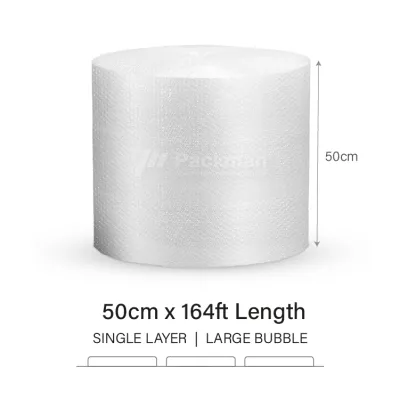
Large bubbles, usually measuring 25mm to 30mm in diameter and up to 12mm in height, are meant for filling empty spaces inside boxes and absorbing heavy impacts. These larger air pockets provide a thick buffer zone, making them highly effective for wrapping bulky appliances, heavy furniture corners, or large framed artwork.
Products mentioned in this guide
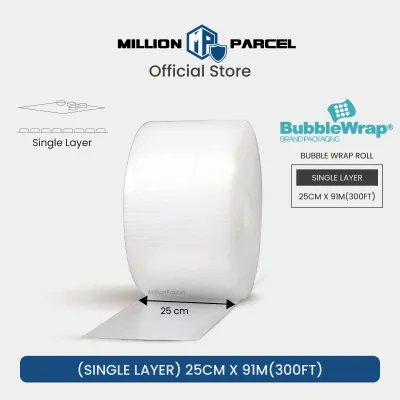
![91m/20m/10m BubbLest™ [FREE PENKNIFE] Bubble Packaging Material Direct Singapore Manufacturer | Clingwrap | Plasticwrap | Cling Wrap | Plastic Wrap | Bubble Roll |](https://img.lazcdn.com/g/p/118908581c7285d2410f3d4422311ca0.png_400x400q80.png_.webp)
Prices are valid at publication and may change. Please refer to the product page for the latest price.
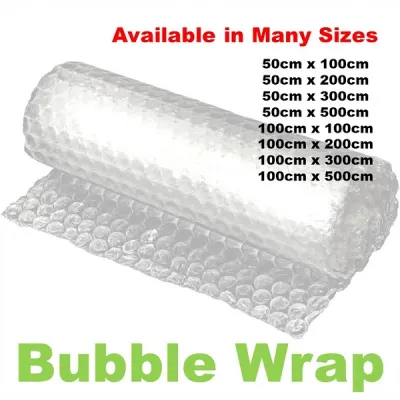
Roll dimensions also play a critical role in packing efficiency. Widths typically range from 30cm, which is highly manageable for small items, to 50cm or 100cm for covering larger surface areas. While perforated rolls offer convenient tear lines at regular intervals, non-perforated rolls allow you to cut custom lengths with scissors to minimize material waste.
Material density and ply count determine how well the wrap resists popping under pressure. Single-ply bubble wrap features air pockets sealed onto a single flat plastic backing sheet, offering high flexibility for wrapping tight corners. Double-ply bubble wrap sandwiches the bubbles between two flat plastic sheets, providing superior puncture resistance and long-term air retention for heavy loads.
How to Verify Brand and Seller Reliability
Because many packing supplies in Singapore are sold under generic labels or unbranded rolls, buyers must rely on observable quality indicators rather than brand names alone. When shopping on online marketplaces, look past the headline price and examine customer reviews specifically mentioning bubble firmness, air retention, and plastic thickness. Avoid listings where buyers complain about flat bubbles, thin plastic that tears during wrapping, or rolls that arrive squashed.

If you are purchasing from a physical retail store, perform a simple squeeze test to verify the material quality. High-quality bubble wrap should feel firm and resilient; the individual air pockets should resist moderate finger pressure without popping immediately. If the bubbles deflate under light pressure, the plastic is likely too thin to protect your belongings during a bumpy truck ride.
Inspect the heat-sealed seams along the edges of the bubbles to ensure they are uniform and secure. Poorly sealed bubbles will slowly leak air over a few days, leaving your fragile items unprotected by the time moving day arrives. Reliable manufacturers often print material specifications, such as low-density polyethylene (LDPE) recycling codes and thickness indicators, directly on the outer packaging or roll core.
Where to Source Quality Packing Supplies in Singapore
Singapore offers several sourcing channels depending on your moving volume, timeline, and budget. Local neighborhood hardware stores, often located in HDB hubs, are highly convenient for last-minute purchases or small-scale moves. However, they typically stock smaller rolls at a higher unit price, making them less economical for packing an entire household.
For medium to large moves, dedicated packaging suppliers and industrial wholesalers located in industrial estates like Ubi, Jurong, or Woodlands offer the best value. These suppliers stock commercial-grade double-ply rolls in various widths and lengths. Many of these wholesalers have retail-facing websites where you can purchase individual bulk rolls at wholesale rates.
Online marketplaces are highly popular for convenience and home delivery, which is especially helpful since large bubble wrap rolls are bulky and difficult to transport in a standard car. When buying online, verify the seller’s delivery lead times, as local warehouse stock can be delivered within two to three business days, whereas cross-border shipping may take over a week and risk damage during transit.
To assess cost-effectiveness, calculate the price per square meter rather than comparing total roll prices. For example, a roll measuring 0.5 meters wide by 100 meters long provides 50 square meters of coverage. If it costs S$25, the unit cost is S$0.50 per square meter. Comparing this unit rate across different roll sizes and suppliers ensures you get the best value for your moving budget.
Matching Bubble Wrap Types to Your Belongings
Different household items require specific bubble configurations to ensure adequate protection. For fragile glassware, porcelain, and ceramics, small-bubble wrap is the standard choice. Wrap each item individually with the bubble side facing inward; the flat backing sheet provides a smooth surface for tape adhesion, while the bubbles grip the item to prevent slipping. For highly delicate items, apply multiple layers and secure them inside a sturdy box with crumpled packing paper filling any remaining gaps.
Heavy furniture, large appliances, and items with sharp corners require large-bubble or double-ply wrap. When protecting refrigerator doors, washing machines, or wooden table legs, use large bubbles to absorb heavy impacts during loading and transit. Pay special attention to corners and edges, which are highly susceptible to chipping; reinforce these areas with cardboard corner protectors before wrapping them in bubble wrap.
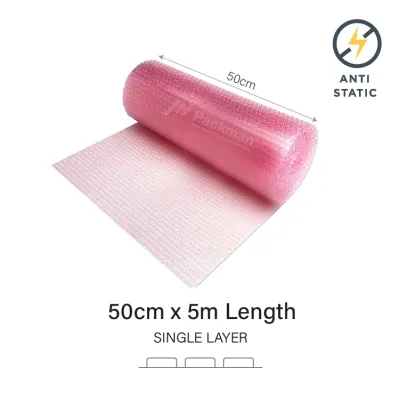
Electronics, such as computer towers, monitors, and audio equipment, require careful handling due to electrostatic discharge (ESD) risks. Standard plastic bubble wrap can generate static electricity when rubbed against plastic or metal chassis, potentially damaging sensitive internal circuits. For these items, check the manufacturer’s guidelines and use pink anti-static bubble wrap, which is specially treated to dissipate static charges safely.
Application and Storage Best Practices
Proper application techniques maximize the protective qualities of your bubble wrap. When securing wrapped items, use high-quality packing tape designed for cardboard and plastic. Apply the tape along the seams and edges of the wrap, ensuring it adheres firmly to the flat backing sheet. Avoid wrapping tape too tightly around the bubbles, as excessive tension can pop the air pockets and reduce their cushioning ability.
In Singapore’s hot and highly humid climate, direct contact between plastic bubble wrap and certain sensitive surfaces can cause damage. Polished wooden furniture, leather items, and freshly painted surfaces can trap moisture underneath the plastic, leading to clouding, discoloration, or sticky residue. To prevent this, wrap these items in a layer of breathable packing paper or moving blankets first, then apply the bubble wrap over the protective layer.
If you purchase your packing supplies in advance, store the unused rolls in a cool, dry place away from direct sunlight. Prolonged exposure to heat and UV rays can degrade the low-density polyethylene material, making the plastic brittle and prone to premature popping. Keep the rolls elevated off the floor in a well-ventilated room to prevent moisture buildup and maintain the structural integrity of the bubbles until moving day.
Frequently Asked Questions (FAQ)
Can I reuse bubble wrap from previous deliveries for my move?
Reusing bubble wrap from online shopping deliveries is an eco-friendly and cost-effective option, but it requires careful inspection. Before wrapping valuable or highly fragile items, check the condition of the bubbles by gently pressing them. If a significant portion of the bubbles are deflated, flat, or pop under minimal pressure, the wrap has lost its cushioning ability and should not be used for fragile items. You can, however, use slightly deflated wrap as light void fill for non-fragile items. Avoid using dirty, dusty, or torn wrap, as debris can scratch sensitive surfaces during transit.
Is there a difference between standard and anti-static bubble wrap?
Yes, there is a distinct difference in material composition and application. Standard bubble wrap is made of regular low-density polyethylene, which acts as an electrical insulator and can easily accumulate static electricity through friction during handling. Anti-static bubble wrap is manufactured with an additive that prevents the buildup of electrostatic charges, typically colored pink for easy identification. Always check your electronic device manuals; sensitive components like bare motherboards, graphics cards, and internal hard drives should only be wrapped in anti-static materials to prevent permanent electrical damage.

Community discussion
Share your experience or ask a question. Comments are reviewed before publication.