
Sourcing reliable bulk gift bags in 50-piece packs on major e-commerce platforms in Singapore requires a systematic approach to verify material quality, structural integrity, and seller credibility. Because you cannot physically handle the paper or test the handles before purchasing, the key to finding the best options lies in analyzing technical specifications, interpreting customer feedback, and communicating directly with suppliers. By focusing on objective criteria such as paper weight, handle construction, and reinforcement details, buyers can secure consistent, high-quality packaging for retail, corporate events, or festive gifting without risking costly defects.
Defining Your Requirements for Bulk Gift Bags
To make an efficient purchase on online marketplaces, you must first define the exact physical parameters your gifts require. Gift bags are not one-size-fits-all, and choosing the wrong dimensions or material can lead to torn packaging, damaged gifts, or an unprofessional presentation.
Begin by measuring the items you plan to package. You need to determine the three essential dimensions of the bag: width, height, and gusset depth. The gusset is the side or bottom fold that expands to give the bag its three-dimensional shape. If your item is wide or boxy, a bag with an inadequate gusset will stretch, warp, or tear at the seams. Always allow at least one to two centimeters of clearance on all sides so items slide in and out smoothly without catching on the edges.
Products mentioned in this guide
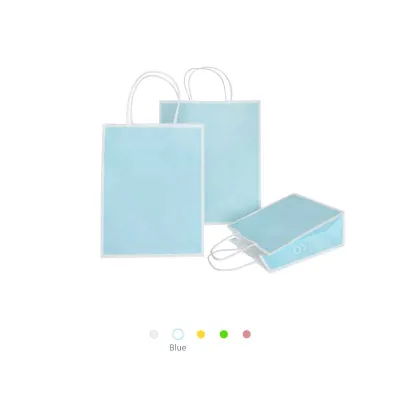
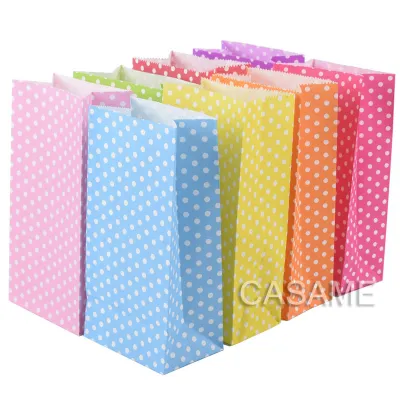
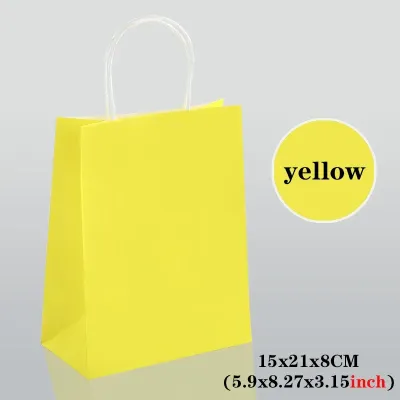
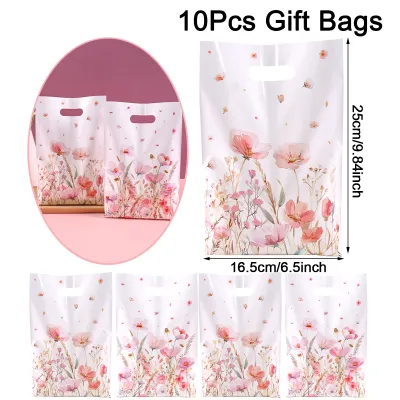
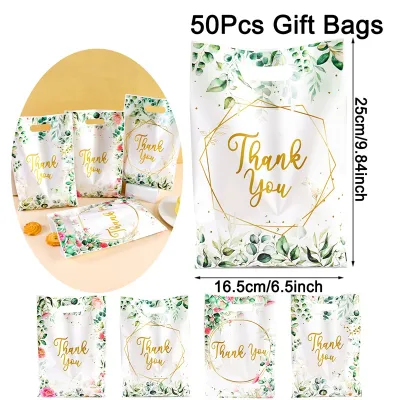
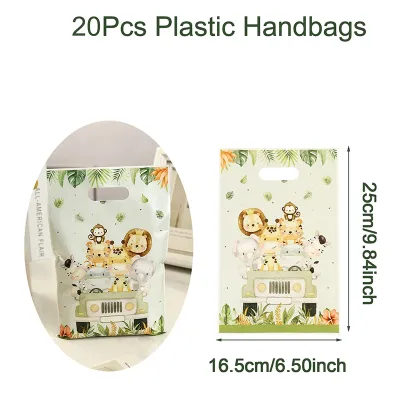
Prices are valid at publication and may change. Please refer to the product page for the latest price.
Next, consider the material that best aligns with your brand or event aesthetic. Kraft paper is a highly popular choice for bulk orders due to its natural, rustic appearance and excellent tensile strength. It is typically available in brown or bleached white. For a more premium or vibrant look, coated art paper or cardboard bags offer a smooth, semi-gloss or matte finish that displays printed designs with high clarity. If you are packaging lightweight, delicate items like jewelry or cosmetics, a lighter paper weight may suffice, whereas heavier items like glass jars or books demand thick, heavy-duty cardstock.
Finally, evaluate the handle type, as this is often the primary point of failure under load. Twisted paper handles are standard for classic retail bags, offering a clean look and decent strength when properly glued. Cotton rope or ribbon handles provide a softer, more luxurious feel, making them ideal for high-end gifts or weddings, though they require secure knotting or metal eyelets inside the bag to prevent pulling through. Die-cut handles, which are cut directly into the paper body, offer a sleek, minimalist profile but reduce the usable height of the bag and require reinforced upper folds to prevent tearing under weight.
Key Evaluation Criteria for Online Sourcing
When browsing 50-piece bulk listings on e-commerce platforms, you will encounter a wide range of prices and seemingly identical products. To make an objective comparison, you must establish a standardized checklist based on technical specifications rather than relying solely on product photos.

The most critical technical specification to look for is the paper thickness, measured in grams per square meter (GSM). For standard paper gift bags, a GSM of 100 to 120 is typical for light retail use. If you are packaging heavier items, look for bags with a GSM of 150 to 200 or higher, which indicates a thick, rigid cardstock. Listings that omit the GSM or describe the material using vague terms like “thick paper” or “premium quality” should be approached with caution, as these descriptions are subjective and often mask thin, easily creased materials.
In addition to paper weight, examine the structural reinforcement of the bag. High-quality paper bags feature a reinforced top fold (where the handles are attached) and a cardboard bottom insert. The bottom insert distributes the weight of the contents evenly across the base, preventing the paper from sagging or bursting open. If a listing does not explicitly mention a reinforced bottom or show it in the product diagrams, you should assume the bag lacks this feature, making it unsuitable for heavy or fragile items.
Print quality and finishing details are also vital, especially if you are choosing colored or patterned bags. Look for listings that specify the printing method or mention a protective coating, such as a matte or glossy lamination. Lamination not only enhances the visual appeal and color depth but also adds a layer of water resistance, which is particularly valuable in Singapore’s humid climate. Uncoated colored paper can sometimes suffer from ink transfer or fading, especially along the folded edges where the paper fibers are stretched.
Lastly, calculate the true unit cost of the bags. Compare the total price of the 50-piece pack, including shipping fees to Singapore, against other listings. Sometimes a lower base price is offset by high shipping costs, or vice versa. Look for bundle discounts or platform vouchers that apply to bulk purchases, and factor in the estimated delivery timeline to ensure the shipment aligns with your event or operational schedule.
Navigating Product Listings and Seller Profiles
E-commerce platforms host thousands of third-party sellers, making it essential to distinguish reputable suppliers from unreliable storefronts. Navigating these listings successfully requires looking past promotional banners and diving deep into customer data and seller metrics.
Start by thoroughly analyzing the customer review section, focusing specifically on reviews that include user-uploaded photos and videos. These real-world images provide an honest look at the product’s actual color, texture, and construction, which may differ from the highly edited, stylized stock photos used in the main listing. Look for recurring complaints in the reviews, such as handles detaching easily, bags arriving with bent corners, or the actual dimensions being smaller than advertised. Pay attention to reviews from buyers in Singapore, as they can offer insights into how the packaging survived international transit and how it performs in local humidity.
Next, evaluate the seller’s overall profile and performance metrics. Most platforms display key indicators such as the seller’s positive feedback rating, chat response rate, and how long they have been operating. A seller with a rating of 4.8 stars or higher and a high chat response rate is generally more reliable and easier to communicate with if issues arise. Avoid sellers with very low response rates, as resolving a dispute or tracking a delayed shipment with them can be extremely difficult.
Be alert to common red flags on product listings. If a listing uses only generic stock photos, lacks a detailed specification table, or provides contradictory information (such as listing different dimensions in the title and the description), it is best to look elsewhere. Reliable sellers take the time to provide clear, accurate, and detailed product descriptions, including precise measurements, material compositions, and clear close-up photos of the handles and seams.
Verifying Quality and Consistency Before Checkout
Before committing to a bulk order of 50-piece packs, taking proactive steps to verify quality can save you significant time and expense. Direct communication with the seller is one of the most effective ways to confirm details and establish expectations.
Use the platform’s instant messaging feature to contact the seller directly. Ask them to provide actual, unedited photos of the current batch of bags in their warehouse. This allows you to verify the color accuracy and check for any obvious manufacturing defects before the items are packed for shipping. You should also confirm that they have sufficient stock of the exact size and color you need, especially if you plan to order multiple 50-piece packs, as stock levels shown on listings are not always updated in real time.
Inquire about the seller’s return and refund policies for bulk orders. Specifically, ask how they handle defective items, such as bags with missing handles, misaligned prints, or structural tears. A reputable seller should offer a clear resolution process, whether through a partial refund, a replacement shipment, or platform-assisted returns. Clarify what percentage of minor defects is considered acceptable within a bulk order; while a perfect batch is ideal, a small defect allowance (such as one or two minor issues per 50 bags) is common in mass-produced paper goods.
If your timeline permits, consider ordering a single sample pack or a smaller quantity first. While this adds a small initial cost, it is the most reliable way to physically inspect the paper weight, test the handle strength, and ensure your gifts fit perfectly inside the bag. Once you are satisfied with the sample’s quality, you can confidently proceed with a larger bulk order, knowing exactly what to expect when the shipment arrives.
Managing Delivery and Post-Purchase Checks
Once your bulk order of gift bags arrives, a systematic inspection process ensures that any transit damage or manufacturing defects are identified and addressed immediately within the platform’s protection window.
Begin by inspecting the outer shipping carton before opening it. Look for signs of rough handling, such as crushed corners, punctures, or water stains. Because paper bags are highly susceptible to moisture and physical pressure, any damage to the outer box could indicate that the bags inside have been compromised. If you notice severe damage, take clear photos and videos of the unopened package from multiple angles, as this evidence is crucial for filing transit damage claims with the logistics provider or the e-commerce platform.
After opening the package, conduct a randomized quality check of the 50 bags. You do not necessarily need to inspect every single bag immediately, but examining a random sample of 10 to 15 bags will give you a clear indication of the batch’s overall consistency. Check that the handles are securely glued or knotted, the bottom inserts are flat and properly positioned, and the side seams are fully sealed without excess glue residue. Test a few bags by placing your intended gifts inside to verify that the handles hold the weight without stretching or tearing the paper.
If you discover any defective, damaged, or missing items, document them immediately. Take high-resolution photos and close-up videos showing the specific issues, such as torn seams, detached handles, or incorrect dimensions. Contact the seller through the platform’s chat system, present your evidence clearly, and request a resolution. Keep all communication within the platform’s official channels to ensure you remain protected by their buyer guarantee policies, and avoid marking the order as “received” or “completed” until you are fully satisfied with the resolution.
Frequently Asked Questions (FAQ)
How should I store bulk paper gift bags to prevent damage?
To maintain the quality and structural integrity of your bulk paper gift bags, store them in a cool, dry environment away from direct sunlight and high humidity. Singapore’s humid climate can soften paper fibers and weaken water-based adhesives over time, potentially causing handles to detach or seams to split under load. Keep the bags flat or neatly stacked in their original protective plastic packaging or a sealed storage box to prevent dust accumulation and edge curling. Avoid storing them in damp areas like under-sink cabinets or near open windows where rain or moisture can easily reach them.
What is the typical weight capacity for standard paper gift bags?
The weight capacity of a paper gift bag depends heavily on its paper thickness (GSM), bottom reinforcement, and handle construction. A standard small to medium bag made from 120 GSM kraft paper with twisted paper handles and a reinforced cardboard bottom can typically support between 1 kg and 2 kg of evenly distributed weight. Larger bags made from thicker 150 to 200 GSM cardstock with cotton rope handles can often hold up to 3 kg or more. Always check the seller’s specifications for weight limits, and conduct a physical test with your heaviest item before using the bags for an event or retail customers.
Can I customize bulk gift bags ordered from online marketplaces?
Standard pre-packaged 50-piece listings on e-commerce platforms generally do not include custom printing or branding. However, many bulk packaging sellers do offer customization services, such as logo hot-stamping or custom silk-screen printing, for an additional fee. To inquire about customization, contact the seller directly through the platform’s messaging system before placing an order. Be prepared to ask about their minimum order quantities (MOQs) for custom work—which are often higher than 50 pieces—as well as setup fees, design file requirements, and the extended production and shipping timelines required for custom orders.

Community discussion
Share your experience or ask a question. Comments are reviewed before publication.