
Finding reliable bubble wrap in Singapore requires looking beyond marketing claims and focusing on verifiable product specifications and supplier consistency. Since packaging needs vary widely—from protecting delicate electronics to cushioning heavy household items during a move—the most reliable brand for one task may not be the best fit for another. To secure your items, you must evaluate physical properties like bubble size, material thickness, and roll consistency. By understanding these technical details and knowing how to source from reputable local suppliers, you can ensure your goods remain undamaged during transit or storage.
In Singapore’s highly active e-commerce and logistics landscape, selecting the right protective packaging can mean the difference between a successful delivery and a costly return. While many generic options exist, understanding the underlying material science allows you to make an informed decision. This guide outlines how to decode product labels, evaluate supplier reliability, and match the right bubble wrap variant to your specific packaging scenarios, ensuring your items remain secure whether you are shipping locally or storing goods long-term.
Decoding Bubble Wrap Specifications for Your Packaging Needs
Selecting the right bubble wrap begins with understanding the physical dimensions of the bubbles themselves. Standard bubble wrap typically comes in two primary bubble diameters: small (usually around 10 mm) and large (typically around 25 mm). Small bubbles stand at a lower height, making them excellent for wrapping tightly around intricate shapes and preventing surface scratches. Large bubbles provide a deeper cushion of air, which is essential for filling empty spaces in shipping boxes and absorbing heavy impacts.
Products mentioned in this guide
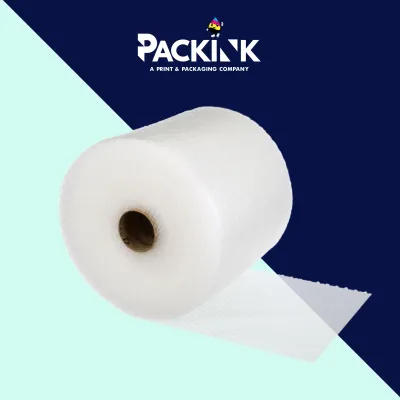
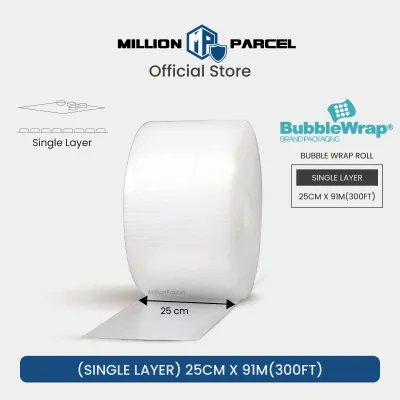
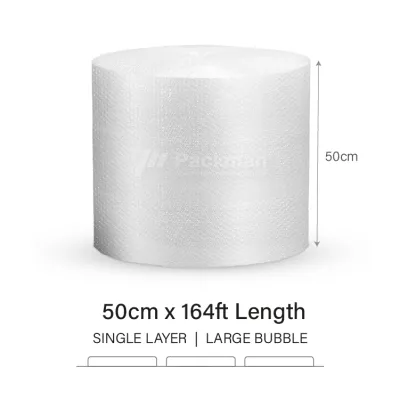
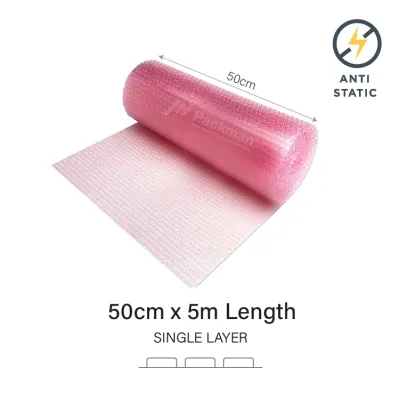
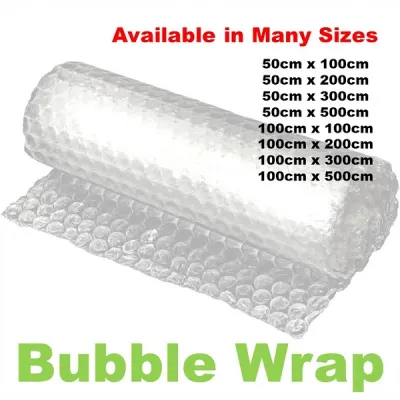
![91m/20m/10m BubbLest™ [FREE PENKNIFE] Bubble Packaging Material Direct Singapore Manufacturer | Clingwrap | Plasticwrap | Cling Wrap | Plastic Wrap | Bubble Roll |](https://img.lazcdn.com/g/p/118908581c7285d2410f3d4422311ca0.png_400x400q80.png_.webp)
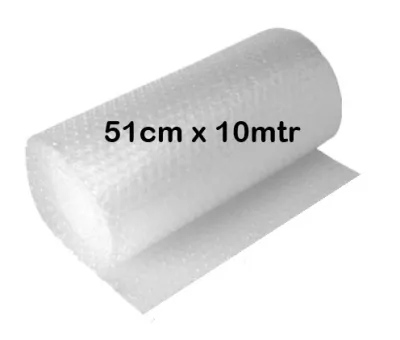
Prices are valid at publication and may change. Please refer to the product page for the latest price.
Beyond bubble size, the durability of the wrap depends heavily on material thickness and ply count. Single-layer bubble wrap features backing plastic on only one side of the bubbles, offering lightweight and flexible protection. Double-ply or multi-layer variants seal the bubbles between two flat sheets of plastic, significantly increasing puncture resistance and preventing the bubbles from popping under heavy loads. When comparing options, look for the weight per square meter (measured in grams per square meter or GSM) on the product specification sheet as a reliable indicator of plastic density.
The longevity of the air cushion also depends on the manufacturing process and material composition. Standard low-density polyethylene (LDPE) is naturally porous, meaning air will slowly leak out over weeks or months. High-quality bubble wrap often incorporates co-extruded barrier layers—typically a thin nylon or specialty polymer layer sandwiched within the polyethylene. This barrier dramatically reduces air transmission, ensuring the bubbles remain fully inflated during long-term storage or extended international shipping transits.
To verify these specifications during a trial, you can perform a simple squeeze test on a sample piece. High-quality barrier bubble wrap will resist compression and spring back to its original shape, whereas low-grade alternatives will feel soft and lose air easily under moderate finger pressure. Checking for these physical indicators ensures you do not end up with flat, useless plastic sheets by the time your package reaches its destination.
How to Evaluate Bubble Wrap Brands and Supplier Reliability
Evaluating the quality of bubble wrap requires a close physical inspection of the roll or a careful review of the manufacturer’s technical data. A reliable brand produces rolls with uniform bubble inflation across the entire width and length of the material. Under-inflated bubbles offer poor cushioning, while over-inflated bubbles are prone to premature popping during handling. Inspect the edges of the roll to ensure the heat seals are secure and the plastic is wound evenly without telescoping or crushing.

For businesses and individuals seeking consistent quality, verifiable manufacturing credentials offer peace of mind. Look for suppliers whose manufacturing facilities hold ISO 9001 certifications for quality management, which helps guarantee that each batch of bubble wrap meets the same physical standards. Additionally, look for recognized environmental or recycling symbols on the packaging, indicating that the material is made from recyclable LDPE or contains a specified percentage of post-consumer recycled content.
Supplier transparency is another critical indicator of reliability, especially when purchasing in bulk. Reputable distributors in Singapore should readily provide detailed product specification sheets outlining the exact thickness, material composition, and roll dimensions. Avoid suppliers who use vague descriptions or refuse to clarify whether their rolls are single-ply or double-ply. A trustworthy supplier will also maintain consistent batch quality, ensuring that a roll purchased today performs identically to one ordered months later.
Furthermore, pay attention to how the supplier packages and delivers the rolls. Reliable distributors protect their bubble wrap rolls with an outer protective film during transit to prevent dust accumulation and physical damage before the product even reaches your warehouse or home. If a supplier delivers dusty, scuffed, or partially deflated rolls, it is a clear sign of poor quality control and storage practices that should prompt you to look elsewhere.
Matching Bubble Wrap Types to Specific Packaging Scenarios
Matching the specific type of bubble wrap to your item’s physical characteristics is essential for preventing damage. For lightweight, delicate items such as glassware, ceramics, and polished wooden frames, small-bubble rolls are the ideal choice. These rolls conform easily to complex contours, providing a snug protective barrier that prevents items from rubbing against each other. For these applications, a standard single-ply, lightweight wrap is usually sufficient to prevent surface abrasions.
When packaging heavy, bulky, or irregularly shaped objects, you must transition to heavy-duty or large-bubble variants. Items like metal tools, heavy kitchen appliances, or furniture corners can easily puncture thin plastic. Multi-layer bubble wrap with a high GSM rating provides the necessary structural strength to resist tearing. The larger air pockets absorb the high-energy shocks associated with drops and rough handling, keeping heavy items suspended safely away from the outer walls of the shipping box.
Specialized items require dedicated packaging materials to prevent non-physical damage. Sensitive electronic components, such as computer graphics cards, motherboards, and circuit boards, are highly vulnerable to electrostatic discharge (ESD). Standard plastic bubble wrap easily generates static electricity through friction during transit, which can instantly ruin delicate microchips. For these items, you must use anti-static bubble wrap, which is treated with chemical additives to prevent the buildup of static charges.
When wrapping items with sharp edges, such as metal frames or glass sheets, consider combining bubble wrap with corrugated cardboard or foam corners. Placing a layer of foam or cardboard over the sharpest points prevents them from piercing the bubble wrap during transit. This multi-material approach ensures that the air cushions remain intact to absorb broader impacts, maximizing the overall protective performance of your packaging setup.
Sourcing Quality Bubble Wrap Across Different Retail Channels
Singapore offers several distinct channels for purchasing bubble wrap, each suited to different volume needs and urgency levels. For businesses, e-commerce merchants, or individuals planning a major home relocation, specialized packaging suppliers and B2B distributors are the most cost-effective option. These suppliers, often located in industrial estates around Ubi, Jurong, or Geylang, offer bulk discounts, custom roll widths, and consistent supply chains. When ordering from B2B distributors, always verify the minimum order quantity and check if delivery fees are included in the quote.
If you need a small amount of bubble wrap immediately, local retail stationery stores and neighborhood hardware shops are highly convenient. While the price per meter is typically higher than bulk rates, buying retail allows you to physically inspect the material before paying. You can feel the thickness of the plastic, test the bubble inflation, and ensure the roll size fits your immediate transport limits. This is an excellent way to source a few meters for a last-minute gift or a single fragile shipment.
Online marketplaces and ecommerce platforms provide a convenient middle ground, offering a wide variety of roll sizes delivered directly to your doorstep. However, buying online requires extra vigilance to avoid low-quality, generic rolls that deflate easily. Before purchasing, verify the seller’s overall rating and read recent customer reviews specifically looking for comments on roll thickness and bubble consistency. Check the platform’s return policy to ensure you can easily exchange or refund the order if the delivered roll arrives damaged, under-inflated, or shorter than advertised.
When purchasing online, it is also wise to check the seller’s communication and responsiveness. Reliable online sellers are quick to answer queries regarding the exact specifications of their bubble wrap, such as the GSM rating or whether the roll is single-ply or double-ply. If a seller provides vague answers or fails to respond, it is safer to choose an alternative merchant who is transparent about their product quality.
Frequently Asked Questions (FAQ)
Does the color of the bubble wrap indicate its quality or purpose?
Yes, color coding is a common industry convention used to identify specific material properties, though it does not directly indicate overall quality. The most critical color to recognize is pink, which universally designates anti-static bubble wrap designed for sensitive electronics. Standard, non-treated bubble wrap is typically clear, while some manufacturers use green or blue to highlight rolls made from recycled plastics. Always verify the actual material specifications on the product label rather than relying solely on the color, as aesthetic variations can occur.
How should I store bubble wrap rolls to maintain their effectiveness?
To preserve the cushioning performance of your bubble wrap, store the rolls upright or flat in a cool, dry indoor environment. Avoid leaving rolls in areas exposed to direct sunlight, high humidity, or extreme heat, such as unventilated storage units or outdoor balconies in Singapore’s tropical climate. Prolonged exposure to ultraviolet (UV) rays and high temperatures can degrade the polyethylene polymers, making the plastic brittle and causing the trapped air to escape prematurely. Keeping the rolls in a dark, temperature-controlled space ensures they remain fully inflated and ready for use.

Community discussion
Share your experience or ask a question. Comments are reviewed before publication.