
Starting your journey with acrylic painting is an exciting step, but walking into an art supply store or browsing online can quickly become overwhelming. With hundreds of individual tubes, varying price points, and diverse starter kits available, finding the right entry point requires understanding what makes a paint reliable and easy to use. A well-chosen starter set eliminates the guesswork of sourcing individual supplies, allowing you to focus entirely on learning color mixing, brush control, and layering techniques.
To make a smart investment, you need to evaluate paint grades, set compositions, and packaging formats against your specific learning goals. Choosing the right starter set is not about finding the cheapest option or the one with the most pieces, but rather selecting a kit that offers high-quality pigments and essential tools that work harmoniously. By focusing on verifiable product specifications and practical packaging, you can find a set that provides excellent value and a frustrating-free introduction to this versatile medium.
Understanding Acrylic Paint Grades for Beginners
Acrylic paints are generally divided into two primary categories: student-grade and professional-grade. The fundamental difference lies in their formulation, specifically the ratio of pigment to binder and the presence of additives. Professional-grade acrylics contain a high concentration of pure pigments suspended in a high-quality acrylic polymer emulsion, resulting in vibrant colors, excellent lightfastness, and minimal color shift when drying. Student-grade paints, on the other hand, utilize lower pigment concentrations and incorporate fillers, extenders, and opacifiers to reduce production costs while maintaining a workable consistency.
Products mentioned in this guide
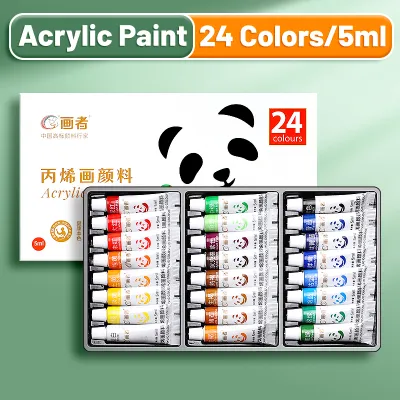
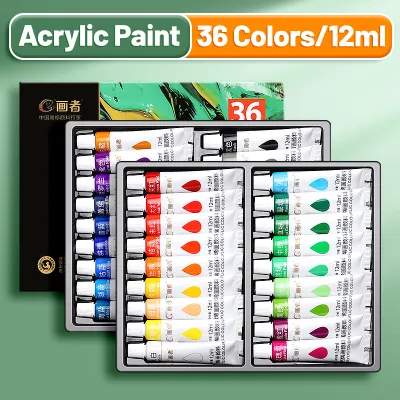
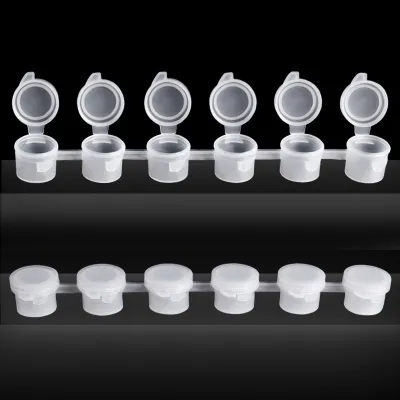
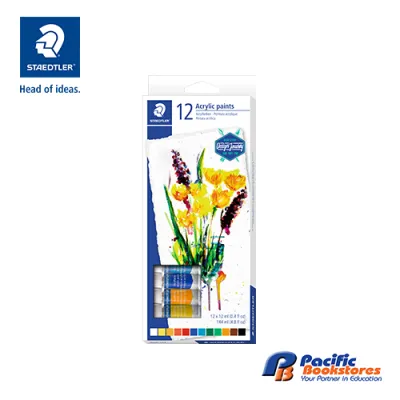
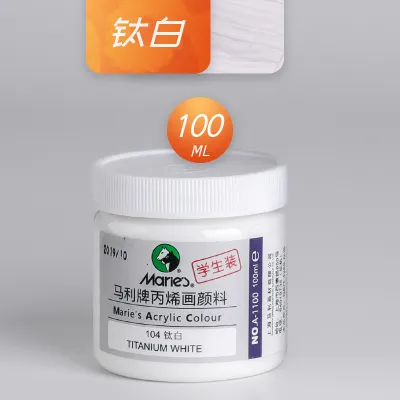
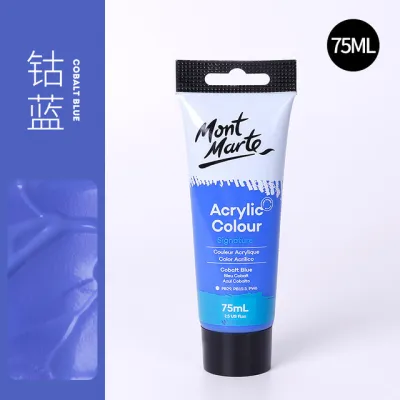
Prices are valid at publication and may change. Please refer to the product page for the latest price.
For beginners, student-grade paints are almost always the most practical and cost-effective choice for initial skill-building. When learning how to control a brush, blend colors, and manage paint consistency, you will naturally consume a large volume of material. Using professional-grade paints for basic exercises can create unnecessary financial pressure, which often discourages the free experimentation essential to artistic growth. Modern student-grade lines from reputable manufacturers offer surprisingly good performance, providing sufficient color intensity and smooth handling without the premium price tag.
When evaluating paint tubes, learning to read the manufacturer’s label is a crucial skill. Most reputable brands print symbols or codes on the packaging indicating lightfastness and opacity. Lightfastness, which refers to a pigment’s resistance to fading under prolonged exposure to light, is typically rated on a scale from I (excellent) to III or IV (fair or poor), often using ASTM international standards. Opacity is usually represented by a small square: a clear square indicates a transparent color, a half-filled square represents semi-opaque, and a solid black square denotes a fully opaque paint. Understanding these labels helps you anticipate how the paint will behave on your canvas and how well your finished work will resist fading over time.
What to Look for in a Comprehensive Beginner Set
A truly comprehensive beginner set should provide all the essential components needed to start painting immediately, saving you from the hassle of purchasing individual items. The core of any starter kit is the paint selection, which should feature a balanced, limited color palette rather than an overwhelming array of highly specific shades. A functional starter palette must include the three primary colors (a cool and warm variant of red, blue, and yellow), along with titanium white and a dark neutral like mars black or burnt umber. This foundational selection teaches you the vital skill of color mixing, enabling you to create an infinite spectrum of hues from just a few basic tubes.

Beyond the paint itself, the quality and selection of included brushes can make or break your initial experience. A practical starter set should include at least three distinct brush shapes: a flat brush for broad strokes and filling large areas, a round brush for detail work and sketching, and a filbert brush for soft, curved edges. Look for brushes with synthetic bristles, such as nylon or polyester, as they are highly durable, retain their shape well when wet, and are specifically designed to withstand the heavy, fast-drying nature of acrylic mediums. Wooden or sturdy plastic handles with securely crimped metal ferrules are essential to prevent the bristles from shedding onto your wet canvas.
The mixing surface and painting surface included in a starter kit are also critical components that deserve close inspection. A good beginner set should feature a flat, non-porous mixing palette made of durable plastic or tear-off wax paper sheets, rather than small, deeply recessed well palettes designed for watercolors. Additionally, the painting surface provided must be compatible with acrylic mediums to ensure your paint adheres properly without warping or bleeding. Look for sets that include double-primed canvas boards or heavy-duty acrylic paper pads with a weight of at least 290 grams per square meter (gsm) to guarantee that your paint will dry evenly and maintain its structural integrity.
Evaluating Starter Sets for Real Value and Usability
When shopping for a starter set, it is easy to be swayed by marketing claims boasting a high number of pieces in a single box. However, many of these multi-piece kits inflate their item count by including low-quality accessories, such as flimsy plastic rulers, tiny pencil sharpeners, or miniature paint tubes that contain only a few milliliters of product. To evaluate the real value of a set, you must calculate the total volume of paint provided rather than the number of individual items. For practical beginner use, look for sets containing tubes of at least 12ml to 22ml; anything smaller will likely run out after just one or two small painting sessions, forcing you to buy replacements immediately.
The consistency of the paint included in the set is another vital factor that dictates how you will work. Acrylic paints generally come in two main consistencies: heavy body and fluid. Heavy body acrylics have a thick, buttery texture similar to oil paint, which retains brushstrokes and knife marks, making them excellent for textured, impasto techniques. Fluid acrylics are much thinner, flowing easily from the brush and making them ideal for detailed work, smooth washes, and glazing. For most beginners, a medium-to-heavy body paint is preferred, as it can easily be thinned down with water or a medium if a fluid consistency is needed, offering greater versatility.
Packaging durability is a frequently overlooked aspect of starter sets that directly impacts storage and portability. A good starter kit should come in a sturdy, reusable container—such as a rigid wooden box, a durable plastic carrying case, or a high-quality roll-up canvas wrap. These storage solutions protect your paint tubes from being punctured or squeezed accidentally and keep your brushes flat so the bristles do not bend or fray. If you plan to paint in different locations, such as art classes or outdoors, a compact, impact-resistant case is far more valuable than a large, fragile cardboard box that deteriorates after a few uses.
Building Your Shortlist: Brand Tiers and Set Types
To build a reliable shortlist of potential starter sets, it is helpful to categorize available options into distinct brand tiers and configuration types. Reputable art supply manufacturers typically offer dedicated student-grade lines that are widely distributed and highly consistent in quality. These established brands are far more reliable than generic, unbranded craft paints often found in discount department stores. Generic craft paints are formulated for basic decorative projects on wood or plastic; they contain very low pigment levels and high amounts of water, which leads to poor coverage, cracking, and a watery consistency that is frustrating to use on canvas.
When compiling your shortlist, verify that the products carry recognized safety certifications on their packaging. In many markets, look for the AP (Approved Product) seal from the Art and Creative Materials Institute (ACMI), which certifies that the materials have been evaluated by a toxicologist and are safe for users of all ages. If you are purchasing paints in Singapore or other international markets, check for equivalent safety marks indicating compliance with regional non-toxic standards. Ensuring your paints are free from harmful solvents or heavy metals is essential for a safe, comfortable creative environment at home.
Another key decision when building your shortlist is choosing between a basic boxed set of paint tubes and a comprehensive promotional kit. A basic boxed set typically contains a high-quality selection of standard-sized tubes (such as 22ml or 59ml) without any extra accessories. These sets often represent the best long-term value, as you are paying purely for high-grade paint and can choose to purchase your brushes and palettes separately based on your preferences. In contrast, promotional kits bundle paints with brushes, palettes, and canvases in one package, which is highly convenient but sometimes results in slightly lower-quality accessories to keep the overall price point low.
Where to Buy and What to Verify Before Checkout
Once you have selected the ideal starter set for your needs, choosing where to purchase it is the final step in ensuring a successful transaction. It is highly recommended to buy from authorized art supply retailers, specialized local stationery shops, or the official storefronts of reputable brands on major ecommerce platforms. Purchasing from unverified third-party sellers on open online marketplaces carries a high risk of receiving counterfeit goods, expired stock, or products that have been stored in poor conditions, which can ruin the chemical balance of the acrylic medium.
When your starter set arrives, perform a thorough physical inspection before opening any seals or discarding the packaging. First, check each paint tube for any signs of leakage, punctures, or dried residue around the caps, which indicates that air has entered the tube and dried out the paint inside. Gently squeeze the tubes to ensure they feel pliable and consistent throughout; if a tube feels rock-hard or has a watery, hollow pocket, the paint may have dried or separated significantly. Ensure that all caps are tightly screwed on and that any protective foil seals are completely intact.
Additionally, look for visible manufacturing dates, batch codes, or shelf-life indicators printed on the tubes or the outer box. While acrylic paint has a relatively long shelf life, sets that have sat in hot, unventilated warehouses for several years can experience binder separation, where the clear acrylic polymer separates from the pigment paste. If you notice a small amount of clear liquid when first opening a tube, this is normal and can usually be remedied by mixing the paint on your palette. However, if the paint emerges as a watery mess or a solid, rubbery chunk, it has degraded beyond usability and should be returned or exchanged immediately.
Frequently Asked Questions (FAQ)
How long do acrylic paints last once opened?
Once opened, acrylic paints typically have a shelf life of two to five years, depending on how they are stored and maintained. To maximize their lifespan, always wipe the threads of the tube clean with a damp cloth before screwing the cap back on, as dried paint on the threads can prevent an airtight seal. Store your paint tubes in a cool, dry environment away from direct sunlight and extreme temperature fluctuations, which can break down the acrylic emulsion.
You can easily identify spoiled or degraded acrylic paint through a few observable signs. If the paint has a strong, sour, or foul odor, it has likely been contaminated by bacteria or mold and should be discarded. Additionally, if the paint has turned into a solid, rubbery mass inside the tube or has separated into a thick, unmixable paste and a clear liquid that cannot be reconstituted by stirring, the binder has failed, and the paint is no longer usable.
Can I mix student-grade and professional-grade acrylics?
Yes, you can safely mix student-grade and professional-grade acrylic paints, as they both utilize a compatible acrylic polymer binder. Mixing different grades from the same or even different reputable manufacturers will not cause any adverse chemical reactions, cracking, or adhesion issues on your canvas. This compatibility allows you to gradually upgrade your paint collection by replacing frequently used student-grade colors with professional-grade tubes over time.
However, mixing the two grades will affect the overall quality and performance of the paint on your palette. Adding student-grade paint to a professional-grade color will dilute the pigment concentration, resulting in a slight loss of color vibrancy, lower opacity, and reduced tinting strength. Furthermore, because student-grade paints often contain fillers and less lightfast pigments, the overall archival stability and lightfastness of the mixed color will be lower than that of a pure professional-grade paint.

Community discussion
Share your experience or ask a question. Comments are reviewed before publication.