
Preparing a child for primary school in Singapore is an exciting milestone, often accompanied by a long checklist of school supplies. Among the many choices, Miffy stationery—featuring the iconic, minimalist rabbit created by Dutch illustrator Dick Bruna—remains a highly popular choice. The clean lines, bright primary colors, and gentle aesthetic of Miffy products offer comfort and familiarity in a busy classroom. However, selecting the right school supplies requires a careful balance between a child’s personal preferences and the practical, academic, and physical demands of their specific grade level.
As students progress from the play-based learning of kindergarten to the structured academic environment of primary school, their stationery needs change. A tool that is perfect for a Primary 1 student learning to write may become a hindrance to a Primary 6 student preparing for national examinations. By understanding the shifting requirements of each academic stage, parents can curate a functional, motivating, and school-compliant collection of Miffy stationery that supports their child’s learning journey from day one.
Check School Rules and Practical Needs First
Before purchasing a complete set of character-themed school supplies, verify the specific guidelines of your child’s school. Many primary schools in Singapore outline clear stationery policies in their student handbooks or during orientation sessions. Some schools discourage highly decorative, toy-like, or distracting stationery items to maintain focus in the classroom. Reviewing these guidelines beforehand ensures that your child’s favorite Miffy items will actually be allowed on their school desks.
Products mentioned in this guide
Prices are valid at publication and may change. Please refer to the product page for the latest price.
Physical dimensions and weight are equally critical factors. Standard primary school desks in Singapore often feature shallow under-desk drawers or plastic storage cubbies with limited space. A bulky, multi-tiered plastic pencil box might not fit easily alongside textbooks and files, leading to unnecessary clutter or accidental drops. Opting for slim, flexible Miffy pencil pouches or compact cases allows students to store their tools neatly without sacrificing valuable desk space.
Furthermore, parents must balance aesthetic appeal with ergonomic design and functionality. While a beautifully illustrated Miffy notebook or ruler is delightful, it must also be comfortable to use and durable enough to withstand daily wear and tear. For heavy-use, high-turnover consumables like standard wooden pencils, erasers, and glue sticks, it is often practical to buy plain, high-quality items in bulk, while reserving the Miffy branding for durable, long-lasting items like pencil cases, scissors, and document folders. This hybrid approach keeps school preparation cost-effective while still allowing your child to enjoy their favorite character.
Lower Primary (Primary 1 to 3): Building Foundational Habits
The lower primary years focus on developing fine motor skills, establishing neat handwriting, and learning basic organizational routines. For students in Primary 1 to 3, stationery should be highly functional, safe, and easy to manage. When selecting Miffy pencils, look for thick, triangular-shaped wooden pencils or specialized pencil grips. The triangular barrel naturally guides small fingers into a proper tripod grip, reducing hand strain and helping young children control their pencil strokes as they learn to write alphabets and Mother Tongue characters.

Pencil cases for this age group should be kept as simple as possible. A single-compartment Miffy zippered pouch is highly recommended over complex, multi-button magnetic pencil boxes that feature pop-out drawers or built-in sharpeners. While these multi-functional boxes are entertaining, they often become major sources of distraction during lessons and can be noisy when dropped. A simple pouch makes it easy for young students to pack up quickly at the end of a class, helping them build independent clean-up habits.
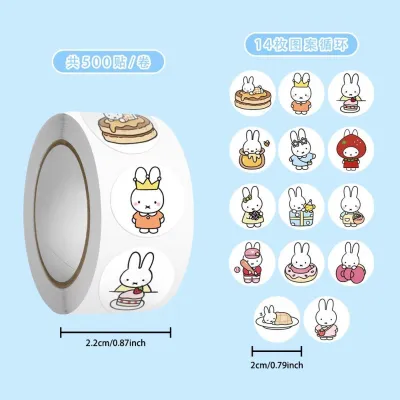
In a bustling lower primary classroom, personal belongings can easily go missing or get mixed up with classmates’ items. Utilizing Miffy name labels and waterproof stickers is an excellent way to prevent these losses. Parents can work with their children to label every individual item—including pencils, rulers, erasers, and glue sticks—with their name and class. This not only ensures the safe return of misplaced items but also teaches children to take responsibility for their personal belongings.
Safety is another paramount consideration for younger children who are just beginning to use craft tools. When shopping for scissors and adhesives, look for blunt-tip safety scissors and non-toxic glue sticks featuring Miffy packaging. Always verify that these products carry recognized safety certifications, ensuring they are free from harmful solvents or heavy metals. These child-friendly tools allow students to participate safely in art and design-and-technology projects without risk.
Middle Primary (Primary 4 to 5): Managing Increased Workloads
As students transition into middle primary, the academic workload increases, requiring them to write faster and manage a wider variety of subjects. During Primary 4 and 5, students typically transition from writing in pencil to using ink pens for their daily work. To support this transition, look for Miffy-branded gel pens or rollerball pens equipped with comfortable, rubberized ergonomic grips. Because students will be writing longer compositions and notes, a comfortable grip is essential to prevent finger fatigue and cramping.
When choosing ink pens, consider ink drying speed and paper compatibility. School-issued worksheets and exercise books in Singapore can vary in paper thickness and quality. Slow-drying gel ink can easily smudge, especially for left-handed writers, while highly fluid ink may bleed through thin paper. Before buying a large pack of Miffy pens, purchase a single pen to test its smoothness, drying speed, and bleed resistance on standard school paper. This simple check ensures that your child’s written work remains neat and legible.
The increased number of subjects also means students must carry more specialized tools. In addition to standard writing instruments, middle primary students require highlighters for active reading, color-coded pens for self-correction, and mathematical instruments such as protractors, set squares, and compasses. To keep these items organized, upgrade to a multi-compartment Miffy pencil case or a structured pouch. Having dedicated slots for delicate geometry tools protects them from damage and allows students to locate them quickly during mathematics lessons.
Organization extends beyond the pencil case to the management of worksheets and homework. With multiple subject teachers distributing loose worksheets daily, a system for organizing papers is vital. Sturdy Miffy clear L-shape folders, expanding files, or multi-pocket document organizers are excellent tools for this purpose. Assigning a specific color or design of Miffy folder to each subject—such as blue for English, green for Science, and yellow for Mathematics—helps students categorize their papers instantly, reducing the likelihood of lost homework.
Upper Primary (Primary 6): Exam Preparation and Efficiency
Primary 6 is a demanding year focused on preparation for the Primary School Leaving Examination (PSLE). At this stage, stationery choices must prioritize efficiency, reliability, and strict compliance with national examination regulations. During major examinations in Singapore, invigilators require students to place their writing tools in transparent pencil cases to prevent unauthorized materials from being brought into the exam hall. A clear, transparent Miffy vinyl pouch is the perfect solution, combining exam compliance with a touch of personal style.
Writing efficiency and comfort are critical during long, timed mock exams and actual papers. For shading Optical Answer Sheets (OAS), students require reliable 2B pencils. While traditional wooden pencils are excellent, many upper primary students prefer Miffy mechanical pencils with thick, break-resistant 1.8mm or 2.0mm leads, which allow for rapid shading of answer bubbles without the need for constant sharpening. For written papers, high-quality Miffy gel pens with quick-drying, water-resistant ink are essential to ensure that answers remain perfectly legible even if a drop of water is accidentally spilled on the exam script.
Time management and structured revision become key habits for success in Primary 6. Miffy-themed planners, study timetables, and sticky notes can play a highly motivating role in a student’s revision routine. Students can use colorful sticky notes to flag important formulas in their textbooks, mark difficult questions in past-year papers, or write down daily revision goals. A dedicated study planner helps them break down their revision syllabus into manageable daily tasks, fostering a sense of control and reducing exam-related stress.
Finally, managing the sheer volume of past-year papers, practice papers, and revision notes requires robust storage solutions. Sturdy Miffy document wallets, expanding files, and ring binders are indispensable for keeping revision materials organized by subject and topic. By archiving completed papers systematically, students can easily retrieve specific topics for review in the weeks leading up to their examinations, maximizing their study efficiency and confidence.
How to Verify Quality and Authenticity of Miffy Stationery
With the widespread popularity of Miffy, the market contains a variety of both genuine licensed products and unauthorized counterfeits. Ensuring that you purchase authentic Miffy stationery is crucial not only for supporting the original creators but also for guaranteeing the safety, durability, and quality of the items your child uses daily. When shopping, always inspect the packaging for official licensing indicators, such as holographic stickers, official brand logos, and correct copyright attributions (typically reading “Mercis bv”).
Authentic Miffy stationery undergoes rigorous quality control and safety testing, which is particularly important for items that children handle for hours at a time. Genuine products will clearly display material safety labels and non-toxic certifications, confirming that plastics are free from harmful phthalates and that inks, paints, and glues are safe for school use. Counterfeit items often bypass these safety standards, potentially exposing children to substandard materials, strong chemical odors, or skin-irritating substances.
Physical inspection is another effective way to verify quality. Authentic character stationery is built to last, featuring robust construction, smooth-running zippers, even stitching, and high-quality prints. If you are examining a Miffy pencil case or backpack, test the zipper multiple times to ensure it does not catch or split. Examine the print quality of the Miffy illustrations; genuine items feature crisp, solid black outlines and vibrant, accurate colors that match Dick Bruna’s classic color palette. Blurry prints, faded colors, or distorted character proportions are strong indicators of counterfeit goods.
To guarantee authenticity, it is best to purchase Miffy stationery from official brand stores, authorized stationery retailers, or established physical bookstores in Singapore. While unverified sellers on online marketplaces may offer lower prices, these products often lack the quality, safety certifications, and durability of genuine licensed merchandise. Investing in authentic items ensures that your child’s school supplies remain safe, reliable, and functional throughout the academic year.
Frequently Asked Questions (FAQ)
Are Miffy stationery items generally more expensive than plain alternatives?
Yes, character-branded stationery items typically carry a price premium compared to plain, generic alternatives due to licensing fees. To manage your back-to-school budget effectively, consider a hybrid shopping strategy. Invest in durable, long-lasting Miffy items that your child will use daily, such as a sturdy pencil case, a high-quality backpack, or reusable document folders. For high-turnover, consumable items like standard wooden pencils, erasers, glue sticks, and correction tapes, opt for plain, high-quality options purchased in bulk. Additionally, keep an eye out for back-to-school promotions, bundles, or stationery sets at authorized retailers, which often provide better value than purchasing individual items separately.
How can I clean a fabric Miffy pencil case without ruining the print?
To clean a fabric Miffy pencil case without damaging the printed design, start by checking the manufacturer’s care label inside the pouch for specific washing instructions. For minor dirt, dust, or light ink stains, spot cleaning is the safest method. Dampen a soft microfiber cloth with lukewarm water and a small drop of mild, non-bleach liquid soap, then gently dab the stained area without rubbing aggressively. Avoid using harsh chemical solvents, bleach, or abrasive scrubbing pads, as these can strip the print, fade the colors, or damage the fabric fibers. Once clean, allow the pencil case to air dry completely in a well-ventilated indoor area away from direct sunlight, which can cause the vibrant colors to fade over time.

Community discussion
Share your experience or ask a question. Comments are reviewed before publication.