
Selecting the right small paper gift bag in Singapore involves balancing aesthetic appeal with structural integrity. While brand names can offer a sense of reliability, the true quality of a paper bag lies in its material specifications, construction methods, and finish. By understanding how to evaluate these physical attributes, you can confidently source durable and elegant bags from local stationery shops, online marketplaces, or specialized packaging suppliers to suit any gifting occasion.
Key Quality Indicators for Small Paper Gift Bags
To determine the quality of a small paper gift bag, start by examining the paper weight, which is measured in grams per square meter (gsm). Standard utility bags typically use paper weighing between 80 gsm and 120 gsm, which is suitable for lightweight items like greeting cards, stickers, or small accessories. For a premium feel and better durability, look for bags made from paper weighing 150 gsm to 250 gsm. Heavier paper resists creasing, holds its shape when placed on a flat surface, and presents a much more professional appearance.
The type of paper material also dictates both the look and strength of the bag. Natural kraft paper, recognizable by its classic brown or bleached white appearance, offers excellent tensile strength and a rustic, eco-friendly aesthetic. Coated art paper, on the other hand, features a smooth surface that allows for high-resolution color printing and sharp graphics. If you plan to write a personalized message directly on the bag, perform a quick trial on an inconspicuous area, such as the inside fold, to check for ink bleeding or feathering. Uncoated kraft paper absorbs ink quickly but can cause feathering with fountain pens, while coated surfaces may cause slow drying and smudging, requiring a quick-drying gel pen or permanent marker.
Products mentioned in this guide

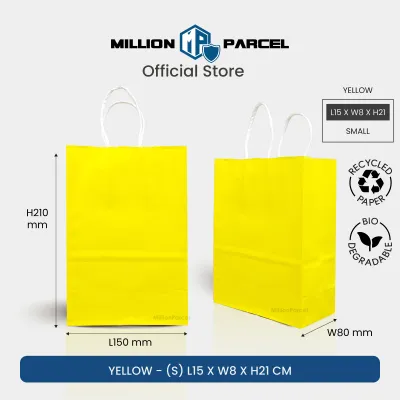
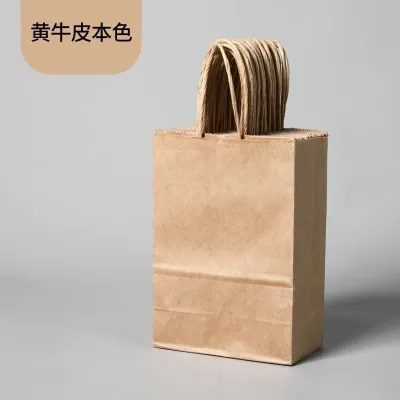
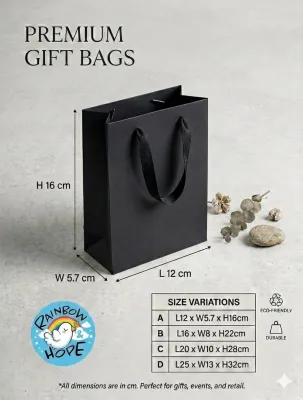
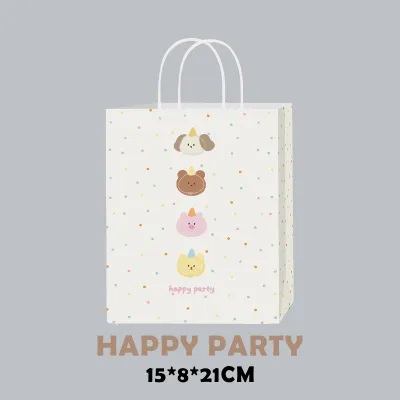

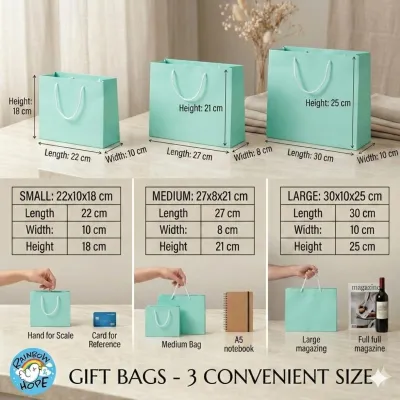

Prices are valid at publication and may change. Please refer to the product page for the latest price.
Next, evaluate the handle construction and base reinforcement, which are critical for safe carrying. High-quality bags feature handles made from twisted paper, braided cotton rope, or satin ribbon. For rope and ribbon handles, look for metal eyelets reinforcing the holes, or ensure the knots inside are large and secure enough not to slip through. The base of the bag should always include a thick, glued-in cardboard reinforcement board; this insert distributes the weight of the gift evenly across the bottom seam, preventing the paper from sagging or bursting under pressure.
Finally, consider the surface treatment of the paper. Matte or glossy lamination not only enhances the visual depth of the printed design but also serves as a protective barrier. In Singapore’s highly humid climate, uncoated paper can absorb moisture from the air, causing it to soften and lose its structural rigidity over time. A laminated finish provides essential moisture resistance, ensuring the bag remains crisp and pristine from the moment you wrap the gift to the time it is received.
Matching Bag Dimensions to Your Gift Items
Selecting a small paper gift bag that perfectly matches the dimensions of your item is essential for both presentation and protection. Before purchasing, measure your gift’s maximum length, width, and depth using a ruler. As a general rule, select a bag that offers at least 1 to 2 centimeters of clearance on all sides. This extra space ensures that the gift slides in and out easily without catching on the paper, which can tear the top edge of the bag or damage the gift’s packaging.

The shape of the bag’s bottom should align with the geometry of the gift. Flat paper bags, which lack side gussets, are ideal for flat items such as stationery sets, art prints, or thin books. For three-dimensional items like small jars, candles, or jewelry boxes, choose a square-bottom or fully gusseted bag. These designs expand to create a stable, flat base, allowing the bag to stand upright on its own and preventing the gift from tipping over during transport.
If you plan to use decorative tissue paper or shredded paper filler, you must factor this into your height calculations. Leave approximately 3 to 5 centimeters of empty space at the top of the bag above the gift. This clearance allows the tissue paper to tuft elegantly out of the opening without compressing the gift or forcing the bag’s sides to bulge outward. Overstuffing a bag distorts its clean lines and puts unnecessary tension on the side seams and handle attachments.
Where to Source Reliable Paper Bag Brands in Singapore
Finding high-quality small paper gift bags in Singapore is straightforward if you know where to look. For immediate gifting needs, physical retail stores remain the most reliable option. Visiting established stationery chains, lifestyle bookstores, and specialty gift shops located in major shopping malls allows you to inspect the bags firsthand. You can physically feel the paper thickness, test the flexibility of the handles, and check the quality of the adhesive seams before making a purchase, ensuring you get exactly what you need.
For a wider variety of designs or bulk purchases, online marketplaces and local e-commerce platforms offer extensive catalogs. When shopping online, avoid listings with vague descriptions and instead look for sellers that explicitly state the paper weight in gsm and detail the handle materials. Read customer reviews carefully, paying close attention to user-uploaded photos that show how the bags look upon delivery. It is also wise to verify the seller’s return and refund policies to protect yourself against items that might arrive bent or creased during transit.
If you require customized branding, specific eco-friendly certifications, or large quantities for events, sourcing directly from local packaging suppliers is the most efficient route. Many packaging wholesalers located in Singapore’s industrial estates, such as Ubi, Kallang, or Toa Payoh, cater to both corporate clients and individual buyers. These suppliers often provide FSC-certified (Forest Stewardship Council) paper options, ensuring the wood pulp is sourced from responsibly managed forests, and offer professional customization services like hot foil stamping or custom color printing.
Pre-Use Inspection and Assembly Checklist
Before placing your gift inside the bag, take a moment to perform a quick quality inspection to ensure the packaging does not fail at a critical moment. Begin with a visual check of the exterior and interior. Look for any printing defects, misaligned graphics, or visible glue residue along the seams. Gently tug on both handles to verify that the adhesive patches holding them to the inner wall are fully bonded and that there are no signs of peeling.
When unfolding the bag, handle it with care to preserve its clean, crisp appearance. Reach inside and gently push the bottom cardboard insert down until the base is completely flat, supporting the outer corners with your other hand. Avoid forcing the folds or shaking the bag open aggressively, as this can create unsightly wrinkles on the main panels and weaken the structural integrity of the paper creases.
Once the bag is assembled, place your gift inside and test the weight distribution. Lift the bag by its handles a few inches off a flat surface to observe how it behaves. If the bottom cardboard bows downward significantly or if you hear the faint sound of paper straining, the item is too heavy for that specific bag. If you notice any micro-tears forming around the handle eyelets or along the bottom seams, discard the bag immediately and opt for a heavier-duty packaging solution.
Frequently Asked Questions (FAQ)
Can small paper gift bags hold heavy items like books or candles?
Small paper gift bags can hold heavier items like books, small glass jars, or candles, provided they are constructed specifically for that purpose. To safely carry these denser objects, look for bags made from heavy-duty paper (at least 180 gsm to 250 gsm) and equipped with a thick, rigid cardboard base insert. Handles made of braided rope or ribbon that are threaded through metal eyelets offer much better load-bearing capacity than simple paper handles glued to the interior surface. If the bag is made of thin, lightweight kraft paper (under 100 gsm) without a reinforced base, it is best reserved for lightweight gifts like clothing, cards, or small plastic items to prevent the bottom from tearing open.
How do I store unused paper gift bags to prevent damage?
To keep your unused paper gift bags in pristine condition for future use, store them flat in a cool, dry environment. Avoid keeping them in areas prone to high humidity, such as laundry rooms or damp cupboards, as moisture can soften the paper fibers, weaken the adhesive seams, and cause the bags to warp. Keep them out of direct sunlight to prevent the colors and printed designs from fading over time. A shallow plastic storage bin or a dedicated drawer in your wardrobe is ideal for keeping the bags organized, dust-free, and protected from accidental creasing or tearing.

Community discussion
Share your experience or ask a question. Comments are reviewed before publication.