
Finding the ideal greeting card in Singapore involves balancing tactile quality, design aesthetics, and the specific tone of the occasion. Whether you are celebrating a milestone birthday, a formal wedding, or a traditional cultural festival, the physical feel of the card speaks volumes before the recipient even reads your handwritten message. By understanding paper weights, printing finishes, and retail options across the island, you can confidently select a card that feels premium and matches your budget.
Key Factors for Evaluating Greeting Card Quality
To assess the physical and aesthetic quality of a greeting card, start by examining the paper weight and texture. Paper thickness is typically measured in grams per square meter (GSM). High-quality greeting cards generally use cardstock ranging from 250 GSM to 350 GSM or higher. A card printed on 250 GSM cardstock is standard and lightweight, while 300 GSM offers a sturdy, professional feel. Cards that reach 350 GSM or more feel exceptionally luxurious and can stand upright on a shelf or desk for weeks without bowing, warping, or folding under their own weight.
The finish of the paper also plays a significant role in both visual appeal and writing comfort. Uncoated or matte cardstock offers a classic, tactile feel and is highly receptive to most pen inks, making it the ideal choice for long, heartfelt messages. Textured papers, such as felt-marked, linen, or cotton rag, add a premium, artisanal dimension that elevates simple designs. Linen paper features a subtle cross-hatch texture resembling fabric, while cotton paper is soft, thick, and highly absorbent, making it the gold standard for traditional printing methods. Conversely, glossy or coated finishes make colors pop and illustrations appear vibrant, though they require specific writing instruments to prevent smudging.
Products mentioned in this guide


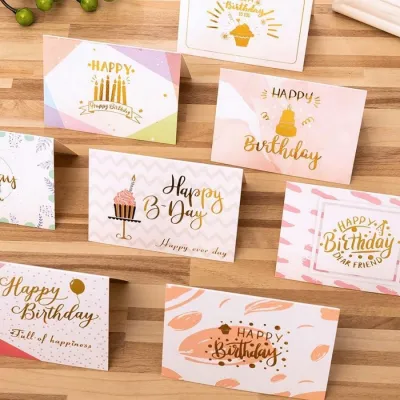
![[MIN 3 CARDS] 🇸🇬SG Punny Teacher Appreciation Card Special Editions for Graduation Greeting Thank You Heartfelt Support Message Card](https://img.lazcdn.com/g/ff/kf/S46b8562713de4564b8cea4c9945a655fF.jpg_400x400q80.jpg_.webp)

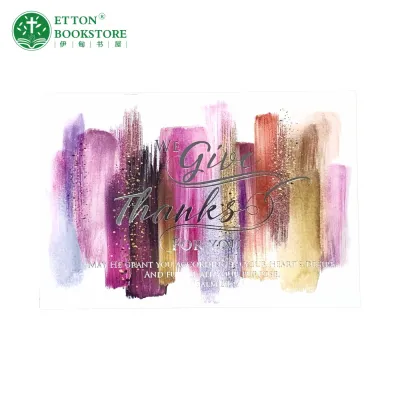
![[Local stocks] Christmas Cards (7 pcs per set)](https://img.lazcdn.com/g/ff/kf/Saac458d2087b4e9ebb2750d17b38660bJ.jpg_400x400q80.jpg_.webp)
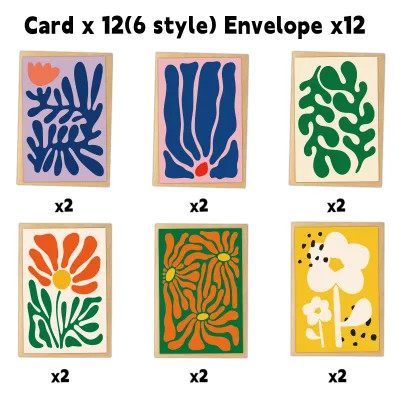
Prices are valid at publication and may change. Please refer to the product page for the latest price.
Beyond the paper itself, printing and finishing techniques indicate the level of craftsmanship. Foil stamping, which applies metallic foil to specific design elements, adds a reflective, luxurious touch in gold, silver, rose gold, or holographic tones. Embossing and debossing create raised or recessed patterns in the paper, offering a tactile experience that flat printing cannot replicate. Letterpress printing, a traditional technique where inked plates are pressed deep into thick cotton paper, leaves a distinct, high-end impression that you can feel with your fingertips.
Structural integrity is another critical quality marker. Examine the fold of the card; a clean, crisp crease without cracking along the spine indicates professional scoring and folding. The card should align perfectly at the edges when closed, without any overlapping or misaligned corners. Additionally, evaluate the accompanying envelope. A premium card should come with a sturdy envelope, typically 100 GSM to 120 GSM, that matches the card’s dimensions and offers a secure seal to protect your message during transit. Thin, translucent envelopes of 80 GSM or less often tear easily and fail to protect the card inside.
Finally, look for sustainability indicators on the packaging or the back of the card. Many modern stationery brands print environmental certifications directly on their products. Look for labels indicating the use of recycled post-consumer waste (PCW) or certifications from organizations like the Forest Stewardship Council (FSC). These markings verify that the paper was sourced from responsibly managed forests, allowing you to make an environmentally conscious purchase without sacrificing aesthetic appeal.
Matching Card Styles to Specific Occasions
Selecting the right card style requires matching the design, materials, and overall tone to the specific life event or holiday. For birthdays and casual milestones, you have the greatest creative freedom. Vibrant colors, playful illustrations, and humorous messages are highly appropriate. Pop-up cards and three-dimensional paper engineering work exceptionally well for these occasions, offering a sense of surprise and playfulness that appeals to all ages. Interactive elements, such as scratch-off panels or pull-tabs, also add an engaging layer to casual greetings.

For weddings, formal anniversaries, and solemn celebrations, the aesthetic should lean toward elegance and sophistication. Minimalist designs, delicate floral illustrations, and muted or pastel color palettes are classic choices. Look for cards featuring premium finishes like gold foil accents, letterpress text, or elegant calligraphy. The envelope should also reflect this formality, perhaps featuring a textured liner or a wax seal compatibility to enhance the opening experience. Avoid overly casual jokes or loud, neon colors for these significant life milestones.
Cultural and religious festivals celebrated in Singapore, such as Lunar New Year, Hari Raya, Deepavali, and Christmas, require careful attention to traditional motifs and color palettes. For instance, red and gold are auspicious for Lunar New Year, often featuring intricate paper-cutting designs or zodiac animals. Green and yellow tones, accompanied by ketupat motifs and crescent moons, are common for Hari Raya. Deepavali cards often showcase bright, vibrant colors with oil lamps (diyas) and geometric rangoli patterns, while Christmas cards lean toward festive greens, reds, and botanical illustrations. Opting for cards that blend traditional symbols with modern design elements can make your greeting feel both contemporary and deeply respectful.
When choosing a card for professional or corporate settings, such as thanking a client, congratulating a colleague, or marking a work anniversary, maintain a polished and neutral tone. Avoid overly personal jokes, highly casual language, or religious themes unless appropriate for the recipient. Instead, select clean, geometric designs, high-quality solid-colored cardstock, and simple, elegant typography. A well-chosen corporate card reinforces professional relationships while demonstrating attention to detail and respect.
Navigating Greeting Card Brands and Retailers in Singapore
Singapore offers a diverse retail landscape for greeting cards, ranging from local independent stationery labels to international commercial brands. Local independent labels often focus on artisanal quality, featuring unique hand-drawn illustrations, local cultural references, and small-batch printing. These cards are ideal when you want a highly distinctive design that showcases Singaporean heritage, local food illustrations like durian or kaya toast, or lighthearted local humor. They are typically printed on high-quality, textured paper stocks and support the local creative community.
International commercial brands, on the other hand, provide excellent consistency, widespread availability, and standard sizing. These brands are highly reliable when you need a classic, universally appealing design or a specific licensed character. Because they are produced on a larger scale, they often feature complex manufacturing techniques like intricate laser cutting, multi-layered pop-up structures, or sound chips at a consistent quality level. They also adhere strictly to standard envelope sizes, making them easy to mail.
When deciding where to shop, physical bookstores and specialty gift shops offer the advantage of tactile inspection. You can feel the paper weight, check the fold precision, and see the true colors under natural light. Specialty boutiques in areas like Orchard Road, Bugis, or local heritage districts often curate unique selections from both local and global designers, making them excellent destinations for finding standout cards. Large bookstore chains across the island also carry a reliable range of commercial and semi-premium cards for last-minute purchases.
Online marketplaces and ecommerce platforms offer convenience and a vast selection, but they require extra vigilance to ensure quality. When shopping online, always read the product descriptions carefully to check for paper specifications, such as GSM weight and finish type. Look for detailed seller reviews and customer-uploaded photos to verify that the physical product matches the digital listing. Many local independent designers also run their own direct-to-consumer websites, which often provide the most accurate product details, direct customer support, and exclusive designs not found in physical retail stores.
Balancing Budget and Quality for Different Purchasing Needs
Managing your stationery budget does not mean you have to sacrifice quality. If you frequently send cards throughout the year, a cost-per-card analysis reveals that purchasing multipacks or boxed sets is highly economical. While a single premium card might carry a higher price tag, boxed sets of standard cards often reduce the cost per card significantly. Use these bulk options for casual occasions, thank-you notes, or large holiday mailings, and save individual premium purchases for major milestones like weddings or milestone birthdays.
You can also find excellent value by comparing local artisan brands with mass-produced commercial options. While mass-produced cards sometimes carry a premium price tag due to licensing or import costs, local independent designs often offer excellent paper quality and unique artwork at a comparable or lower price point. Supporting local creators not only provides you with a more distinctive product but also ensures your spending goes directly toward supporting the local creative community.
When shopping in physical stores, take the time to inspect the cards carefully before purchasing. Gently feel the thickness of the card and the envelope, and check for any bent corners, scuff marks, or fading from display lights. If you are buying online and cannot inspect the card physically, prioritize listings that provide clear close-up photos of the paper texture and specify the exact paper weight. This reduces the risk of receiving a flimsy or poorly printed card that does not meet your expectations.
Ultimately, decide when to invest in premium finishes and when to opt for simplicity. For once-in-a-lifetime events like weddings, silver anniversaries, or major career achievements, investing in a card with luxurious foil stamping, heavy letterpress paper, or intricate laser-cut details is highly justified. For more frequent or casual occasions, a simpler, high-quality matte cardstock card is fully sufficient. Remember that a heartfelt, neatly handwritten message inside a clean, well-made standard card often carries far more emotional value than the most expensive embellishments.
Frequently Asked Questions (FAQ)
How can I prevent ink from smudging on glossy greeting cards?
To prevent ink from smudging on glossy or coated cardstock, it is essential to choose the right writing instrument. Avoid slow-drying gel pens, liquid ink rollerballs, and fountain pens, as these inks cannot easily penetrate the non-porous glossy coating and will pool on the surface. Instead, opt for a standard ballpoint pen, which uses a quick-drying, oil-based ink, or a fine-tipped permanent marker designed to write on glossy surfaces.
Before writing your final message, test your chosen pen on a small, inconspicuous area of the card, such as the inner fold or the back corner, to check the drying time. If you must use a gel pen, allow the card to sit open and undisturbed for several minutes after writing. You can also gently press a clean piece of blotting paper or a dry tissue over the writing to absorb any excess ink before folding and inserting the card into its envelope.
Are there eco-friendly greeting card options available locally?
Yes, eco-friendly greeting cards are widely available in Singapore, and you can verify their sustainability by looking for specific certifications and material indicators. Check the back of the card or the packaging for the Forest Stewardship Council (FSC) logo, which guarantees that the paper comes from responsibly managed forests. Additionally, look for labels indicating that the card is made from 100% recycled post-consumer waste, which significantly reduces the environmental footprint of production.
Another highly sustainable option is plantable seed paper, which is made from biodegradable paper embedded with wildflower or herb seeds. Once the recipient has enjoyed the card, they can plant it in soil, water it, and watch the seeds grow into live plants. When purchasing seed paper, verify that the seeds used are suitable for Singapore’s tropical climate and that the inks used are water-based or soy-based, ensuring they do not introduce harmful chemicals into the soil.

Community discussion
Share your experience or ask a question. Comments are reviewed before publication.