
Selecting the right fur fabric requires balancing three core technical properties: weight, stretch, and backing type. To make an informed choice, you must match the physical structure of the fabric to the functional demands of your sewing project. A heavy, woven-backed fur provides the structure needed for a tailored winter coat, while a lightweight, knit-backed fur offers the flexibility required for comfortable, form-fitting apparel. By systematically evaluating how these elements interact, you can ensure your finished piece has the correct drape, durability, and professional finish.
Clarify Project Needs Before Selecting Fur Fabric
Before browsing fabric bolts, clearly define the primary purpose of your creation. A plush throw blanket for an air-conditioned living room in Singapore requires a completely different material profile than a structured cosplay costume or a travel coat designed for sub-zero temperatures. Understanding the environment in which the item will be used helps you determine the necessary warmth, breathability, and weight.
Drape and volume are critical aesthetic factors that depend heavily on your project’s end-use. Flowing garments like vests or lightweight wraps need a fur fabric that moves naturally with the body, whereas structured items like plush toys, cushions, or heavy outerwear require a stiffer, more supportive material. If the fabric is too rigid, a delicate garment will look bulky and awkward; if it is too soft, a structured item will sag and lose its shape.
Products mentioned in this guide
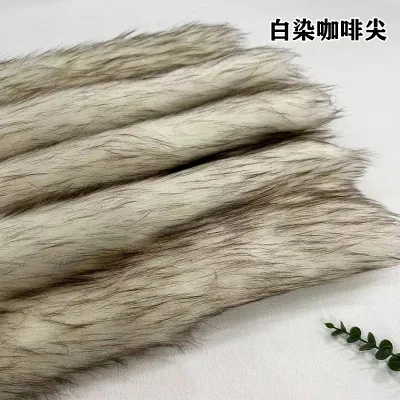
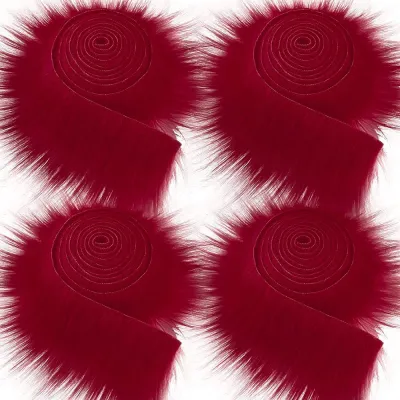
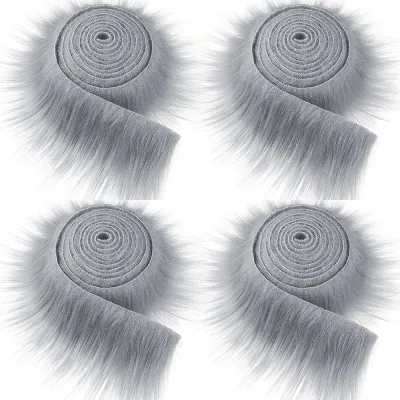
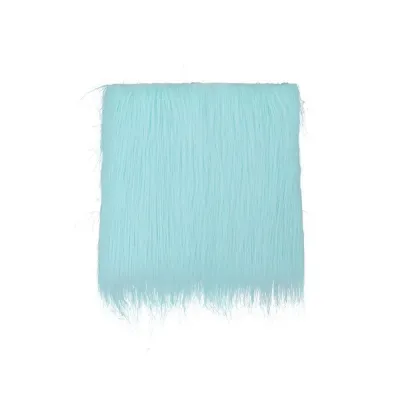
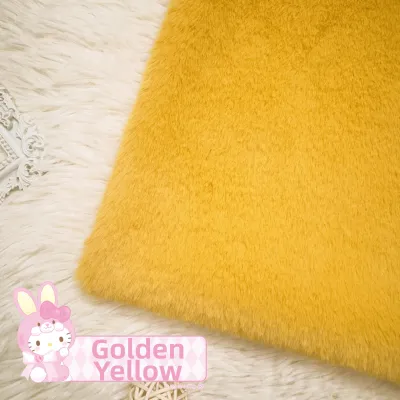
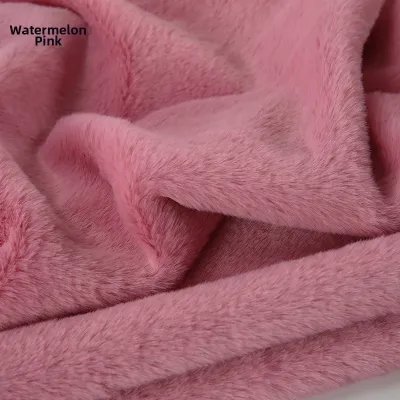
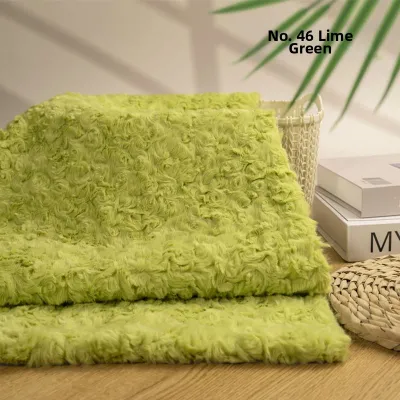
Prices are valid at publication and may change. Please refer to the product page for the latest price.
Care and maintenance expectations must also be established early in the planning phase. Faux fur fabrics can be highly sensitive to heat and agitation, meaning some will require professional dry cleaning while others can handle a gentle, cold-water machine wash. Consider how frequently the item will be worn or handled, as everyday accessories and children’s toys will need a much more durable, easily washable backing than an occasional-wear fashion piece.
Match Fabric Weight to Drape and Silhouette
Fabric weight is typically measured in grams per square meter (GSM), directly influencing how the material hangs and behaves. Lightweight fur fabrics, often featuring a shorter pile and a thinner backing, are ideal for layering pieces, linings, and garments that require a fluid, organic drape. These materials conform easily to the body’s contours without adding excessive bulk, making them highly versatile for transitional fashion.

In contrast, medium-to-heavyweight fur fabrics excel at creating dramatic, structured silhouettes. These denser materials provide excellent wind resistance and thermal insulation, making them the standard choice for heavy winter coats, upholstery, and robust home decor items. However, this weight comes with increased thickness, which requires careful planning during the construction process to prevent your sewing machine from struggling.
Managing bulk at the seams, darts, and hems is one of the most important technical challenges when working with heavier fur. To achieve clean, professional edges, you will often need to shave or shear the pile within the seam allowances before stitching. This technique reduces the thickness of the seam, allowing your sewing machine to pass smoothly over intersecting lines and preventing unsightly, bulging ridges on the exterior of the project.
Additionally, always verify the usable width of the fabric roll before purchasing your yardage. Fur fabrics often have wide, unfinished selvages that cannot be used in the final pattern pieces. Because you must cut all pattern pieces in the same direction to respect the “nap” or pile direction, you will generally need more yardage than you would for standard flat fabrics, especially when working with narrow bolts.
Assess Stretch and Recovery for Garment Fit
The elasticity of a fur fabric determines how well it conforms to movement and whether it is suitable for fitted apparel. You must distinguish between two-way stretch, which typically extends from selvage to selvage, and four-way stretch, which expands both horizontally and vertically. Garments that require a close, comfortable fit, such as pullovers, hats, or performance costumes, rely on four-way stretch to allow unrestricted body movement.
Before cutting into your main fabric, perform a manual recovery test on a small swatch to evaluate its elasticity. Stretch the swatch firmly along the grain, hold it for a few seconds, and then release it to observe how quickly and completely it returns to its original shape. Fabrics with poor recovery will sag, stretch out of shape permanently during wear, or develop distorted, wavy seams that ruin the garment’s clean lines.
If your project requires a stretch fur but features high-stress areas like shoulder seams, necklines, or pocket openings, you must plan to stabilize these sections. Incorporating clear elastic, twill tape, or lightweight fusible interfacing into the seams prevents the weight of the fur from pulling the garment out of alignment over time. This stabilization ensures that the garment retains its intended fit and structure through repeated wear and laundering.
Choose the Right Backing for Stability and Sewing
The backing of a fur fabric acts as its foundation, dictating how the material behaves under the needle and how it holds its shape over time. Woven backings, which are created by interlacing threads at right angles, offer exceptional stability and virtually no stretch. This makes them incredibly easy to cut and sew, making them the preferred choice for structured coats, heavy jackets, and home decor projects like throw pillows or upholstery.
Knit backings, on the other hand, are constructed from interlocking loops of yarn, providing inherent flexibility and a softer hand feel. These backings are ideal for cozy loungewear, scarves, and fitted accessories where comfort and drape are paramount. Because knit backings can stretch and distort under the pressure of a standard sewing machine foot, they require careful handling, pins, or a walking foot to ensure even feeding.
For specialized projects, you may encounter fur fabrics with faux leather, polyurethane, or faux suede backings. These materials offer excellent windproofing and a premium, finished look on the inside of unlined garments, but they present unique sewing challenges. They tend to stick to standard metal presser feet and can be permanently scarred by standard pins, requiring you to use a Teflon or roller foot, sewing clips, and specialized leather or denim needles to pierce the dense backing without skipping stitches.
Inspect Quality and Prepare Fabric for Cutting
Conducting a thorough quality inspection before you begin cutting can save hours of frustration later in the sewing process. Gently tug on the pile fibers of a fabric swatch to check for excessive shedding, which can indicate poor manufacturing or weak fiber binding. Additionally, inspect the backing to ensure there are no bald spots, uneven pile distribution, or separation between the fur fibers and the base material.
Always consult and follow the manufacturer’s care instructions regarding pre-treatment before you lay out your pattern pieces. If the fabric is washable, pre-washing it in the same manner you plan to clean the finished item accounts for any potential shrinkage and removes manufacturing residues. Avoid exposing faux fur to high heat in a dryer, as synthetic fibers can melt or become permanently frizzy, ruining the soft texture.
When you are ready to cut, flip the fabric over so the backing faces upward, and use a chalk marker to trace your pattern pieces, paying close attention to the pile direction, which should point downward toward the hem. Instead of using standard fabric shears, which will slice through the fur fibers and create a massive mess, use a sharp utility knife, razor blade, or craft knife. Carefully slice through the backing material only, then gently pull the pieces apart to keep the long fur fibers intact along the cut edges.
Frequently Asked Questions (FAQ)
How do I prevent fur fabric from shedding excessively?
To minimize shedding, always cut your pattern pieces from the backing side using a utility knife or razor blade, slicing only the backing fabric rather than the fur fibers themselves. Once the pieces are cut, take them outdoors and give them a vigorous shake, or use an upholstery brush attachment on a low-suction vacuum to remove loose, severed fibers from the edges. Finally, finish all raw edges immediately using a serger, a wide zigzag stitch, or by binding them with bias tape to lock the remaining backing fibers securely in place.
What type of needle and thread should I use for different backings?
The ideal needle depends entirely on the thickness and construction of your fabric’s backing. For flexible knit backings, use a ballpoint or stretch needle (size 80/12 or 90/14) to prevent skipped stitches and avoid cutting the knit loops. For stable woven backings, a standard universal needle works well, while dense faux leather or suede backings require a sharp denim or leather needle (size 90/14 or 100/16) to pierce the tough material cleanly. Across all backing types, use a high-quality, 100% polyester thread, which provides the necessary strength, durability, and slight elasticity to withstand seam stress.

Community discussion
Share your experience or ask a question. Comments are reviewed before publication.