
Finding the right artist brush in Singapore requires matching your current skill level with the correct bristle material, construction quality, and paint medium. Whether you are a hobbyist exploring watercolors in a home studio or an experienced painter working on archival oil canvases, the market offers a vast range of options from budget-friendly synthetic packs to premium, hand-crafted natural hair brushes. Navigating these choices involves understanding how different brands categorize their products, verifying their physical characteristics, and selecting tools that complement your specific painting techniques.
By focusing on observable quality indicators rather than brand prestige alone, you can build a reliable collection of brushes that support your creative growth. This guide outlines the essential criteria for evaluating brushes at every stage of your artistic journey, helping you make informed decisions before purchasing from local retailers or online marketplaces.
Understanding Brush Anatomy and Medium Compatibility
Every artist brush consists of three primary components: the bristles (or tuft), the ferrule, and the handle. The materials used in these components directly affect how the brush holds paint, releases color, and maintains its shape over time. Understanding how these parts interact is the first step in selecting a brand that matches your preferred medium.
Products mentioned in this guide
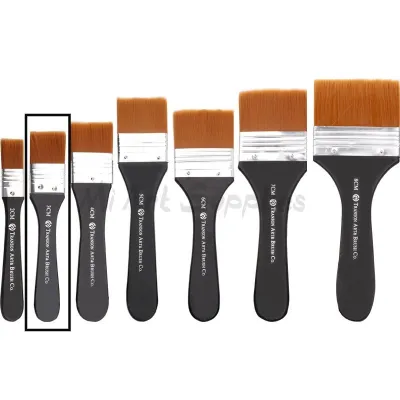
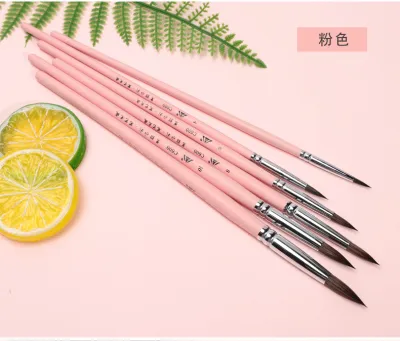
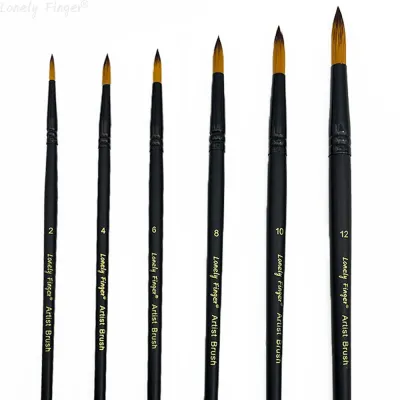
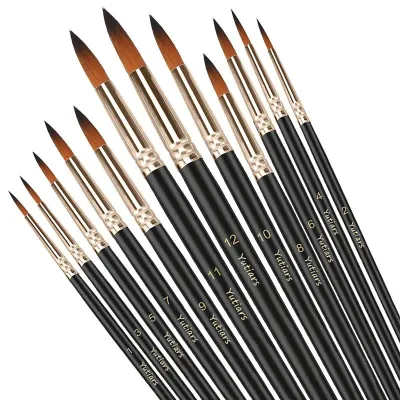
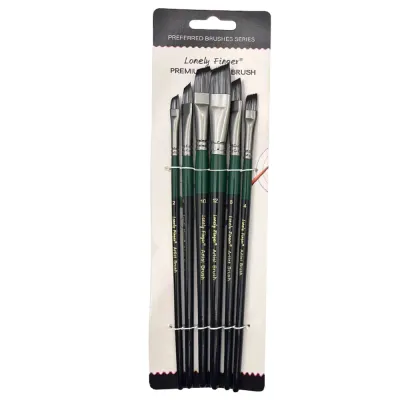
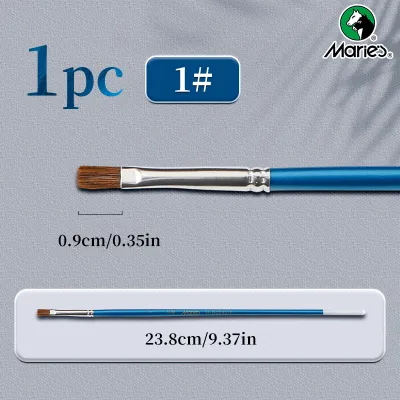
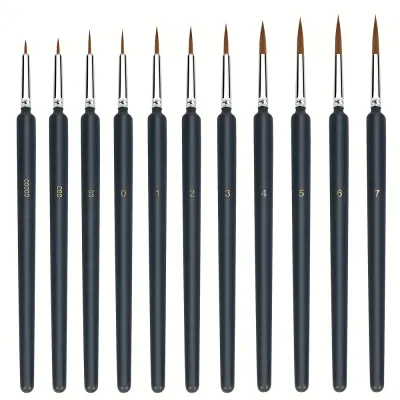
Prices are valid at publication and may change. Please refer to the product page for the latest price.
Bristles are broadly categorized into natural hair and synthetic fibers. Natural hair, such as sable, squirrel, goat, or hog bristle, features microscopic scales along the shaft that naturally hold and gradually release water-based mediums like watercolor and gouache. However, natural hair can degrade quickly when exposed to the heavy binders in acrylic paints or the harsh solvents used in oil painting. Synthetic bristles, typically made from nylon or polyester, are highly durable, resist the caustic nature of acrylics, and offer excellent spring—the ability of the brush to snap back to its original shape after a stroke.
The ferrule is the metal band that secures the bristles to the handle. High-quality brushes feature seamless ferrules made of nickel-plated brass, copper, or anodized aluminum. Cheaper brushes often use seamed ferrules, which have a visible joint where the metal is wrapped. Seamed ferrules are highly prone to splitting under pressure and allowing water to seep into the handle, which eventually rusts the metal and rots the wood.
Handle length is another critical factor tied to your painting style. Short handles, usually measuring 15 to 20 cm, are designed for close-up, detailed work where the painting surface lies flat, such as watercolor illustration or calligraphy. Long handles, measuring 25 to 35 cm, are intended for easel painting with acrylics or oils, allowing you to stand back and view the entire composition from a distance.
Before purchasing any brush, always check the manufacturer’s product labels and specifications for medium compatibility. Look for explicit indicators such as “designed for watercolor,” “suitable for heavy-body acrylics,” or “solvent-resistant.” Verifying these labels ensures that the adhesive holding the bristles inside the ferrule will not dissolve during use or cleaning.
Evaluating Brands for Beginners
For those just starting out, student-grade brushes offer a practical balance of durability, ease of use, and affordability. These brushes are designed to withstand the typical learning curve, which often involves heavy-handed strokes, improper cleaning habits, and prolonged exposure to paint. They almost exclusively utilize synthetic fibers, which are far more resilient than delicate natural hairs.

When evaluating student-grade brands, the primary trait to look for is basic shape retention. A reliable beginner brush must be able to hold a clean edge or point when wet and return to its original shape after touching the canvas. You can test this dry spring in-store by gently pressing the brush tip against your finger and observing how quickly and cleanly it snaps back.
Warning signs of poor quality are often easy to spot, regardless of how a brand is marketed. Excessive shedding is a major indicator of poor construction; if bristles pull out easily when you run your fingers gently through a dry brush, the adhesive inside the ferrule is insufficient. Additionally, check for loose ferrules that wobble on the handle, unevenly trimmed tufts, or split tips that prevent clean line work.
If you are purchasing beginner sets from online marketplaces, pay close attention to return policies and user feedback regarding shedding. While multi-pack brush sets are highly economical—often costing under S$15 for a complete variety of shapes—investing in a few individually sold student brushes from established stationery brands can provide a much more consistent and frustrating-free learning experience.
Stepping Up: Intermediate Brand Considerations
As your painting techniques become more refined, student-grade brushes may begin to limit your progress. Intermediate brushes bridge the gap by offering better control, higher paint capacity, and more specialized shapes. This tier often introduces blended bristles, which combine synthetic fibers with a small percentage of natural hair to provide the benefits of both materials.
At the intermediate level, you will want to explore specialized brush shapes beyond the standard round and flat options. Filberts, which feature a flat shape with a curved tip, are excellent for soft blending and organic forms. Fan brushes are ideal for creating textures like foliage or water ripples, while riggers (or liner brushes) feature long, thin bristles designed for continuous, fine line work. Dagger brushes allow you to transition from thick strokes to razor-thin lines with a single wrist movement.
Evaluating the cost-to-performance ratio becomes essential during this transition. Rather than buying large, generic sets where many shapes go unused, focus on purchasing individual intermediate brushes that target the specific demands of your current projects. A reliable intermediate brush typically ranges from S$8 to S$25, offering a noticeable upgrade in paint flow and spring without the extreme cost of professional tools.
It is important to note that brush sizing standards are not universal across different brands. A size 6 round brush from one manufacturer might be significantly larger or smaller than a size 6 from another. To avoid compatibility issues, check the manufacturer’s sizing charts for the exact physical dimensions of the brush head, including the width at the ferrule and the length of the visible bristles.
Professional-Grade Brand Selection and Investment
Professional-grade brushes are precision instruments crafted for archival work, exceptional color-carrying capacity, and long-term durability. These brushes are often hand-assembled or hand-finished by skilled craftspeople, utilizing premium natural hairs like Kolinsky Red Sable for watercolors or Chunking Hog Bristle for heavy-body oils.
Craftsmanship markers are highly visible in professional-grade lines. Look for hand-tied knots, where the hair is carefully shaped and tied before being secured inside the ferrule, ensuring the natural, tapered tips of the hair remain intact. The ferrules are typically made of heavy-gauge, seamless nickel-plated copper, which resists corrosion even when exposed to harsh solvents and high humidity over many years.
Because professional brushes represent a significant financial investment—with single brushes often priced from S$30 to well over S$100—they require strict maintenance and care. Natural hair brushes can easily lose their natural oils and split if cleaned with harsh detergents or left with dried paint near the ferrule. They are also more susceptible to environmental factors, meaning they must be stored properly to prevent mold growth in humid climates.
Before investing in premium brushes, always consult the manufacturer’s official care guides to understand the specific cleaning agents and storage conditions required. If you are unsure whether a high-end brush series fits your painting style, seeking advice from experienced local artists or professional art instructors can help verify if the investment is justified for your specific techniques.
Where to Verify and Purchase Art Supplies
Singapore offers several reliable avenues for sourcing authentic artist brushes and verifying their quality in person. Visiting dedicated art supply stores and specialized stationery retailers, particularly those located in hubs like Bras Basah Complex, allows you to physically handle the brushes, inspect the ferrule crimping, and test the dry spring of the bristles before making a purchase.
When shopping online, it is best to use official brand stores or authorized distributors on local e-commerce platforms to avoid counterfeit products. Counterfeit professional brushes often use cheap, dyed synthetic fibers that mimic the appearance of natural hair but fail to hold water or maintain a point, leading to poor performance.
Before finalizing any online purchase, verify the seller’s ratings, customer reviews, and shipping policies. Because brush bristles are delicate and easily damaged, ensure the seller packages them with protective plastic tubes over the brush heads to prevent bending or splitting during transit. Checking these details beforehand helps guarantee that your tools arrive in pristine, ready-to-use condition.
Frequently Asked Questions (FAQ)
How do I clean and maintain synthetic versus natural brushes?
For synthetic brushes used with acrylic paints, rinse them immediately after use in lukewarm water and mild soap, as dried acrylic paint acts like plastic glue and will permanently ruin the bristles. For natural hair brushes used with watercolors or oils, use a dedicated, gentle brush cleaner or mild conditioning soap to preserve the natural oils in the hair and prevent them from becoming brittle. Always reshape the damp bristles with your fingers and dry the brushes flat on a clean towel or hanging head-down; drying them upright allows water to pool inside the ferrule, which dissolves the adhesive and rots the wooden handle. Replace any brush once the bristles permanently split, lose their spring, or shed continuously during painting.
Does a higher price always guarantee a better brush for my current skill level?
No, a higher price does not automatically guarantee a better painting experience if the brush does not match your current technique or medium. Professional natural hair brushes are delicate and can be easily ruined by aggressive scrubbing, heavy-handed strokes, or improper cleaning methods common during the learning phase. Student-grade and intermediate synthetic brushes are far more resilient, forgiving, and cost-effective for practicing basic strokes, color mixing, and canvas preparation. Focus on how the brush behaves in your hand and its compatibility with your paint medium rather than relying on brand prestige or price tags to guide your development.

Community discussion
Share your experience or ask a question. Comments are reviewed before publication.