
Shortening jeans at home without a sewing machine is highly achievable using a heavy-duty, double-sided fusible adhesive tape. Unlike standard lightweight hemming tapes used for delicate fabrics, denim requires a robust, heat-activated polyamide or copolyester adhesive strip specifically formulated for heavy textiles. When applied with correct heat, steam, and pressure, these specialized strips melt into the dense fibers of the denim, creating a strong, flexible bond that can withstand regular wear and laundering.
However, success depends entirely on matching the adhesive type to the weight of your jeans and executing the bonding process with precision. While a fusible strip offers a quick, accessible alternative to professional tailoring, it is essential to understand its limits. Heavyweight raw denim, bulky side seams, and garments subjected to high-temperature drying may still require traditional stitching for a permanent hold.
Is Hemming Tape Right for Your Jeans?
Before purchasing a hemming strip, you must evaluate whether your specific pair of jeans is a suitable candidate for a no-sew alteration. Denim is a heavy, tightly woven cotton twill that naturally resists folding and puts significant tension on any adhesive bond. Standard hemming tapes, often designed for light trousers or delicate dresses, lack the adhesive mass and depth required to penetrate these thick fibers, leading to rapid peeling at the hemline.
Products mentioned in this guide
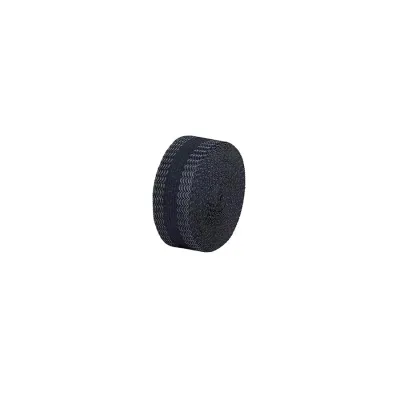
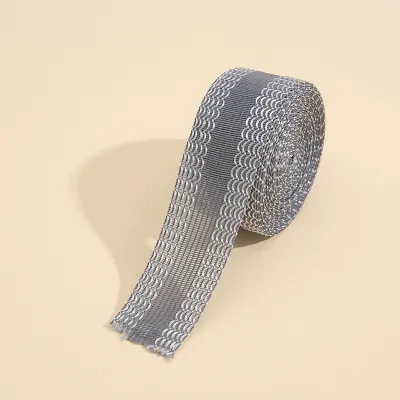
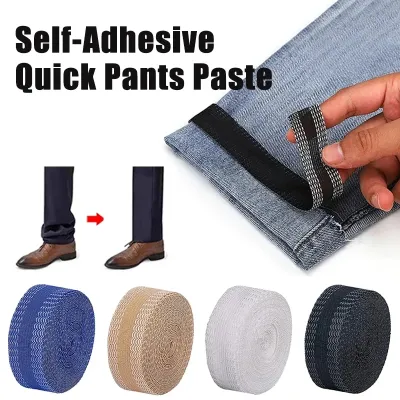
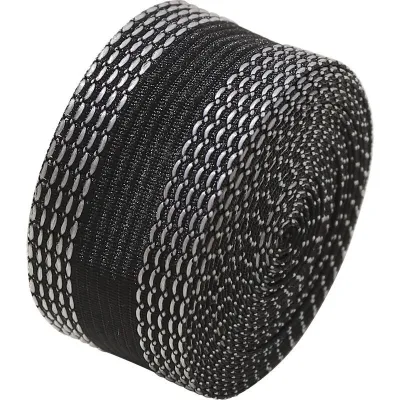
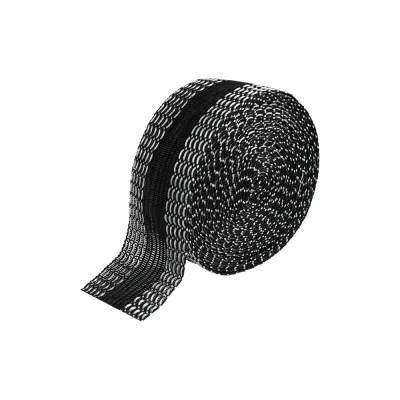
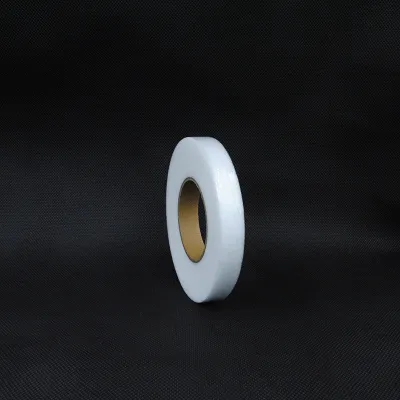
Prices are valid at publication and may change. Please refer to the product page for the latest price.
Heavy-duty fabric strips, by contrast, feature a thicker layer of heat-activated adhesive web. This web is engineered to liquefy under a hot iron, flowing deep into the coarse texture of the denim before solidifying into a resilient, semi-flexible matrix. If your jeans are made of lightweight to medium-weight denim (typically under 12 ounces), a high-quality heavy-duty fusible strip can provide an excellent, low-profile hem that looks clean and professional.
For rigid, heavyweight denim (14 ounces and above) or raw denim that has not been pre-washed, adhesive strips face significant challenges. The stiff, unyielding nature of raw denim fibers exerts constant outward pressure on the folded edge, which can gradually pull the adhesive apart during movement. Additionally, raw denim is often kept unwashed for long periods; when it is eventually washed, the fabric shrinkage can cause the bonded hem to pucker or release entirely.
You must also align your choice with your wearing and laundry habits. If you regularly wash your jeans in hot water or dry them in a high-heat tumble dryer, the adhesive bond will degrade much faster than it would under gentle care. While a stitched hem remains the gold standard for lifetime durability, a heavy-duty fusible strip offers a highly reliable, semi-permanent solution for everyday jeans, provided you follow proper washing protocols.
What to Look for When Buying Denim Hemming Strips
Selecting the right hemming strip requires looking past generic marketing claims and focusing on specific product specifications. The most critical factor is the adhesive weight rating, which should be explicitly labeled as “heavy-duty,” “super-strength,” or “for heavy fabrics.” These products contain a higher density of adhesive polymers per square inch, ensuring there is enough material to bridge the gaps between the thick yarns of denim fabric.

The width of the strip is another vital consideration for a secure hold. Standard utility tapes are often narrow, measuring around 1.2 centimeters (about half an inch). For denim, a wider strip of 2 to 2.5 centimeters (approximately three-quarters of an inch to an inch) is highly recommended. A wider adhesive surface area distributes the physical stress of walking and pulling across a larger zone, preventing the edges of the hem from rolling or lifting over time.
You must also verify the manufacturer’s care instructions and washability limits before buying. Look for strips that specify compatibility with machine washing and dry cleaning. Most high-quality polyamide fusible webs can handle warm water washes, but they may have strict limits regarding tumble drying. High heat in a dryer can soften the adhesive, causing the hem to separate, so choosing a tape rated for low-heat or line drying is essential for longevity.
Color and opacity should not be overlooked, especially when altering light-wash, white, or colored denim. While most fusible webs melt to a translucent finish, some cheaper options can leave a stiff, shiny, or dark residue that shows through thin or light-colored fabrics. Opt for a high-quality, ultra-clear fusible web that remains completely invisible from the exterior of the garment once fully cured.
How to Apply Hemming Tape for a Lasting Hold
Achieving a professional, long-lasting hem with adhesive tape requires meticulous preparation and precise execution. Begin by washing and drying your jeans before making any cuts or folds. New denim often shrinks during its first wash, and pre-washing also removes any factory sizing starches that could prevent the adhesive from bonding directly to the cotton fibers.
Once the jeans are clean and dry, put them on along with the shoes you plan to wear most frequently with them. Fold the excess fabric inward to find the desired length, ensuring the hem creates the correct “break” over your footwear. Use tailor’s chalk or sewing pins to mark this exact fold line clearly around the entire circumference of both pant legs.
After marking, lay the jeans flat on an ironing board and measure the fabric allowance. You will need a clean fold, so leave at least 3 to 4 centimeters of excess fabric below your marked line to create the hem allowance, and cut away any remaining excess fabric with sharp fabric shears. Fold the fabric inward along your marked line and press the fold firmly with a hot iron to create a sharp, permanent crease before introducing the tape.
Next, cut a piece of the hemming strip to match the circumference of the pant leg, adding a slight overlap of about 1 centimeter at the ends. Unfold the crease slightly, place the adhesive strip inside the fold—ensuring it sits completely within the hem and does not protrude past the folded edge—and refold the fabric over the tape. If the tape extends beyond the edge, it will stick to your iron or the outside of your jeans, creating a difficult-to-remove mess.
Set your iron to the temperature recommended on the adhesive packaging, which is typically the “wool” or “cotton” setting, and enable the steam function. Press the iron firmly down onto the folded hem, holding it in place without sliding for 10 to 15 seconds. Sliding the iron can shift the tape inside the fold, leading to wrinkles or misaligned hems; instead, lift the iron and press down on the adjacent section, repeating this process around the entire leg.
The final, and most frequently skipped, step is the curing process. Once you have pressed the entire hem, lay the jeans completely flat on a cool surface and let them sit undisturbed for at least two to three hours, or ideally overnight. The adhesive polymers require this cooling period to fully recrystallize and lock into the denim fibers; moving, stretching, or wearing the jeans while the adhesive is still warm will severely compromise the strength of the bond.
Limitations and When to Choose Professional Tailoring
While heavy-duty hemming strips are highly effective for straightforward alterations, they have distinct physical limitations. The most common point of failure occurs at the intersecting side seams of the jeans. The flat, double-sided adhesive strip struggles to conform to the sudden jump in fabric thickness at these bulky seams, often leaving small gaps where water can enter during washing, eventually causing the entire hem to peel.
Another limitation is the aesthetic loss of the original factory hem. When you shorten jeans using a standard fold-and-tape method, you lose the characteristic distressed edge, contrast stitching, and heavy wear patterns that define the look of high-quality denim. If preserving this original hem is important to you, a flat adhesive strip is generally unsuitable, as the “original hem method” of alteration requires complex folding and precise machine stitching to hide the seam.
You should also avoid using fusible tape on high-value, collectible, or selvedge denim. The heat required to melt heavy-duty adhesive can alter the texture of premium cotton, and the glue itself penetrates deep into the weave, making it incredibly difficult to remove without leaving a permanent stiff spot or discoloration. For these garments, or when dealing with extremely heavy denim weights over 14 ounces, seeking a professional tailor with a heavy-duty chain-stitch sewing machine is always the safest and most durable choice.
Frequently Asked Questions (FAQ)
Can hemming tape survive a washing machine cycle?
Yes, heavy-duty hemming tape can survive numerous washing machine cycles, provided it was applied correctly and is washed under the right conditions. Always check the adhesive manufacturer’s packaging for specific temperature limits, as most fusible webs are designed to withstand cool or warm water but will degrade in hot water. To maximize the lifespan of the bond, turn your jeans inside out before washing to reduce physical friction against the hem, and use a gentle cycle with a mild detergent. Air drying or line drying is highly recommended, as the intense heat of a standard tumble dryer can soften the adhesive polymers, causing the edges of the fold to lift and peel over time.
How do I remove hemming tape residue if I make a mistake?
If you make a mistake during application or need to adjust the hem later, you can usually remove the adhesive residue using controlled heat. Place a clean, damp pressing cloth over the hem and apply a hot steam iron for 10 to 15 seconds to reactivate and soften the glue. Carefully peel the fabric layers apart while they are still warm, taking care not to burn your fingers. For any remaining sticky residue left on the denim, apply a small amount of a fabric-safe adhesive remover or rubbing alcohol to a hidden area first to test for colorfastness. Once cleared, gently rub the residue with a clean cloth or a soft-bristled brush, then wash the jeans thoroughly to remove any chemical traces. If the residue proves stubborn or the fabric is highly delicate, consult a professional dry cleaner who has specialized solvents to safely dissolve the adhesive without damaging the cotton fibers.

Community discussion
Share your experience or ask a question. Comments are reviewed before publication.