
Selecting the right stickers for primary school students involves more than just picking their favorite cartoon characters. As children progress through different grade levels, their developmental needs, fine motor skills, and academic responsibilities change significantly. A sticker that delights a Primary 1 student might feel childish to a Primary 6 student, while complex organizational labels are entirely lost on younger children.
Understanding how to match sticker types to specific grade levels ensures that these stationery items serve their intended purpose. Whether used as motivational rewards, creative outlets, or functional planning aids, the right stickers support a child’s school journey without causing unnecessary classroom distractions. By aligning sticker selections with developmental milestones, parents and educators can turn a simple piece of adhesive paper into a valuable learning tool.
Understanding Developmental Needs and Sticker Functions
The role of stickers in a student’s life undergoes a major shift between the start of primary school and graduation. In the early years, stickers function primarily as external motivators and tactile toys. They provide immediate positive reinforcement for behavioral achievements, such as sitting quietly or completing a handwriting exercise. As students mature, their reliance on external rewards decreases, and stickers transition into functional tools for organization, time management, and self-expression.
Products mentioned in this guide
![[SG Ready Stock] Waterproof Stickers PVC Vinyl Plastic Pokemon Mario Children Birthday Gift Cartoon Kids Phone Luggage Laptop ipad Water Bottle Helmet](https://img.lazcdn.com/g/p/38ca957958d955ed67d20ac8ce8eaa46.png_400x400q80.png_.webp)
![[SG Ready Stock] Pokemon Waterproof Stickers PVC Vinyl Plastic Children Birthday Gift Cartoon Kids Phone Luggage Laptop ipad Water Bottle Helmet](https://img.lazcdn.com/g/p/bfbc9a0aa44d8b3ddbe03701bdb86a49.jpg_400x400q80.jpg_.webp)
Prices are valid at publication and may change. Please refer to the product page for the latest price.
Fine motor skill development also dictates which stickers are appropriate for different age groups. Younger children are still developing their hand-eye coordination and the small muscle groups in their fingers. Peeling thin, intricate paper stickers can lead to frustration and torn designs. Conversely, older students possess the dexterity required for precise placement, allowing them to use small, detailed functional stickers in planners and journals.
Classroom appropriateness is another critical factor to consider. While stickers are excellent for personalizing school supplies, they can easily become a source of distraction if they are too flashy, noisy, or prone to being stuck on shared school property. Choosing the right sticker involves balancing a child’s desire for fun with the practical realities of a focused classroom environment.
Lower Primary (Grades 1–2): Motivation and Fine Motor Practice
For students in Primary 1 and 2, stickers are highly effective tools for positive reinforcement and motor skill practice. At this stage, children respond exceptionally well to immediate visual rewards. A colorful sticker placed on a completed worksheet or a spelling test provides an instant sense of accomplishment, helping to build a positive association with schoolwork and learning.

When selecting stickers for lower primary students, physical format is key. Large, thick stickers are highly recommended because they are easy for small hands to manipulate. Puffy stickers made of 3D foam or thick vinyl options are ideal, as their raised edges allow children to grip and peel them independently. This repetitive action of peeling and placing stickers serves as excellent practice for fine motor skills and finger strength, which directly supports early handwriting development.
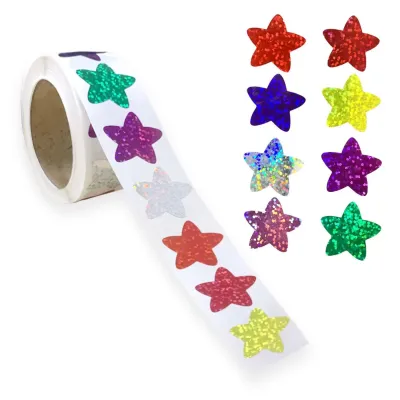
Design-wise, lower primary stickers should feature high-contrast, bright colors and simple, easily recognizable shapes. Classic designs like stars, smiley faces, and encouraging words (such as “Great Job!” or “Super!”) work best. These simple visuals provide quick recognition, allowing young students to immediately understand the positive feedback they represent. Keeping a dedicated reward chart at home with these stickers can also help establish consistent daily routines, such as packing the school bag or completing homework before dinner.
Middle Primary (Grades 3–4): Organization and Creative Expression
As students enter Primary 3 and 4, their academic workload increases, and they begin managing multiple subjects, including Science and social studies. This transition requires a shift toward organizational stickers. Simple name tags, subject labels, and color-coded dot stickers become incredibly useful. By labeling exercise books, files, and pencil cases with distinct colors, students can quickly identify the correct materials for each class, reducing prep time between lessons.
This stage is also a period of rapid personal identity development. Middle primary students love to express their individual interests, hobbies, and favorite themes. Sticker sheets featuring sports, animals, space, or artistic patterns allow them to personalize their personal belongings, such as the covers of blank notebooks or plastic file organizers. This creative outlet helps them feel a sense of ownership over their school supplies, which can boost their enthusiasm for learning.
However, balancing self-expression with classroom focus is essential. Parents should guide children to apply decorative stickers only to their personal, non-shared items. It is helpful to establish a rule that stickers belong on the covers of personal notebooks or pencil cases, rather than on school-issued textbooks, desks, or classroom walls. Opting for matte or satin-finish stickers rather than highly reflective holographic designs can also help minimize visual distractions during lessons.
Upper Primary (Grades 5–6): Functional Planning and Mature Aesthetics
By the time students reach Primary 5 and 6, they are preparing for major academic milestones and managing a complex schedule of homework, remedial classes, and co-curricular activities. At this level, stickers serve primarily as functional planning aids. Planner stickers, index tabs, and color-coded arrow flags help students organize their student diaries, track project deadlines, and mark important pages in thick textbooks.
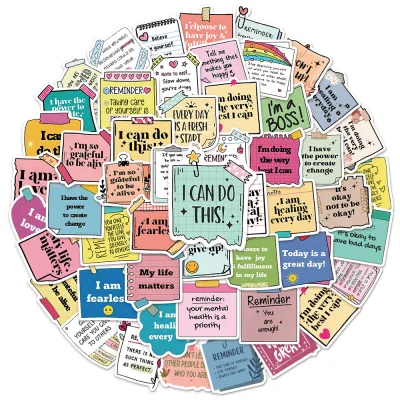
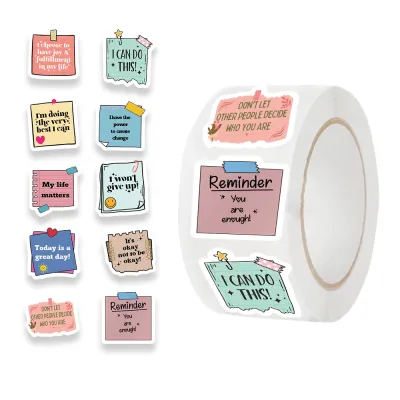
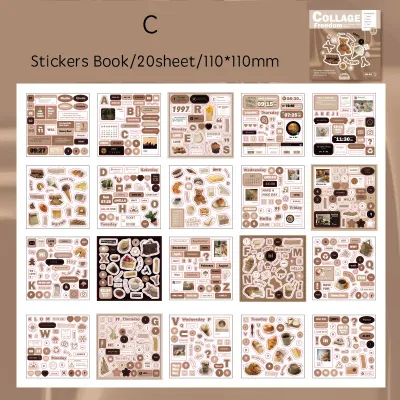
The aesthetic preferences of upper primary students lean toward more mature, minimalist designs. Cartoon characters and bright reward stars are typically replaced by typographic stickers, geometric patterns, and subtle color palettes. Pastel, neutral, or monochrome stickers allow older students to customize their study materials without feeling like they are using babyish supplies.
Many upper primary students also enjoy bullet journaling or keeping structured study trackers. Using small icon stickers—such as tiny books for reading logs, clocks for study sessions, or checkmarks for completed tasks—makes tracking progress highly visual and satisfying. This structured approach to sticker use fosters independent time-management skills, helping students take control of their academic schedules as they prepare for secondary school.
Safety, Material, and Classroom Appropriateness Checks
Before purchasing any sticker pack for school use, it is important to run through a few practical checks to ensure safety and school compliance. First, always verify the safety certifications on the packaging. Look for non-toxic labels such as EN71 (the European standard for toy safety) or ASTM D-4236. These certifications ensure that the adhesives and inks used in the stickers are safe for children who may have prolonged skin contact with them.
Second, evaluate the adhesive strength of the stickers. For school supplies, low-tack or removable adhesives are highly preferable. High-tack, permanent adhesives can cause significant damage if applied to rented school textbooks, library books, or shared classroom furniture. Testing a single sticker on an inconspicuous area of a notebook cover can help you observe how easily it peels off and whether it leaves a stubborn residue behind.
Finally, keep school-specific policies in mind. Some schools have strict guidelines regarding decorative items on stationery. Highly reflective, glittery, or scented stickers can be highly distracting to classmates and may not be permitted in the classroom. Choosing high-quality, matte-finish paper or vinyl stickers ensures that your child can enjoy personalizing their gear while respecting the learning environment of the school.
Frequently Asked Questions (FAQ)
Can I use the same sticker pack for siblings in different grades?
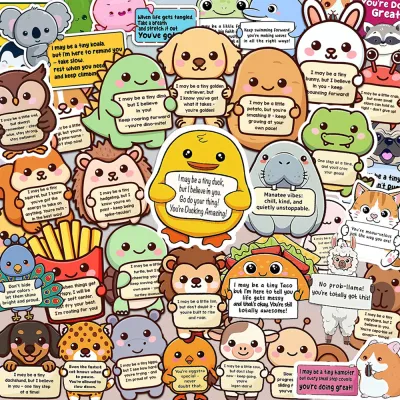
Yes, you can share sticker packs across different age groups if you select versatile, neutral designs. Basic geometric shapes, color-coded dots, arrows, and simple star designs are highly functional for both younger and older siblings. While a Primary 1 student can use a yellow star sticker as a motivational reward, a Primary 6 student can use the same star to highlight an exam date in their planner. Avoid highly themed cartoon packs, which may not appeal to older children.
Are reusable or static-cling stickers better for school supplies?
Reusable static-cling stickers are generally not ideal for standard school supplies like paper notebooks, cardboard folders, or fabric pencil cases, as they require smooth, non-porous surfaces to adhere. They work well on glass water bottles or plastic folders, but they easily collect dust and lint in a school bag, causing them to lose their cling quickly. For school environments, low-tack paper or vinyl stickers offer much better durability and surface compatibility.
How do I remove sticky residue from textbooks without damaging the pages?
To remove adhesive residue from paper pages without causing tears, avoid liquid solvents or water, which warp paper and cause ink to bleed. Instead, gently rub the residue with a clean, high-quality plastic eraser using light, circular motions. Alternatively, take a piece of low-tack utility tape, wrap it around your finger sticky-side out, and repeatedly dab the residue to lift it off the page. If the paper begins to pill, stop immediately to prevent tearing.

Community discussion
Share your experience or ask a question. Comments are reviewed before publication.