
Selecting the right squishy stickers for a child’s back-to-school stationery list requires balancing school regulations, the child’s fine motor development, and material safety. While these tactile, three-dimensional stickers are highly engaging, their physical thickness and adhesive properties mean they are not universally suitable for every classroom task or grade level. By evaluating sticker thickness, adhesive quality, and age-appropriate designs, parents can ensure these popular stationery items serve as helpful tools rather than classroom distractions.
Checking School Rules and Practical Limits for Stickers
Before purchasing any squishy stickers, parents should review the school’s official stationery list, student handbook, or guidelines provided by form teachers. Many primary schools enforce specific rules regarding three-dimensional or decorative stationery to maintain classroom focus and prevent unnecessary distractions during lessons. Some schools explicitly restrict raised, foam, or textured stickers on textbooks and exercise books, as these items can draw attention away from learning materials.
Beyond school policies, the physical thickness of a squishy sticker introduces practical challenges for daily organization. Standard pencil cases, plastic subject files, and homework folders are designed to lie flat to maximize storage space. Applying thick, puffy stickers to these surfaces can prevent pencil cases from zipping smoothly or cause folders to bulge, which may lead to torn pockets or damaged school bags over the course of the school term.
Products mentioned in this guide
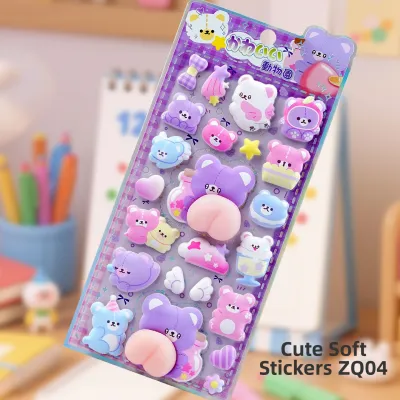
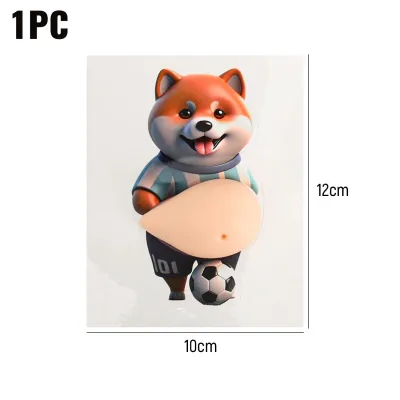
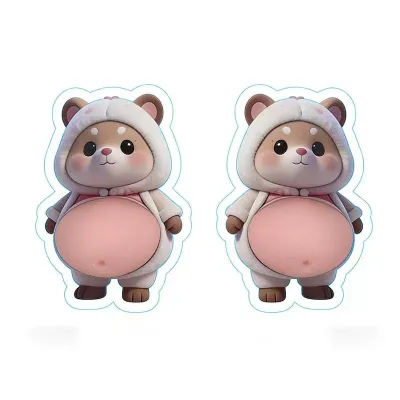

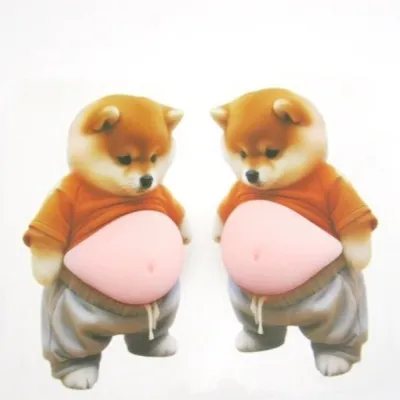
Prices are valid at publication and may change. Please refer to the product page for the latest price.
Furthermore, excessive thickness can interfere directly with the grading process. When multiple students stack their exercise books or spelling books for marking, uneven surfaces caused by bulky stickers make the stack unstable and prone to sliding. If a book cannot lie completely flat, it also becomes difficult for teachers to write comments or grade assignments neatly, making low-profile or moderately raised stickers a much more practical choice for daily schoolwork.
Matching Squishy Stickers to Fine Motor Skills by Grade
Children develop fine motor skills and hand-eye coordination at different rates as they progress through primary school. Selecting stickers that match their physical capabilities ensures a frustration-free experience when organizing their own school supplies.

Lower Primary (Grades 1 and 2)
For students in the early primary years, stationery should support their developing grip strength and manual dexterity. Prioritize larger squishy stickers with distinct, clear borders and pre-cut edges that are easy for small fingers to grasp and peel independently. These larger formats allow younger children to handle the stickers without accidentally tearing the foam or folding the adhesive backing onto itself.
It is best to avoid stickers with exceptionally strong adhesives or ultra-thin backing papers. Young children often struggle to separate thin layers, which can lead to torn backing sheets, ruined stickers, and classroom frustration. Instead, look for stickers that peel away cleanly from their backing sheets with minimal resistance.
At this stage, keep the use of squishy stickers highly functional. Simple name labeling on personal items like water bottles or pencil holders, or using them on basic home reward charts, works much better than attempting intricate decorative layouts on delicate school book covers.
Middle and Upper Primary (Grades 3 to 6)
As students enter middle and upper primary school, their refined motor control and improved hand-eye coordination allow them to handle much smaller and more detailed stationery items. Older children can easily manage intricate, multi-layered squishy stickers, using them to personalize their belongings with greater precision and care.
This age group can benefit from functional variants of squishy stickers designed for organization. Look for options that feature designated write-on spaces for name tags, color-coded schedule markers, or small index tabs to mark important sections in reference books. These tools help students take ownership of their daily schedules and homework deadlines.
Additionally, older students experience a shift in personal aesthetics and hobbies. Their preferences move away from simple cartoon shapes toward more mature themes, geometric patterns, or subtle pastel designs. Involving them in selecting these styles ensures their stationery feels age-appropriate and aligns with their evolving personal tastes.
Evaluating Material Safety and Adhesive Quality
Because children handle stationery daily, verifying the safety and physical quality of squishy stickers is essential. Since specialized laboratory testing is not accessible to everyday shoppers, parents must rely on observable checks and packaging indicators to make informed decisions.
Begin by inspecting the product packaging for recognized safety certification marks. Look for labels indicating compliance with international or local children’s toy and stationery safety standards, which verify that the materials used are non-toxic and free from harmful plasticizers. Avoid unlabelled bulk packs that lack clear manufacturer details or safety declarations.
Next, perform a physical inspection of the foam material. High-quality squishy stickers should have smooth, sealed edges and a consistent texture. Reject stickers that emit a strong, pungent chemical odor upon opening, as this often indicates the presence of volatile organic compounds or low-grade adhesives. Similarly, avoid stickers that show signs of flaking, crumbling foam, or peeling decorative layers, as these particles can easily transfer to hands and clothing.
Finally, test the adhesive quality before applying stickers to expensive school books or folders. Apply a sample sticker to a spare piece of paper or an old plastic folder, leave it for a few hours, and then attempt to peel it off. A high-quality sticker should adhere firmly but allow for clean removal without tearing the underlying paper fibers or leaving a sticky, dirt-attracting residue on plastic surfaces.
Building a Practical Back-to-School Stationery List
Integrating squishy stickers into a broader back-to-school shopping plan helps keep costs manageable and prevents clutter. To avoid over-purchasing, clearly differentiate between functional necessities and purely decorative items. Establish a clear budget, perhaps limiting decorative stationery purchases to under S$10, and set a strict limit on the number of decorative stickers allowed, ensuring that essential items like pencils, erasers, and writing books remain the priority.
Proper storage is key to maintaining the adhesive properties and shape of the stickers throughout the school year. Store unused sticker sheets flat inside a dedicated folder or a sealed plastic bag. This protects them from dust, humidity, and accidental bending, which can cause the edges to lift and lose their stickiness before they are even used.
Before heading to the store or browsing online marketplaces, establish a clear communication routine with your child. Discuss the school’s rules regarding stationery decoration and explain why certain items may not be allowed in the classroom. Involving your child in this decision-making process teaches them to respect school guidelines while still allowing them to express their personal style within practical boundaries.
Frequently Asked Questions (FAQ)
Can squishy stickers be used on all types of school books and folders?
No, the effectiveness of the adhesive depends heavily on the surface material. Smooth, non-porous surfaces like plastic folder covers and laminated book jackets provide an excellent grip for squishy stickers, though they may leave residue when removed. Conversely, rough, uncoated paper or textured cardboard covers offer less grip and are highly susceptible to tearing if you attempt to reposition or remove the sticker. Always perform a small, discreet test patch on an inconspicuous area of the book or folder before applying stickers permanently.
How do I remove sticky residue left by squishy stickers?
To remove stubborn adhesive residue safely without damaging school supplies, start with gentle physical methods. Rubbing a standard clean pencil eraser over the sticky area often rolls the residue into small, easily sweepable crumbs. Alternatively, press the sticky side of a piece of clear packing tape firmly over the residue and pull it away quickly to lift the adhesive. Avoid using harsh chemical solvents, nail polish removers, or sharp metal scrapers, as these can easily dissolve plastic stationery, strip the glossy coating from textbook covers, or tear delicate paper pages.

Community discussion
Share your experience or ask a question. Comments are reviewed before publication.