
Finding a reliable water colour paint set under S$30 is entirely possible if you know what features to prioritize. For beginners in Singapore, the key is avoiding oversized, low-quality novelty sets and focusing instead on compact, student-grade options. A well-formulated starter set with fewer colours will teach you color mixing and yield beautiful, transparent washes without the frustration of chalky finishes.
By understanding how to evaluate pigment quality, binder types, and packaging formats, you can make an informed decision that fits your budget. This guide will help you navigate the options available in local art stores and online marketplaces, ensuring your first steps into watercolour painting are both affordable and rewarding.
Defining Your S$30 Budget for Beginner Watercolours
A budget of S$30 is a highly practical sweet spot for anyone starting their watercolour journey. At this price point, you should not expect a massive palette of forty or fifty colours, nor should you want one. Instead, a realistic budget of S$30 should be directed toward a high-quality student-grade set containing twelve essential colours. This range typically includes warm and cool versions of the primary colours, along with a few earth tones, which are more than enough to mix almost any shade you need.
Products mentioned in this guide
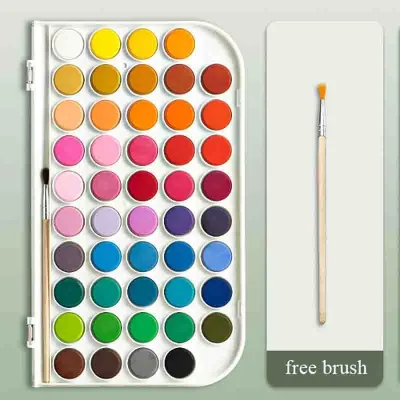
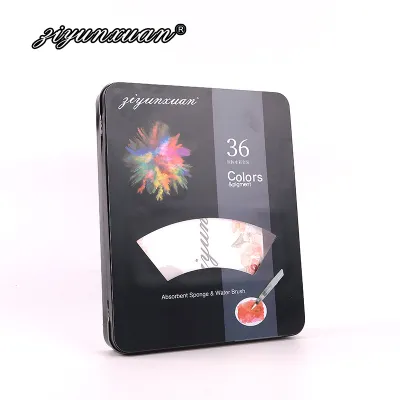
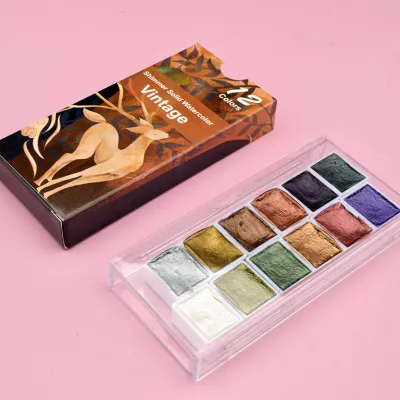
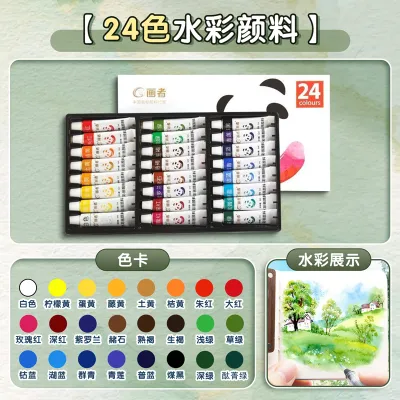
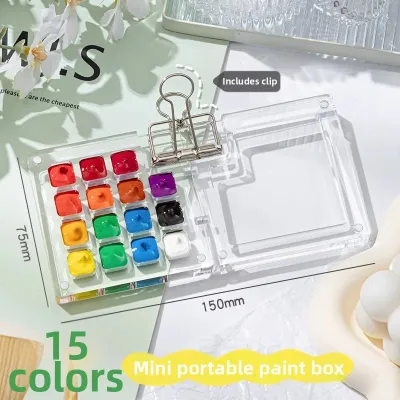
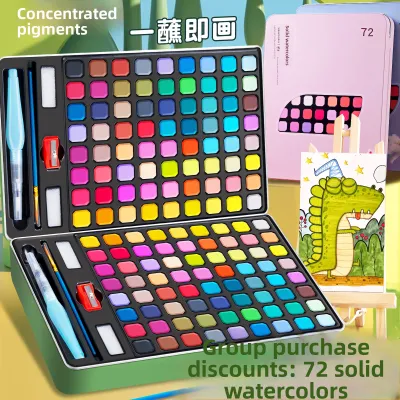
Prices are valid at publication and may change. Please refer to the product page for the latest price.
One of the most common cost traps for beginners is purchasing massive, inexpensive sets that promise a huge variety of shades for under S$15. These sets almost always compromise on pigment quality, using cheap synthetic dyes and heavy chalk fillers that result in muddy mixtures. By focusing your budget on a smaller, reputable student-grade set, you ensure that the paints behave predictably on paper.
Within the S$30 limit, you will primarily choose between solid pan sets and small tube sets. Pan sets are highly recommended for beginners because they are self-contained, easy to store, and less prone to waste. While tube sets are available in this price range, they often require you to purchase a separate mixing palette, which can quickly push your total expenditure past the S$30 mark.
Key Specifications to Check Before Checkout
Before finalizing your purchase, it is essential to verify the technical specifications of the water colour paint set. First, look closely at the product packaging or online description for pigment information. Reliable student-grade paints will often list the specific pigment codes used in each colour. If a brand hides this information or uses vague names like “sky blue” without any pigment details, it is often a sign of a lower-quality formulation.

Next, consider the binder quality, which holds the pigment particles together and allows them to adhere to the paper. High-quality watercolours use natural gum arabic as a binder, which ensures smooth re-wetting and excellent transparency. Cheaper alternatives may use synthetic glues or dextrin, which can cause the paint to crack, flake off the paper, or dry with an unnatural, shiny finish.
Finally, evaluate the included accessories to determine if they offer genuine value. Many budget-friendly pan sets come with a travel brush or a built-in mixing area in the lid. Check if the brush is a water-brush (which holds water in the barrel) or a traditional round brush. While these additions are convenient, ensure they do not inflate the price of a set that contains subpar paint. A quality paint set with no brush is always a better investment than a poor paint set packed with cheap accessories.
Pan Sets vs. Tube Sets: Which Fits Your Starter Needs?
Choosing between pan and tube watercolours is one of the first decisions you will face. Pan sets consist of dry, compressed cakes of paint housed in small plastic cups. They are incredibly portable and convenient, making them ideal for painting in compact Singapore apartments or taking to outdoor sketching sessions. To use them, you simply activate the dry paint with a wet brush, which naturally limits paint wastage since you only lift what you need.
Tube sets, on the other hand, contain moist, paste-like paint that you squeeze onto a palette. This format is excellent for mixing large washes of colour quickly, as you do not need to spend time scrubbing a dry pan to release the pigment. Tubes also offer a better cost-per-millilitre ratio, making them highly economical if you plan to paint frequently on larger sheets of paper.
For most beginners, pan sets offer the best long-term value and ease of use. They require virtually no setup or cleanup time, and there is no risk of the paint drying out and becoming unusable inside the container, which can happen to neglected tubes over time. If you prefer the rich consistency of tubes, look for a small starter set of five or six primary colours that you can squeeze into an inexpensive plastic palette.
Navigating Quality Traps in Budget Art Supplies
The art supply market is filled with products labeled “watercolor,” but there is a vast difference between true student-grade formulations and basic scholastic or children’s paints. Scholastic paints are formulated for safety, washability, and low cost. They contain very little actual pigment and are heavily padded with chalky fillers. When applied to paper, they dry with a rough, opaque texture that resembles poster paint rather than transparent watercolour.
To spot these quality traps, look for key red flags in product descriptions and user reviews. Poor re-wettability is a major warning sign; if a paint pan requires constant scrubbing with a wet brush just to get a faint wash of colour, the binder is likely too hard or of poor quality. Another red flag is extreme chalkiness, where the paint obscures the pencil lines of your sketch underneath rather than letting them show through.
If you find that the only options within your immediate reach are low-grade scholastic sets, it is highly advisable to delay your purchase. Saving an extra S$5 or S$10 to buy a recognized student-grade water colour paint set will save you hours of frustration. High-quality student paints blend smoothly, layer beautifully, and behave in a way that actually helps you learn the correct techniques.
Building a Complete Starter Kit Within Your Limit
While finding a water colour paint set under S$30 is your primary goal, paint alone is not enough to start painting. To get the best results, you must allocate your budget carefully to include suitable paper. Watercolour painting relies entirely on the interaction between water, pigment, and paper fibres. Regular drawing paper or cartridge paper will warp, pill, and tear when exposed to water, ruining your work regardless of how expensive your paints are.
To stay within your S$30 limit, look for a compact pad of 300gsm cold-pressed watercolour paper. A small A5-sized pad is highly affordable and provides the necessary thickness and texture to handle wet washes. If your chosen paint set costs S$20, a S$10 pad of paper completes your essential kit perfectly.
For other accessories, look around your home instead of buying specialized art tools. A white ceramic plate makes an exceptional mixing palette because the smooth glaze prevents the paint from pooling or beading up, which often happens on cheap plastic palettes. For water containers, clean glass jars or plastic takeaway tubs work perfectly. Finally, ensure you calculate any potential shipping fees if ordering from online marketplaces, as these extra costs can easily push your total cart value over the S$30 threshold.
Frequently Asked Questions (FAQ)
Can I mix student-grade watercolours with professional ones later?
Yes, student-grade and professional-grade watercolours are fully compatible because they share similar binder bases, typically gum arabic. You can safely mix them on your palette or layer them on your paper. However, professional paints contain a much higher concentration of pure pigment, meaning they will appear significantly more vibrant and will tint mixtures much faster than student-grade paints. When blending the two grades, perform a quick trial on a scrap piece of watercolour paper to observe how the different pigment loads interact and dry.
How do I keep pan watercolours from drying out and cracking?
Pan watercolours are designed to be dry, but excessive cracking can cause the paint cakes to lose adhesion and fall out of their plastic wells. In Singapore’s warm and humid climate, store your paint set in a cool, dry place away from direct sunlight to prevent the binder from degrading or growing mold. Before you begin a painting session, lightly mist your pans with clean water using a small spray bottle. This allows the paint to soften gradually over a few minutes, preventing you from damaging your brush bristles by scrubbing at a bone-dry pan.

Community discussion
Share your experience or ask a question. Comments are reviewed before publication.