
Selecting the right sticker book album for a primary school student in Singapore requires matching the physical design of the album with the child’s developmental stage and collecting habits. A primary schooler’s relationship with stickers evolves rapidly between Primary 1 and Primary 6, transitioning from tactile, sensory play to highly organized, creative curation. An album that frustrates a seven-year-old might bore an eleven-year-old, making it essential to evaluate specific structural features before purchasing.
By understanding how page materials, binding styles, and layouts align with different age groups, parents can select an album that keeps children engaged while protecting their growing collections. This guide breaks down the essential physical characteristics of sticker albums and provides a grade-by-grade framework to help you make an informed decision for the upcoming school year.
Core Features to Evaluate in a Sticker Book Album
The longevity of a sticker book album depends heavily on its physical construction, especially when subjected to the daily wear and tear of a school environment. The most critical component to inspect is the page material. Reusable sticker books typically feature silicone-coated release paper, which allows stickers to be peeled off and repositioned multiple times without losing their adhesive backing or tearing the page. For permanent collections, heavy-weight paper of at least 120 gsm is ideal to prevent wrinkling, warping, or ink bleed-through if children decide to write or draw alongside their stickers.
Products mentioned in this guide
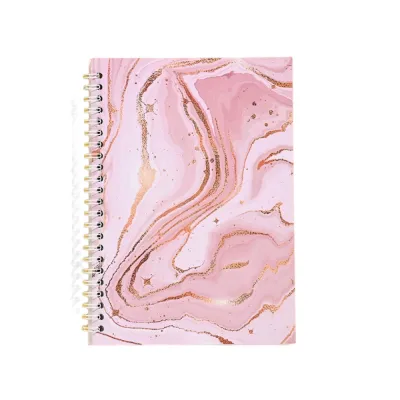
Prices are valid at publication and may change. Please refer to the product page for the latest price.
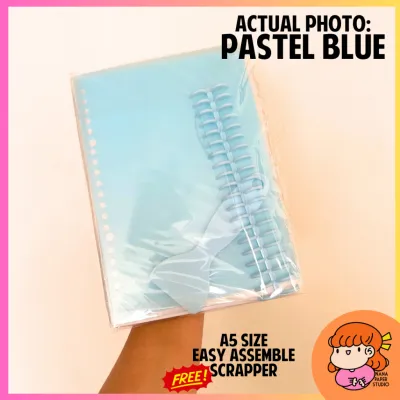
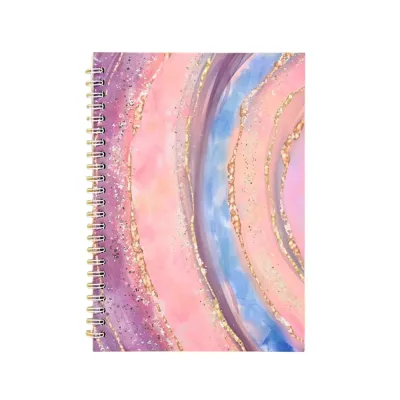
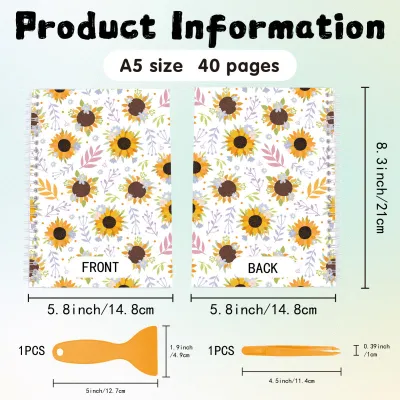
Binding types dictate how easily a child can interact with the album. Spiral-bound and disc-bound albums are highly recommended because they allow the book to lay completely flat on a study desk or floor. This flat surface is crucial for younger children who are still mastering hand-eye coordination, as it prevents the pages from flipping shut mid-application. In contrast, tightly glued or stitched bindings often resist staying open, requiring the child to hold the book down with one hand while trying to peel a sticker with the other.
Cover durability and edge protection determine whether the album survives the transit inside a crowded school bag. Hardboard covers, laminated heavy cardstock, or albums equipped with removable plastic slipcovers offer the best defense against bent corners, water bottle spills, and heavy textbooks. Reinforced edges or rounded corners also prevent the cover from fraying over months of frequent handling.
Matching Albums to Lower Primary (P1–P2) Development Needs
Children in Primary 1 and Primary 2 (ages 7 to 8) are actively developing their fine motor skills and spatial awareness. During this stage, peeling thin stickers from a sheet and placing them accurately can be a challenging task that easily leads to frustration. To support their growth, look for sticker albums that feature larger, clearly defined sticker spaces or simple silhouette outlines that guide placement.

Page thickness is paramount for this age group. Lower primary students tend to be enthusiastic but heavy-handed, often pulling at stickers with force or repeatedly repositioning the same sticker in an attempt to get it straight. Albums with extra-thick, silicone-coated pages can withstand this repeated transition without tearing or losing the release coating. Standard paper pages are generally unsuitable for this level, as a single misplaced sticker can result in a torn page and a disappointed child.
When selecting themes and layouts, favor simple, high-contrast designs with broad categories such as basic shapes, animals, or vehicles. Avoid albums that feature intricate, tiny sticker slots or highly detailed scenes that require advanced dexterity to navigate. The goal at this stage is to build confidence and hand strength through successful peeling and sticking, making straightforward, forgiving layouts the ideal choice.
Supporting Middle Primary (P3–P4) Hobbies and Organization
By Primary 3 and Primary 4 (ages 9 to 10), children begin to develop distinct personal hobbies and a stronger desire for order and categorization. Their fine motor skills are well-established, allowing them to handle standard-sized, intricate, and delicate stickers with ease. Albums for this age group should transition away from simple placement guides toward structured, themed pages that encourage classification.
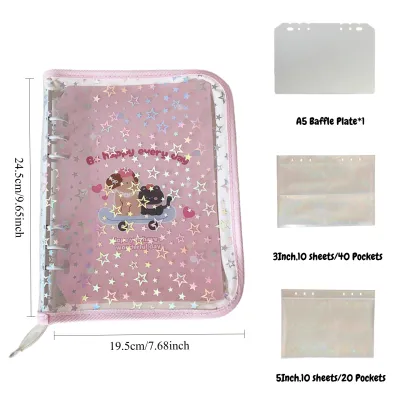
Look for albums that offer categorized sections, such as dedicated pages for space exploration, marine life, sports, or fantasy characters. This structure appeals to the natural developmental urge to sort, collect, and complete sets. Additionally, middle primary students frequently collect diverse sticker types, including puffy 3D stickers, holographic sheets, and shakeable water-filled stickers. To accommodate these bulkier items, prioritize albums that feature built-in plastic pockets, paper sleeves, or envelope inserts at the back of the book.
While structure is helpful, the page layout should still leave room for creative freedom. The ideal middle primary album balances structured grids with open-ended, semi-scenic backgrounds. This design allows children to arrange their stickers to tell a story or create a collage, giving them a sense of ownership over the visual narrative without overwhelming them with a completely blank canvas.
Accommodating Upper Primary (P5–P6) Advanced Collecting
Students in Primary 5 and Primary 6 (ages 11 to 12) often view sticker collecting as a sophisticated, long-term hobby, a form of self-expression, or an extension of their personal journaling. They are likely to collect premium vinyl stickers, artist-designed die-cuts, or metallic decals obtained from school events and stationery shops. Consequently, their albums must offer a higher level of protection and customization.
For these older students, focus on archival-quality albums. Pages made from acid-free, PVC-free plastic pocket sleeves are excellent for preserving the vibrant colors and adhesive integrity of valuable stickers over several years. If they prefer a stick-and-peel format, high-grade, smooth release paper that does not leave a greasy residue on the sticker backing is essential. This ensures that premium stickers can be stored safely and retrieved later for use on laptops, water bottles, or school notebooks.
Upper primary students also appreciate mixed-media compatibility. Albums that combine sticker release pages with adjacent lined or blank paper allow students to practice bullet journaling, write captions, record dates, or sketch designs alongside their collection. This integration turns the sticker book into a personal keepsake or creative diary.
Finally, consider the physical capacity of the spine. A collection of thick vinyl or epoxy stickers can quickly cause a standard book to bulge and warp. Look for albums with expandable bindings, such as disc-bound systems or ring binders, or those secured with a thick elastic strap closure that keeps the album compressed and flat even when filled to capacity.
Pre-Purchase Verification Checklist for Parents
Before purchasing a sticker book album online or at a local stationery store, taking a few moments to verify its physical specifications can prevent a poor match. First, calculate the actual usable page count. Product descriptions often advertise a high page count that includes front matter, index pages, and decorative dividers. Ensure you are looking at the number of actual sticker-receptive pages to guarantee the album fits your child’s current collection size.
If you are shopping in a physical retail store, perform a quick binding test. Open the album to the center pages and place it on a flat surface; if the book immediately springs shut or requires significant force to stay open, it may frustrate a younger child. For online purchases where you cannot physically test the book, read customer reviews specifically looking for mentions of binding stiffness, page tearing, or issues with stickers sliding off the pages. Always verify the seller’s return policy regarding manufacturing defects or damaged bindings.
Lastly, measure the dimensions of your child’s existing sticker sheets. Many children prefer to keep their stickers on their original sheets rather than peeling them off individually. If this is the case, ensure the album’s pocket dimensions or page sizes are large enough to accommodate standard sheet sizes, such as A5 or A6, without requiring you to trim the borders of the sticker sheets.
Frequently Asked Questions (FAQ)
How can I prevent stickers from falling out of the album over time?
To preserve sticker adhesion and protect the album’s contents, store the book in a cool, dry place away from direct sunlight and high humidity, which can degrade water-based adhesives over time. Before applying any sticker, ensure the album pages are completely dry and free of dust or finger oils by wiping them gently with a clean, dry microfiber cloth. If your child collects highly valuable or delicate stickers, consider using an album with protective, acid-free plastic sleeves that seal the stickers away from open air and friction.
Are refill pages available for most sticker book albums?
Refill availability depends entirely on the album’s binding style. Spiral-bound, stitched, and glued-back albums have a fixed capacity and cannot accept refill pages. If long-term expandability is important to your child, look specifically for disc-bound or ring-bound sticker albums, which allow you to insert new release-paper sheets or plastic pocket sleeves as the collection grows. Always check the manufacturer’s specifications to ensure the hole-punch pattern of the refill sheets matches the binding system of your specific album.

Community discussion
Share your experience or ask a question. Comments are reviewed before publication.